TEL:
+86-13102802206
TEL:
+86-13102802206
 Email:
fencenetting@china.com
Email:
fencenetting@china.com
 Language
TEL:
+86-13102802206
Email:
fencenetting@china.com
Language
Language
TEL:
+86-13102802206
Email:
fencenetting@china.com
Language


When welding cast iron, achieving a strong and reliable weld requires the right materials and techniques. Flux core wire for cast iron is a popular choice for its ease of use and ability to overcome the challenges associated with welding this material. This article will explore the benefits, applications, and considerations when selecting and using flux core wire for cast iron, offering valuable insights for both beginners and experienced welders. Proper weld preparation and technique are critical for success.
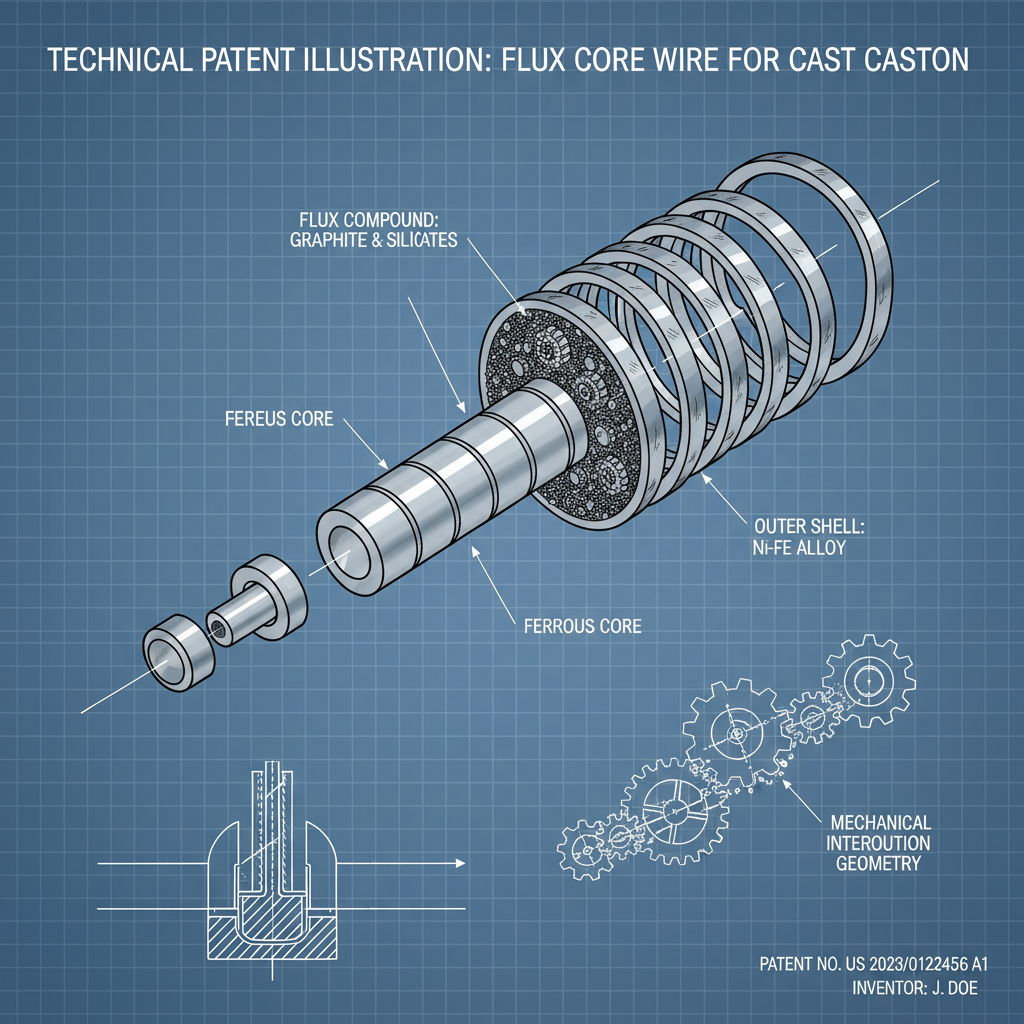
Cast iron presents unique welding challenges due to its high carbon content, low ductility, and tendency to crack. Traditional welding methods often introduce significant heat, causing the iron to become brittle and susceptible to failure. Flux core wire addresses these challenges by providing a shielding gas and deoxidizers, preventing oxidation and promoting a more ductile weld. The flux also helps to remove impurities and control the cooling rate, minimizing the risk of cracking. Choosing the correct wire composition and welding parameters is crucial.
Key Benefits: Provides shielding gas, removes impurities, controls cooling rate, and minimizes cracking.
Several types of flux core wire for cast iron are available, each designed for specific applications and welding positions. Nickel-based wires are popular for their excellent ductility and crack resistance, making them ideal for repairing complex cast iron components. Carbon steel wires with high silicon content offer good weldability and are suitable for general-purpose repairs. Understanding the composition and characteristics of each wire type is essential for achieving optimal results. The choice often depends on the type of cast iron being welded.
Wire Type Benefits:
• Nickel-based: Excellent ductility, crack resistance.
• Carbon Steel with Silicon: Good weldability, general-purpose repairs.
Selecting the right flux core wire involves considering factors like the type of cast iron, welding position, and desired mechanical properties. Here’s a comparison of popular options:
Successful welding of cast iron with flux core wire requires careful control of heat input and cooling rate. Preheating the cast iron to 200-300°F (93-149°C) can reduce thermal shock and minimize cracking. Use a short arc length and a weaving technique to distribute heat evenly. Post-weld cooling should be slow and gradual; covering the weld with insulation can help to prevent rapid cooling. Proper technique is key to preventing porosity and ensuring a sound weld.
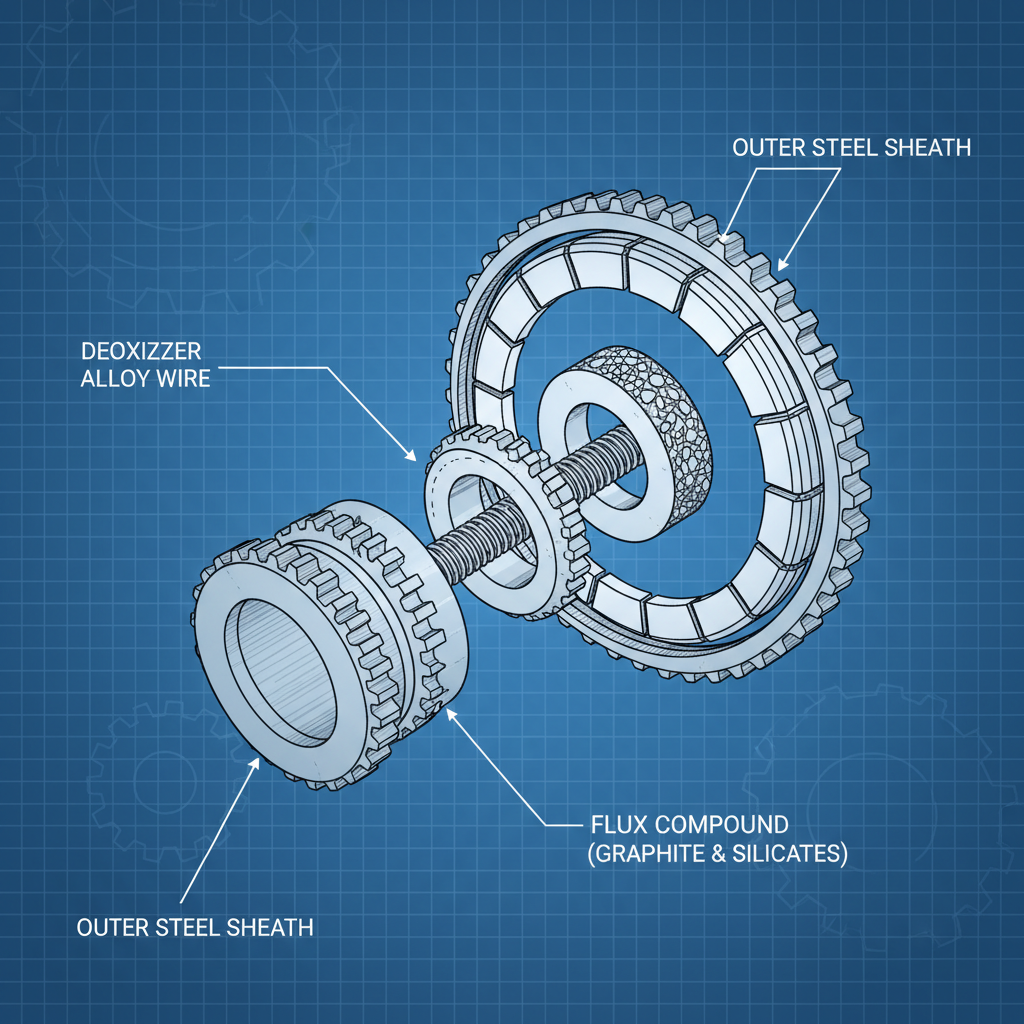
When sourcing flux core wire for cast iron, consider the diameter, composition, and packaging. Ensure the wire is stored in a dry environment to prevent moisture absorption. TY Wire Mesh offers a comprehensive range of high-quality flux core wires specifically designed for cast iron welding, with detailed specifications available on our website.
Choosing the correct flux core wire for cast iron and employing proper welding techniques are essential for achieving durable and reliable repairs. By understanding the challenges of cast iron welding and utilizing the appropriate materials and methods, you can ensure successful outcomes. Explore the wide selection of wires available at TY Wire Mesh and empower yourself with the tools for successful cast iron welding.
A preheating temperature of 200-300°F (93-149°C) is generally recommended for cast iron welding. Preheating reduces thermal shock and helps minimize the risk of cracking. The specific temperature may vary depending on the type of cast iron and the thickness of the material. Using a temperature indicating crayon or thermometer is helpful for accurate preheating. Ensure the entire area to be welded is heated evenly.
While it's possible to weld cast iron using other methods like stick welding with specific cast iron electrodes, flux core wire generally provides better weld quality and ease of use. The flux core provides shielding and deoxidizing benefits crucial for preventing porosity and cracking in cast iron welds. Other methods may require more skill and careful control to achieve similar results.
Porosity in cast iron welds can be caused by several factors, including inadequate shielding gas, moisture contamination, improper cleaning of the base metal, and excessive welding heat. Using the correct flux core wire, ensuring proper gas coverage, and thoroughly cleaning the weld area can help prevent porosity. Maintaining a short arc length and controlling the welding speed are also important.
Preventing cracking involves several key steps: preheating the cast iron, using a low hydrogen welding process (like flux core with a suitable wire), controlling the cooling rate, and avoiding rapid temperature changes. Slow cooling, achieved by covering the weld with insulation, helps to minimize stress and reduce the risk of cracking. Proper weld bead placement and minimizing constraints on the weld are also important.