TEL:
+86-13102802206
TEL:
+86-13102802206
 Email:
fencenetting@china.com
Email:
fencenetting@china.com
 Language
TEL:
+86-13102802206
Email:
fencenetting@china.com
Language
Language
TEL:
+86-13102802206
Email:
fencenetting@china.com
Language


1.8 stainless steel wire rope is a versatile material with a wide range of applications, from marine environments to industrial lifting. Its strength, corrosion resistance, and flexibility make it a preferred choice over other materials. This article will explore the properties of 1.8 stainless steel wire rope, its key applications, selection criteria, and where to find a reliable supplier like TY Wire Mesh. Understanding these aspects is crucial for ensuring the safety and efficiency of your projects.
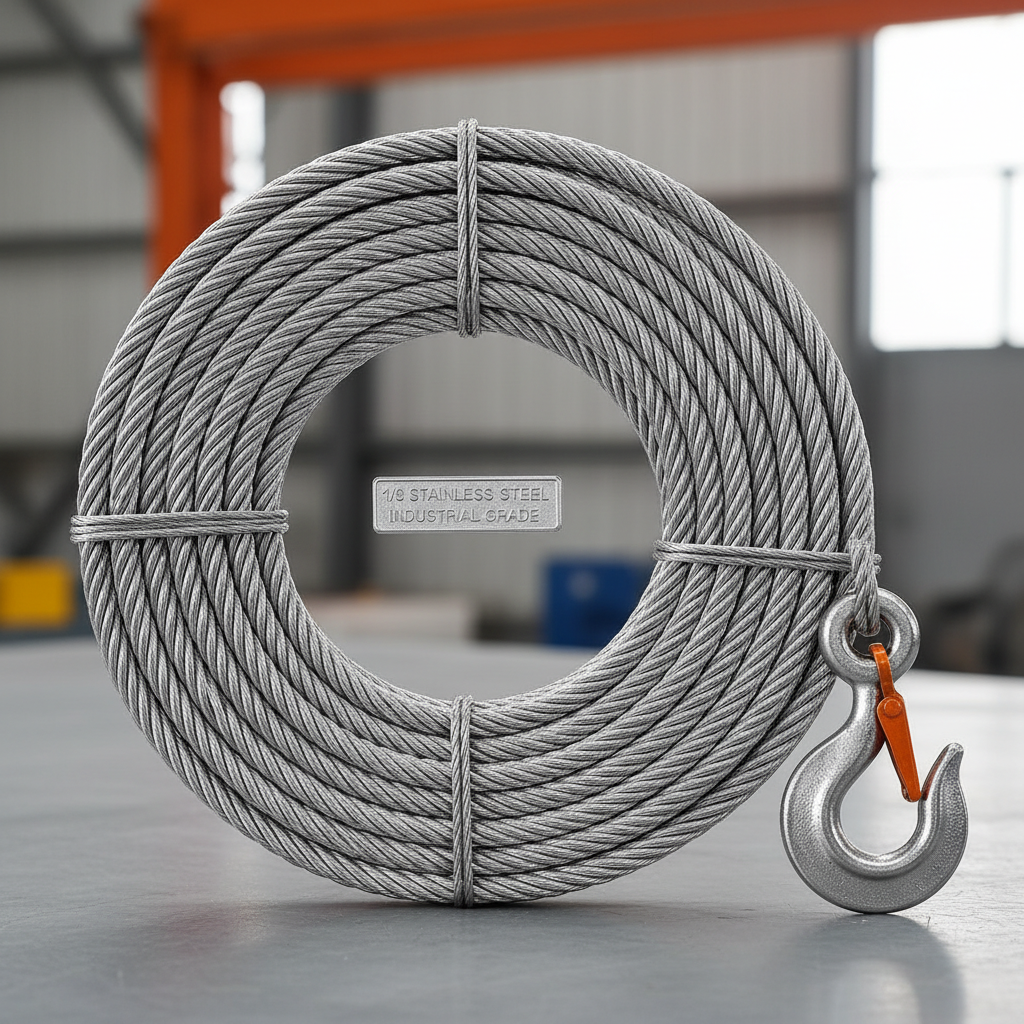
1.8 stainless steel wire rope refers to the diameter of the rope, which is 1.8mm. The "stainless steel" component indicates that the rope is constructed from a steel alloy containing chromium, nickel, and other elements. This alloy provides excellent resistance to corrosion from water, chemicals, and other environmental factors. The wire rope itself is typically constructed by stranding several wires together, then laying these strands around a core. Different construction types (e.g., 6x19, 6x37) influence the rope’s flexibility and strength. TY Wire Mesh offers a variety of configurations to meet specific application needs.
Key Highlights: High tensile strength, excellent corrosion resistance, flexibility for various applications, and diverse construction options.
The relatively small diameter of 1.8 stainless steel wire rope makes it ideal for applications where space is limited or flexibility is paramount. Common uses include: lock wires for fasteners, rigging for model yachts and other small vessels, musical instrument strings, jewelry making, and general purpose lashing. Its corrosion resistance also makes it suitable for outdoor applications, like clotheslines and barrier cables. The lightweight nature of this wire rope further enhances its usability in various projects.
Application Benefits:
• Ideal for intricate designs and limited spaces.
• Provides strong and reliable connections in various applications.
• Corrosion resistance ensures longevity, even in harsh environments.
• Lightweight design enhances ease of handling and installation.
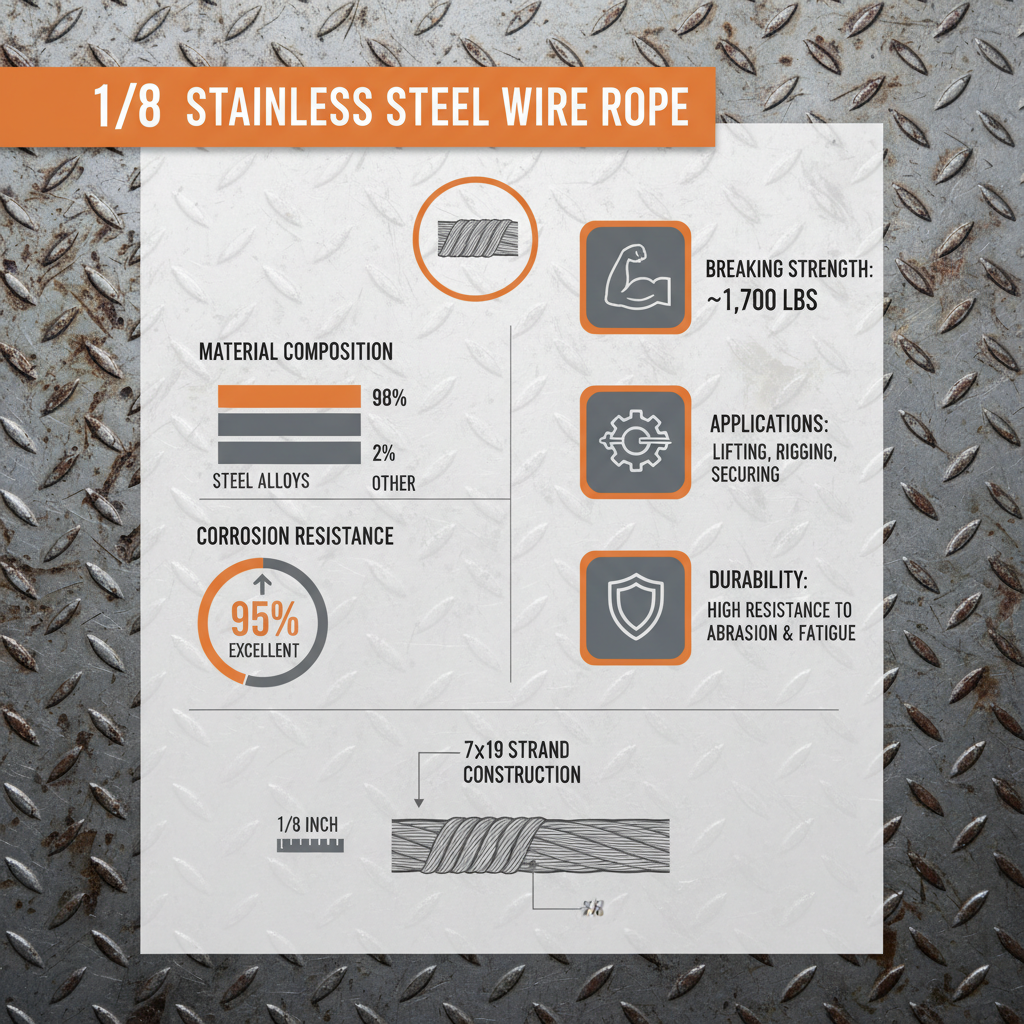
Different construction types influence the wire rope’s properties. 6x19 construction is common, offering a good balance of strength and flexibility. 6x37 construction provides even greater flexibility but typically has a slightly lower breaking strength. Here’s a comparison of some common construction types:
Selecting the appropriate wire rope requires considering several factors. First, determine the load-bearing requirements of your application and choose a rope with a sufficient breaking strength. Also consider the environment - ensure the 316 stainless steel grade is chosen for highly corrosive environments like saltwater. The construction type should align with the required flexibility. Finally, always purchase from a reputable supplier like TY Wire Mesh to guarantee quality and consistency.
For reliable sourcing of 1.8 stainless steel wire rope, TY Wire Mesh is a leading provider. We offer a comprehensive range of wire rope constructions and grades, backed by stringent quality control and competitive pricing. Contact us today to discuss your specific requirements and receive a customized quote.
Choosing the right 1.8 stainless steel wire rope is critical for ensuring the safety and longevity of your projects. With its exceptional strength, corrosion resistance, and versatility, it's a reliable material for a wide range of applications. Partner with a trusted supplier like TY Wire Mesh to ensure you receive high-quality products and expert support.
Both 304 and 316 stainless steel offer excellent corrosion resistance, but 316 contains molybdenum, which significantly enhances its resistance to chloride corrosion. This makes 316 the preferred choice for marine environments, chemical processing, and applications exposed to saltwater. While 304 is more cost-effective, 316 provides superior long-term durability in harsh conditions. Selecting the appropriate grade depends heavily on the intended application and the level of corrosion exposure.
The load capacity is determined by the rope’s breaking strength, which is typically provided by the manufacturer. However, it’s crucial to apply a safety factor. For lifting applications, a safety factor of 5:1 is generally recommended. This means the working load limit (WLL) is calculated by dividing the breaking strength by 5. Other factors like the type of termination (e.g., swaging, splicing) and dynamic loads should also be considered. Always consult with a qualified engineer if you are unsure about the appropriate load capacity for your specific application.
Common termination methods include swaging, splicing, and using mechanical fittings like wire rope clips. Swaging provides a very strong and secure termination but requires specialized tools. Splicing offers excellent strength retention but requires skill and practice. Wire rope clips are a simpler option but should be properly installed and inspected regularly to ensure they maintain their load-bearing capacity. The best method depends on the application and the required strength and durability. TY Wire Mesh can provide guidance on appropriate termination methods and fittings.
Proper storage is essential to maintain the corrosion resistance of stainless steel wire rope. Store the rope in a dry, well-ventilated area, away from direct sunlight and harsh chemicals. If the rope becomes wet, allow it to dry completely before storing. Avoid storing it in contact with dissimilar metals, as this can accelerate corrosion. Regularly inspect the rope for signs of corrosion and clean it if necessary. Coating the wire rope with a corrosion inhibitor can also provide additional protection.