TEL:
+86-13102802206
TEL:
+86-13102802206
 Email:
fencenetting@china.com
Email:
fencenetting@china.com
 Language
TEL:
+86-13102802206
Email:
fencenetting@china.com
Language
Language
TEL:
+86-13102802206
Email:
fencenetting@china.com
Language


When searching for a reliable binding or rigging solution, the 7x7 stainless steel cable is often the primary choice for professionals and DIY enthusiasts alike. Characterized by its specific construction—seven strands of seven wires each—this cable offers a perfect balance between flexibility and breaking strength. Whether you are securing architectural elements, installing marine railings, or creating industrial supports, understanding the nuances of this material is key to ensuring long-term safety and durability. In this guide, we will explore why this specific configuration is so widely used across global industries.
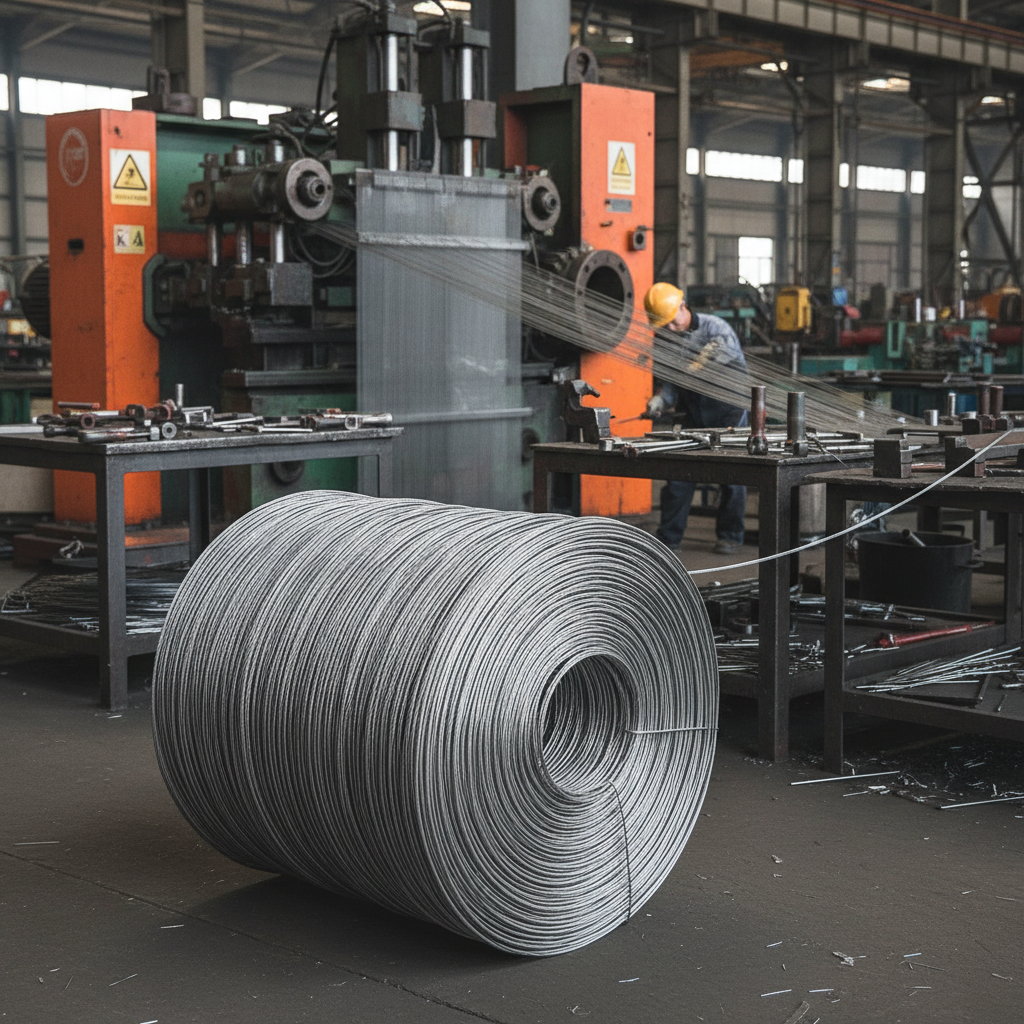
The "7x7" designation refers to the internal architecture of the wire rope. It consists of seven inner strands, and each of those strands is composed of seven individual wires, all twisted around a central core. This design creates a cable that is significantly more flexible than a single solid wire of the same diameter, while maintaining a high level of structural integrity. Most of these cables are manufactured from Grade 304 or Grade 316 stainless steel, ensuring they can withstand harsh environmental conditions without succumbing to rust or degradation. Utilizing a high-quality 7x7 stainless steel cable ensures that your project remains secure even under constant tension.
Quick Fact: The 7x7 construction is specifically engineered for applications that require a "medium" level of flexibility—more flexible than 1x19 wire, but stiffer and stronger than 7x19 wire.
The primary appeal of the 7x7 configuration lies in its corrosion resistance and tensile strength. Because it is made from stainless steel, it is naturally resistant to oxidation, making it an ideal candidate for outdoor and marine environments. Additionally, the multi-strand nature of the cable means that if one individual wire happens to break, the overall cable will not immediately fail, providing a critical safety margin. This reliability makes the 7x7 stainless steel cable a preferred choice for security barriers and aircraft cables. Its aesthetic appeal, with a bright, polished finish, also makes it suitable for modern architectural designs.
Choosing the right cable depends entirely on your needs for flexibility versus rigidity. While a 1x19 cable is very stiff and ideal for permanent railings, and a 7x19 cable is highly flexible for pulleys, the 7x7 variant sits comfortably in the middle. It provides enough flexibility to be easily coiled or bent around fittings, yet remains rigid enough to maintain a clean line over longer spans. For most general-purpose rigging and decorative applications, the 7x7 stainless steel cable offers the most balanced performance profile.
Because of its versatility, this cable is found in an array of settings. In the marine industry, it is frequently used for rigging and antenna stays. In interior design, it serves as a sleek support for hanging signs or creating modern partitions. Additionally, it is widely used in security systems to lock equipment or create perimeter barriers. The high tensile strength of the 7x7 stainless steel cable makes it an excellent choice for any application where failure is not an option and a professional appearance is required.
When specifying a 7x7 stainless steel cable, it is vital to consider the diameter and the grade of steel. Grade 316 is generally preferred for saltwater environments due to the addition of molybdenum, which prevents pitting. Below is a general specification table illustrating the relationship between cable diameter and approximate breaking strength.
The 7x7 stainless steel cable represents the ideal intersection of strength, flexibility, and longevity. Its ability to resist the most corrosive environments while maintaining a clean, modern appearance makes it an indispensable tool for both industrial and decorative projects. By selecting the correct grade and diameter, you can ensure a secure installation that lasts for decades. For premium quality and professional specifications, always source your materials from a trusted supplier.
Not necessarily. The "better" choice depends on your specific application. A 7x19 cable has more individual wires, making it significantly more flexible and suitable for use with pulleys or winches. However, the 7x7 cable is generally stronger than the 7x19 of the same diameter and is less likely to "birdcage" or deform under certain loads. If you need a cable for static support or security where extreme flexibility isn't required, 7x7 is typically the superior and more cost-effective choice.
Both are high-quality stainless steels, but they differ in their chemical composition. SS304 is excellent for most indoor and outdoor applications and is highly resistant to corrosion in freshwater environments. SS316, however, contains molybdenum, which provides superior resistance to chlorides (salts). If your 7x7 stainless steel cable will be exposed to ocean spray or saltwater, SS316 is the only recommended option to prevent pitting and corrosion over time.
Proper termination is critical to maintaining the cable's breaking strength. The most common methods include using swaged ferrules (crimping), wire rope clips, or threaded terminals. For a professional and permanent finish, swaging is preferred as it compresses the ferrule around the cable, creating a secure bond. It is essential to use tools specifically designed for the diameter of your cable to avoid crushing the strands, which could weaken the structural integrity of the assembly.
While 7x7 cables are strong, they are generally categorized as "utility" or "aircraft" cables rather than "hoisting" cables. For heavy-duty overhead lifting, specialized hoisting ropes with specific safety factors and core constructions are required. The 7x7 cable is ideal for static loads, tensioning, and security. Always check the Working Load Limit (WLL), which is usually a fraction of the Breaking Strength, to ensure the safety of your installation.