The Strategic Imperative of black iron mesh in Modern Industrial Applications
In the intricate landscape of B2B procurement, material selection stands as a critical determinant of project success, operational efficiency, and long-term cost-effectiveness. Among the foundational materials, black iron mesh has emerged as a material of indispensable value, particularly across sectors demanding robust, adaptable, and economically viable solutions. This comprehensive guide delves into the profound technical advantages, diverse application scenarios, and strategic considerations for deploying this essential material. We will explore its manufacturing intricacies, adherence to stringent industry standards, and the value propositions it offers to decision-makers and engineers alike.
The versatility of materials like black iron wire, including variants such as annealed iron wire, black annealed iron wire, soft annealed iron wire, and soft black iron wire, contributes significantly to the expansive utility of the finished mesh products. These derivatives are crucial for tailoring the mesh to specific mechanical and environmental demands, ensuring optimal performance across a spectrum of industrial uses.
Industry Trends and Market Dynamics Driving Demand for Black Iron Mesh
The global industrial landscape is continually evolving, driven by infrastructure development, technological advancements, and a persistent focus on cost-efficiency without compromising quality. This dynamic environment significantly impacts the demand for foundational materials such as black iron mesh. Current market trends indicate a robust demand in key sectors:
- Infrastructure Growth: Rapid urbanization and the development of transportation networks (roads, railways, ports) globally necessitate vast quantities of reinforcing and fencing materials, where black iron mesh offers a cost-effective and durable solution.
- Security and Protection: Increasing global emphasis on perimeter security for industrial facilities, commercial properties, and public spaces fuels demand for robust fencing and barrier solutions, often fulfilled by heavy-duty black iron wire mesh.
- Agricultural Expansion: The need for efficient agricultural practices, including animal enclosures, crop protection, and irrigation system support, makes soft annealed iron wire and mesh invaluable.
- Industrial Filtration and Separation: Specialized mesh configurations are increasingly utilized in petrochemical, metallurgy, and water treatment plants for filtration, sifting, and separation processes due to their mechanical strength and thermal stability.
The preference for materials offering a balance of performance, longevity, and economic viability positions black iron mesh as a material of choice. Furthermore, advancements in manufacturing processes are leading to higher quality, more consistent products, which further cements its role in diverse industrial applications.
Understanding Black Iron Mesh: The Detailed Manufacturing Process
The production of high-quality black iron mesh is a sophisticated process, meticulously controlled to ensure consistency, durability, and compliance with stringent industry standards. It begins with the careful selection of raw materials and progresses through several critical stages:
- Raw Material Procurement: The foundation of superior black iron mesh is high-grade low-carbon steel wire rod, typically conforming to standards like SAE 1006 or Q195. This material is chosen for its excellent ductility and workability, which are critical for subsequent processing stages.
- Wire Drawing: The steel wire rod is descaled and then drawn through a series of progressively smaller dies. This process reduces the wire's diameter to the desired gauge, increasing its tensile strength and creating a smooth surface. This forms the basis of the black iron wire.
- Annealing Process: This is a crucial thermal treatment step where the drawn wire is heated to a specific temperature (typically 700-900°C for steel) in an oxygen-controlled or inert atmosphere, followed by controlled cooling. The annealing process recrystallizes the grain structure of the steel, significantly enhancing its ductility and making the wire much softer and more pliable. This transformation results in annealed iron wire, which is then often referred to as black annealed iron wire or soft annealed iron wire due to its characteristic black oxide layer and improved workability. This stage is vital for the mesh's ease of fabrication and resistance to cracking during bending or shaping.
- Mesh Formation (Weaving or Welding):
- Woven Mesh: For woven black iron mesh, the annealed wires are interlaced on specialized weaving looms, similar to textile production. This method is often used for finer meshes and offers flexibility.
- Welded Mesh: For welded black iron mesh, pre-straightened and cut annealed wires are automatically positioned and resistance-welded at each intersection. This method produces a rigid, uniform mesh with high structural integrity, ideal for reinforcement and fencing.
- Surface Treatment & Finishing: After formation, the mesh may undergo further treatment to enhance its properties. For black iron mesh, the black oxide layer from the annealing process typically provides a degree of corrosion resistance and a distinct aesthetic. Additional treatments like PVC coating or galvanization can be applied for enhanced durability, though this would change its classification from "black iron."
- Quality Control and Testing: Throughout the entire process, rigorous quality control measures are implemented. This includes checking wire diameter, mesh opening, weld strength (for welded mesh), tensile strength, elongation, and uniform annealing. Products are tested against international standards such as ISO 9001 for quality management, ASTM (American Society for Testing and Materials) for material properties, and ANSI (American National Standards Institute) where applicable, ensuring product reliability and performance.
- Packaging: The finished black iron mesh is typically rolled or paneled, then securely packaged to prevent damage during transit, ready for distribution to target industries such as petrochemical, metallurgy, water supply & drainage, and construction.
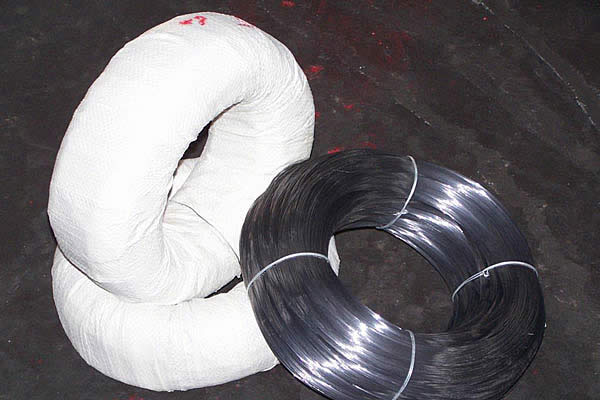
Figure 1: Illustration of a manufacturing stage for black iron mesh.
Technical Specifications and Performance Parameters
Understanding the precise technical specifications of black iron mesh is paramount for engineers and procurement managers to ensure material suitability for specific applications. Key parameters include wire gauge, mesh opening, tensile strength, and material composition. The annealing process is particularly crucial as it dramatically alters the mechanical properties, specifically increasing ductility and reducing hardness, which is beneficial for fabrication and longevity in certain stress environments.
Typical Product Specification Table for Black Iron Wire Mesh
| Parameter |
Description / Range |
Unit / Standard |
| Material |
Low Carbon Steel (e.g., Q195, SAE 1006) |
ASTM A853 |
| Wire Diameter |
0.3 mm to 6.0 mm (Common: 0.8 mm to 3.0 mm) |
BWG (Birmingham Wire Gauge) or mm |
| Mesh Opening |
6 mm x 6 mm to 100 mm x 100 mm (Common: 1/4" to 2") |
mm or inches |
| Tensile Strength |
350 - 550 MPa (for soft annealed iron wire) |
MPa (Megapascals) |
| Elongation |
Typically 10% - 25% (post-annealing) |
% |
| Processing Method |
Welded or Woven |
N/A |
| Surface Treatment |
Black Oxide Layer (from annealing) |
N/A |
| Roll/Panel Width |
0.5 m to 2.0 m |
Meters |
| Roll/Panel Length |
15 m to 30 m (rolls), up to 6 m (panels) |
Meters |
The service life of black iron mesh can vary significantly based on environmental conditions and the specific application. In sheltered or dry environments, it can last for decades. In outdoor, exposed conditions, its lifespan may range from 5 to 15 years, depending on factors such as humidity, exposure to corrosive agents, and mechanical stresses. For extended longevity in harsh environments, additional coatings are often recommended, moving beyond the scope of a purely "black iron" finish.
Key Technical Advantages and Value Proposition
The strategic deployment of black iron mesh offers a multitude of technical advantages that contribute to its widespread adoption across demanding B2B sectors:
- Enhanced Ductility and Workability: The annealing process transforms rigid black iron wire into soft black iron wire, making the mesh exceptionally pliable. This allows for easier cutting, bending, and shaping on-site, reducing labor costs and fabrication time, particularly critical in complex construction or manufacturing scenarios.
- Cost-Effectiveness: Compared to stainless steel or heavily coated alternatives, black iron mesh offers a significantly lower upfront material cost, providing an economically attractive option for large-scale projects where budget constraints are a primary concern.
- Moderate Corrosion Resistance: While not fully rust-proof like stainless steel, the black oxide layer formed during annealing provides a basic level of protection against atmospheric corrosion, extending its service life in non-aggressive environments. This makes it suitable for interior applications or environments with controlled humidity.
- High Tensile Strength (Pre-annealing): The base material, low-carbon steel, possesses inherent strength, and while annealing reduces its hardness, the wire retains sufficient tensile strength to serve effectively in structural support, reinforcement, and fencing applications.
- Excellent Weldability: The low-carbon content and annealed state of the wire make black iron wire mesh highly amenable to welding, ensuring strong, reliable junctions for custom fabrications and installations.
- Energy Saving in Installation and Maintenance: Due to its ease of handling and fabrication, installation processes are less energy-intensive. Furthermore, its durability in appropriate applications translates to reduced frequency of replacement and maintenance, contributing to overall energy and resource savings over its lifecycle.
- Versatility in Application: Its adaptable mechanical properties allow its use across a broad spectrum of target industries, including but not limited to:
- Construction: Concrete reinforcement, plaster support, temporary fencing.
- Petrochemical: Support structures for insulation, light-duty filtration.
- Metallurgy: Screening, drying trays for certain materials.
- Water Supply & Drainage: Strainers, filter support in non-potable systems.
- Agriculture: Animal cages, crop protection, trellises.
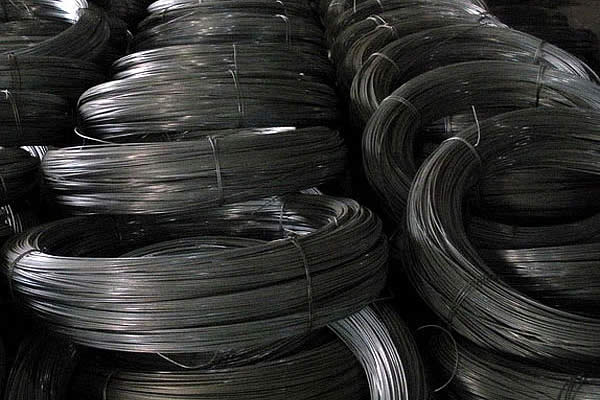
Figure 2: Applications benefiting from the ductility of black iron mesh.
Application Scenarios and Real-World Case Studies
The broad applicability of black iron mesh stems from its adaptable properties, making it a staple across numerous industries. Here, we explore specific usage scenarios and illustrate them with hypothetical yet realistic case studies.
Key Application Areas:
- Construction and Infrastructure: As reinforcement for concrete slabs, walls, and plasterwork. Used extensively for temporary fencing on construction sites, offering both security and debris containment.
- Agricultural Sector: Fabrication of animal cages (chicken coops, rabbit hutches), protection barriers for crops against pests, and support for climbing plants. The softness of soft black iron wire makes it ideal for animal enclosures, minimizing injury risk.
- Industrial Facilities: Used in various non-corrosive industrial environments for segregation, machine guarding, light-duty filtration (e.g., air filters), and support for insulation materials in industrial pipelines and vessels.
- Security Fencing: For cost-effective perimeter security in non-coastal or low-corrosion environments for warehouses, factories, and commercial properties.
- Crafts and Decorative Uses: Its malleable nature and distinct dark finish also lend it to artistic and decorative applications.
Case Study: Large-Scale Industrial Perimeter Security Upgrade
Client: A leading logistics hub in the Midwest, USA.
Challenge: The client required a durable, cost-effective, and quickly deployable perimeter fencing solution for a 50-acre expansion project. The site was located in an inland region with moderate weather, so extreme corrosion resistance (like stainless steel) was deemed an over-specification, but a robust physical barrier was essential.
Solution: We supplied 50,000 linear meters of 2.5 mm wire diameter black iron mesh with a 50mm x 50mm opening, provided in 2-meter high rolls. The mesh was made from black annealed iron wire, ensuring sufficient strength while being easy to manipulate during installation. The installation team found the mesh easy to cut and secure to existing posts, significantly accelerating the project timeline.
Outcome: The project was completed 15% under budget for materials and 10% ahead of schedule due to the ease of working with the soft black iron wire mesh. The client reported excellent security performance and satisfaction with the material's durability over the initial 3 years of operation, confirming the suitability of black iron mesh for this application. The initial cost savings were substantial, allowing the client to allocate resources to other critical aspects of the expansion.
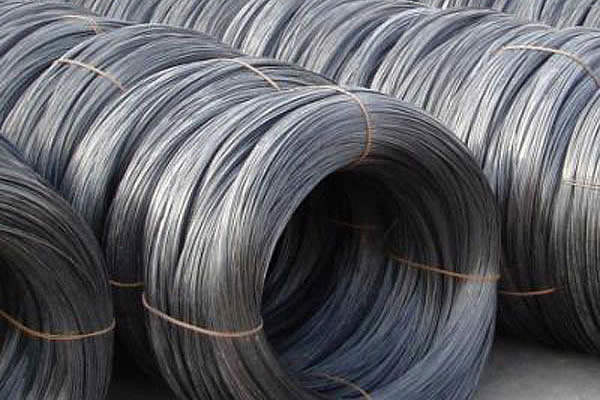
Figure 3: Black iron mesh in a typical industrial application setting.
Customer Feedback Integration: A consistent theme in feedback from our construction sector clients highlights the "unmatched flexibility" and "significant ease of installation" provided by our soft annealed iron wire mesh, leading to reduced project timelines and labor costs on site. This echoes the value proposition of choosing carefully processed black iron products.
Customized Solutions for Diverse Industrial Requirements
Recognizing that off-the-shelf solutions may not always meet the unique demands of every industrial project, leading suppliers offer extensive customization capabilities for black iron mesh. This flexibility ensures that clients receive a product perfectly tailored to their specific technical, operational, and budgetary requirements.
Key Customization Options:
- Wire Diameter: Available in a wide range of gauges, from fine 0.3mm wires suitable for light filtration or pest control to heavy-duty 6.0mm wires for robust security fencing or concrete reinforcement.
- Mesh Opening (Aperture Size): The size and shape of the mesh openings can be precisely specified, ranging from tight, fine meshes for sifting and separation to large, open meshes for heavy-duty guarding or support structures. Square and rectangular openings are most common, but custom patterns may also be available.
- Roll/Panel Dimensions: Lengths and widths of rolls or panels can be custom-fabricated to minimize waste and optimize installation efficiency on large projects. This includes extra-wide rolls for expansive fencing or custom-sized panels for specific structural integrations.
- Processing Method: Choice between woven and welded mesh, depending on the application's rigidity and flexibility requirements. Welded mesh offers superior structural integrity, while woven mesh provides more adaptability.
- Material Grade Variation: While primarily using low-carbon steel, specific alloy compositions can be adjusted slightly during the initial wire production to fine-tune mechanical properties like tensile strength and ductility of the annealed iron wire.
- Packaging: Custom packaging solutions, including specific roll diameters, core types, or protective wrapping, can be arranged to facilitate easier handling, storage, and transportation for the client's logistical chain.
Working with an experienced manufacturer allows for a collaborative process where client-specific challenges are met with engineered solutions. This consultative approach ensures that the chosen black iron mesh product delivers optimal performance and value.
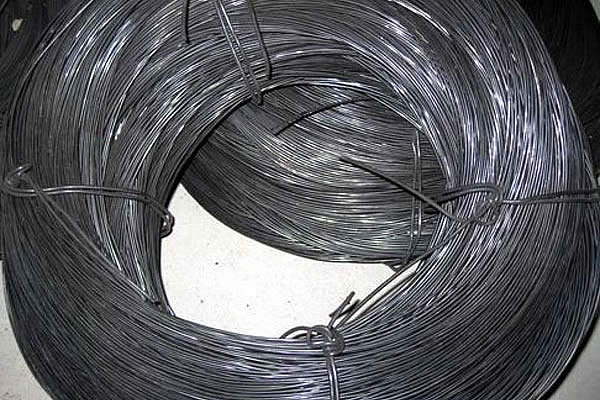
Figure 4: A versatile custom application of black iron mesh.
Vendor Comparison and Selection Criteria for Black Iron Mesh Suppliers
Selecting the right vendor for black iron mesh is a strategic decision that impacts project timelines, costs, and overall product quality. A thorough evaluation based on several key criteria is essential for B2B decision-makers:
Key Vendor Selection Criteria:
- Quality Certifications & Compliance: Verify adherence to international quality management standards like ISO 9001. Look for compliance with material standards such as ASTM A853 for black iron wire products.
- Manufacturing Expertise and Experience: A vendor with a proven track record (e.g., 10+ years in service) in producing black iron mesh demonstrates deep understanding of material science, annealing processes, and quality control.
- Production Capacity and Lead Times: Assess the vendor's capability to meet bulk orders and their typical lead times for both standard and customized products. Reliable on-time delivery is crucial for project scheduling.
- Customization Capabilities: A vendor who can offer tailored wire diameters, mesh sizes, roll/panel dimensions, and specific annealing parameters for soft annealed iron wire indicates a high degree of flexibility and problem-solving capacity.
- Technical Support and After-Sales Service: Evaluate the availability of technical consultants who can assist with product selection, application guidance, and troubleshoot potential issues. Strong after-sales support builds long-term trust.
- Pricing and Value: While cost-effectiveness is a hallmark of black iron mesh, compare pricing across vendors considering total cost of ownership, including quality, reliability, and support.
- References and Client Portfolio: Request references or review their list of partner clients to gauge their reputation and experience with similar industrial projects.
Comparative Analysis Example (Illustrative)
Below is a hypothetical comparison table highlighting key differentiators between various types of black iron wire mesh products, emphasizing the importance of detailed specifications.
| Feature/Product Type |
Standard Black Iron Mesh (Welded) |
Soft Annealed Iron Mesh (Woven) |
Heavy Gauge Black Iron Mesh |
| Primary Application |
General fencing, light reinforcement |
Animal cages, plaster support, crafts |
Security fencing, concrete reinforcement |
| Wire Diameter Range |
1.0 mm - 2.5 mm |
0.6 mm - 1.5 mm |
3.0 mm - 6.0 mm |
| Mesh Opening |
1/2" to 2" square |
1/4" to 1" square/rectangular |
1" to 4" square |
| Ductility / Flexibility |
Moderate |
High (due to extra annealing) |
Low to Moderate (due to gauge) |
| Structural Rigidity |
High (welded intersections) |
Flexible (woven) |
Very High |
| Cost-Effectiveness |
High |
Moderate (specialized annealing) |
Moderate (material volume) |
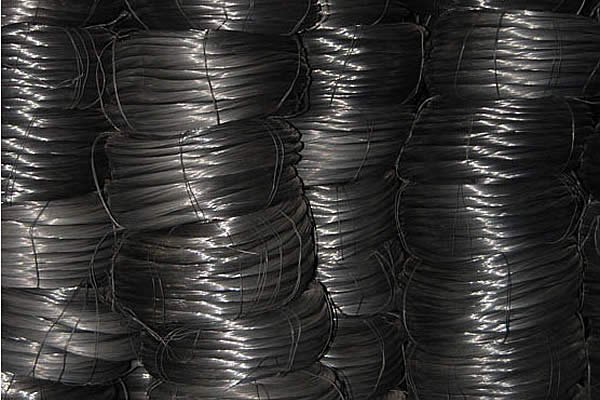
Figure 5: Different grades of black iron mesh awaiting inspection.
Ensuring Quality and Reliability: Certifications and Trust
For B2B clients, trust is built on verifiable quality and consistent performance. Suppliers of black iron mesh must demonstrate adherence to international standards and possess robust quality assurance protocols.
Authoritative References and Certifications:
- ISO 9001:2015 Certification: This widely recognized standard for Quality Management Systems ensures that a vendor consistently provides products and services that meet customer and regulatory requirements, and aims to enhance customer satisfaction.
- ASTM International Standards: Compliance with specific ASTM standards (e.g., ASTM A853 for black iron wire) signifies that the material properties, manufacturing processes, and testing procedures meet industry-accepted benchmarks for quality and safety.
- CE Marking: For products destined for the European market, CE marking indicates conformity with health, safety, and environmental protection standards.
- Internal Test Data: Reputable manufacturers provide comprehensive test reports, including tensile strength, elongation, wire diameter tolerance, and mesh opening accuracy, conducted by in-house or third-party laboratories.
- Partner Client Testimonials & Longevity: Years of successful service (e.g., over 20 years in the industry) and a strong portfolio of satisfied global clients, including multinational corporations, serve as powerful indicators of reliability and experience.
Trustworthiness through Transparency:
Frequently Asked Questions (FAQ):
- Q: What is the primary difference between black iron mesh and galvanized mesh?
A: Black iron mesh is made from annealed low-carbon steel wire with a natural black oxide layer from the annealing process, offering moderate corrosion resistance. Galvanized mesh is typically black iron wire coated with a layer of zinc, providing superior corrosion protection, especially in outdoor or humid environments.
- Q: Can black iron mesh be used for outdoor applications?
A: It can, but its lifespan will be shorter compared to galvanized or PVC-coated mesh due to limited corrosion resistance. It is best suited for sheltered outdoor areas or applications where regular replacement is acceptable.
- Q: How does annealing improve the wire?
A: Annealing softens the hard-drawn black iron wire by re-crystallizing its internal structure, significantly increasing its ductility and flexibility. This makes the soft annealed iron wire easier to bend, cut, and weave without breaking, which is crucial for mesh fabrication and subsequent installation.
- Q: What are the typical lead times for bulk orders?
A: Lead times vary based on order volume, customization requirements, and current production schedules. For standard products, typical lead times range from 7-14 business days. Customized or large-volume orders may require 3-5 weeks. Exact timelines are provided upon quotation.
- Q: What warranty is offered for black iron mesh?
A: We typically offer a standard 1-year limited warranty against manufacturing defects for our black iron mesh products, provided they are used in accordance with recommended application guidelines and not subjected to inappropriate environmental conditions. Extended warranties may be available for specific project scales or material grades upon request.
Customer Support and Fulfillment:
Our commitment extends beyond product delivery. We offer comprehensive customer support, including pre-sales technical consultation to assist with material selection and specification, and dedicated after-sales service for any queries or support needs post-purchase. Our logistics team works diligently to ensure efficient lead times and reliable fulfillment, with global shipping capabilities and tracking for every order.
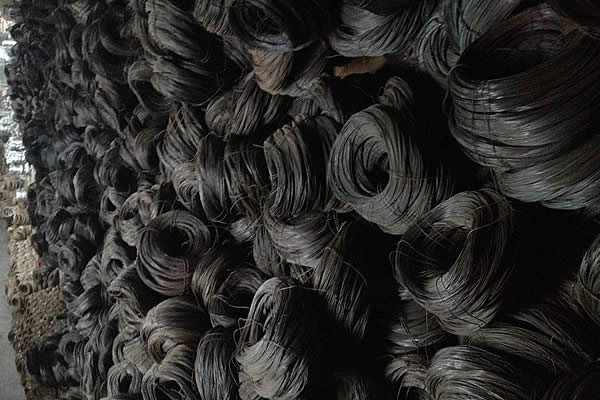
Figure 6: Rigorous quality control measures applied to black iron mesh production.
Conclusion: The Enduring Value of Black Iron Mesh
The strategic importance of black iron mesh in the B2B sector cannot be overstated. Its unique combination of ductility, strength, cost-effectiveness, and adaptability—primarily stemming from the precision of its manufacturing and annealing processes—makes it an indispensable material for a vast array of industrial and commercial applications. From robust construction reinforcement to flexible agricultural enclosures, and critical industrial filtration to secure perimeter solutions, black iron mesh continues to deliver tangible value. For decision-makers and engineers seeking reliable, economically viable solutions without compromising on essential performance parameters, choosing a high-quality black iron mesh supplier who adheres to stringent quality controls and offers comprehensive support is a strategic imperative for long-term project success and operational excellence.
References
- ASM Handbook, Volume 1: Properties and Selection: Irons, Steels, and High-Performance Alloys. ASM International, 1990.
- ASTM A853/A853M-18, Standard Specification for Steel Wire, Carbon, for General Use. ASTM International, West Conshohocken, PA, 2018.
- International Organization for Standardization. ISO 9001:2015 Quality management systems – Requirements. ISO, Geneva, 2015.
- Metals Handbook, Desk Edition. ASM International, 1997.
 TEL:
+86-13102802206
TEL:
+86-13102802206
 Email:
fencenetting@china.com
Email:
fencenetting@china.com
 Language