Hebei Tengyuan Wire Mesh Products Co.,Ltd
0%

Table of Contents

Commercial chain link fence supply is a critical component in a vast array of applications, from securing industrial properties and construction sites to providing perimeter security for schools, parks, and residential areas. The demand for robust and reliable fencing solutions continues to grow globally, driven by increasing concerns for safety, security, and property protection. Understanding the nuances of commercial chain link fence supply – including material quality, installation techniques, and regulatory compliance – is essential for businesses and organizations seeking effective and long-lasting security solutions.

The global market for chain link fencing is substantial, with significant growth projected in developing economies due to infrastructure expansion and rising security needs. According to industry reports, the chain link fence market is expected to reach [insert statistic here] by [year], demonstrating the continuing importance of this fundamental security measure. This demand is fueled by factors such as urbanization, increasing crime rates, and a growing emphasis on border control and perimeter protection. Effective commercial chain link fence supply chains are vital for meeting this growing need efficiently and reliably.

Investing in quality commercial chain link fence supply ensures not only physical security but also contributes to a sense of safety and well-being within communities. Properly installed and maintained fencing can deter unauthorized access, protect valuable assets, and enhance overall security protocols. This makes it an essential investment for businesses, governments, and individuals alike who prioritize safety and security.
Comprehensive Commercial Chain Link Fence Supply for Robust Security Solutions

Introduction to commercial chain link fence supply

Comprehensive Commercial Chain Link Fence Supply for Robust Security Solutions

Commercial chain link fence supply encompasses the entire process of sourcing, manufacturing, distributing, and installing chain link fencing systems for non-residential applications. This includes everything from raw material procurement to final site installation and post-installation maintenance. A reliable and efficient supply chain is critical for ensuring timely delivery of high-quality fencing solutions to meet diverse customer needs.

The importance of a streamlined commercial chain link fence supply process cannot be overstated. Delays in delivery or substandard materials can lead to project delays, increased costs, and compromised security. Therefore, businesses require trusted suppliers who can consistently deliver quality products on time and within budget. commercial chain link fence supply focuses on providing such reliable solutions.

Defining commercial chain link fence supply

Commercial chain link fence supply refers to the provision of chain link fencing materials specifically intended for use in business, industrial, governmental, and institutional settings. Unlike residential fencing, commercial applications often require higher levels of durability, security, and compliance with specific building codes and safety regulations. This necessitates specialized materials, manufacturing processes, and installation expertise.

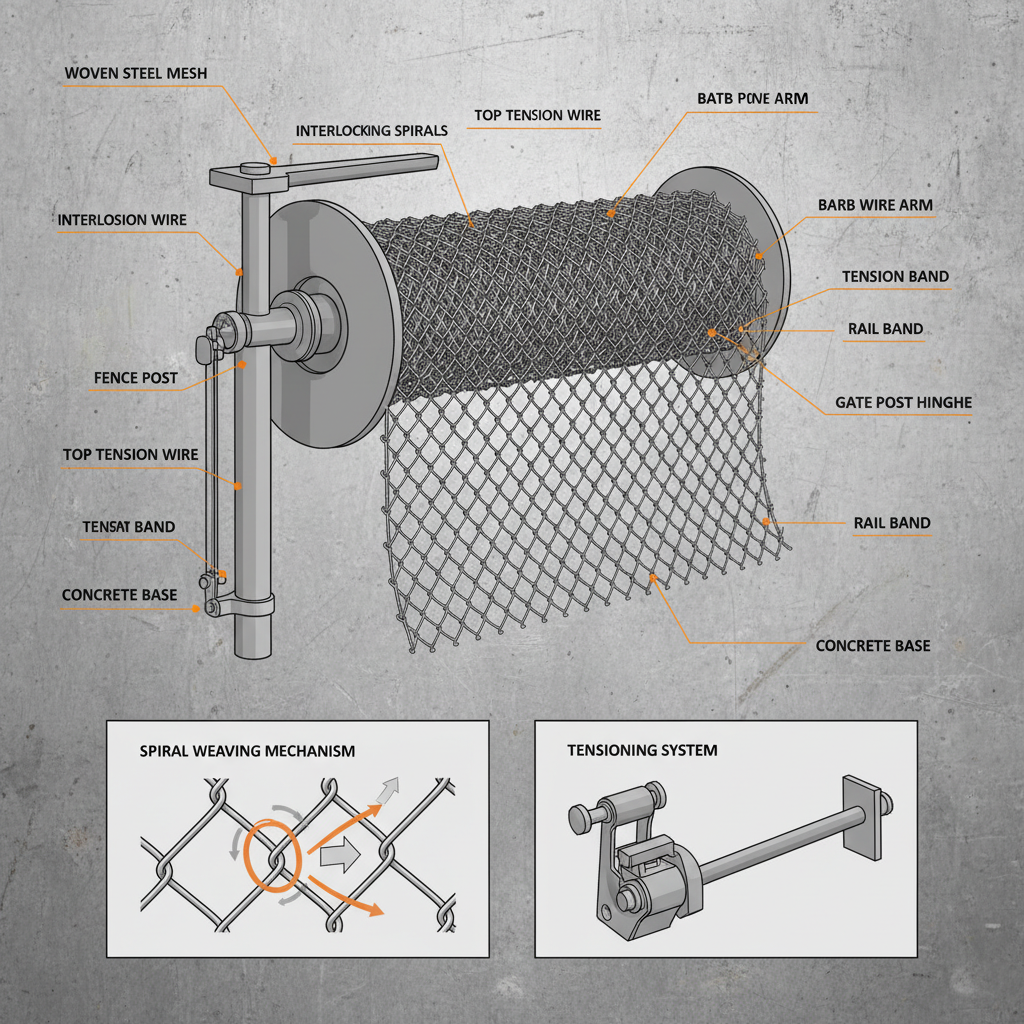
The scope of commercial chain link fence supply extends beyond simply providing the fence fabric itself. It includes posts, rails, gates, fittings, tension bands, brace bands, and all necessary hardware for a complete and functional fencing system. Often, suppliers offer installation services or collaborate with qualified installers to ensure proper setup and long-term performance.

This type of supply directly supports critical infrastructure, contributing to public safety and economic stability. From protecting power plants and water treatment facilities to securing airports and transportation hubs, a robust commercial chain link fence supply chain is fundamental to maintaining operational integrity and preventing unauthorized access.

Key Characteristics of Quality Fencing

Durability is paramount in commercial chain link fence supply. Fencing materials must withstand harsh weather conditions, resist corrosion, and maintain their structural integrity over extended periods. Galvanized steel is a common choice, providing excellent corrosion resistance, but options like powder coating and PVC coating further enhance durability and aesthetic appeal.

Security is another critical aspect. Chain link gauge (wire thickness) and mesh size directly impact the fence's resistance to cutting and climbing. Higher gauges and smaller mesh sizes provide greater security. Additional security features, such as barbed wire or razor wire attachments, can be added to deter intruders.

Compliance with relevant industry standards and regulations is non-negotiable. Commercial chain link fence supply must adhere to standards set by organizations like ASTM International to ensure consistent quality and performance. Local building codes and permitting requirements must also be strictly followed.

Core Components of the Supply Chain

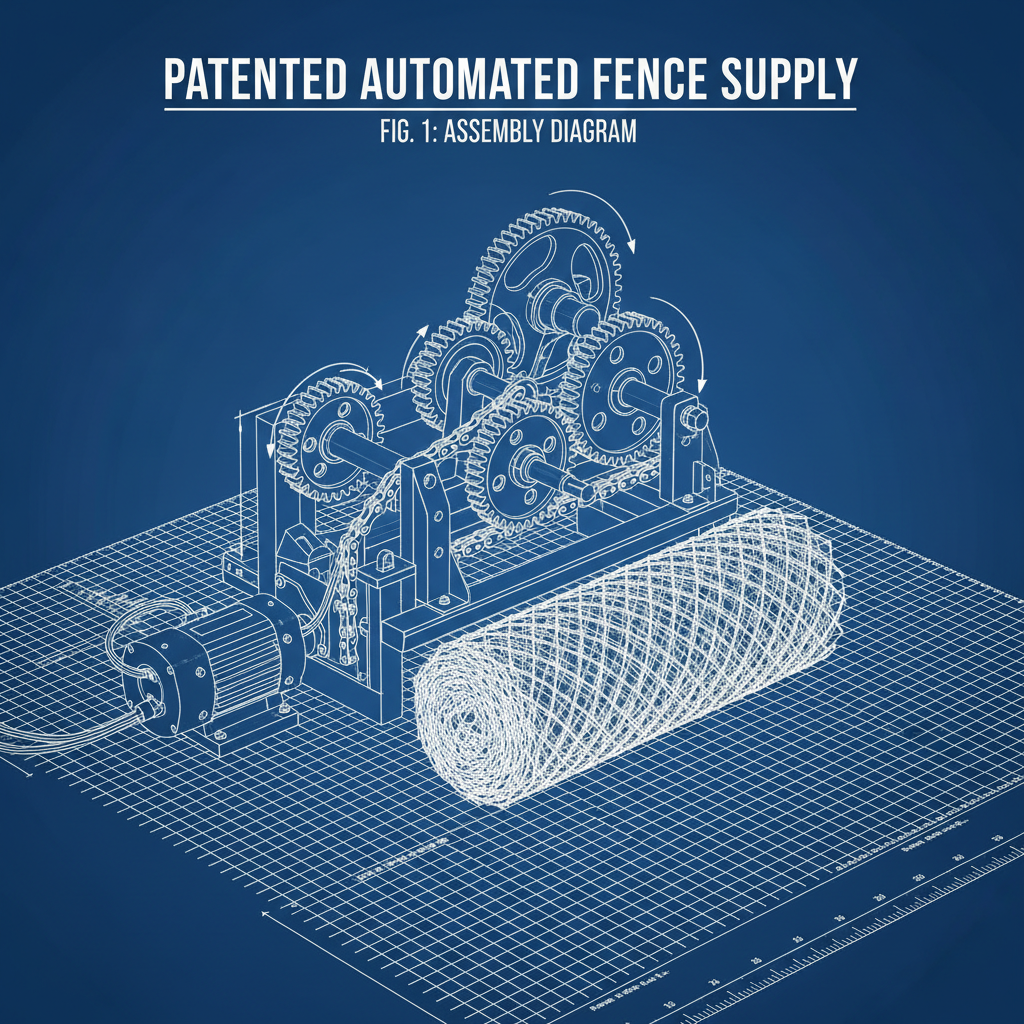
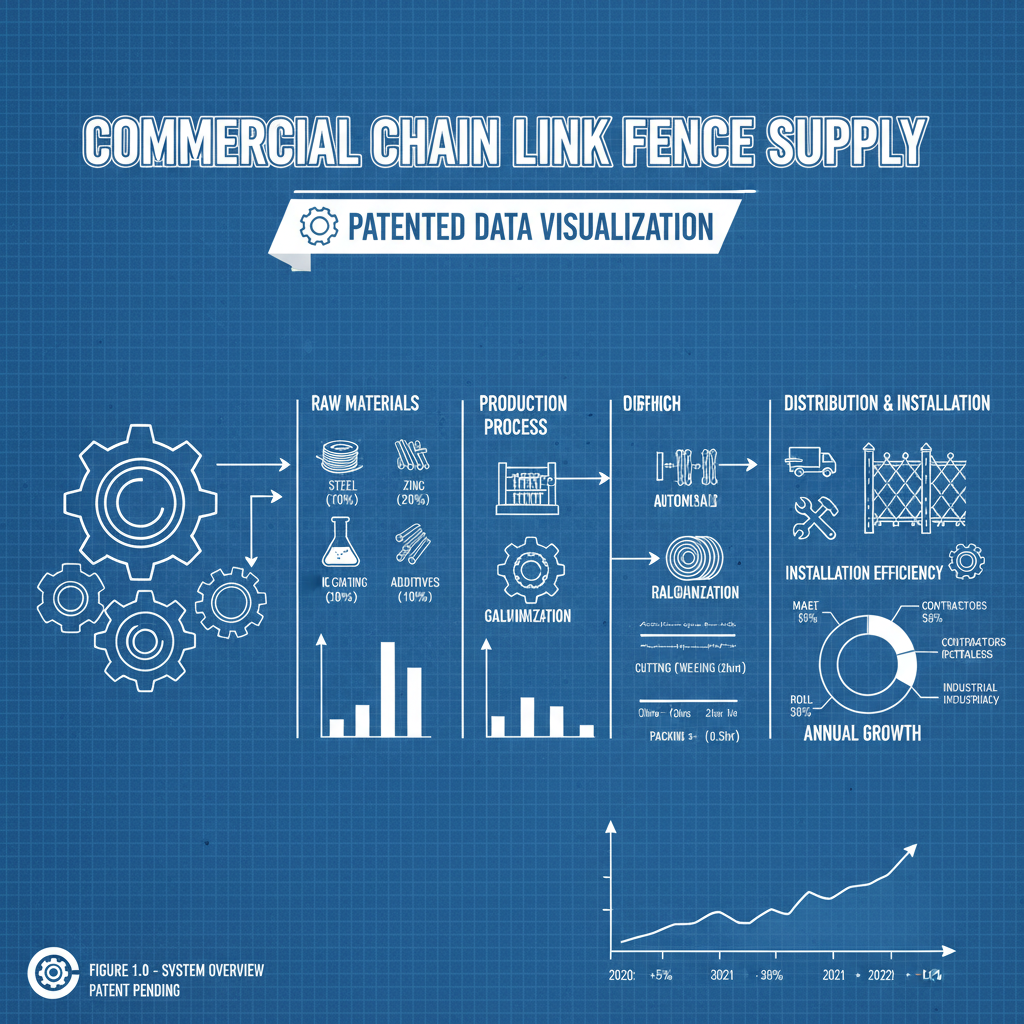
The commercial chain link fence supply chain begins with raw material sourcing, primarily steel. Suppliers establish relationships with reputable steel mills to ensure a consistent supply of high-quality materials. Manufacturing processes then transform the raw steel into chain link fabric, posts, and other components.

Distribution networks play a crucial role in getting the finished products to customers. This often involves a combination of direct sales, wholesale distributors, and retail outlets. Efficient logistics and inventory management are essential for minimizing lead times and meeting fluctuating demand. commercial chain link fence supply streamlines this process.

Chain Link Fence Supply Chain Efficiency


Global Applications and Diverse Use Cases

Commercial chain link fences are ubiquitous in industrial and commercial settings. They secure factories, warehouses, power plants, and other critical infrastructure facilities, protecting valuable assets and preventing unauthorized access. They are also commonly used around construction sites to deter theft and vandalism.

In the public sector, chain link fencing is frequently employed to enclose schools, parks, recreational areas, and government buildings. It provides a cost-effective and reliable perimeter security solution for these public spaces. Furthermore, chain link fencing plays a vital role in border security applications, providing a physical barrier to control movement and prevent illegal crossings.

Advantages and Long-Term Value Proposition

The cost-effectiveness of commercial chain link fencing is a significant advantage. Compared to other fencing materials, such as wrought iron or aluminum, chain link offers a robust security solution at a lower price point. This makes it an attractive option for businesses and organizations operating on a limited budget.

Beyond cost savings, chain link fencing provides long-term durability and minimal maintenance requirements. With proper installation and occasional maintenance, a chain link fence can last for decades, providing years of reliable security. This translates to a substantial return on investment over the lifespan of the fence.

Future Trends in Commercial Chain Link Fencing

Innovations in coating technologies are enhancing the durability and aesthetic appeal of chain link fencing. New powder coating formulations offer improved corrosion resistance and a wider range of color options, allowing for greater customization. The integration of smart technology, such as sensors and alarms, is also emerging, providing enhanced security features and remote monitoring capabilities.

Sustainable manufacturing practices are gaining prominence in the industry. Manufacturers are increasingly adopting eco-friendly production processes and utilizing recycled materials to minimize their environmental impact. This aligns with the growing demand for sustainable building materials and responsible sourcing practices.

Summary of Factors Influencing Commercial Chain Link Fence Supply

Material Quality Supplier Reliability Installation Expertise Regulatory Compliance
Galvanization Level On-Time Delivery Rate Years of Experience ASTM Standards Adherence
Wire Gauge Financial Stability Certifications Held Local Building Code Compliance
Coating Type (PVC, Powder) Inventory Management Project Management Skills Permitting Assistance
Mesh Size Customer Support Safety Record Environmental Responsibility
Tensile Strength Supply Chain Transparency Warranty Provisions Quality Control Processes
Corrosion Resistance Geographic Coverage Post-Installation Support Material Traceability

FAQS

What is the typical lifespan of a commercially installed chain link fence?

The lifespan of a commercially installed chain link fence varies depending on the materials used, the environment, and maintenance practices. However, with proper galvanization, coating, and regular inspections, a chain link fence can easily last 20-30 years or more. Factors like coastal exposure or industrial pollutants can shorten this lifespan if preventive measures aren't taken.

What is the difference between galvanized and vinyl-coated chain link?

Galvanized chain link is coated with a layer of zinc to protect against rust and corrosion. Vinyl-coated chain link features an additional layer of PVC coating over the galvanization, providing even greater protection and a wider range of color options. Vinyl coating is more expensive but offers superior durability and aesthetics.

How often should a commercial chain link fence be inspected for maintenance?

It's recommended to inspect commercial chain link fences at least twice a year—spring and fall—for signs of damage, corrosion, or wear. Look for broken wires, loose fittings, bent posts, and deteriorating coatings. Addressing minor issues promptly can prevent them from escalating into more costly repairs.

Are there any local regulations regarding chain link fence height or placement?

Yes, most municipalities have regulations governing fence height, placement, and materials. These regulations vary by location, so it's essential to check with your local building department before installing a chain link fence. Requirements may address setbacks from property lines, maximum height limits, and permitted materials.

What security features can be added to a chain link fence?

Several security features can enhance the effectiveness of a chain link fence. These include barbed wire or razor wire attachments, privacy slats, security cameras, and electronic gate access systems. Combining these features creates a multi-layered security barrier.

What is the cost to install a commercial chain link fence per foot?

The cost per foot for commercial chain link fence installation can vary significantly based on factors like fence height, gauge of wire, coating type, terrain, and labor rates. As a general estimate, you can expect to pay between $15 and $30 per foot for materials and installation. Obtaining quotes from multiple suppliers is recommended.

Conclusion

In conclusion, commercial chain link fence supply remains a vital industry, providing essential security solutions for a wide range of applications. Its enduring popularity stems from its cost-effectiveness, durability, and versatility. By understanding the key characteristics of quality fencing, the nuances of the supply chain, and emerging trends, businesses and organizations can make informed decisions to protect their assets and ensure the safety of their communities.

Looking ahead, innovations in materials, coatings, and smart technology will continue to shape the future of commercial chain link fencing. Embracing these advancements and prioritizing sustainable practices will be crucial for meeting the evolving needs of the market and contributing to a more secure and environmentally responsible future. For reliable and high-quality commercial chain link fence supply, visit our website: www.tywiremesh.com.
David Chen

David Chen

David Chen serves as the Technical Director at Hebei Tengyuan. A seasoned engineer with a background in materials science, David oversees the quality control processes and product development initiatives. He’s instrumental in ensuring Tengyuan's products adhere to ISO9001:2008 and ISO 14000 standards, guaranteeing consistent quality and environmental responsibility. David focuses
Previous Comprehensive Guide to Chain Link Fencing Wholesale Suppliers and Procurement Strategies
Next Comprehensive Guide to Wholesale Black Chain Link Fence Solutions and Applications
gotop
Copyright © 2026 Hebei Tengyuan Wire Mesh Products Co.,Ltd All Rights Reserved. Sitemap | Privacy Policy | Top Blog