TEL:
+86-13102802206
TEL:
+86-13102802206
 Email:
fencenetting@china.com
Email:
fencenetting@china.com
 Language
TEL:
+86-13102802206
Email:
fencenetting@china.com
Language
Language
TEL:
+86-13102802206
Email:
fencenetting@china.com
Language


3 16 SS cable, often referred to as stainless steel cable, is a versatile and durable material used in a wide range of applications, from marine rigging to architectural projects. Its corrosion resistance, strength, and flexibility make it an excellent choice for demanding environments. This article will delve into the properties, applications, benefits, and considerations when selecting 3 16 ss cable. Understanding these aspects is crucial for ensuring optimal performance and longevity in your specific project. We’ll explore how this material stacks up against alternatives and why it’s become a staple in numerous industries.
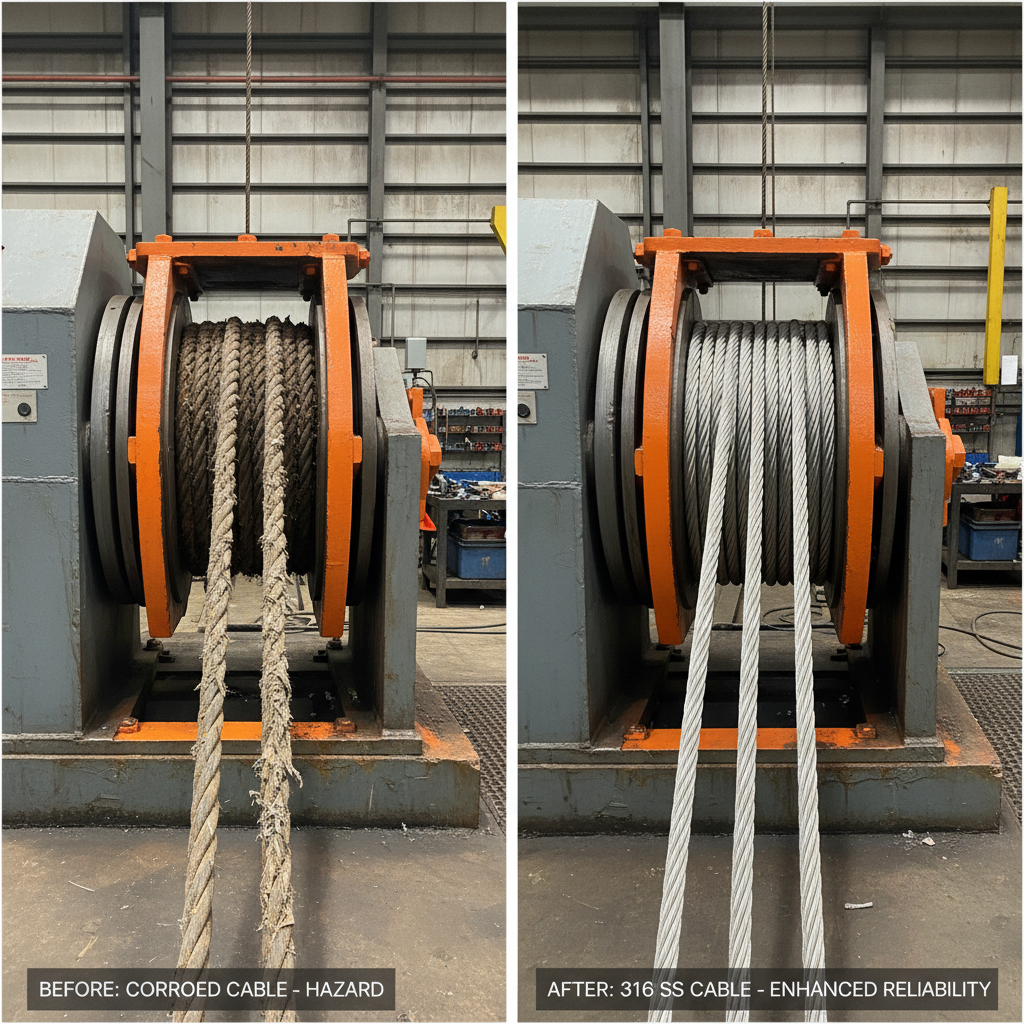
The designation "3 16" refers to the diameter of the cable, measuring 3/16 of an inch (approximately 4.76mm). "SS" stands for stainless steel, indicating the material composition. Stainless steel is an alloy of iron, chromium, and other elements, providing exceptional resistance to corrosion, rust, and staining. This inherent resistance makes 3 16 ss cable ideal for outdoor applications and environments exposed to moisture, chemicals, or salt water. The cable is typically constructed by stranding multiple wires together, providing a balance of strength and flexibility. The specific grade of stainless steel (e.g., 304, 316) determines its level of corrosion resistance, with 316 offering superior protection in harsh marine environments.
Key Highlights: Stainless steel cable offers a superior alternative to galvanized steel in corrosive environments, providing a longer lifespan and reduced maintenance. Its flexibility allows for a wider range of applications compared to rigid materials.
The applications for 3 16 ss cable are incredibly diverse. Common uses include: marine rigging (standing rigging, lifelines), architectural cable railings, wire rope barriers, security fencing, clotheslines, lock cables, and suspension systems. It’s a popular choice in boating and sailing due to its resistance to saltwater corrosion. In architectural applications, it provides a sleek and modern aesthetic while offering robust support. Furthermore, it’s utilized in industrial settings for lifting and securing loads. Its versatility extends to residential uses, providing a durable and attractive solution for various needs.
Common Application Areas:
• Marine Rigging
• Architectural Railings
• Security Fencing
• Industrial Lifting
When considering materials for cabling solutions, 3 16 ss cable often stacks up favorably against alternatives like galvanized steel, nylon rope, and aluminum. Galvanized steel is less expensive initially, but prone to rust, especially in marine environments. Nylon rope lacks the strength and rigidity needed for many applications. Aluminum is lightweight but lacks the tensile strength of stainless steel. The longevity and minimal maintenance requirements of stainless steel often make it the most cost-effective choice in the long run, despite the higher upfront cost.
Stainless steel comes in various grades, with 304 and 316 being the most common. 304 stainless steel provides excellent corrosion resistance in general environments. However, for marine applications or areas exposed to chlorides (like de-icing salts), 316 stainless steel is recommended. The addition of molybdenum in 316 significantly enhances its resistance to pitting and crevice corrosion. Choosing the appropriate grade is essential to ensure long-term durability and prevent premature failure. TY Wire Mesh offers both 304 and 316 options to meet diverse project requirements.
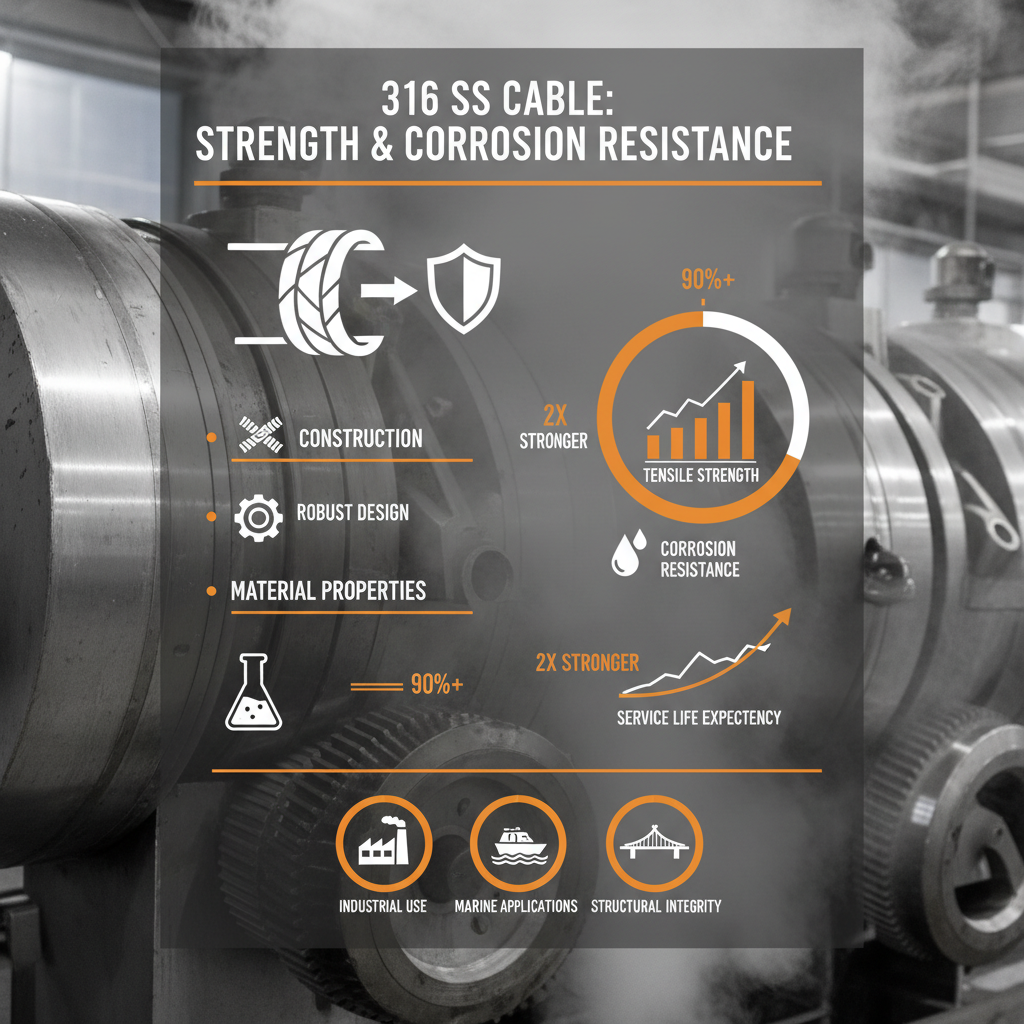
3 16 ss cable offers a compelling combination of strength, corrosion resistance, and versatility. Whether you’re working on a marine project, an architectural installation, or an industrial application, this material provides a reliable and long-lasting solution. By carefully considering the grade of stainless steel and selecting a reputable supplier like TY Wire Mesh, you can ensure optimal performance and peace of mind.
The breaking strength of 3 16 ss cable varies depending on the grade of stainless steel and the construction of the cable (e.g., 7x19 strand, 6x37 strand). Generally, a 3/16 inch stainless steel cable can have a breaking strength ranging from 1,200 lbs to 2,200 lbs. It's crucial to consult the manufacturer's specifications for the exact breaking strength of the cable you are using, as this information is vital for safe and reliable applications. Always factor in a safety margin when calculating load limits.
Cutting stainless steel cable requires specialized tools to avoid fraying and damage. Do not use conventional wire cutters. A hydraulic cable cutter, a dedicated stainless steel cable cutter, or an abrasive cut-off wheel are recommended. After cutting, the cable ends should be swaged or fitted with appropriate terminals (e.g., thimbles, turnbuckles) to prevent unraveling and maintain its strength. Proper termination is essential for a secure and reliable connection.
While both 304 and 316 stainless steel offer excellent corrosion resistance, 316 contains molybdenum, which significantly enhances its resistance to chloride corrosion. This makes 316 ideal for marine environments, coastal areas, and applications where exposure to de-icing salts is common. 316 is also more resistant to pitting and crevice corrosion, extending its lifespan in harsh conditions. While 304 is suitable for many general applications, 316 provides superior protection in aggressive environments.
TY Wire Mesh is a trusted supplier of high-quality 3 16 ss cable in both 304 and 316 grades. We offer a wide range of sizes and constructions to meet your specific needs, along with expert advice and competitive pricing. Contact us today to discuss your project requirements and receive a quote.