TEL:
+86-13102802206
TEL:
+86-13102802206
 Email:
fencenetting@china.com
Email:
fencenetting@china.com
 Language
TEL:
+86-13102802206
Email:
fencenetting@china.com
Language
Language
TEL:
+86-13102802206
Email:
fencenetting@china.com
Language


When it comes to securing loads, constructing rigging systems, or implementing safety measures, the right wire rope is essential. 3 16 stainless wire rope stands out as a versatile and durable option for a variety of applications. This article will delve into the characteristics, benefits, applications, and crucial considerations when choosing this specific type of wire rope. Understanding its properties and uses is vital for ensuring safety and efficiency in your projects.
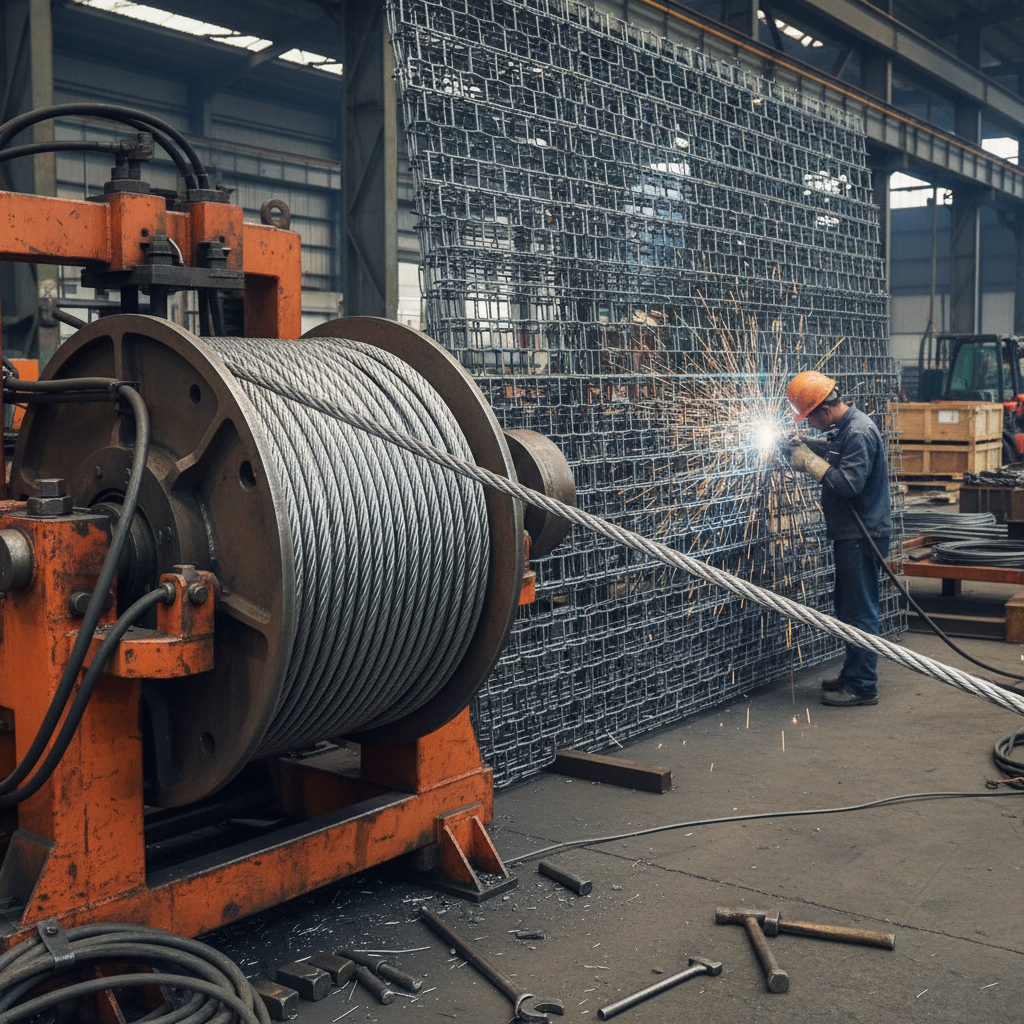
The designation “3 16” refers to the diameter of the wire rope, measuring 3/16 of an inch or approximately 4.76mm. Stainless steel wire rope is constructed by twisting together multiple strands of stainless steel wire. This construction provides significant strength and flexibility. The “stainless” aspect is crucial: the addition of chromium creates a passive layer of protection, preventing rust and corrosion. This makes it ideally suited for environments exposed to moisture, chemicals, or harsh weather conditions. At TY Wire Mesh, we offer high-quality 3/16 stainless steel wire rope to meet a wide range of industrial and commercial needs.
Key Highlights: Stainless steel construction provides exceptional corrosion resistance, making it perfect for marine, chemical, and outdoor applications. 3/16 inch diameter offers a balance between strength and flexibility.
The versatility of 3 16 stainless wire rope allows for a broad spectrum of applications. Common uses include: marine rigging (boat lifts, sailboat control lines), architectural applications (cable railings, security cables), industrial lifting (slings, hoists), chemical processing (support and control lines), and general-purpose securing and fastening. Its resistance to corrosion is especially critical in marine environments, preventing weakening and failure. Its aesthetic appeal also makes it suitable for visible architectural features where a clean, modern look is desired.
Application Areas:
• Marine Rigging & Boat Lifts
• Architectural Cable Railings
• Industrial Lifting & Slings
• Chemical Processing & Support
While various wire rope materials exist, stainless steel distinguishes itself through its corrosion resistance. Galvanized steel wire rope offers some corrosion protection but is susceptible to rust over time, particularly in saltwater environments. Carbon steel wire rope, lacking any significant corrosion protection, requires regular maintenance and isn’t suitable for outdoor or corrosive environments. 3 16 stainless wire rope offers a long-term solution with minimal maintenance, making it a cost-effective choice despite its slightly higher initial price.
Selecting the right 3 16 stainless wire rope requires careful consideration of several factors. The load capacity is paramount – ensure the rope’s breaking strength exceeds the maximum load it will bear. Consider the construction type (e.g., 7x7, 6x19) as it affects flexibility and strength. The environment also plays a role; while stainless steel is corrosion-resistant, specific grades offer varying levels of protection. Always adhere to safety guidelines and consult with a rigging professional to ensure proper selection and installation. At TY Wire Mesh, we can assist you in determining the best rope for your specific needs.
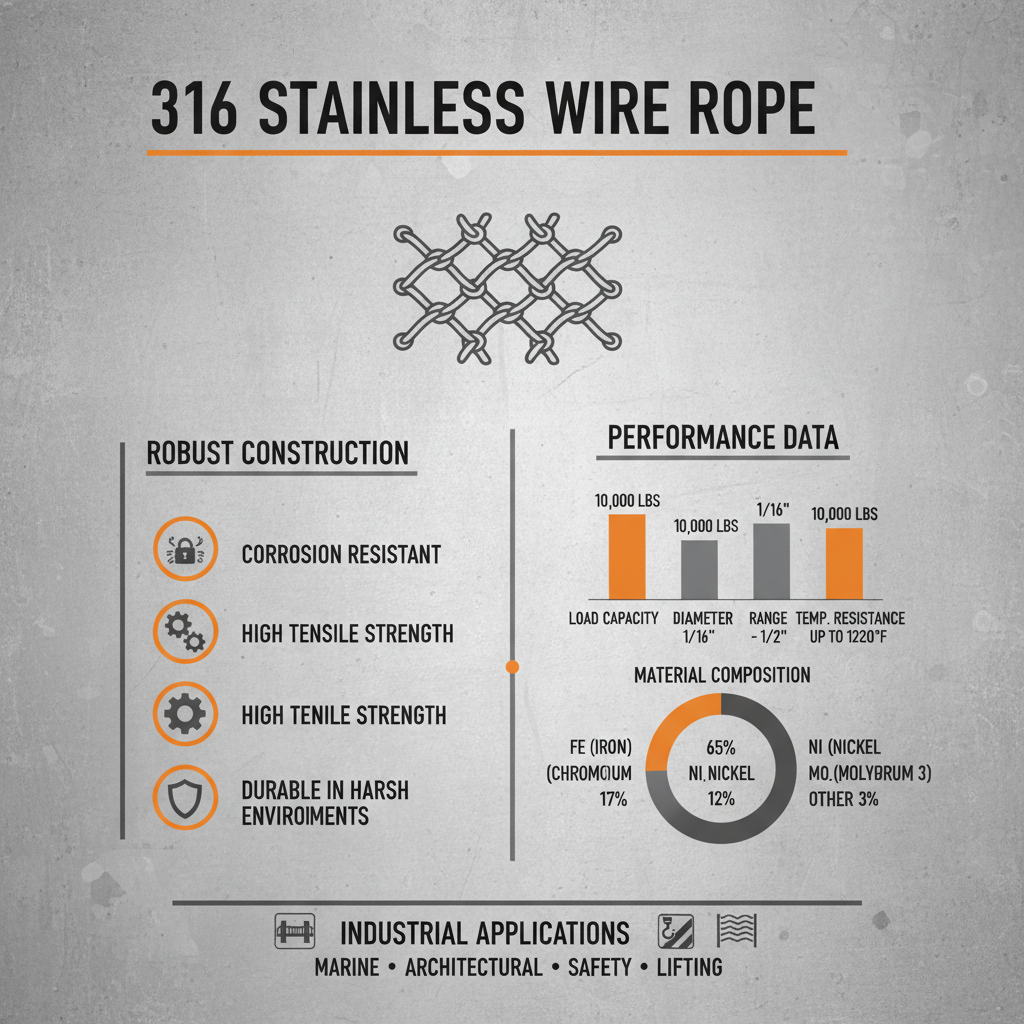
Even with stainless steel's corrosion resistance, regular maintenance and inspection are critical. Visually inspect the rope for broken wires, kinks, corrosion, or deformation. Lubricate the rope periodically to maintain flexibility and reduce friction. Replace the rope immediately if any signs of damage are detected. Proper handling and storage, avoiding sharp bends and abrasive surfaces, will extend its lifespan. TY Wire Mesh offers guidance on proper wire rope maintenance to help ensure long-term performance and safety.
Selecting the appropriate 3 16 stainless wire rope is a crucial step in ensuring the safety and reliability of your projects. Its corrosion resistance, combined with its strength and flexibility, makes it an excellent choice for a diverse range of applications. By understanding its properties, applications, and maintenance requirements, you can make an informed decision and benefit from a long-lasting, high-performance solution.
The breaking strength of 3/16 stainless steel wire rope varies depending on its construction (e.g., 7x7, 6x19). Generally, it falls within the range of 1,100 to 1,500 pounds. It’s vital to consult the specific product data sheet from the manufacturer (like TY Wire Mesh) for the precise breaking strength of the rope you are considering. Remember to always use a safety factor when selecting wire rope for a particular application; never load the rope to its full breaking strength.
The construction of the wire rope impacts its flexibility and strength. 7x7 construction (7 strands of 7 wires each) offers greater flexibility, making it suitable for applications requiring tight bends and complex rigging. 6x19 construction (6 strands of 19 wires each) provides higher strength and abrasion resistance, ideal for heavy lifting and demanding environments. Consider the specific needs of your application – flexibility versus strength – to make the right choice. If unsure, consult with a rigging specialist at TY Wire Mesh.
Stainless steel offers significantly superior corrosion resistance in marine environments compared to galvanized steel. While galvanized steel provides a protective zinc coating, this coating eventually degrades, leading to rust and weakening of the rope. Stainless steel's chromium content forms a passive layer that prevents corrosion, ensuring long-term reliability and reducing the need for frequent replacement. This makes stainless steel a more cost-effective option in the long run, despite the higher initial investment.