TEL:
+86-13102802206
TEL:
+86-13102802206
 Email:
fencenetting@china.com
Email:
fencenetting@china.com
 Language
TEL:
+86-13102802206
Email:
fencenetting@china.com
Language
Language
TEL:
+86-13102802206
Email:
fencenetting@china.com
Language


4mm wire rope is a versatile and robust material used across a wide spectrum of industries, from marine applications and rigging to construction and beyond. Its strength, flexibility, and relatively lightweight nature make it an ideal choice for various lifting, pulling, and securing tasks. This article delves into the key characteristics of 4mm wire rope, its common applications, essential specifications, and how to choose the right rope for your specific needs. Explore how TY Wire Mesh provides high-quality 4mm wire rope solutions for diverse projects.
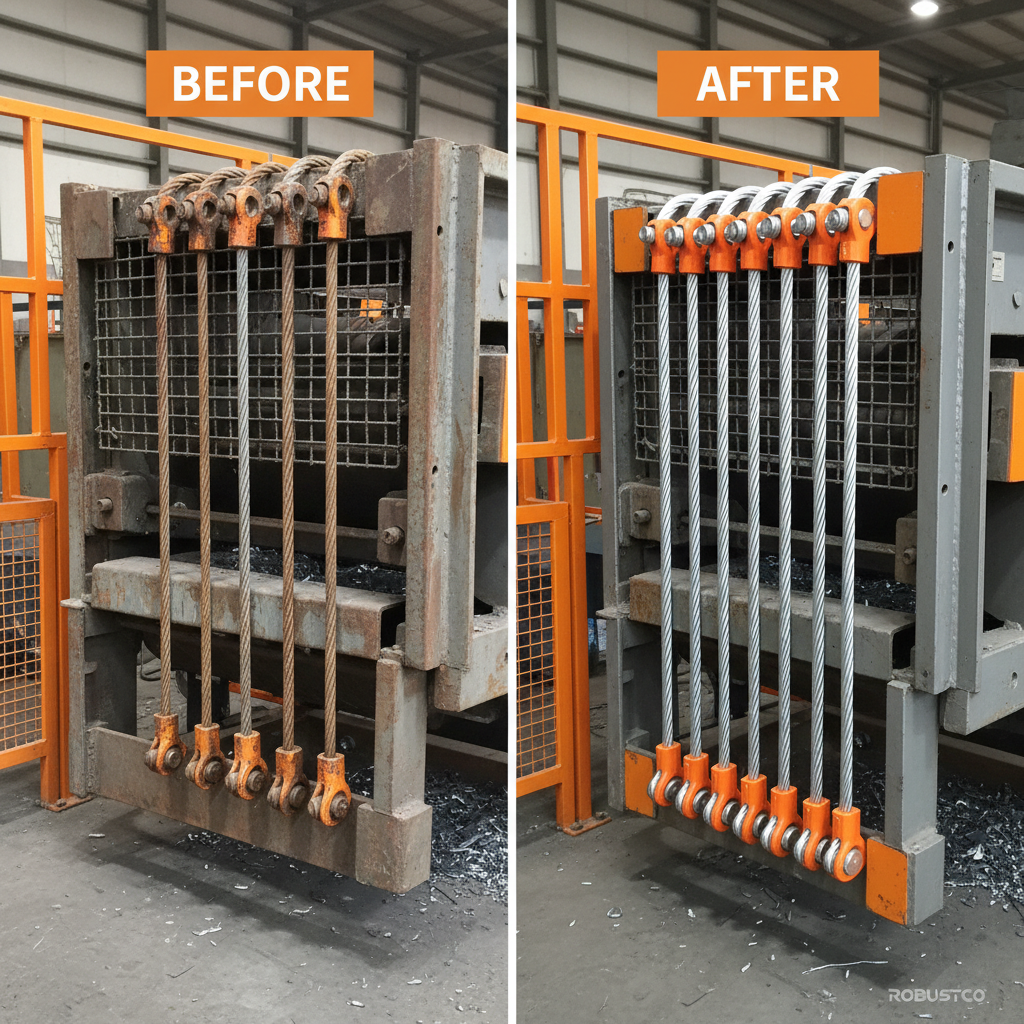
4mm wire rope refers to steel wire formed into strands, which are then laid into a rope. The '4mm' designation refers to the nominal diameter of the wire itself, not the overall rope diameter. This diameter strikes a balance between strength and flexibility, making it suitable for applications where a smaller, more manageable rope is required. Choosing 4mm wire rope offers several benefits, including high tensile strength, resistance to abrasion and corrosion (depending on the material), and relative ease of handling. It’s significantly stronger than natural fiber ropes of comparable size.
Key Advantages: High tensile strength, excellent abrasion resistance, flexibility, corrosion resistance (with appropriate coatings), and manageable weight.
The versatility of 4mm wire rope lends itself to a diverse range of applications. Some of the most common include:
Application Benefits:
• Versatility in various industries.
• High strength for demanding tasks.
• Durability and longevity.
• Relatively lightweight for easy handling.
Understanding the specifications of 4mm wire rope is crucial for selecting the correct type for your application. Key factors to consider include the rope’s construction, material, and breaking strength. The construction refers to the way the strands are laid together, with common constructions including 6x19, 6x36, and 8x19. These different constructions offer varying levels of flexibility and abrasion resistance. Materials typically include carbon steel, stainless steel, and galvanized steel. The breaking strength, measured in Newtons or pounds, indicates the maximum load the rope can withstand before failure.
Selecting the appropriate 4mm wire rope requires careful consideration of several factors. The intended application, the expected load, and the environmental conditions all play a role. For marine applications, stainless steel wire rope is highly recommended due to its superior corrosion resistance. For general construction and rigging, galvanized steel offers a good balance of strength and cost. Always ensure the rope’s breaking strength exceeds the maximum load it will be subjected to, and apply an appropriate safety factor. Consulting with a qualified rigging professional can help ensure you select the safest and most effective rope for your specific requirements. TY Wire Mesh offers expert advice to help you make the right decision.
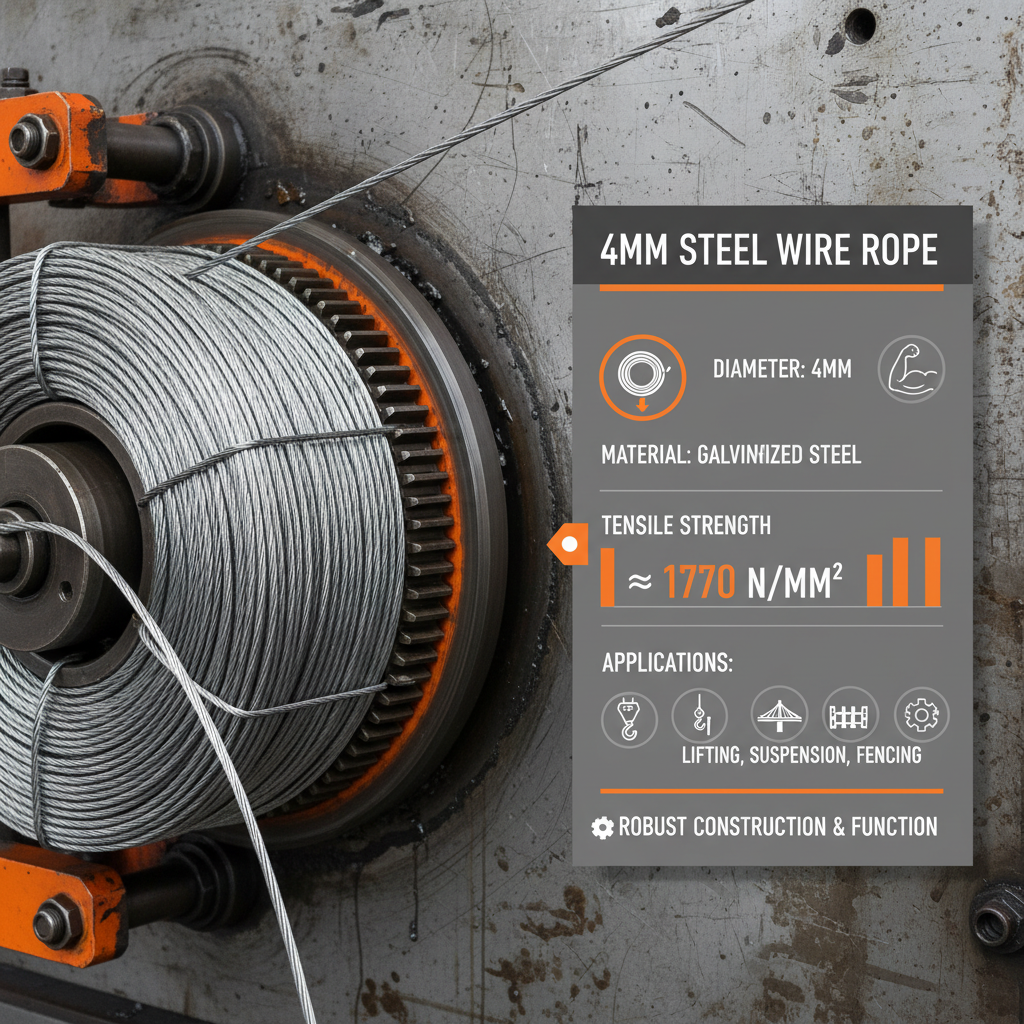
Working with wire rope requires adherence to strict safety protocols. Always inspect the rope for signs of damage, such as broken wires, kinks, or corrosion, before each use. Never exceed the rope’s working load limit. Use appropriate lifting hardware, such as shackles and clips, to secure the rope. Avoid sharp bends or abrasion that can weaken the rope. Wear appropriate personal protective equipment (PPE), including gloves and eye protection. Proper maintenance and storage are also essential for extending the life of the rope and ensuring its continued safety.
Investing in high-quality 4mm wire rope from a reputable supplier like TY Wire Mesh ensures you receive a durable, reliable, and safe product. By understanding the specifications, applications, and safety considerations outlined in this article, you can make informed decisions and maximize the performance of your wire rope. Prioritize safety and choose a product that meets your specific needs.
Galvanized steel wire rope has a zinc coating to protect against corrosion, making it suitable for general-purpose applications where moderate corrosion resistance is needed. Stainless steel wire rope offers superior corrosion resistance due to its chromium content, making it ideal for marine environments, chemical processing, and applications where exposure to harsh conditions is expected. Stainless steel is more expensive than galvanized steel but provides a longer lifespan in corrosive environments. Choosing the correct material depends on the specific environmental conditions and budget.
The safety factor is a ratio that determines the maximum working load limit (WLL) of the wire rope. A common safety factor for lifting applications is 5:1, meaning the rope’s breaking strength should be five times greater than the intended load. However, the appropriate safety factor can vary depending on the application, regulatory requirements, and the potential for shock loading. Always consult with a qualified rigging professional to determine the correct safety factor for your specific needs. A higher safety factor provides a greater margin of safety.
Proper storage is essential for maintaining the integrity and longevity of 4mm wire rope. Store the rope in a clean, dry environment, away from direct sunlight, chemicals, and extreme temperatures. Avoid storing the rope on the ground, as this can lead to corrosion and damage. Coil the rope neatly and securely to prevent kinks and twists. Regularly inspect the rope for signs of damage, even during storage. Consider using a rope storage bag to protect it from the elements.
TY Wire Mesh is a leading supplier of high-quality 4mm wire rope, offering a wide range of materials and constructions to meet your specific needs. We provide competitive pricing, expert advice, and reliable delivery. Contact us today to discuss your requirements and receive a quote.