TEL:
+86-13102802206
TEL:
+86-13102802206
 Email:
fencenetting@china.com
Email:
fencenetting@china.com
 Language
TEL:
+86-13102802206
Email:
fencenetting@china.com
Language
Language
TEL:
+86-13102802206
Email:
fencenetting@china.com
Language


When tackling projects requiring robust and reliable wire rope, understanding the specifications of your materials is crucial. 5 16 7x19 galvanized aircraft cable is a popular choice for a wide range of applications, offering an excellent balance of strength, flexibility, and corrosion resistance. This article will provide a detailed overview of this specific cable type, covering its construction, properties, common uses, and important considerations for selection. We’ll explore what makes this cable a superior choice for many demanding applications, ensuring you select the right product for your needs.
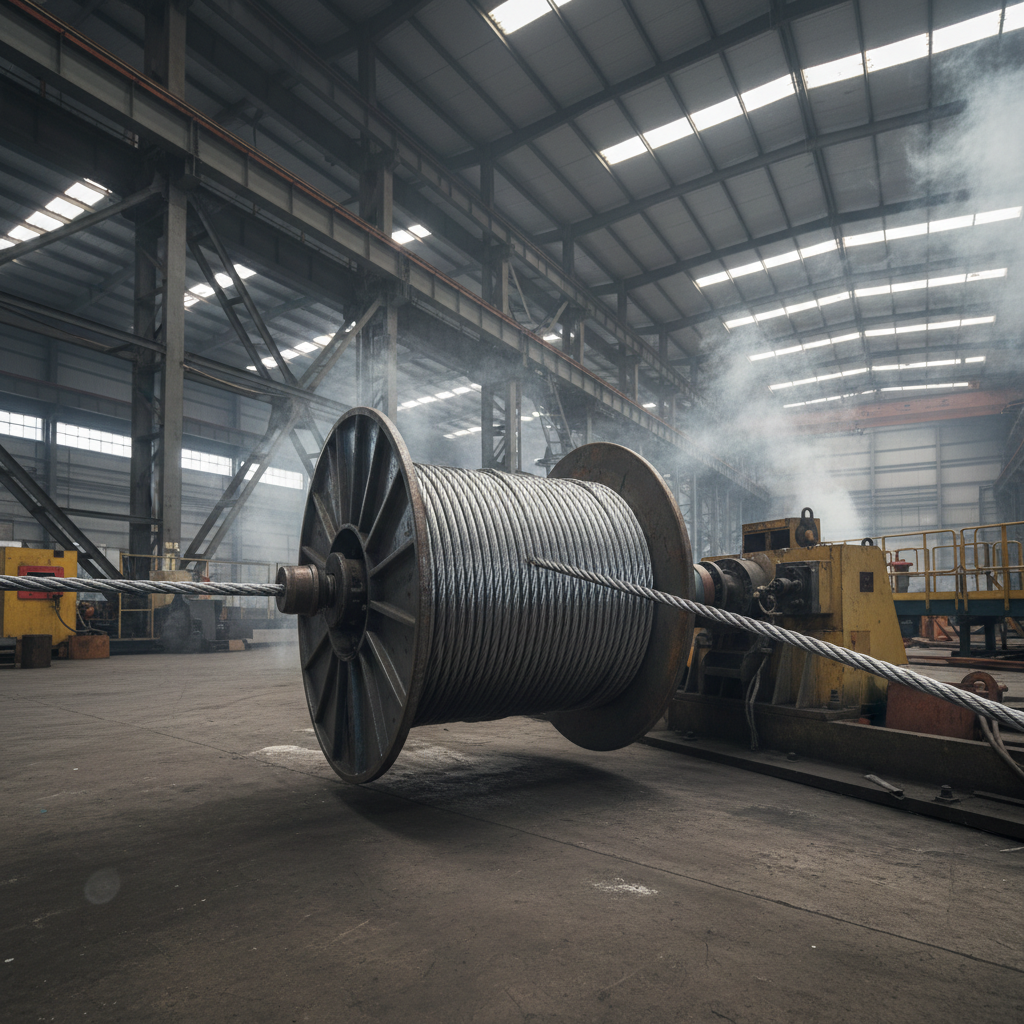
The designation "5 16 7x19" isn't arbitrary. Each number tells you something vital about the cable. “5/16” refers to the cable's diameter, meaning it's approximately 5/16 of an inch (around 8mm) in diameter. This is a common size offering a good strength-to-weight ratio for many applications. The “7x19” indicates the cable’s construction: it's comprised of 7 strands, each containing 19 individual wires. This construction provides excellent flexibility while maintaining substantial strength. This combination makes 5 16 7x19 galvanized aircraft cable well-suited for applications where bending and shaping are necessary.
Key Takeaway: The 7x19 construction offers a great balance of flexibility and strength, making it suitable for applications that require frequent bending or complex routing.
Galvanization is the process of applying a protective zinc coating to steel. This coating acts as a barrier against corrosion, significantly extending the cable's lifespan, particularly in outdoor or harsh environments. Without galvanization, steel is susceptible to rust, which weakens the cable and compromises its integrity. The zinc coating sacrifices itself to protect the underlying steel, even if the coating is scratched or damaged. Galvanized aircraft cable is therefore ideal for marine applications, outdoor construction, and environments with high humidity.
Benefits of Galvanization:
• Protects against rust and corrosion
• Extends cable lifespan
• Ideal for outdoor and harsh environments
• Provides sacrificial protection to the steel
This versatile cable finds use across numerous industries. Some common applications include: lifting slings, winch lines, guy wires for antennas and towers, aircraft control cables (hence the name, though its uses extend far beyond aviation), rigging for sailboats, securing loads during transport, and general-purpose wire rope applications. Its flexibility makes it especially useful for applications where the cable needs to be routed around tight corners or through small openings. The strength and durability ensure a safe and reliable connection in critical applications.
When choosing 5 16 7x19 galvanized aircraft cable, it's vital to consider the working load limit (WLL) for your application. The WLL is the maximum weight the cable should safely lift or support. Always factor in a safety factor (typically 5:1) to account for dynamic loads and unexpected stresses. Additionally, consider the environmental conditions. While galvanization offers good corrosion resistance, more aggressive environments may require additional protective coatings. Finally, inspect the cable regularly for any signs of wear, damage, or corrosion before each use.
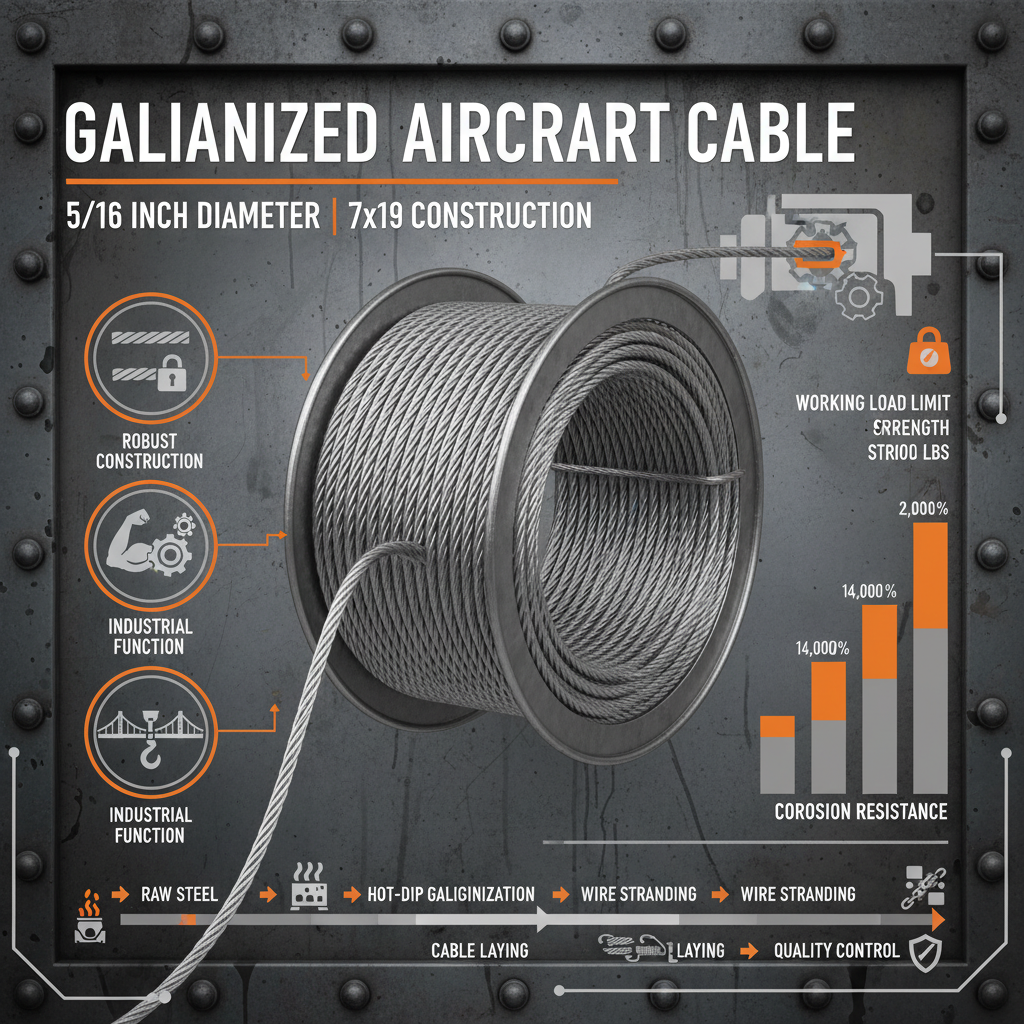
5 16 7x19 galvanized aircraft cable represents a dependable solution for a wide spectrum of applications requiring strength, flexibility, and corrosion resistance. By understanding its specifications and carefully considering your application's requirements, you can ensure a safe and effective outcome. TY Wire Mesh offers high-quality 5 16 7x19 galvanized aircraft cable to meet your specific needs.
While both galvanized and stainless steel offer corrosion resistance, stainless steel provides superior protection, especially in harsh marine environments or when exposed to strong chemicals. Stainless steel is more expensive than galvanized steel. Galvanized cable is often sufficient for many applications where the corrosion risk is moderate. The choice depends on the specific environment and the desired lifespan of the cable. Stainless steel aircraft cable typically has a longer lifespan, but the cost is substantially higher.
A safety factor is a multiplier applied to the cable's breaking strength to determine its safe working load limit. A common safety factor for lifting applications is 5:1, meaning the cable should not be loaded beyond 1/5 of its breaking strength. However, the appropriate safety factor can vary depending on the application, the potential for shock loading, and relevant industry regulations. Always consult with a qualified engineer or follow established safety guidelines for your specific use case.
Store aircraft cable in a dry, well-ventilated area, protected from direct sunlight and exposure to moisture. If possible, coat the cable with a light oil to provide an extra layer of protection. Avoid storing cable in contact with corrosive materials. Regularly inspect stored cable for any signs of rust or corrosion and address them promptly. Proper storage significantly extends the cable's lifespan and ensures its reliability when needed.
Yes, galvanized aircraft cable is suitable for outdoor use due to its corrosion resistance. However, the lifespan will be affected by the severity of the environment. In highly corrosive environments (e.g., saltwater exposure, industrial pollution), stainless steel cable may be a better long-term solution. Regular inspection and maintenance are crucial for ensuring the cable's continued safety and reliability when used outdoors.