TEL:
+86-13102802206
TEL:
+86-13102802206
 Email:
fencenetting@china.com
Email:
fencenetting@china.com
 Language
TEL:
+86-13102802206
Email:
fencenetting@china.com
Language
Language
TEL:
+86-13102802206
Email:
fencenetting@china.com
Language


Welding cast iron presents unique challenges due to its brittleness and high carbon content. Selecting the right flux core welding wire for cast iron is crucial for achieving strong, durable, and crack-free welds. This article provides a detailed overview of flux core wire options, their applications, advantages, and key considerations for successful cast iron welding. Whether you're involved in repair work, fabrication, or restoration projects, understanding these nuances is essential for optimal results.
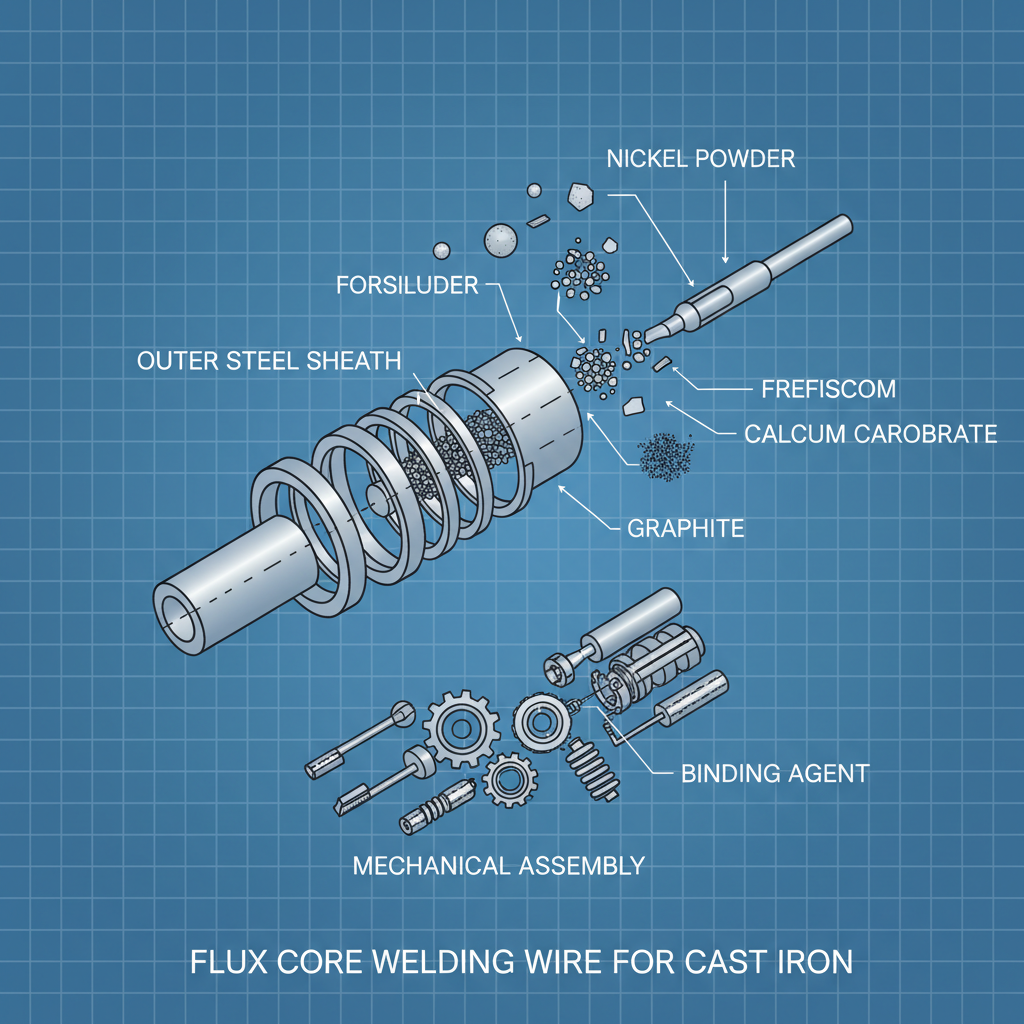
Cast iron's unique metallurgical properties make it prone to cracking during welding. Rapid heating and cooling cycles create high thermal stresses, leading to fractures. High carbon content increases the risk of carbide formation, which embrittles the weld zone. Choosing the correct welding process and filler metal, specifically a flux core welding wire for cast iron, is paramount to overcome these challenges. The flux core provides shielding gas and deoxidizers, crucial for a clean and sound weld. Careful preheating and post-weld cooling are also vital to minimize stress.
Key Considerations: Selecting a wire formulated for cast iron, controlling heat input, and employing proper welding techniques are essential for preventing cracks and achieving reliable welds.
Several types of flux core welding wire for cast iron are available, each offering different characteristics and suitability for specific applications. These include wires designed for joining cast iron to steel, repairing cracks, and building up worn surfaces. Nickel-based wires are often preferred for their excellent ductility and resistance to cracking, while iron-powder wires offer good strength and cost-effectiveness. The choice depends on factors such as the type of cast iron, the welding position, and the desired mechanical properties.
Wire Type Comparison:
• Nickel-Based Wires: High ductility, crack resistance, ideal for joining dissimilar metals.
• Iron-Powder Wires: Good strength, cost-effective, suitable for repair and build-up.
• Copper-Alloy Wires: Excellent for brazing and joining cast iron without significant heat input.
When selecting a flux core welding wire for cast iron, several key features should be considered. These include the wire’s composition, tensile strength, elongation, and shielding gas properties. Nickel content significantly impacts ductility and crack resistance. The type of flux also plays a crucial role in weld quality and ease of use. Look for wires specifically formulated for cast iron welding, as they are designed to address the material’s unique challenges. Proper wire diameter selection is also important for achieving optimal weld penetration and bead profile.
Successful cast iron welding requires careful attention to technique. Preheating the workpiece to 200-300°F (93-149°C) helps reduce thermal shock. Employing short, intermittent weld beads minimizes heat buildup. Use a peening technique after each bead to relieve stress. Avoid excessive weaving, which can introduce porosity. Post-weld cooling should be gradual – slow cooling within a bed of sand or vermiculite is recommended. Proper electrode angle and travel speed are also critical for achieving optimal weld quality. Consult a welding professional for specific recommendations based on your application.
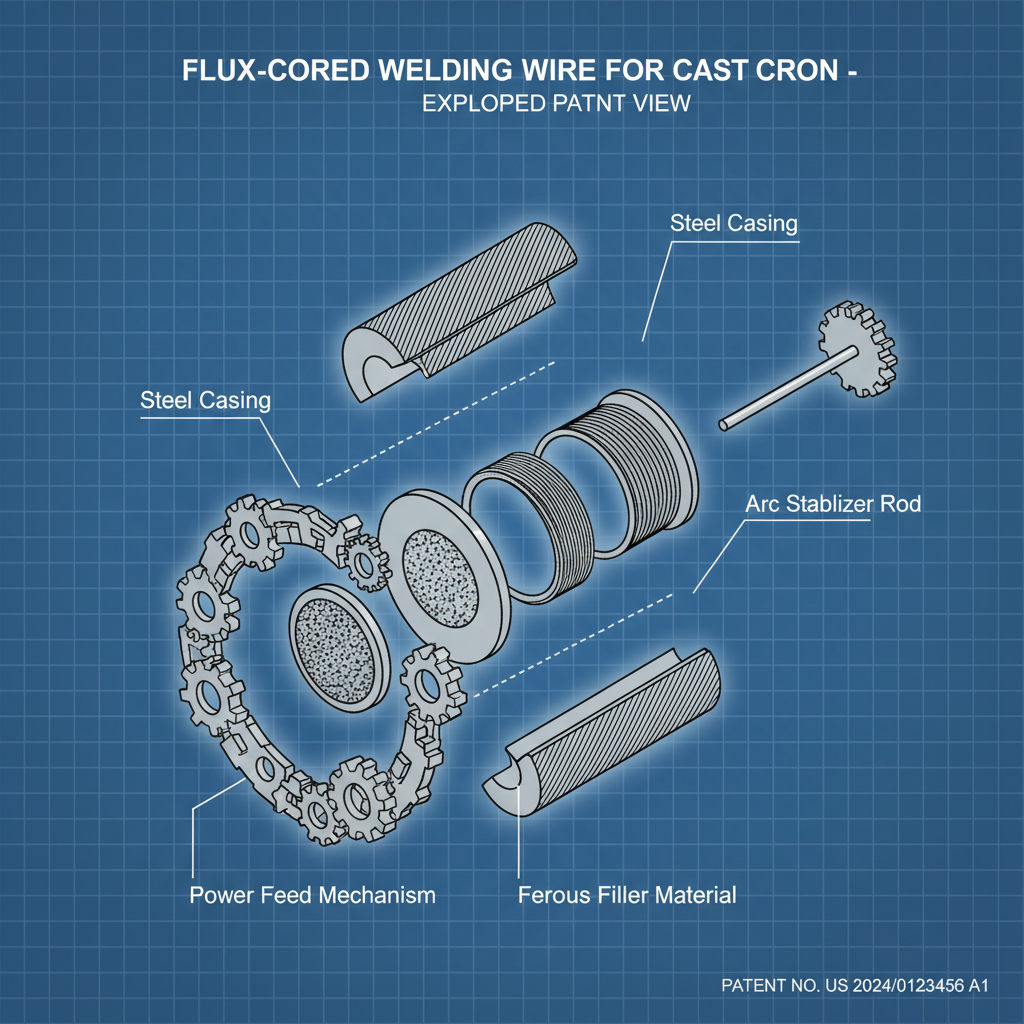
At TY Wire Mesh, we offer a range of high-quality flux core welding wires specifically designed for cast iron applications. Our wires are formulated to deliver excellent weldability, crack resistance, and mechanical properties. Here's a specification example:
Choosing the right flux core welding wire for cast iron, coupled with proper welding techniques and adherence to best practices, is crucial for achieving strong, durable, and crack-free welds. TY Wire Mesh provides a selection of high-quality wires engineered to meet the demands of cast iron welding applications. Invest in the right materials and expertise to ensure the longevity and reliability of your projects.
A preheating temperature of 200-300°F (93-149°C) is generally recommended for cast iron welding. This helps to reduce thermal shock and minimize the risk of cracking. The specific preheating temperature may vary depending on the type of cast iron, the section thickness, and the welding process. Always consult the material safety data sheet (MSDS) and welding guidelines for specific recommendations. Proper preheating ensures a more gradual heating and cooling cycle, reducing stress concentrations in the weld zone.
Both 100% CO2 and an Argon/CO2 mix can be used as shielding gases for flux core welding of cast iron. CO2 provides deeper penetration, while an Argon/CO2 mix offers better weld pool control and reduces spatter. The optimal choice depends on the specific wire type and welding application. Refer to the wire manufacturer's recommendations for the most suitable shielding gas. A proper shielding gas is crucial for protecting the weld from atmospheric contamination and ensuring a sound weld.
Preventing cracking requires a multi-faceted approach. Preheating the workpiece, using a flux core wire specifically designed for cast iron, employing short, intermittent weld beads, and peening the weld are all essential steps. Slow cooling after welding is also critical. Avoid excessive heat input and ensure proper joint preparation. Selecting the appropriate welding parameters and following established best practices will significantly reduce the risk of cracking. If working on a critical component, consider consulting a qualified welding engineer.