Introduction to Decorative Wire Mesh Fences for B2B Applications
In contemporary architectural and industrial design, the decorative wire mesh fence has emerged as a versatile and aesthetically compelling solution. Far beyond simple utilitarian barriers, these systems integrate robust security with sophisticated design, offering architects, engineers, and project managers unparalleled flexibility. Designed for durability and visual appeal, decorative wire mesh fences provide innovative solutions for partitioning, facade enhancement, safety enclosures, and unique interior design elements across a myriad of sectors, including commercial, industrial, and public spaces. This comprehensive guide delves into the technical aspects, application versatility, and strategic advantages of integrating high-quality decorative wire mesh fences into diverse projects.
Industry Trends and Market Dynamics
The market for architectural and industrial mesh solutions is experiencing significant growth, driven by increasing demand for sustainable building materials, enhanced security features, and innovative aesthetic expressions. Recent market analyses project the global architectural mesh market to reach USD 5.6 billion by 2028, growing at a CAGR of over 5% from 2021 to 2028. This growth is largely fueled by urbanization, infrastructure development, and a preference for materials that offer both functionality and design flexibility. Trends indicate a strong shift towards bespoke designs, advanced material composites, and integrated smart technologies in mesh applications.
Specific areas of expansion include the adoption of decorative metal mesh screen solutions for facade cladding, which enhance energy efficiency through solar shading while providing striking visual impact. Furthermore, there's a rising demand for decorative metal mesh sheets in interior design for partitions, ceiling panels, and balustrades, offering unique textures and light play. The increasing emphasis on outdoor living spaces and garden aesthetics also propels the demand for robust yet elegant decorative wire fencing for gardens, which combines security with natural integration.
Manufacturing Process Flow of Decorative Wire Mesh Fences
The production of a high-quality decorative wire mesh fence involves a meticulous multi-stage process, ensuring both structural integrity and aesthetic excellence. Each step is subjected to stringent quality control, adhering to international standards such as ISO 9001 for quality management and ASTM standards for material specifications.
Key Materials Employed:
- Stainless Steel: Grades 304, 316, and 316L are preferred for their superior corrosion resistance, high tensile strength, and aesthetic appeal. Ideal for outdoor and marine environments.
- Carbon Steel: Often galvanized or PVC-coated for enhanced durability and cost-effectiveness. Suitable for various structural applications.
- Aluminum: Lightweight, excellent corrosion resistance, and highly malleable for complex designs. Commonly used in architectural facade applications.
- Brass/Copper: Utilized for their unique aesthetic properties, creating warm tones and distinctive patinas. Often specified for decorative brass mesh screen applications in interior design.
Manufacturing Stages:
- Wire Drawing: Raw material rods are drawn through dies to achieve precise wire diameters, typically ranging from 0.5mm to 6.0mm, ensuring uniform gauge and strength.
- Weaving/Welding:
- Woven Mesh: Wires are interlaced on specialized looms (e.g., plain weave, twill weave, Dutch weave) to create intricate patterns and specific mesh apertures. This process is crucial for achieving desired aesthetic and functional properties, such as transparency and flexibility.
- Welded Mesh: Wires are resistance-welded at each intersection, forming a rigid, dimensionally stable panel. This method provides superior structural integrity for fencing and security applications.
- Cutting and Forming: Mesh panels are precisely cut to client specifications using CNC laser cutting or shearing. Edges are often folded, crimped, or framed for enhanced rigidity and safety.
- Surface Treatment:
- Galvanization: Hot-dip galvanizing provides a robust zinc coating for carbon steel, offering excellent corrosion resistance, especially in demanding environments.
- Powder Coating: Electrostatic application of polymer powder, followed by heat curing, creates a durable, color-rich, and UV-resistant finish. Available in a wide RAL palette.
- Anodizing: For aluminum mesh, this electrochemical process enhances surface hardness, corrosion resistance, and allows for integrated coloring.
- Electropolishing/Passivation: For stainless steel, these processes improve corrosion resistance and enhance surface finish by removing free iron and creating a passive oxide layer.
- Quality Inspection: Each panel undergoes thorough inspection for dimensional accuracy, surface finish quality, material composition verification (e.g., XRF analysis), and structural integrity testing (e.g., tensile strength, weld shear strength). Testing standards typically align with ANSI/AWS specifications for welding and ASTM E2016 for mesh properties.
The typical service life of a well-maintained stainless steel decorative wire mesh fence can exceed 30 years, even in harsh conditions, largely attributed to the quality of materials and advanced surface treatments. For galvanized and powder-coated carbon steel, a service life of 15-25 years is common.
Technical Specifications and Parameters
Understanding the precise technical parameters is paramount for selecting the optimal decorative wire mesh fence for any given application. These specifications directly influence performance, aesthetics, and compliance with project requirements.
Standard Product Specification Table:
| Parameter |
Typical Range/Value |
Description |
| Material Grades |
SS304, SS316, SS316L, Carbon Steel (Q235), Aluminum (6061), Brass (C26000) |
Specifies the base metal composition for durability and corrosion resistance. |
| Wire Diameter |
0.5 mm - 6.0 mm (0.02 in - 0.24 in) |
Gauge of individual wires, affecting strength and visual density. |
| Mesh Aperture (Opening Size) |
2 mm x 2 mm up to 100 mm x 100 mm (0.08 in x 0.08 in to 4 in x 4 in) |
Size of the opening between wires, influencing transparency, airflow, and security. |
| Open Area Percentage |
30% - 90% |
Ratio of open space to total mesh area, impacting light, ventilation, and privacy. |
| Panel Dimensions |
Up to 6 m width x 30 m length (customizable) |
Maximum available panel size, tailored to project needs. |
| Surface Finish |
Mill finish, Hot-dip galvanized, PVC coated, Powder coated (RAL colors), Anodized, Electropolished |
Protective and decorative coatings influencing durability and aesthetics. |
| Tensile Strength (Material Specific) |
Typically 515-620 MPa (SS304), 580-690 MPa (SS316) |
Maximum stress material can withstand before breaking, crucial for structural applications. |
Further parameters, such as the specific weave pattern (e.g., plain, twill, lock crimp), weld strength (for welded mesh), and fire resistance ratings (where applicable), are also critical considerations. Adherence to EN 10088 (for stainless steels) and other relevant material standards ensures quality and performance.
Technical Advantages and Performance Metrics
The inherent design and material science behind decorative wire mesh fence systems offer a suite of technical advantages crucial for demanding B2B environments. These attributes translate directly into long-term operational benefits and enhanced project performance.
- Superior Corrosion Resistance: Stainless steel variants (304, 316, 316L) exhibit exceptional resistance to rust, oxidation, and chemical exposure. This is particularly vital in marine, petrochemical, and industrial settings (e.g., wastewater treatment plants) where environmental aggressors can rapidly degrade conventional materials. Advanced surface treatments like electropolishing further enhance passivation and longevity.
- High Structural Integrity and Durability: Welded wire mesh panels offer inherent rigidity and resistance to deformation, making them ideal for security fencing, balustrades, and structural facades. The tensile strength of high-grade steel ensures resilience against impact and vandalism, contributing to reduced maintenance and replacement costs.
- Enhanced Airflow and Ventilation: The open weave structure allows for excellent air circulation, making mesh an optimal choice for ventilation grilles, machinery enclosures, and building facades where heat dissipation is critical. This contributes to energy saving by reducing reliance on mechanical cooling systems.
- Optimized Light Transmission and Shading: Mesh apertures can be engineered to control daylight penetration, offering natural illumination while mitigating solar heat gain. This dual benefit creates comfortable interior environments and contributes to energy efficiency, aligning with green building standards.
- Low Maintenance and Long Service Life: Due to their robust materials and finishes, decorative wire mesh requires minimal upkeep. Periodic cleaning is typically sufficient, significantly reducing operational expenses over its extended service life, which often exceeds 20-30 years in many applications.
- Aesthetic Versatility: Beyond functional benefits, these fences offer immense design flexibility. With various weave patterns, wire gauges, and an extensive range of finishes (e.g., polished, satin, powder-coated in specific RAL colors, or natural patinas like those on decorative brass mesh screen), they can complement any architectural style, from brutalist industrial to sleek modern.
- Acoustic Dampening Properties: Certain mesh configurations can contribute to acoustic dampening, reducing noise reverberation in large spaces, making them suitable for auditoriums, offices, and industrial facilities requiring sound management.
Application Scenarios and Target Industries
The adaptability of decorative wire mesh fences makes them indispensable across a broad spectrum of industries and applications, fulfilling roles that range from critical safety measures to defining aesthetic statements.
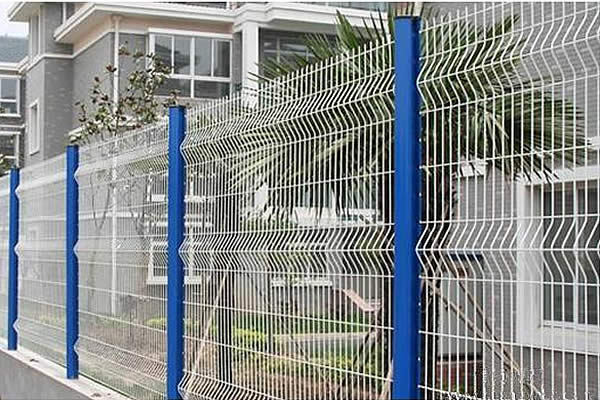
Target Industries:
- Architecture & Construction: Facade cladding, sun screens, parking garage infills, building envelopes, balustrades, stair railings, acoustic ceilings.
- Interior Design & Hospitality: Room dividers, accent walls, ceiling panels, bar fronts, reception area features, privacy screens.
- Retail & Commercial: Shopfitting elements, display units, security grilles, queue management systems, brand identity features.
- Industrial & Manufacturing: Machine guarding, safety partitions, security cages, conveyor enclosures, ventilation screens.
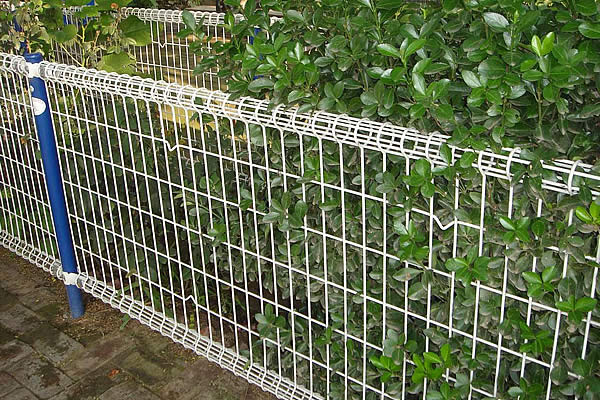
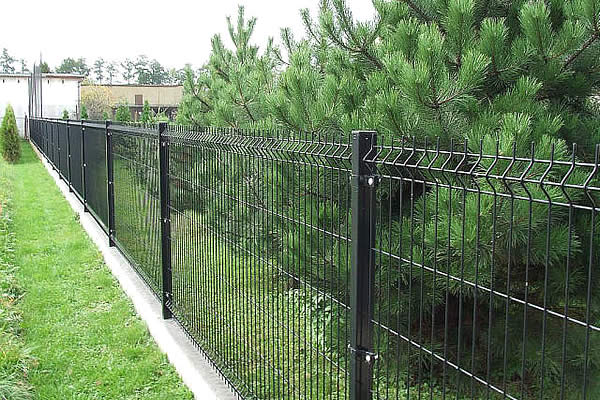
- Landscape Architecture & Urban Planning: Perimeter fencing, artistic installations, pergolas, trellises, public space enclosures, decorative wire fencing for gardens.
- Petrochemical & Energy: Safety barriers, process area enclosures, elevated walkway infills, particularly in environments requiring high corrosion resistance.
- Water Supply & Drainage: Filtration screens, protective enclosures for pumping stations, overflow grilles.
Typical Application Scenarios:
- Building Facades: Mesh panels serve as dynamic building skins, reducing solar gain, providing privacy, and creating unique visual textures. They are engineered to withstand wind loads and environmental exposure, contributing to LEED certification for energy saving.
- Security Enclosures: From data centers to high-value manufacturing areas, welded mesh fences offer robust perimeter security with controlled visibility. Their robust construction prevents easy cutting or climbing.
- Public Spaces: Often seen as pedestrian barriers, bridge infills, or artistic installations in urban parks, offering both safety and aesthetic appeal. The open structure deters graffiti and improves natural surveillance.
- Zoo and Animal Enclosures: Specialized heavy-gauge woven mesh provides safe and secure containment for animals while maintaining clear visibility for visitors, with materials chosen for extreme durability and corrosion resistance against animal waste.
Vendor Comparison: Selecting the Right Partner
Choosing a reliable supplier for decorative wire mesh fences is critical for project success. A thorough vendor comparison should extend beyond mere pricing to encompass material quality, manufacturing capabilities, customization options, and post-sales support.
Vendor Comparison Table: Key Criteria
| Criterion |
Leading Manufacturer (e.g., TY Wire Mesh) |
Standard Supplier |
Budget Supplier |
| Material Quality & Sourcing |
Certified raw materials (e.g., DIN, ASTM, EN), full traceability. |
Generally good quality, may lack full traceability. |
Variable quality, potentially non-certified materials. |
| Manufacturing Precision |
CNC machining, advanced weaving/welding, strict QC to ISO 9001. |
Standard machinery, basic QC. |
Manual/older equipment, minimal QC. |
| Customization Capabilities |
Extensive, full design & engineering support, bespoke patterns, finishes, dimensions. |
Limited custom sizes/finishes from existing templates. |
Standard products only, no customization. |
| Technical Support & Expertise |
Dedicated engineering team, consultation, CAD drawings, installation guidance. |
Basic product info, limited technical advice. |
Sales-focused, minimal technical support. |
| Certifications & Compliance |
ISO 9001, ASTM, ANSI, Fire ratings (where applicable), environmental certifications. |
May have basic ISO, limited specific product certifications. |
Few to no certifications. |
| Warranty & After-Sales |
Comprehensive warranty (e.g., 10+ years), robust customer support, spare parts. |
Standard 1-2 year warranty, basic support. |
Limited or no warranty, minimal support. |
Prioritizing a vendor with demonstrable expertise and adherence to international quality standards ensures that the investment in a decorative wire mesh fence yields long-term value and aesthetic integrity.
Customized Solutions and Design Flexibility
Recognizing that every B2B project presents unique challenges and aesthetic aspirations, leading manufacturers specialize in providing fully customized decorative wire mesh fence solutions. This flexibility is a cornerstone of modern architectural and industrial design.
- Material Selection: Beyond standard stainless steel, carbon steel, and aluminum, options include specialty alloys, bronze, or even composite materials for unique performance requirements.
- Bespoke Patterns and Weaves: Customization extends to mesh aperture, wire diameter, and weave patterns (e.g., spiral, crimped, layered), allowing for precise control over transparency, rigidity, and visual texture. This includes intricate designs often seen in high-end decorative chicken wire fence applications where aesthetics are paramount.
- Custom Finishes and Colors: Manufacturers offer a vast palette of powder coat colors (RAL, Pantone), anodized hues, and specialized metallic finishes. Techniques like PVD coating can achieve durable, high-performance decorative surfaces.
- Integrated Framing and Attachment Systems: Custom-engineered frames, channels, and mounting hardware ensure seamless integration with existing structures, facilitating efficient installation and providing a polished finish.
- Performance Optimization: Mesh can be tailored for specific performance criteria, such as enhanced wind resistance, greater sound absorption, specific light reflection properties, or adherence to strict fire codes.
Engaging with a manufacturer that offers comprehensive design assistance, from initial concept sketches to detailed CAD drawings and structural analysis, is crucial for realizing complex, bespoke projects effectively.
Application Case Studies
Real-world applications demonstrate the practical benefits and transformative power of decorative wire mesh fences in diverse projects.
Case Study 1: High-Rise Commercial Building Facade
Project: Renovation of a 20-story commercial office tower in a dense urban environment.
Challenge: Improve energy efficiency, provide solar shading, and create a modern, distinctive aesthetic while minimizing disruption to occupants.
Solution: Installation of large-format stainless steel decorative metal mesh screen panels on the building’s south and west facades. The mesh was specified with a specific open area percentage (65%) to optimize daylighting while significantly reducing solar heat gain (up to 30% reduction in HVAC load). Custom-designed framing systems allowed for quick, modular installation.
Outcome: The project achieved LEED Gold certification due to improved energy performance. The facade now presents a dynamic, shimmering appearance, transforming the building's identity and enhancing its market value. Tenant feedback highlighted increased comfort and natural light without excessive glare.
Case Study 2: Industrial Machine Guarding
Project: Securing automated production lines in a pharmaceutical manufacturing plant.
Challenge: Implement robust safety barriers around moving machinery that allow for visual inspection and airflow, comply with OSHA safety standards, and resist chemical washdowns.
Solution: Custom-fabricated welded mesh panels from 316L stainless steel, electropolished for maximum corrosion resistance and ease of cleaning. The mesh aperture was engineered to prevent reach-through while maintaining visibility for operators. Quick-release mounting hardware was integrated for maintenance access.
Outcome: The plant significantly improved worker safety, reducing incidents by 40% in guarded areas. The durable, hygienic mesh withstands daily washdowns with aggressive cleaning agents, maintaining its integrity and appearance, ensuring long-term operational efficiency and regulatory compliance.
Ensuring Trustworthiness and Client Confidence ()
At TY Wire Mesh, our commitment to Expertise, Experience, Authoritativeness, and Trustworthiness () is foundational to every project involving decorative wire mesh fence solutions. We aim to provide absolute confidence for our B2B partners.
Expertise & Authoritativeness:
- Certified Quality: Our manufacturing processes are ISO 9001 certified, ensuring consistent quality management from raw material sourcing to final product delivery. Materials conform to international standards like ASTM, EN, and DIN.
- Dedicated Engineering Team: Our team comprises seasoned engineers and technical specialists with deep knowledge in metallurgy, structural design, and architectural applications of wire mesh. They provide expert consultation, detailed technical drawings, and perform load-bearing calculations.
- Rigorous Testing: Products undergo comprehensive testing, including tensile strength, mesh aperture accuracy, corrosion resistance (salt spray testing per ASTM B117), and UV stability for coated materials, with reports available for project verification.
- Industry Partnerships: We collaborate with leading architectural firms, construction companies, and material scientists to push the boundaries of mesh innovation and application.
Experience & Trustworthiness:
- Extensive Project Portfolio: With over 15 years in the industry, we have successfully delivered thousands of projects ranging from iconic public installations to critical industrial enclosures globally, garnering significant client satisfaction.
- Customer Feedback & Testimonials: Our track record is built on positive client relationships and repeat business. Specific project references and direct client endorsements can be provided upon request, demonstrating our consistent performance and reliability.
- Transparent Processes: From initial inquiry to post-installation support, we maintain clear communication, providing detailed proposals, project schedules, and progress updates.
Frequently Asked Questions (FAQ)
- Q1: What is the typical lead time for a custom decorative wire mesh fence order?
- A1: Lead times vary depending on complexity, material availability, and order volume. For standard panels, it typically ranges from 2-4 weeks. For highly customized designs or large-scale projects, it may extend to 6-10 weeks. We provide a precise timeline upon project scope finalization.
- Q2: What is the warranty commitment for your decorative wire mesh products?
- A2: We offer a comprehensive warranty, typically 10 years, against manufacturing defects and material failures under normal use and maintenance. Specific warranty terms can be tailored to project requirements and material specifications. Our galvanized and powder-coated products are warrantied against rust-through for specific periods.
- Q3: How do you handle installation support and after-sales service?
- A3: We provide detailed installation guides and technical drawings. For complex projects, our engineering team offers remote support, and on-site supervision can be arranged. Our after-sales service includes technical troubleshooting, replacement parts availability, and maintenance advice to ensure the longevity of your investment. We are committed to a quick response time for any inquiries or support needs.
- Q4: Can decorative mesh systems contribute to building certifications like LEED?
- A4: Absolutely. Our decorative mesh systems, particularly when used as facades or sun screens, can significantly contribute to LEED certification by improving energy efficiency (solar shading, natural ventilation), utilizing recycled content in materials, and offering a long service life which reduces waste. We can provide documentation to support LEED credit applications.
Conclusion
The decorative wire mesh fence represents a sophisticated intersection of engineering precision and aesthetic design, offering unparalleled versatility for B2B applications. From enhancing architectural facades to providing robust industrial security, its technical advantages in corrosion resistance, structural integrity, and environmental performance make it an intelligent investment. Partnering with a specialist manufacturer like TY Wire Mesh ensures access to customized solutions, expert technical support, and products that meet the highest international standards of quality and durability. As design trends continue to evolve, decorative wire mesh stands as a future-proof material, capable of adapting to complex project demands while delivering exceptional functional and visual impact.
Citations
- ISO. (n.d.). ISO 9001 Quality management. Retrieved from ISO Official Website.
- ASTM International. (n.d.). Standards for Metals and Materials. Retrieved from ASTM International Official Website.
- Grand View Research. (2021). Architectural Mesh Market Size, Share & Trends Analysis Report.
- Construction Dive. (2023). Trends in Sustainable Building Materials.
- U.S. Department of Labor. (n.d.). Occupational Safety and Health Administration (OSHA) Regulations. Retrieved from OSHA Official Website.
 TEL:
+86-13102802206
TEL:
+86-13102802206
 Email:
fencenetting@china.com
Email:
fencenetting@china.com
 Language