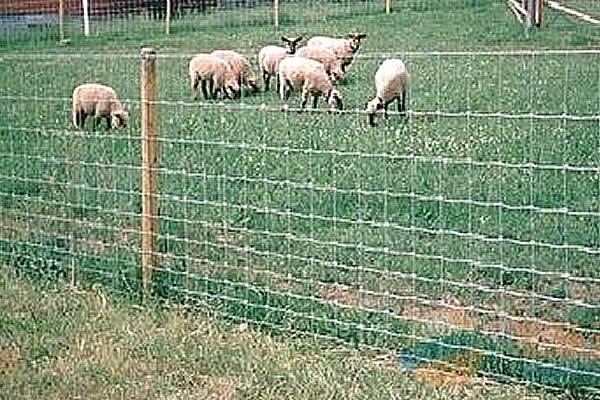
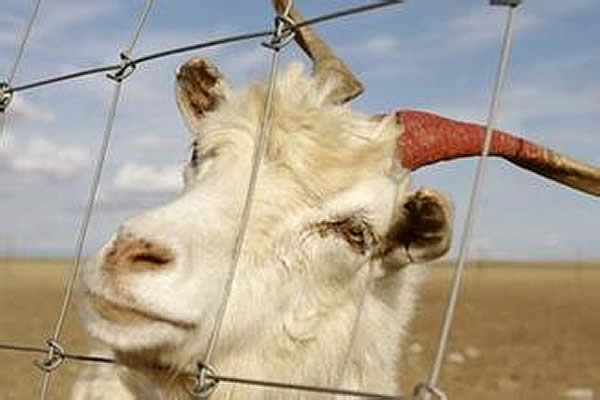
Hebei Tengyuan Wire Mesh Products Co.,Ltd

Sep . 13, 2025 09:20 Back to list

High-Tensile Knotted Fence & Fixed Knot Fencing Solutions


Introduction to Advanced Knotted Fencing Solutions

In the demanding world of agricultural, livestock, and wildlife management, the integrity and longevity of perimeter security are paramount. Modern farming and land management practices require fencing solutions that offer superior strength, durability, and cost-effectiveness over their operational lifespan. This demand has led to the widespread adoption of advanced knotted fence systems. Distinguished by their unique knotting mechanism, these fences provide exceptional resistance to impact, stretching, and environmental degradation, making them an ideal choice for high-stress applications ranging from extensive cattle ranches to critical deer exclusion zones. This article delves into the technical aspects, applications, and strategic advantages of these indispensable fencing solutions for B2B decision-makers and technical professionals.

Industry Trends in High-Tensile Fencing

The fencing industry is experiencing a notable shift towards high-tensile, long-lasting materials and innovative construction methods. Key trends include:

  • Sustainability and Durability: Increased demand for fences with extended service life, reducing the need for frequent replacement and minimizing environmental impact. Galvanized high-tensile wire, often Class 3 or ZAL (Zinc-Aluminum), is becoming standard.
  • Animal Welfare: Designs that prioritize animal safety, such as smaller mesh openings to prevent entanglement and smooth knot types. This is especially relevant for `fixed knot deer fence` applications.
  • Cost-Effectiveness Over Lifecycle: Initial investment in superior products like knotted fence is offset by reduced maintenance, fewer repairs, and longer operational periods, contributing to lower total cost of ownership.
  • Adaptability: Fencing systems that can be easily adapted to varied terrains and specific enclosure requirements, from livestock containment to crop protection.
  • Integration with Smart Technologies: Emerging interest in incorporating sensors for perimeter monitoring, though this is still nascent in traditional fencing.

These trends underscore the market's preference for robust, reliable, and economically sound fencing solutions, with fixed knot designs leading the charge in meeting these evolving requirements.

Manufacturing Process Flow of Knotted Fencing

The production of a high-quality knotted fence involves a meticulously controlled manufacturing process, ensuring superior strength and longevity. Our fences utilize premium steel wire, typically high-tensile galvanized steel, engineered to meet or exceed international standards such as ASTM A116 (Metallic-Coated Carbon Steel Barbed Wire) and ASTM A641 (Zinc-Coated (Galvanized) Carbon Steel Wire).
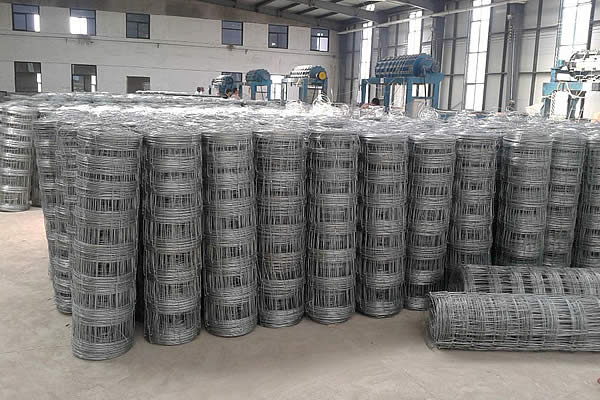
Process Steps:

  1. Wire Rod Procurement & Quality Inspection: High-carbon steel wire rods, adhering to specific metallurgical compositions, are sourced from certified mills. Each batch undergoes rigorous incoming material inspection for chemical composition and mechanical properties.
  2. Wire Drawing: The wire rods are drawn through a series of dies to achieve the desired gauge (diameter). This cold-drawing process enhances tensile strength and refines the wire's microstructure.
  3. Galvanization (Corrosion Resistance): The drawn wires undergo a hot-dip galvanization process, where they are immersed in molten zinc. This creates a protective zinc coating (typically Class 1, 2, or 3, with Class 3 offering maximum protection and service life of 20+ years) that acts as a sacrificial layer against corrosion. For enhanced performance, Zinc-Aluminum (ZAL) alloy coatings are also available, extending service life significantly in harsh environments.
  4. Fixed Knotting Machine: The galvanized line wires (horizontal) and stay wires (vertical) are fed into specialized fixed knotting machines. Unlike hinge-joint fences, the fixed knot system mechanically wraps the stay wire around the line wire, creating a rigid, non-slip knot. This process is akin to a form of automated precision weaving and forging, ensuring each knot is securely crimped and locked. This provides superior vertical stability and prevents sag.
  5. Roll Forming & Packaging: The finished knotted fence is then automatically rolled into compact, manageable rolls. Each roll is securely strapped and labeled, ready for dispatch.
  6. Quality Control & Testing: Throughout the process, multiple quality checks are performed, including wire diameter measurement, zinc coating thickness verification (ASTM B6), tensile strength testing (ASTM A370), and knot integrity tests. Finished rolls are inspected for mesh consistency and overall structural integrity. Target industries include agriculture, livestock management, wildlife exclusion, and general perimeter security for commercial properties.
High-Tensile Knotted Fence & Fixed Knot Fencing Solutions

The meticulous attention to detail in each stage of this process, from raw material selection to final testing, ensures that our `fixed knot fence` products deliver unparalleled performance and a service life typically exceeding 20-30 years, significantly outperforming traditional fencing options in terms of corrosion resistance and structural integrity.

Technical Specifications and Parameters

Understanding the technical specifications of `fixed knot fencing` is crucial for selecting the appropriate solution for diverse applications. The parameters outlined below are critical for performance and compliance.

Parameter Description Typical Range/Value Standard Compliance
Wire Gauge (Line Wires) Diameter of horizontal wires, impacting strength. Lower gauge means thicker wire. 10-12.5 Gauge (2.64mm - 3.05mm) ASTM A641
Wire Gauge (Stay Wires) Diameter of vertical wires, impacting rigidity. 12.5-14.5 Gauge (2.03mm - 2.64mm) ASTM A641
Tensile Strength Resistance to breaking under tension. "High Tensile" implies a higher carbon content. Min. 1200 N/mm² (Line), 700 N/mm² (Stay) ASTM A370
Zinc Coating Class Thickness and durability of galvanization. Class 3 offers best corrosion resistance. Class 1, 2, or 3 (up to 240 g/m²) ASTM A90/A90M
Fence Height Overall height of the fence roll. 32 inches to 96 inches (0.8m - 2.4m) Manufacturer Specific
Picket/Stay Spacing Distance between vertical stay wires. Smaller for smaller animals. 6 inches or 12 inches (15cm or 30cm) Manufacturer Specific
Roll Length Standard length of a fence roll. 100 ft to 660 ft (30m - 200m) Industry Standard
High-Tensile Knotted Fence & Fixed Knot Fencing Solutions

These specifications enable precise planning and procurement for projects requiring robust and reliable perimeter solutions. The flexibility in wire gauge and spacing allows for tailored solutions for various animal types and containment needs.

Application Scenarios for Knotted Fencing

The versatility and inherent strength of knotted fence make it suitable for a wide array of demanding applications across various industries.
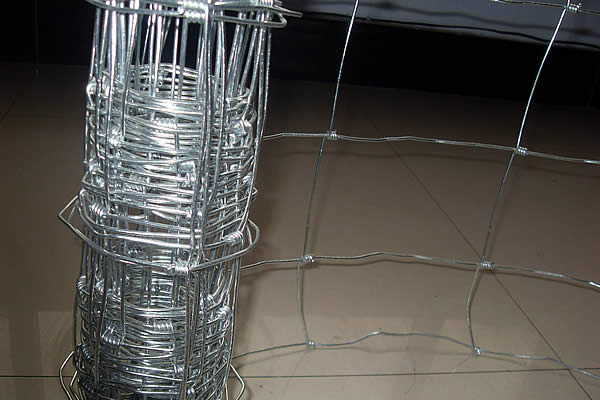
Agricultural & Livestock Management:

  • Cattle & Horse Containment: The high tensile strength and fixed knot design provide a robust barrier, minimizing sag and resisting impact from large animals. This ensures secure pasture rotation and perimeter security for `high tensile fixed knot wire fencing for cattle`.
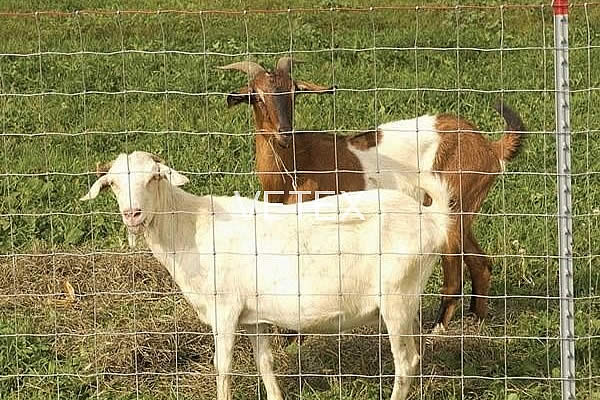
  • Sheep & Goat Enclosures: Smaller mesh openings at the bottom, graduating to larger openings at the top, prevent smaller animals from escaping or becoming entangled, a significant advantage over traditional `knot wood fencing` styles or barbed wire.
  • Crop Protection: Protecting valuable crops from foraging deer and other wildlife is critical. `Fixed knot deer fence` options with sufficient height and appropriate mesh keep wildlife out without causing harm.

Wildlife Management & Conservation:

  • Deer Exclusion: Tall `fixed knot deer fence` with smaller mesh at the base is widely used to prevent deer from entering commercial orchards, vineyards, and agricultural fields, significantly reducing crop damage.
  • Animal Rehabilitation Centers: Provides safe and secure enclosures for various animals, including those undergoing rehabilitation, where escape prevention and animal welfare are paramount.

Commercial & Industrial Security:

  • Property Boundaries: Offers a durable and low-maintenance solution for defining property lines in rural or expansive commercial settings.
  • Roadway Safety: Used along highways and critical infrastructure to prevent animal incursions that could lead to accidents.
High-Tensile Knotted Fence & Fixed Knot Fencing Solutions

Our `fixed knot fencing` solutions have been proven in diverse challenging environments, consistently delivering superior performance and long-term value, with customer feedback often highlighting significant reductions in maintenance costs and animal containment issues.

Technical Advantages of Fixed Knot Fencing

The `fixed knot fence` stands apart from other wire fencing types due to its engineered design, offering several distinct technical advantages critical for robust perimeter solutions:
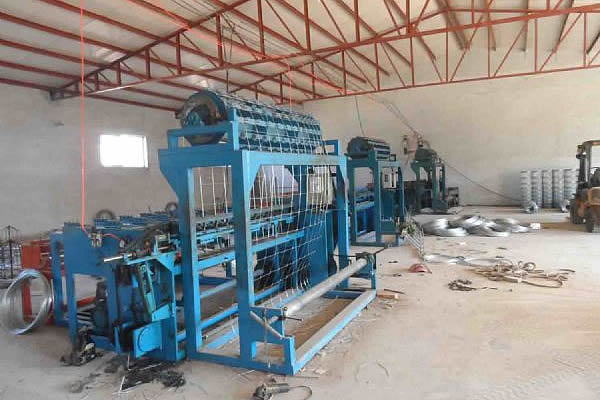
  • Superior Strength & Rigidity: The unique fixed knot design rigidly locks the vertical stay wires to the horizontal line wires, preventing slippage and allowing the fence to maintain its height and shape under stress. This inherent rigidity makes it highly resistant to animal impact and external forces, outperforming traditional hinge-joint or woven wire fences.
  • Enhanced Animal Safety: The smooth, fixed knots minimize sharp projections, reducing the risk of injury to livestock or wildlife that may rub against or test the fence. This is a critical factor for animal welfare, especially for `fixed knot deer fence` applications.
  • Reduced Sag & Elongation: High-tensile steel wire, combined with the fixed knot, allows the fence to be stretched tighter during installation. This significantly reduces sag over time and maintains tension across long spans, minimizing the need for numerous fence posts and reducing installation costs and ongoing maintenance.
  • Exceptional Durability & Longevity: Manufactured with heavy-gauge, Class 3 galvanized high-tensile wire, these fences offer superior resistance to corrosion, rust, and weathering. This translates into a service life of 20-30 years or more, even in harsh environmental conditions.
  • Versatile Mesh Patterns: `Fixed knot fencing` can be manufactured with graduated mesh openings, typically smaller at the bottom and larger at the top. This design effectively contains small animals at ground level while providing appropriate barriers for larger animals above.
  • Cost-Effectiveness: While the initial investment might be slightly higher than some alternatives, the extended service life, minimal maintenance requirements, and reduced number of posts needed (due to high tension) result in a significantly lower total cost of ownership over the fence's lifespan.
High-Tensile Knotted Fence & Fixed Knot Fencing Solutions

These technical advantages position the knotted fence as a premier choice for professionals seeking reliable, long-term fencing infrastructure.

Vendor Comparison and Selection Criteria

Choosing the right vendor for `fixed knot fencing` is a strategic decision that impacts project success, longevity, and overall return on investment. While specific vendor names are omitted, the following criteria and comparative data are essential for informed procurement:

Selection Criterion High-Quality Vendor Profile Typical Sub-Standard Vendor Profile
Material Quality & Standards Uses high-carbon, high-tensile wire (1200 N/mm²) with Class 3 galvanization (240 g/m²). Complies with ASTM A116/A641. Uses lower carbon, medium-tensile wire (700-900 N/mm²) with Class 1 galvanization (60 g/m²). Limited standard compliance.
Knot Integrity & Design Precisely formed, rigid fixed knots that do not slip, ensuring consistent mesh and strength. Loose or inconsistent knots, prone to slippage, leading to fence sag and failure points.
Manufacturing Process Automated, quality-controlled production line with in-line testing and ISO 9001 certification. Manual or semi-automated processes, inconsistent quality control, lack of formal certifications.
Customization Options Offers varying heights, mesh patterns, wire gauges, and coating types to meet specific project needs. Limited standard product range, no flexibility for specialized requirements.
Technical Support & Warranty Comprehensive pre-sales consultation, installation guidance, and 15-30 year warranty. Minimal technical support, short or ambiguous warranty terms, limited after-sales service.
High-Tensile Knotted Fence & Fixed Knot Fencing Solutions

Prioritizing vendors who demonstrate commitment to these high standards ensures the acquisition of a superior knotted fence product that delivers long-term performance and value, minimizing costly replacements and maintenance.

Customized Solutions for Specific Project Needs

Recognizing that no two projects are identical, leading manufacturers offer bespoke `fixed knot fencing` solutions tailored to the precise demands of clients. Customization ensures optimal performance and cost-efficiency for unique environmental, animal, or security requirements.

Areas of Customization:

  • Height and Length: Fence heights can be customized from typical agricultural heights (e.g., 48 inches) to extreme wildlife exclusion heights (e.g., 96 inches) and even higher for specialized security. Roll lengths can also be adjusted.
  • Mesh Pattern and Graduations: Bespoke mesh configurations are available, such as smaller openings at the base (e.g., 3-inch squares) to deter small animals or specific predator species, gradually increasing to larger openings (e.g., 6-inch or 12-inch) higher up the fence.
  • Wire Gauge: Selection of thicker line and stay wires (lower gauge) for applications demanding maximum strength and impact resistance, or lighter gauges for less demanding containment.
  • Coating Specifications: Beyond standard Class 3 galvanization, options include Zinc-Aluminum (ZAL) coatings for superior corrosion resistance in coastal or high-corrosion environments, and even PVC-coated wires for aesthetic integration or additional protection.
  • Selvage Wire Options: Thicker, stronger top and bottom selvage wires can be specified for added rigidity and to withstand higher tension during installation, crucial for `high tensile fixed knot wire fencing for cattle`.

Through close collaboration with clients, technical teams can design and manufacture a knotted fence that precisely meets performance criteria, ensuring a perfectly optimized solution for every unique project challenge. This consultative approach minimizes over-specification and ensures cost-effectiveness.

Application Case Studies

Case Study 1: Large-Scale Cattle Ranch in the Midwest U.S.

Challenge: A 5,000-acre cattle ranch required a durable, low-maintenance perimeter fence capable of containing several hundred head of beef cattle across varied terrain, including hilly pastures and riparian zones. Previous hinge-joint fences suffered from frequent sag, breakage, and required constant repair due to cattle pressure and wildlife incursions.

Solution: The ranch implemented a `high tensile fixed knot wire fencing for cattle` system, utilizing 12.5 gauge high-tensile wire, 48-inch height, and 6-inch stay spacing. Class 3 galvanization was chosen for maximum corrosion resistance in varied climate conditions. The fixed knot design allowed for significantly wider post spacing (up to 20 feet) compared to the previous system, reducing material and installation labor costs.

Outcome: Over five years, the ranch reported a 70% reduction in fence maintenance costs. The rigid structure effectively contained cattle, even against bulls, and prevented wild hogs and coyotes from entering pastures. The fence remained taut and visually intact, significantly enhancing operational efficiency and property security.

Case Study 2: Commercial Vineyard Deer Exclusion, Northern California

Challenge: A premium vineyard spanning 200 acres faced significant annual crop losses (estimated at 15-20% of yield) due to deer foraging. Traditional low-height woven wire fences were ineffective, and electric fences were deemed too high-maintenance and visually obtrusive for the vineyard's aesthetic.

Solution: An 8-foot tall `fixed knot deer fence` with graduated mesh (3-inch x 6-inch bottom openings, expanding to 6-inch x 6-inch at the top) was installed around the vineyard perimeter. The fence featured 12.5 gauge high-tensile wire with a robust Class 3 galvanized coating to withstand coastal weather conditions.

Outcome: Within the first growing season post-installation, deer damage was virtually eliminated, resulting in a full crop yield recovery and a significant increase in revenue. The fence's robust construction and tight mesh proved impenetrable to deer, and its low visual impact blended well with the natural landscape, confirming its efficacy and aesthetic suitability.
High-Tensile Knotted Fence & Fixed Knot Fencing Solutions

These case studies illustrate the tangible benefits and return on investment achievable through the strategic deployment of high-quality `fixed knot fencing` in demanding commercial applications.

Commitment to Quality, Support, and Trust

Authoritativeness and Certifications:

Our products are manufactured under strict adherence to international quality management systems, including ISO 9001:2015. We routinely conduct independent third-party testing to verify compliance with industry standards such as ASTM A116, ASTM A641, and ASTM A90/A90M. Our decades of experience in the wire mesh industry and partnerships with leading agricultural enterprises and government conservation agencies underscore our authoritative position as a trusted supplier of knotted fence.

Frequently Asked Questions (FAQ):

Q: What is the typical lead time for a large order?
A: Standard lead times for common specifications range from 3-4 weeks. For large-volume or customized orders, lead times typically extend to 6-8 weeks, depending on complexity and raw material availability. We prioritize transparent communication regarding fulfillment schedules.
Q: What is the warranty period for your fixed knot fence?
A: We offer a comprehensive 20-year limited warranty against manufacturing defects and premature corrosion for our Class 3 galvanized `fixed knot fencing` products. This commitment reflects our confidence in the longevity and performance of our fences under normal operating conditions.
Q: Do you offer installation support or guidance?
A: While we do not provide direct installation services, our technical support team offers detailed installation guides, best practice recommendations, and can provide consultation on fence design and stretching techniques to ensure optimal performance and adherence to safety standards.
Q: Can your fences withstand extreme weather conditions?
A: Yes, our high-tensile, Class 3 galvanized `fixed knot fencing` is specifically engineered to perform robustly in challenging environments, including high winds, heavy snow loads, and corrosive coastal conditions, thanks to superior materials and the rigid knot structure.

Customer Support Information:

Our dedicated customer support team is available to assist with inquiries regarding product specifications, custom orders, lead times, and post-sales assistance. Please reach out via our website's contact form, email, or telephone during business hours for expert guidance and prompt service. We are committed to building long-term partnerships based on reliability and trust.

Conclusion

The knotted fence represents the pinnacle of modern perimeter security technology for B2B applications in agriculture, livestock, and wildlife management. Its superior strength, rigidity, and extended service life, backed by robust manufacturing processes and adherence to stringent industry standards, offer an unmatched solution for demanding environments. By combining advanced material science with innovative design, these fences deliver exceptional value through reduced maintenance, enhanced security, and reliable performance over decades. For businesses seeking a durable, cost-effective, and highly efficient fencing system, the fixed knot design is the definitive choice for long-term success.

References

  1. ASTM International. (n.d.). ASTM A116 / A116M - 19 Standard Specification for Metallic-Coated Carbon Steel Barbed Wire. Retrieved from astm.org
  2. ASTM International. (n.d.). ASTM A641 / A641M - 20 Standard Specification for Zinc–Coated (Galvanized) Carbon Steel Wire. Retrieved from astm.org
  3. ASTM International. (n.d.). ASTM A370 - 23 Standard Test Methods and Definitions for Mechanical Testing of Steel Products. Retrieved from astm.org
  4. ISO (International Organization for Standardization). (n.d.). ISO 9001:2015 Quality management systems — Requirements. Retrieved from iso.org
  5. Zinc-Aluminum Coated Wire for Fencing: An Overview of Enhanced Corrosion Protection. (n.d.). Industry Technical Paper, Zinc Institute.

Share

gotop
Copyright © 2026 Hebei Tengyuan Wire Mesh Products Co.,Ltd All Rights Reserved. Sitemap | Privacy Policy | Top Blog

If you are interested in our products, you can choose to leave your information here, and we will be in touch with you shortly.