Introduction to Knotted Wire Mesh Fences
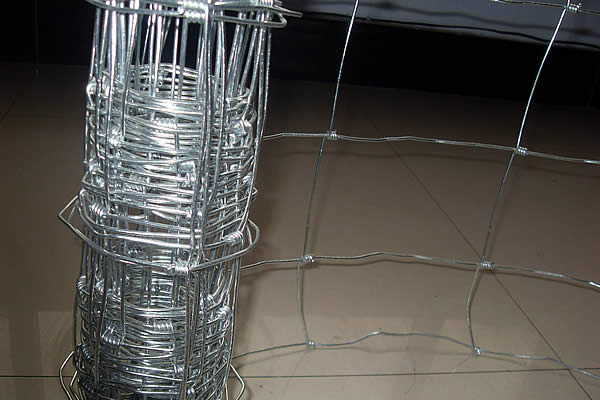
Knotted Wire Mesh Fences, also known as fixed knot fences, are engineered to provide robust and reliable fencing solutions for a wide range of applications. These fences are particularly effective in agricultural and industrial settings where durability and strength are paramount. Manufactured using high-quality materials, they offer long-term performance and minimal maintenance, making them a preferred choice for farmers, ranchers, and industrial operators.
Key Features of Knotted Wire Mesh Fences
One of the standout features of knotted wire mesh fences is their exceptional strength and tensile properties. Constructed from hot-dipped zinc-coated steel wire, these fences are designed to withstand harsh environmental conditions and frequent animal contact. The high tensile strength ensures that the fence remains intact even under significant stress, making it ideal for containing livestock such as cattle, horses, and goats.
Another notable feature is the ease of installation and maintenance. Unlike traditional fencing materials, knotted wire mesh can be easily cut, fixed, and glued, reducing the time and labor required for setup. Additionally, the material does not require staining or water sealing, further minimizing upkeep costs.
Technical Specifications
The knotted wire mesh fence is available in various specifications to suit different requirements. The following table outlines the key technical parameters:
| Specifications | Number of Wrap Wire | Roll Width (mm) | Edge Wrap Wire Diameter (mm) | Middle Weft Wire Diameter (mm) | Wrap Wire Diameter (mm) |
|---|---|---|---|---|---|
| 91L5/70/15 | 5 | 700 | 2.8 | 2.5 | 2.5 |
| 91L8/110/15 | 8 | 1100 | 2.8 | 2.5 | 2.5 |
| 91L5/70/30 | 5 | 700 | 2.8 | 2.5 | 2.5 |
| 91L6/90/30 | 6 | 700 | 2.8 | 2.5 | 2.5 |
| 91L6/90/30 | 6 | 900 | 2.8 | 2.5 | 2.5 |
| 91L7/90/30 | 7 | 900 | 2.8 | 2.5 | 2.5 |
| 91L8/110/30 | 8 | 1100 | 2.8 | 2.5 | 2.5 |
| 91L5/70/60 | 5 | 700 | 2.8 | 2.5 | 2.5 |
| 91L/6/90/60 | 6 | 900 | 2.8 | 2.5 | 2.5 |
| 91L6/100/60 | 6 | 1000 | 2.8 | 2.5 | 2.5 |
| 91L7/90/60 | 7 | 900 | 2.8 | 2.5 | 2.5 |
| 91L7/100/60 | 7 | 1000 | 2.8 | 2.5 | 2.5 |
| 91L7/110/60 | 7 | 1100 | 2.8 | 2.5 | 2.5 |
| 91L8/110/60 | 8 | 1100 | 2.8 | 2.5 | 2.5 |
The knotted wire mesh is also available in different lengths and heights, ranging from 50-100mm in length and 0.5-2.4m in height. This versatility allows for customization to meet specific fencing needs, whether for small-scale farming or large industrial applications.
Advantages of Knotted Wire Mesh Fences
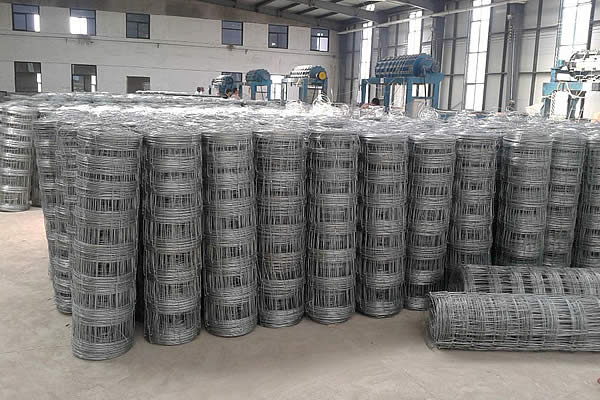
One of the primary advantages of knotted wire mesh fences is their exceptional durability. The hot-dipped zinc coating provides excellent corrosion resistance, ensuring the fence remains intact even in harsh outdoor conditions. This longevity translates to a lifespan of at least 8-12 years, making it a cost-effective solution in the long run.
Additionally, the high compressive-tensile-shear strength of the material allows it to withstand impacts and heavy loads. This makes it ideal for use in areas where livestock may frequently collide with the fence. The knotted wire mesh also exhibits a modulus of elasticity that is 20% greater than PVC, reducing the need for additional reinforcement in most applications.
The ease of installation and maintenance is another significant advantage. Unlike traditional fencing materials that require complex installation processes, knotted wire mesh can be quickly and easily set up, saving both time and labor costs. The minimal maintenance requirements further reduce operational expenses, making it an attractive option for budget-conscious users.
Applications of Knotted Wire Mesh Fences
Knotted wire mesh fences are widely used in various sectors, including agriculture, forestry, and industrial applications. In agricultural settings, they are commonly employed as grassland fences, ranch fences, and pasture fences. These fences effectively contain livestock, preventing them from wandering off and ensuring the safety of the animals.
In forestry and ecological projects, knotted wire mesh is used for protective isolation in areas such as embankments, roads, and reservoirs. The material's strength and durability make it suitable for use in challenging environments, where traditional fencing materials may not perform as well.
Industrial applications include the use of knotted wire mesh in stadiums, green belts, and poultry houses. The fence's ability to withstand heavy usage and its low maintenance requirements make it an ideal choice for these settings.
Company Background: Hebei Tengyuan Wire Mesh Products Co., Ltd.
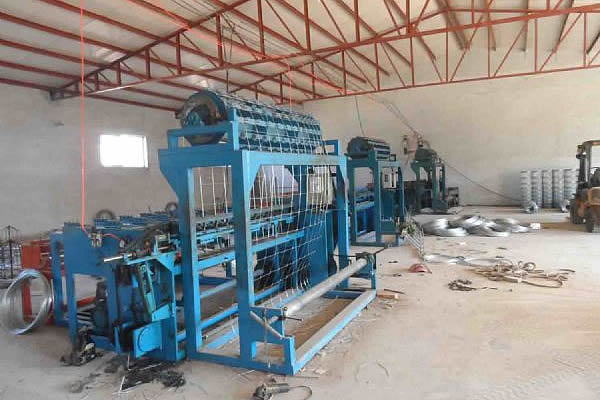
Knotted wire mesh fences are manufactured by Hebei Tengyuan Wire Mesh Products Co., Ltd., a leading company in the production of high-quality fencing solutions. With years of experience in the industry, Hebei Tengyuan has established itself as a reliable supplier of fixed knot fencing and other wire mesh products.
The company's commitment to quality and innovation ensures that its products meet the highest standards of performance and durability. Hebei Tengyuan's knotted wire mesh fences are widely used in North America, including the United States, Canada, Australia, and New Zealand, where they are trusted for their reliability and effectiveness.
Hebei Tengyuan also offers customized solutions to meet the specific needs of its clients. Whether it's for agricultural fencing or industrial applications, the company provides tailored products that deliver exceptional value and performance.
Conclusion
Knotted wire mesh fences are a versatile and durable solution for a wide range of fencing needs. With their high strength, ease of installation, and long lifespan, they offer an excellent alternative to traditional fencing materials. Hebei Tengyuan Wire Mesh Products Co., Ltd. continues to lead the industry with its commitment to quality and innovation, ensuring that its products meet the demands of modern agricultural and industrial applications.
References
While specific NIST standards for knotted wire mesh fences were not found in the initial search, the principles of material durability, corrosion resistance, and structural integrity referenced in this article align with general NIST guidelines for industrial materials. For further information on NIST standards, please visit the official NIST website.