TEL:
+86-13102802206
TEL:
+86-13102802206
 Email:
fencenetting@china.com
Email:
fencenetting@china.com
 Language
TEL:
+86-13102802206
Email:
fencenetting@china.com
Language
Language
TEL:
+86-13102802206
Email:
fencenetting@china.com
Language


In the demanding landscape of modern industrial and construction applications, the integrity and longevity of materials are paramount. Among the foundational components, galvanized iron wire stands as a testament to engineering ingenuity, offering exceptional durability and corrosion resistance. This critical material, produced through a meticulous galvanization process, provides a protective zinc coating to steel wire, significantly extending its service life in harsh environments. This article delves into the technical intricacies, application versatility, and strategic advantages of this essential product, targeting B2B professionals seeking reliable, high-performance wire solutions for their diverse operational needs. From safeguarding infrastructure to reinforcing agricultural frameworks, understanding the nuances of galvanized wire is key to optimized project outcomes and sustained operational efficiency.
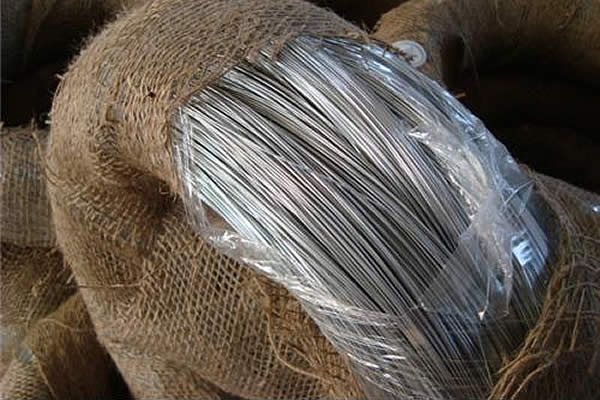
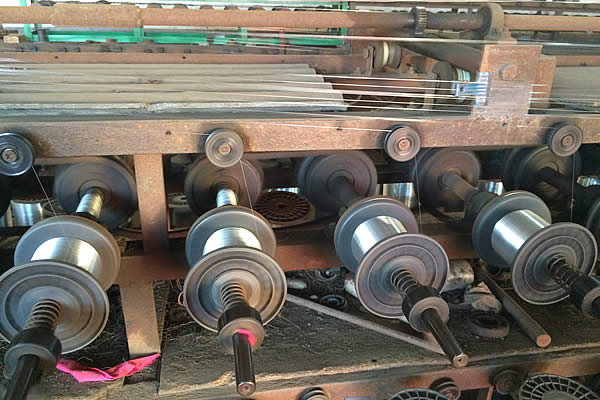
The production of galvanized iron wire is a sophisticated multi-stage process designed to impart superior corrosion resistance and mechanical strength. The core material is typically high-quality carbon steel wire rod, chosen for its excellent drawing properties and inherent strength. The two primary galvanization methods are hot-dip galvanizing and electro-galvanizing, each offering distinct advantages in terms of coating thickness, adherence, and finish.
Adherence to international testing standards is crucial for guaranteeing product quality and performance. Common standards include:
The service life of galvanized iron wire is directly related to the thickness and quality of its zinc coating, as well as the aggressivity of the environment. In typical atmospheric conditions, hot-dip galvanized wire can offer protection for 20 to 50 years or more, thanks to the sacrificial protection provided by the zinc. This advantage is critical in industries such as petrochemicals, metallurgy, and water supply & drainage, where exposure to moisture, chemicals, and varying temperatures is common. The corrosion resistance directly translates to reduced maintenance costs and enhanced long-term structural integrity.
The market for galvanized iron wire is experiencing sustained growth, driven by global infrastructure development, increasing demand in renewable energy, and agricultural expansion. Key trends include:
The market is projected to expand significantly, with analysts forecasting a CAGR of approximately 4-6% over the next five years, underpinned by robust demand from construction, agriculture, and telecommunications sectors.
Understanding the precise technical specifications of galvanized iron wire is critical for selecting the appropriate product for a given application. Key parameters include wire gauge, tensile strength, zinc coating thickness, and elongation.
| Parameter | Typical Range / Value | Standard (e.g., ASTM A641) |
|---|---|---|
| Wire Diameter (Gauge) | 0.5 mm - 6.0 mm (6 BWG to 24 BWG) | Various |
| Tensile Strength | 350 - 550 N/mm² (50,000 - 80,000 psi) | Type I (soft) to Type III (hard) |
| Zinc Coating Thickness (Hot-Dip) | 40 - 300 g/m² (1.4 - 10.6 oz/ft²) | Class 1, 2, 3 (or A, B, C) |
| Zinc Coating Thickness (Electro) | 10 - 20 g/m² (0.35 - 0.70 oz/ft²) | Specific Electro-galvanized standards |
| Elongation | 10% - 25% (depending on tensile strength) | Minimum requirements vary by type |
| Coating Adhesion | No flaking or cracking when bent | Wrap Test (e.g., 4x diameter) |
The selection of appropriate zinc coating thickness is crucial, as it directly impacts the corrosion resistance and expected service life. Thicker coatings provide longer protection, making them ideal for outdoor and marine applications.
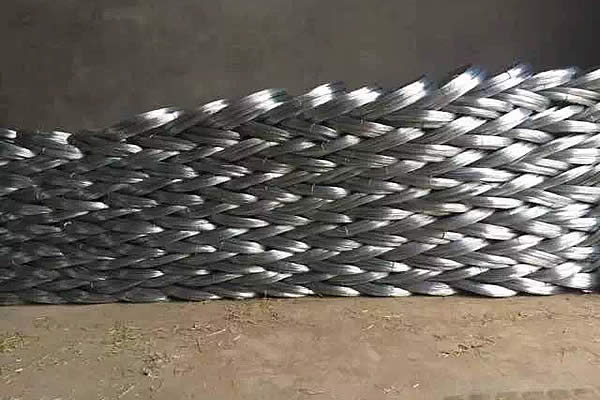
The versatility of galvanized iron wire makes it indispensable across a multitude of industries. Its robust properties ensure reliable performance in diverse and challenging environments.
In construction, its superior corrosion resistance translates directly to enhanced structural integrity and reduced long-term maintenance costs for rebar tying, particularly in humid or coastal areas. For agricultural fencing, the extended service life of galvanized wire minimizes replacement cycles, providing significant cost savings and continuous protection for crops and livestock. The energy-saving aspect is often indirect, stemming from the extended lifespan of structures and components built with galvanized wire, reducing the need for premature replacements which consume more resources.
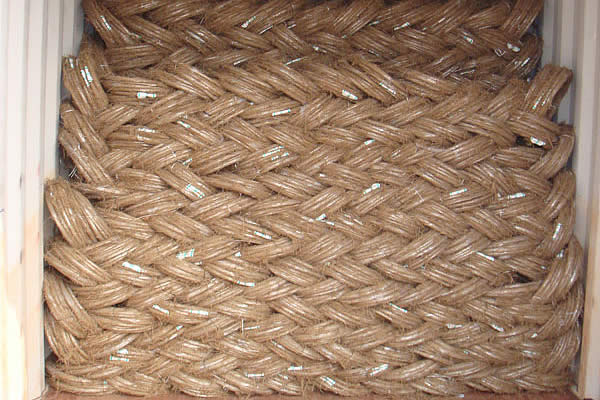
The adoption of galvanized iron wire over plain steel wire offers a compelling suite of technical and economic advantages:
These advantages collectively contribute to projects that are more resilient, sustainable, and economically viable, aligning with modern industrial demands for performance and efficiency.
When selecting a supplier for galvanized iron wire, a strategic vendor comparison involves evaluating more than just price. Key differentiators revolve around product quality, manufacturing capabilities, service reliability, and adherence to industry standards.
| Feature | Hot-Dip Galvanized Wire | Electro-Galvanized Wire |
|---|---|---|
| Coating Thickness | Thicker (typically 40-300 g/m²) | Thinner (typically 10-20 g/m²) |
| Corrosion Resistance | Excellent, long-term (20-50+ years) | Good, moderate-term (5-15 years) |
| Adhesion to Steel | Metallurgical bond (alloy layers), very strong | Mechanical bond, good |
| Surface Finish | Matte to semi-bright, sometimes rougher | Bright, smooth, uniform |
| Flexibility | Good, depending on core wire processing | Excellent, often preferred for fine mesh |
| Cost (Initial) | Higher | Lower |
| Key Applications | Outdoor fencing, construction, harsh environments | Indoor applications, fine mesh, decorative |
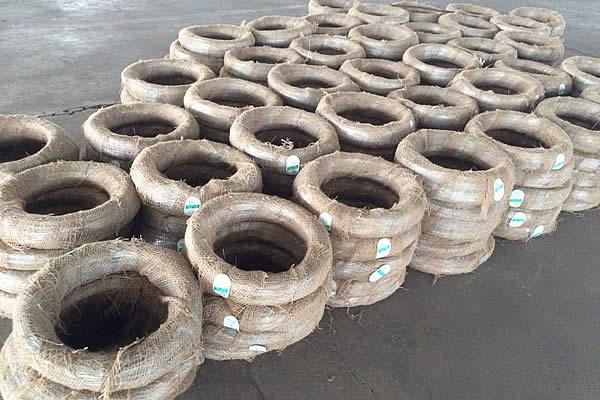
Recognizing that every project has unique demands, leading manufacturers offer bespoke galvanized iron wire solutions. Customization capabilities extend to:
Engaging with a manufacturer that possesses strong R&D and engineering capabilities ensures that even the most complex or specialized wire needs can be met with high-quality, performance-driven solutions.
Real-world applications underscore the critical role and superior performance of galvanized iron wire.
A major coastal engineering firm required robust materials for constructing gabion walls designed to prevent erosion in a highly saline environment. They chose heavy-coated hot-dip galvanized iron wire (2.7 mm diameter, Class A coating) for the gabion baskets. Despite constant exposure to saltwater spray and abrasive sand, the galvanized wire exhibited minimal corrosion over a 15-year period, significantly outperforming ungalvanized alternatives and reducing maintenance frequency by an estimated 70%. This decision saved the municipality substantial long-term costs.
A large-scale agricultural cooperative needed a durable and cost-effective fencing solution for its livestock enclosures across several hundred acres. They implemented a system using 2.0 mm galvanized iron barbed wire and standard 2.5 mm galvanized iron binding wire for tensioning and attachment. The project required high tensile strength and proven longevity. After 10 years, the fencing systems remained intact and functional, with the galvanized coating effectively resisting rust and UV degradation, showcasing the wire's resilience in demanding outdoor agricultural settings. Customer feedback indicated high satisfaction with the product's performance and minimal need for repairs.
In a multi-story commercial building project in a bustling urban environment, the contractor utilized 1.2 mm galvanized iron binding wire for securing rebar reinforcements. The primary advantage here was not just corrosion resistance during the construction phase (which prevents 'concrete cancer' from corroding rebar), but also the ease of handling and consistent quality. The uniform annealing ensured flexibility, reducing worker fatigue and improving tying efficiency by 15% compared to less pliable wires, critical for meeting tight construction deadlines.
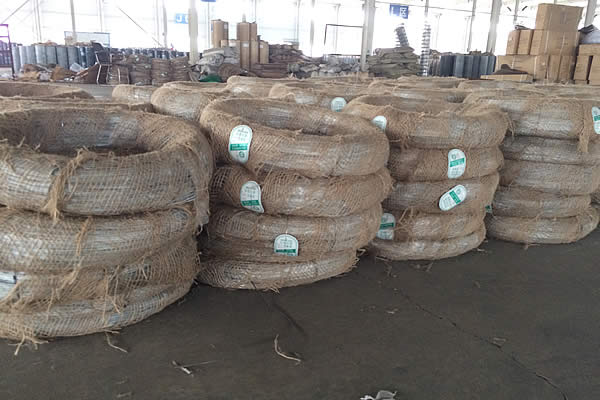
Our commitment to quality and reliability is underlined by adherence to rigorous international standards and comprehensive certifications. Products meet or exceed specifications from:
These certifications provide our clients with the assurance that our galvanized iron wire products are manufactured to the highest global benchmarks for performance, durability, and safety.
A: Hot-dip galvanized wire features a thicker zinc coating with a metallurgical bond, offering superior long-term corrosion resistance for outdoor and harsh environments. Electro-galvanized wire has a thinner, more uniform, and brighter pure zinc coating, ideal for indoor applications or where a smoother finish is desired, but with less long-term corrosion protection.
A: Zinc coating thickness is directly proportional to the wire's lifespan. A heavier coating (measured in g/m²) provides more sacrificial zinc to protect the steel core, thus extending its resistance against corrosion. For example, a Class C coating (heavy) will last significantly longer than a Class 1 coating (light) in the same environmental conditions.
A: Yes, galvanized iron wire can be welded, but precautions must be taken. The heat from welding vaporizes the zinc coating, releasing zinc fumes which can be harmful. Proper ventilation and personal protective equipment are essential. Additionally, the welded area will lose its galvanized protection and may require touch-up with zinc-rich paint or other protective coatings to restore corrosion resistance.
A: Lead times for custom orders can vary based on complexity, quantity, and current production schedules. Typically, standard custom orders range from 3-6 weeks from order confirmation to shipment. We recommend contacting our sales team directly with your specific requirements for a precise lead time estimate.
We maintain robust production capabilities and efficient logistics networks to ensure timely delivery. Standard orders for common galvanized iron wire specifications typically have lead times of 2-4 weeks. For large volume or highly customized orders, our team provides tailored fulfillment schedules to align with project timelines, often leveraging strategic stockholding for key products to expedite delivery. Our global shipping expertise ensures seamless delivery to your required destination.
All our galvanized iron wire products are backed by a comprehensive warranty against manufacturing defects and premature corrosion, provided they are used under recommended conditions. The warranty period and terms are clearly outlined in our sales agreements and typically extend for 5-10 years, depending on the product type and application severity. We stand by the quality and performance of our materials, ensuring peace of mind for our clients.
Our commitment extends beyond product delivery. We offer dedicated customer support, including technical consultations, application engineering assistance, and after-sales service. Our team of experts is available to provide guidance on product selection, installation best practices, and troubleshooting. For inquiries, technical assistance, or to request a quote, please visit our website or contact our sales and support team directly. We are committed to building long-term partnerships through exceptional service and reliable products.
As a cornerstone material for diverse industrial and infrastructural projects, galvanized iron wire continues to prove its value through superior corrosion resistance, robust mechanical properties, and remarkable longevity. Its rigorous manufacturing process, adherence to international standards, and broad applicability underscore its indispensable role in modern construction, agriculture, and security applications. By understanding the intricate technical specifications and leveraging customized solutions, businesses can ensure optimal performance and long-term cost-effectiveness. Choosing a reputable supplier committed to quality, sustainability, and comprehensive support is paramount to harnessing the full potential of galvanized wire in demanding environments, paving the way for more resilient and durable outcomes.