TEL:
+86-13102802206
TEL:
+86-13102802206
 Email:
fencenetting@china.com
Email:
fencenetting@china.com
 Language
TEL:
+86-13102802206
Email:
fencenetting@china.com
Language
Language
TEL:
+86-13102802206
Email:
fencenetting@china.com
Language


The global market for galvanized wire is experiencing robust growth, driven by escalating demand in construction, agriculture, infrastructure development, and various industrial applications. Innovations in coating technologies and environmental regulations are shaping the industry's future. Modern trends emphasize not only superior corrosion resistance but also enhanced ductility, tensile strength, and reduced environmental impact throughout the production lifecycle. The focus is shifting towards sustainable manufacturing practices and the development of specialized coatings that offer extended service life in increasingly aggressive environments.
Key drivers include rapid urbanization in developing economies, increased investment in power transmission and telecommunication infrastructure, and the expansion of modern agricultural practices requiring durable fencing and trellising solutions. Furthermore, the demand for high-quality galvanized iron wire for safety barriers and perimeter security systems continues to rise globally. Manufacturers are investing in advanced automation and quality control systems to meet stringent international standards and deliver consistent product performance.
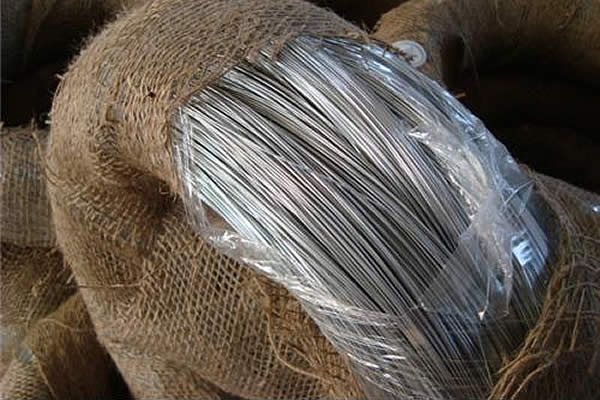
The market is also seeing a diversification in product offerings, including specialized grades for high-stress applications, UV-resistant coatings, and wires engineered for specific installation methods, such as those used in automatic tying machines. This evolution necessitates a deep understanding of material science and application-specific requirements from suppliers.
The production of galvanized iron wire is a sophisticated, multi-stage process designed to impart exceptional corrosion resistance and mechanical properties to carbon steel wire. Our manufacturing adheres to stringent quality protocols, ensuring each coil meets or exceeds international standards like ASTM A641/A641M and BS EN 10244-2.
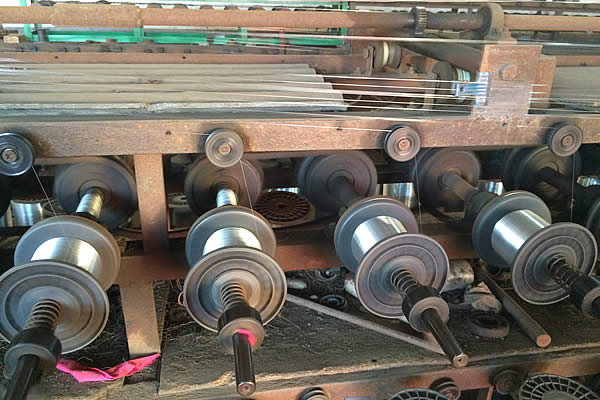
Testing Standards: Our products are rigorously tested against international standards such as ISO 9001 for quality management, ASTM A641/A641M for zinc-coated (galvanized) carbon steel wire, and BS EN 10244-2 for zinc and zinc alloy coatings on steel wire. Key tests include zinc coating weight, tensile strength, elongation, and adherence tests (wrap test).
Service Life: Depending on environmental conditions and zinc coating thickness, the service life of hot-dip galvanized iron wire can range from 20 to 50 years or even longer in less corrosive environments. This longevity is a key advantage, offering superior cost-effectiveness over the product lifecycle.
Target Industries: Our galvanized wire products serve diverse sectors including petrochemical, metallurgy, water supply & drainage, construction (rebar tying, mesh), agriculture (fencing, trellising), power transmission, and telecommunications. Advantages like energy saving in infrastructure and exceptional corrosion resistance are paramount in these demanding applications.
The global market for galvanized wire is experiencing robust growth, driven by escalating demand in construction, agriculture, infrastructure development, and various industrial applications. Innovations in coating technologies and environmental regulations are shaping the industry's future. Modern trends emphasize not only superior corrosion resistance but also enhanced ductility, tensile strength, and reduced environmental impact throughout the production lifecycle. The focus is shifting towards sustainable manufacturing practices and the development of specialized coatings that offer extended service life in increasingly aggressive environments.
Key drivers include rapid urbanization in developing economies, increased investment in power transmission and telecommunication infrastructure, and the expansion of modern agricultural practices requiring durable fencing and trellising solutions. Furthermore, the demand for high-quality galvanized iron wire for safety barriers and perimeter security systems continues to rise globally. Manufacturers are investing in advanced automation and quality control systems to meet stringent international standards and deliver consistent product performance.
The market is also seeing a diversification in product offerings, including specialized grades for high-stress applications, UV-resistant coatings, and wires engineered for specific installation methods, such as those used in automatic tying machines. This evolution necessitates a deep understanding of material science and application-specific requirements from suppliers.
The production of galvanized iron wire is a sophisticated, multi-stage process designed to impart exceptional corrosion resistance and mechanical properties to carbon steel wire. Our manufacturing adheres to stringent quality protocols, ensuring each coil meets or exceeds international standards like ASTM A641/A641M and BS EN 10244-2.
Testing Standards: Our products are rigorously tested against international standards such as ISO 9001 for quality management, ASTM A641/A641M for zinc-coated (galvanized) carbon steel wire, and BS EN 10244-2 for zinc and zinc alloy coatings on steel wire. Key tests include zinc coating weight, tensile strength, elongation, and adherence tests (wrap test).
Service Life: Depending on environmental conditions and zinc coating thickness, the service life of hot-dip galvanized iron wire can range from 20 to 50 years or even longer in less corrosive environments. This longevity is a key advantage, offering superior cost-effectiveness over the product lifecycle.
Target Industries: Our galvanized wire products serve diverse sectors including petrochemical, metallurgy, water supply & drainage, construction (rebar tying, mesh), agriculture (fencing, trellising), power transmission, and telecommunications. Advantages like energy saving in infrastructure and exceptional corrosion resistance are paramount in these demanding applications.
Understanding the precise technical specifications of galvanized iron wire is crucial for ensuring optimal performance in specific applications. Our product range offers a variety of grades tailored to meet diverse industrial requirements for strength, ductility, and corrosion protection.
| Parameter | Typical Range / Standard | Unit / Description |
|---|---|---|
| Material | Low Carbon Steel (Q195, SAE 1006) | Wire Rod Grade |
| Wire Diameter | 0.5 mm - 5.0 mm (0.02 in - 0.20 in) | BWG 8 to BWG 36 |
| Tensile Strength | 350 - 550 MPa (50,000 - 80,000 psi) | Soft to Hard Drawn |
| Elongation | ≥ 10% (for soft wire) | Measure of ductility |
| Zinc Coating Weight (Hot-Dip) | 30 - 300 g/m² (0.1 - 0.98 oz/ft²) | Type A, B, C per ASTM A641 |
| Zinc Coating Weight (Electro Galvanized) | 8 - 25 g/m² (0.03 - 0.08 oz/ft²) | Lighter, smoother finish |
| Coating Adherence | No peeling or flaking (Wrap Test) | ASTM A641/BS EN 10244-2 |
| Surface Finish | Smooth, uniform, bright | Free from blemishes |
These parameters are critical for selecting the appropriate wire for applications ranging from general-purpose fencing to high-tensile vineyard trellising and demanding construction rebar tying. Custom specifications are available upon request to meet unique project requirements.
The versatility and protective qualities of galvanized iron wire make it indispensable across a multitude of industries. Its resistance to rust and corrosion ensures reliability in challenging environments, significantly extending the lifespan of structures and systems.
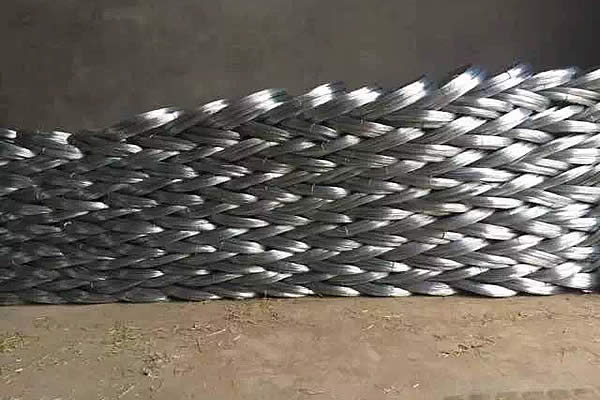
These diverse applications underscore the critical role that properly specified and manufactured galvanized wire plays in ensuring safety, longevity, and cost-efficiency across global industries.
The inherent advantages of galvanized iron wire stem from the synergistic properties of steel and its zinc coating, offering a superior alternative to uncoated steel in many environments. These advantages translate directly into long-term operational benefits and reduced maintenance costs for end-users.
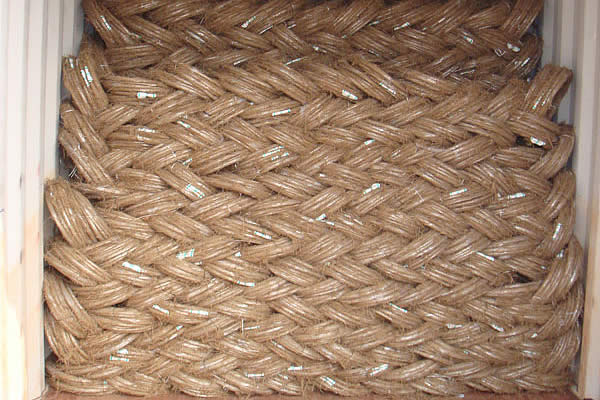
These performance metrics underscore why galvanized wire is the material of choice for demanding B2B applications, ensuring both reliability and a strong return on investment.
When selecting a supplier for galvanized iron wire, understanding the distinctions between different galvanizing processes is crucial. The two primary methods, hot-dip galvanizing and electro-galvanizing, yield products with distinct characteristics, suited for varying applications and performance expectations.
| Feature | Hot-Dip Galvanized Iron Wire | Electro Galvanized Iron Wire |
|---|---|---|
| Coating Thickness | Thicker (typically 30-300 g/m²) | Thinner (typically 8-25 g/m²) |
| Corrosion Resistance | Excellent, long-lasting (20-50+ years) due to metallurgical bond and thick layer. | Good, but less durable than hot-dip (5-10 years) for barrier protection. |
| Surface Finish | Slightly rougher, often with "spangle" pattern. | Very smooth, bright, and uniform. |
| Ductility / Flexibility | Retains good ductility, especially with post-galvanizing annealing. | Excellent, as galvanizing occurs at ambient temperature. |
| Cost | Generally higher initial cost due to zinc consumption. | Generally lower initial cost. |
| Typical Applications | Outdoor, heavy-duty, long-term exposure: fencing, construction, agriculture, galvanized iron barbed wire, galvanized iron wire netting. | Indoor, aesthetic, light-duty, further processing: mesh weaving, crafts, rebar tying (electro galvanized iron wire for softer applications). |
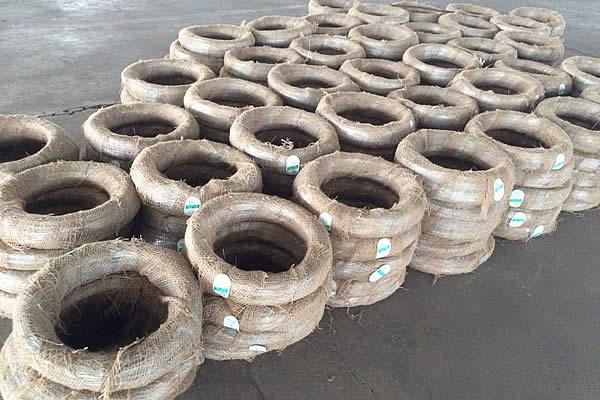
Choosing the right vendor involves not just product quality, but also technical expertise to guide clients to the optimal solution based on application, environment, and budget. Our commitment to both hot-dip and electro-galvanized processes ensures we can cater to the full spectrum of client needs.
Recognizing that standard products may not always perfectly align with unique project demands, we specialize in offering customized solutions for galvanized iron wire. Our engineering team works closely with clients to develop wire products that precisely meet their technical specifications and operational requirements.
Our consultative approach ensures that all aspects from material grade to final packaging are optimized for your unique project, demonstrating our flexibility and commitment to partner success. With decades of experience, we translate complex technical requirements into high-performance wire solutions.
Real-world application demonstrates the tangible benefits and reliability of our galvanized iron wire products. Below are examples showcasing our successful partnerships and product performance.
Client: Major Vineyard & Orchard Operator, California, USA
Challenge: The client required a durable, high-tensile wire for a new 500-acre vineyard trellising system. The wire needed to withstand significant crop load, strong winds, and continuous exposure to agricultural chemicals and high UV radiation, with a minimum service life of 30 years to match the vineyard's projected lifespan.
Solution: We supplied custom-designed Class III hot-dip galvanized iron wire with a diameter of 2.8mm (12.5 gauge) and a high tensile strength of 950-1100 MPa. The heavy zinc coating (approx. 275 g/m²) provided superior corrosion resistance, validated by salt spray testing (over 1000 hours). The wire's optimized ductility allowed for efficient machine-based installation.
Outcome: The system has been operational for 15 years without any reported wire failures or significant degradation, significantly exceeding the client's initial expectations for durability and minimizing maintenance costs. The vineyard's productivity increased due to the stable support structure.
Client: Industrial Port Authority, Gulf Coast Region
Challenge: The port required a new perimeter security fence capable of withstanding the highly corrosive marine environment (salt spray, high humidity) while providing robust physical deterrence. Standard fencing materials exhibited rapid deterioration.
Solution: We provided specially treated hot-dip galvanized iron barbed wire and galvanized iron wire netting. The wire featured a specialized extra-heavy zinc coating exceeding ASTM Class C requirements, engineered for maximum longevity in saline conditions. Additionally, a PVC coating option was made available for supplementary protection for selected components.
Outcome: The installed security fence has shown exceptional resistance to corrosion, maintaining its structural integrity and deterrent capabilities five years post-installation, with minimal signs of degradation, drastically reducing the projected maintenance schedule and costs for the Port Authority.
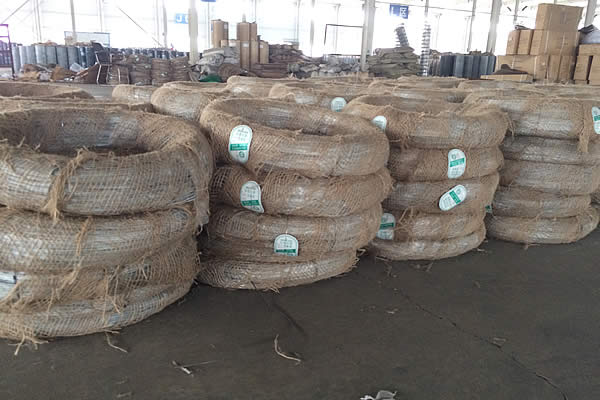
A: Hot-dip galvanizing involves immersing the steel wire in molten zinc, creating a thick, metallurgically bonded coating with excellent corrosion resistance. Electro galvanizing (or electro galvanized iron wire) uses an electrolytic process to apply a thinner, smoother zinc coating. Hot-dip offers superior long-term protection, while electro-galvanized wire is often preferred for its aesthetic finish and ductility in less corrosive environments.
A: Yes, absolutely. We offer customized solutions for tensile strength, ranging from extra soft (annealed for high ductility, like galvanized iron binding wire) to high tensile (hard drawn for maximum strength). These are achieved by precisely controlling the wire drawing and annealing processes.
A: Our products consistently meet and often exceed international standards such as ASTM A641/A641M (Standard Specification for Zinc-Coated (Galvanized) Carbon Steel Wire), BS EN 10244-2 (Steel wire and wire products - Non-ferrous metallic coatings on steel wire - Zinc or zinc alloy coatings), and ISO 9001 for quality management systems.
A: Lead times vary depending on the complexity of the customization, order volume, and current production schedule. For standard products, lead time is typically 2-4 weeks. For custom orders, it can range from 4-8 weeks. We always provide a precise lead time estimate during the quotation process and maintain transparent communication on order fulfillment. Expedited options may be available for urgent requirements.
A: Yes, we stand by the quality of our products. All our galvanized iron wire products come with a comprehensive warranty against manufacturing defects and premature corrosion under normal use conditions, specific terms outlined in our sales agreements. Our commitment to quality ensures customer satisfaction and long-term performance.
Our commitment extends beyond delivering high-quality galvanized iron wire. We pride ourselves on providing exceptional customer support and fostering strong, lasting partnerships with our B2B clients.
We believe in building relationships based on trust, reliability, and technical excellence. Partner with us for a seamless experience and high-performance galvanized wire solutions.