TEL:
+86-13102802206
TEL:
+86-13102802206
 Email:
fencenetting@china.com
Email:
fencenetting@china.com
 Language
TEL:
+86-13102802206
Email:
fencenetting@china.com
Language
Language
TEL:
+86-13102802206
Email:
fencenetting@china.com
Language


Stainless steel cable, particularly the 5/16 inch diameter variant, is a versatile material widely used across numerous industries. Its strength, corrosion resistance, and durability make it an ideal choice for applications ranging from rigging and marine environments to architectural projects and safety barriers. This article will explore the key features, common uses, and benefits of 5/16 stainless cable, offering insights for professionals and anyone seeking a reliable, high-performance cable solution. Choosing the right cable diameter and material is essential for ensuring safety and longevity in any application.
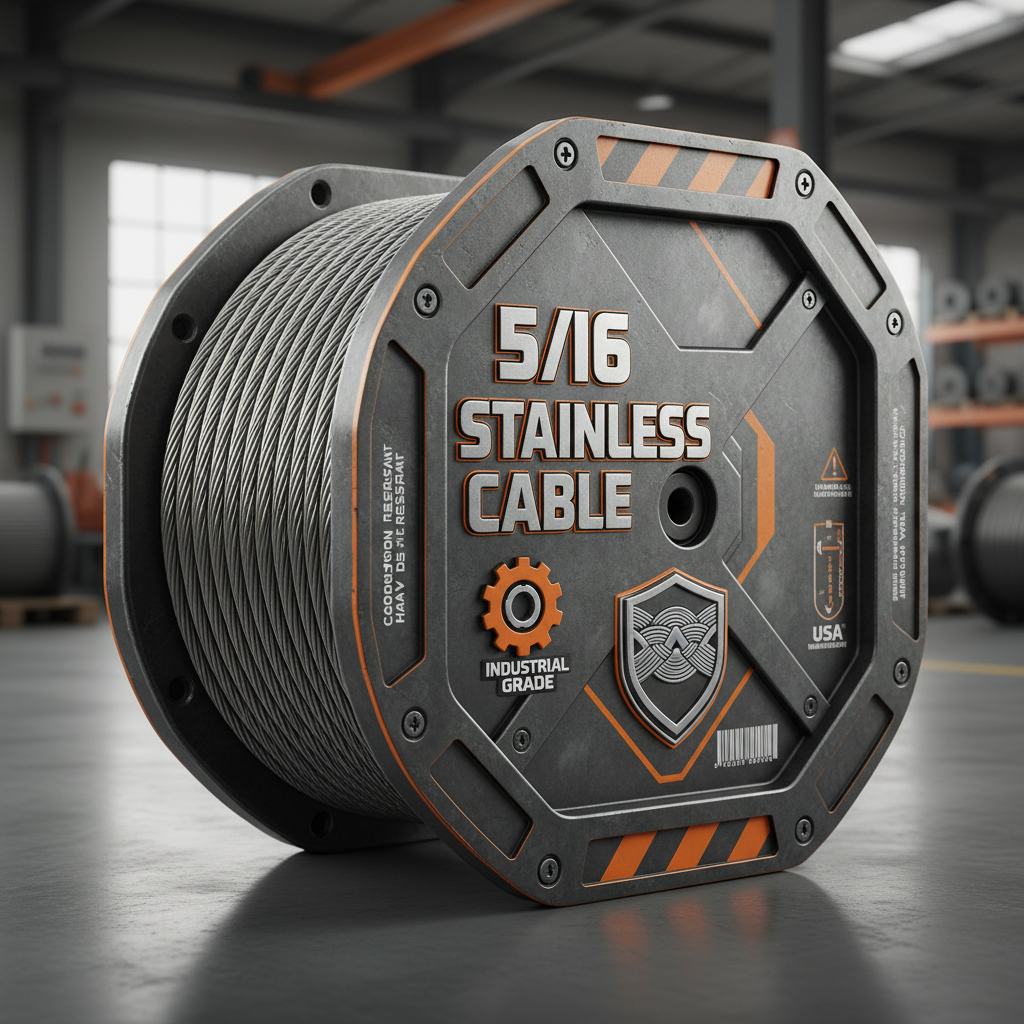
The 5/16 inch diameter is a popular size, striking a balance between strength and flexibility. This stainless cable is typically constructed from 304 or 316 stainless steel, with 316 offering superior corrosion resistance, particularly in marine environments. The cable's construction, often 7x19 strand, contributes to its flexibility and resistance to kinking. Its tensile strength ensures it can withstand significant loads, and its smooth surface minimizes friction. The 5/16 stainless steel cable boasts high resistance to abrasion, heat, and chemical exposure. This makes it a long-lasting and reliable option for demanding applications.
Key Highlights: High tensile strength, corrosion resistance (especially with 316 grade), flexibility, durability, and resistance to abrasion and chemicals.
The versatility of 5/16 stainless cable leads to its implementation in diverse fields. In marine applications, it’s frequently used for rigging sailboat stays and lifelines. Architecturally, it’s employed in cable railings, suspension bridges, and artistic installations. Safety barriers, handrails, and guardrails benefit from its strength and corrosion resistance. The cable is also found in winches, hoists, and lifting equipment where a strong, reliable cable is essential. Its consistent diameter and flexibility make it ideal for running through pulleys and around tight bends. Furthermore, it is utilized in signage, displays, and various industrial applications requiring a durable and aesthetically pleasing cable.
Application Areas:
• Marine Rigging (stays, lifelines)
• Architectural Railings & Bridges
• Safety Barriers & Guardrails
• Winches, Hoists & Lifting Equipment
Two primary grades of stainless steel are commonly used for cable production: 304 and 316. 304 stainless steel offers excellent corrosion resistance in most environments, making it suitable for general applications. However, in harsh, saltwater environments or areas exposed to chlorides, 316 stainless steel provides superior protection against corrosion. This is due to the addition of molybdenum in its composition. The cost of 316 is higher than 304, but the increased longevity and reliability in challenging environments often justify the investment. Selecting the appropriate grade is crucial for ensuring long-term performance and preventing premature failure.
When selecting 5/16 stainless cable, consider the environment, the load requirements, and the frequency of use. For general applications in non-corrosive environments, 304 stainless steel is often sufficient. However, for marine applications, coastal regions, or exposure to harsh chemicals, 316 stainless steel is the preferred choice. It's also important to choose a reputable supplier like TY Wire Mesh to ensure the cable meets industry standards for strength and quality. Proper installation techniques and regular inspection are also critical for maximizing the cable's lifespan and ensuring its safe operation.
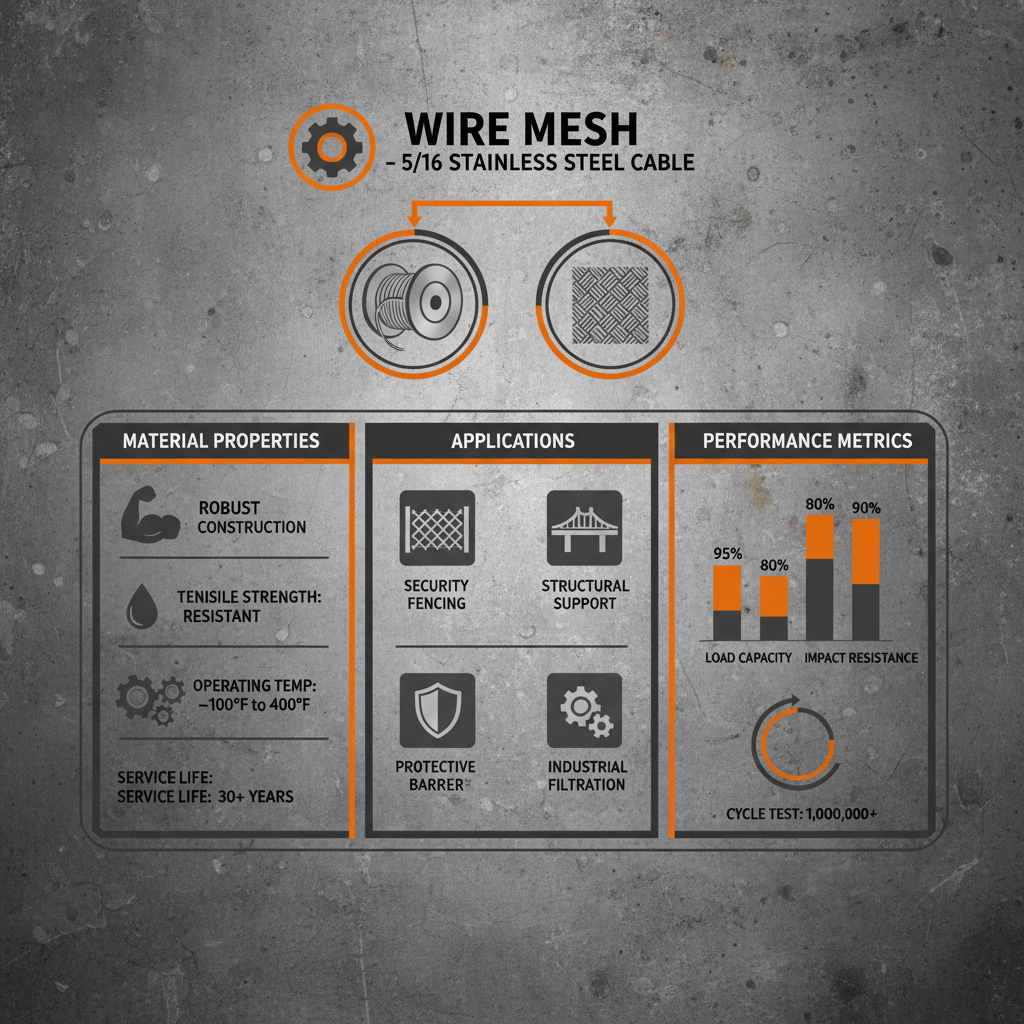
Here's a general overview of typical specifications. Always confirm specifications with the manufacturer before use.
Selecting the right stainless steel cable is crucial for ensuring safety, reliability, and longevity in any application. Understanding the differences between 304 and 316 grades, and considering the specific environmental conditions, will help you make an informed decision. For high-quality 5/16 stainless cable and expert advice, TY Wire Mesh is a trusted partner.
The breaking strength of 5/16 stainless steel cable varies depending on the grade (304 or 316) and the cable's construction (e.g., 7x19 strand). Generally, a 5/16 inch 7x19 stainless steel cable can have a breaking strength ranging from 4,800 lbs to 6,500 lbs. It's essential to consult the manufacturer's specifications for the exact breaking strength of the specific cable you are using. Remember to apply a safety factor when determining the working load limit for your application – typically, a safety factor of 5:1 is recommended, meaning the working load limit should be no more than 1/5th of the breaking strength.
Cutting stainless steel cable requires the right tools to avoid fraying and damage. Using standard wire cutters is not recommended. A hydraulic cable cutter is the preferred method for clean, precise cuts. Alternatively, a rotary cutting tool with a stainless steel cutting disc can be used, but it's crucial to control the heat generated to prevent weakening the cable. After cutting, always finish the ends with ferrules or sleeves to prevent unraveling and ensure safety. Remember to wear appropriate safety gear, including gloves and eye protection, when cutting stainless steel cable.
Ferrules are small, typically metal sleeves that are crimped onto the end of a stainless steel cable to prevent it from unraveling and to provide a secure connection point. They are crucial for maintaining the cable's integrity and ensuring its safe operation. Ferrules prevent individual strands from fraying, which can reduce the cable's strength and potentially cause injury. Choosing the correct size and material of ferrule is essential for a secure and reliable connection. Stainless steel ferrules are recommended for use with stainless steel cable to prevent corrosion.
Regular inspection of stainless steel cable is vital for ensuring its continued safety and reliability. The frequency of inspection depends on the application and the severity of the environment. However, a visual inspection should be conducted at least monthly, and more frequently in harsh environments. Look for signs of corrosion, fraying, kinking, broken strands, or damage to the ferrules. Any cable showing signs of damage should be replaced immediately. Keep a log of inspections to track the cable’s condition and maintain a record of maintenance.