TEL:
+86-13102802206
TEL:
+86-13102802206
 Email:
fencenetting@china.com
Email:
fencenetting@china.com
 Language
TEL:
+86-13102802206
Email:
fencenetting@china.com
Language
Language
TEL:
+86-13102802206
Email:
fencenetting@china.com
Language


When selecting a cable for diverse applications, particularly in industries demanding durability and corrosion resistance, 1 2 stainless cable emerges as a highly reliable solution. Its unique properties make it suitable for everything from architectural projects to marine environments. This article will delve into the characteristics, benefits, and practical applications of this versatile cable, offering a comprehensive guide for professionals and buyers alike. We’ll explore why TY Wire Mesh is a trusted supplier of high-quality stainless steel cable.
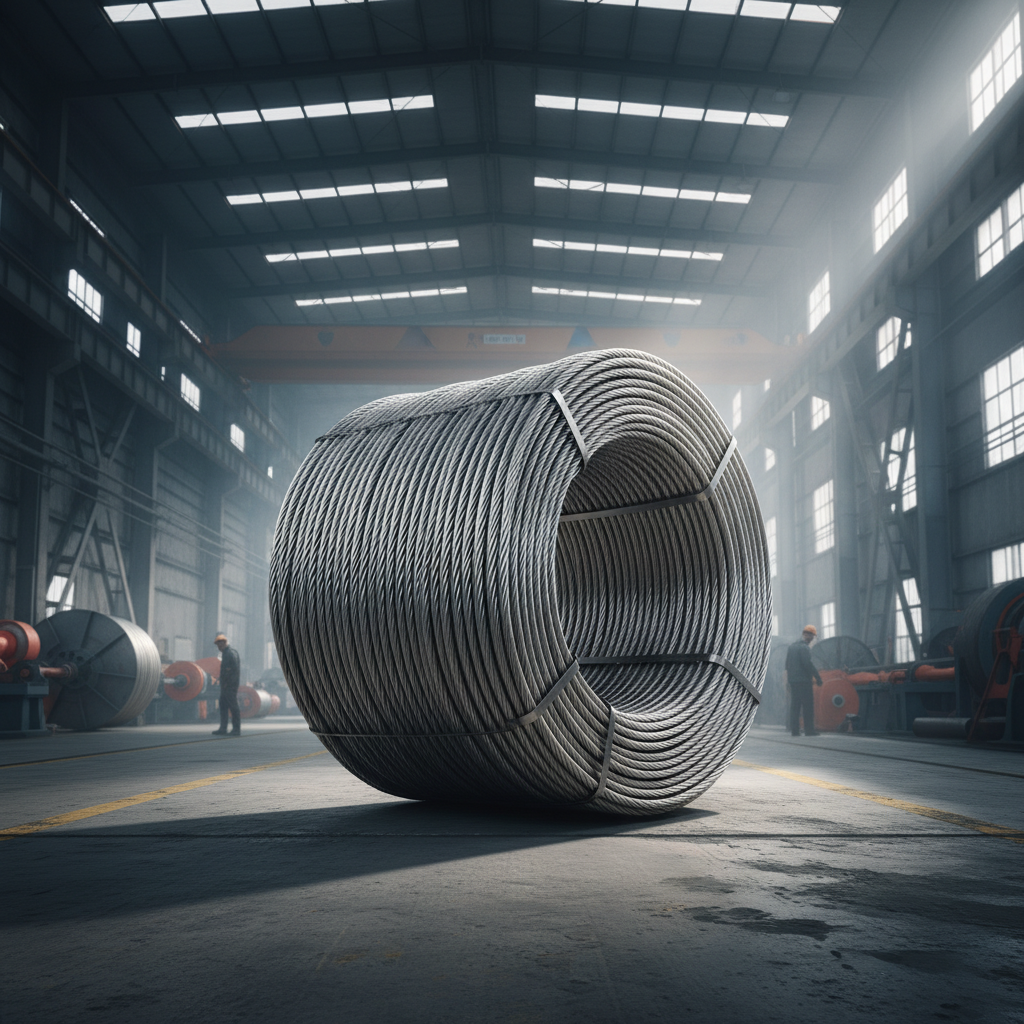
“1 2 stainless cable” refers to a stainless steel cable with a diameter of 1/2 inch (12.7mm). Stainless steel is an alloy of iron containing a minimum of 10.5% chromium. This chromium content is what gives stainless steel its excellent corrosion resistance. Different grades of stainless steel are available, with 304 and 316 being the most common for cable applications. 316 stainless steel contains molybdenum, further enhancing its resistance to chloride corrosion, making it ideal for marine and coastal environments. The cable is typically constructed by stranding multiple wires together, providing increased strength and flexibility. This combination of material and construction makes it a robust and long-lasting solution for numerous applications.
Key Highlights: 1/2 inch diameter stainless steel cable offers a superior balance of strength, flexibility, and corrosion resistance, making it an excellent choice for demanding applications.
The versatility of 1 2 stainless cable leads to its use in a wide array of applications. Common examples include architectural cable railings, bridge cable systems, marine rigging, security fencing, and supporting overhead lighting. In architectural projects, it provides a sleek and modern aesthetic while offering robust safety. For marine applications, its corrosion resistance is paramount to ensure long-term reliability. Furthermore, it's frequently utilized in industrial settings for lifting and hoisting operations where strength and durability are critical. TY Wire Mesh provides tailored stainless steel cable solutions to meet the unique demands of these diverse industries.
Application Areas:
• Architectural Railings
• Marine Rigging
• Bridge Cable Systems
• Security Fencing
• Industrial Lifting
While both 304 and 316 stainless steel offer excellent corrosion resistance, 316 is generally preferred for more demanding environments. 316 contains molybdenum, which significantly enhances its resistance to chloride corrosion, a common issue in saltwater or coastal areas. This makes 316 the go-to choice for marine applications. 304 is a more cost-effective option and is suitable for indoor or freshwater environments where chloride exposure is minimal. The table below provides a detailed comparison of the two grades.
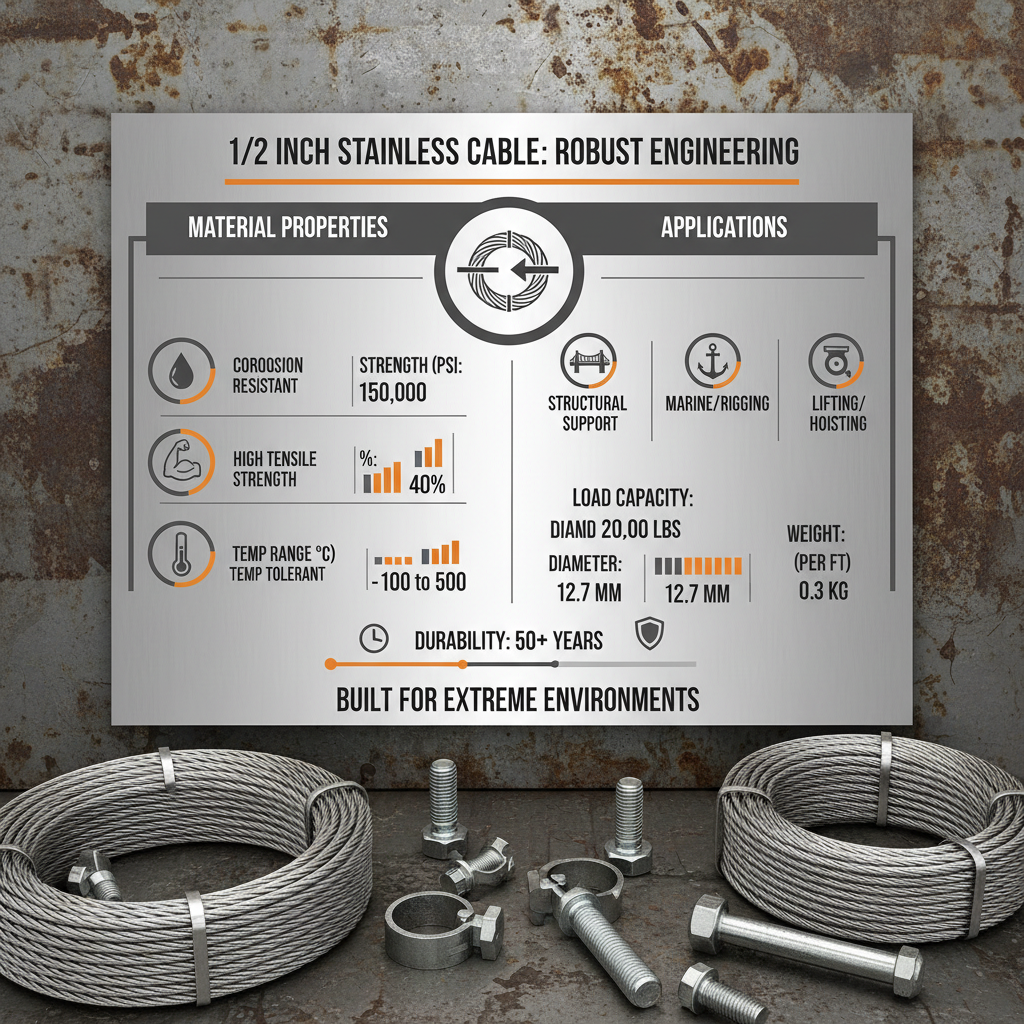
Determining the appropriate load capacity for 1 2 stainless cable is crucial for safety and performance. Several factors come into play, including the cable’s grade (304 or 316), the construction (number of strands and wires), and the specific application. Dynamic loads, such as those experienced in marine rigging, require a significantly higher safety factor than static loads. Always consult with a qualified engineer or refer to industry standards to calculate the appropriate working load limit (WLL) for your specific application. TY Wire Mesh can provide detailed specifications and technical support to ensure you select the right cable for your needs.
Selecting a reputable supplier is paramount to ensure the quality and reliability of your 1 2 stainless cable. Look for suppliers who offer certifications of material grade, perform rigorous quality control testing, and provide technical support. TY Wire Mesh is a leading provider of stainless steel wire rope and cable, offering a wide range of sizes, grades, and constructions. We are committed to delivering high-quality products and exceptional customer service. With our experience and expertise, we can help you find the perfect cable solution for your specific requirements.
Choosing the right 1 2 stainless cable is a critical decision that impacts the safety, durability, and performance of your project. By understanding the different grades, applications, and factors affecting load capacity, you can make an informed choice. Partnering with a trusted supplier like TY Wire Mesh ensures you receive high-quality products and expert support.
The tensile strength of 1/2 inch 316 stainless steel cable varies depending on its construction (number of strands and wires). However, a typical value ranges from 17,700 lbs to 20,000 lbs (approximately 80-90 kN). It's crucial to consult the manufacturer’s specifications for the exact tensile strength of the specific cable you are considering. Keep in mind that the Working Load Limit (WLL) is significantly lower than the tensile strength and is determined by applying a safety factor, typically 5:1 or higher, depending on the application.
The appropriate safety factor depends on the severity of the service conditions and the potential consequences of failure. For static applications with minimal risk, a 5:1 safety factor is generally acceptable. However, dynamic applications involving shock loading, fatigue, or lifting personnel require higher safety factors, often 8:1 or even 10:1. Industry standards, such as those published by OSHA and ASME, provide guidance on safety factor selection. Consulting with a qualified engineer is recommended to ensure the correct safety factor is applied.
Yes, 316 stainless steel cable is well-suited for submerged applications due to its superior resistance to chloride corrosion. However, the specific environment and duration of submersion should be considered. Prolonged exposure to harsh chemicals or high salinity may require additional protection or periodic inspection. It's also important to ensure the end terminations (e.g., swaged fittings) are also corrosion-resistant.
A variety of fittings are compatible with 1/2 inch stainless steel cable, including swaged sleeves, compression fittings, and mechanical wedge sockets. The choice of fitting depends on the application and the desired strength and flexibility. It's essential to use fittings that are specifically designed for stainless steel cable and are made from compatible materials to prevent corrosion. TY Wire Mesh offers a comprehensive range of fittings to complement our stainless steel cable products.