TEL:
+86-13102802206
TEL:
+86-13102802206
 Email:
fencenetting@china.com
Email:
fencenetting@china.com
 Language
TEL:
+86-13102802206
Email:
fencenetting@china.com
Language
Language
TEL:
+86-13102802206
Email:
fencenetting@china.com
Language


When it comes to reliable and durable cabling solutions for a wide array of applications, 3 16 1x19 stainless steel cable stands out as a versatile and high-performing choice. This article provides a detailed overview of this type of cable, exploring its construction, properties, applications, and why it’s often preferred in demanding environments. We'll delve into its benefits for marine, industrial, and architectural projects, helping you understand if it's the right solution for your needs.
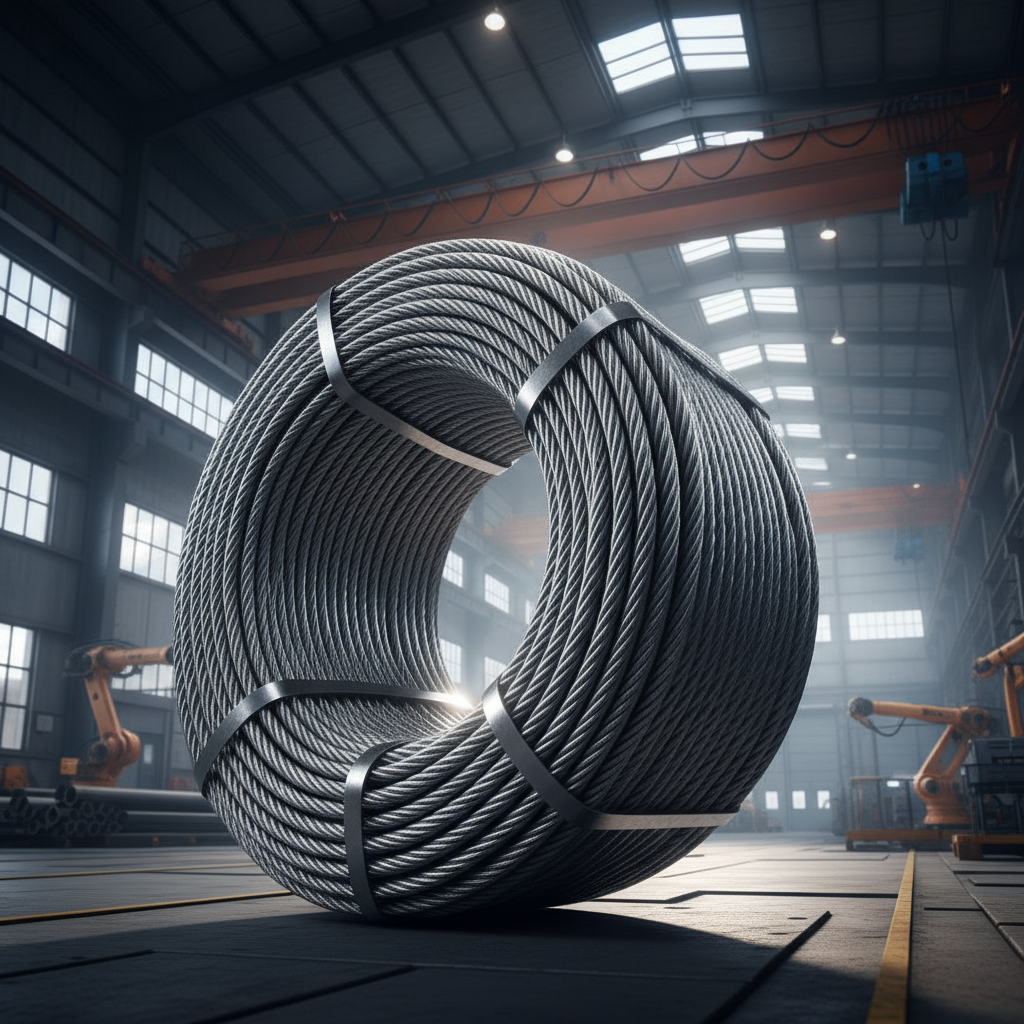
The designation "3 16 1x19" provides key information about the cable's construction. "3 16" refers to the cable's diameter, measured in inches – in this case, 3/16 of an inch (approximately 4.76mm). The "1x19" indicates the cable’s strand construction. It means the cable is composed of one strand containing 19 individual wires. This construction delivers a balance of flexibility and strength, making it suitable for a variety of applications. Understanding these specifications is crucial for selecting the right cable for your specific project requirements. TY Wire Mesh provides a range of stainless steel cables tailored to diverse needs.
Key Takeaway: The 3 16 1x19 designation provides a quick and precise understanding of the cable’s diameter and construction, allowing for informed selection for specific applications.
Stainless steel, specifically type 304 or 316, is the material of choice for these cables due to its exceptional corrosion resistance. This is particularly important in marine environments, industrial settings with harsh chemicals, and architectural applications exposed to the elements. Beyond corrosion resistance, stainless steel offers high tensile strength, durability, and a sleek, modern aesthetic. These properties make stainless steel cable significantly more robust and long-lasting than alternatives like galvanized steel.
Benefits of Stainless Steel:
• Exceptional Corrosion Resistance
• High Tensile Strength & Durability
• Modern Aesthetic
• Low Maintenance
The versatility of this cable leads to its use in numerous applications. Common examples include: railing systems (both residential and commercial), architectural features like cable balustrades, marine rigging (standing and running rigging for sailboats), security applications (cable locks and security barriers), and general industrial uses such as lifting and hoisting. Its strength and corrosion resistance make it ideal for outdoor and demanding environments.
Compared to galvanized steel cable, stainless steel offers significantly better corrosion resistance, making it a more long-term investment, especially in harsh environments. While higher in initial cost, the reduced maintenance and extended lifespan often make it more cost-effective in the long run. Compared to synthetic ropes, stainless steel cable provides superior strength and resistance to abrasion. When choosing the right cable, consider the environment, load requirements, and desired lifespan. TY Wire Mesh can help you assess your needs and select the optimal solution.
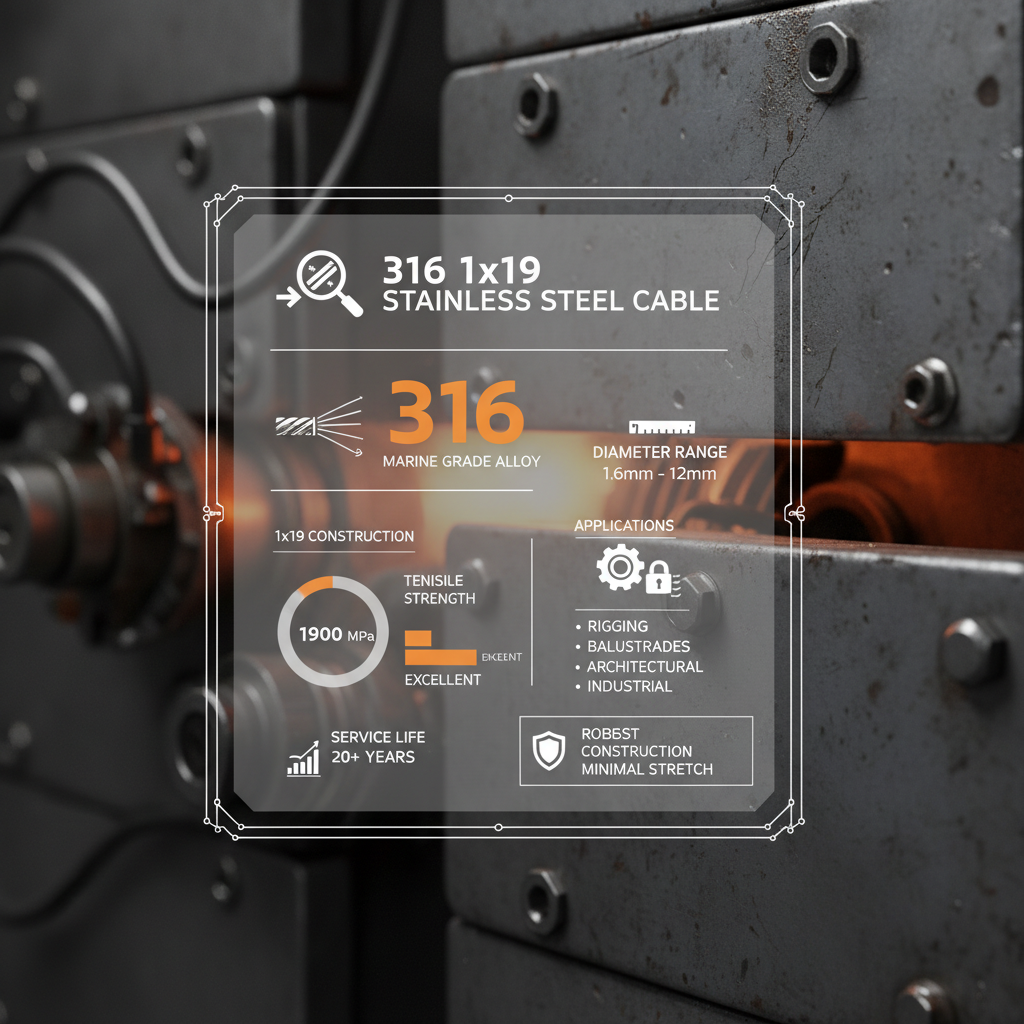
Understanding the specifications of the 3 16 1x19 stainless steel cable is crucial for a successful implementation. Key factors include the breaking strength, working load limit (WLL), and material grade (typically 304 or 316). Always ensure the WLL is sufficient for the intended application and factor in a safety margin. When working with stainless steel cable, proper tools and techniques are essential for safe and effective installation. Consider consulting with a qualified professional for complex installations.
The 3 16 1x19 stainless steel cable offers a compelling combination of strength, durability, and corrosion resistance, making it an excellent choice for a wide range of applications. By carefully considering your specific needs and consulting with experts like TY Wire Mesh, you can ensure you select the optimal cable for long-lasting performance and reliability.
Both 304 and 316 stainless steel offer excellent corrosion resistance, but 316 contains molybdenum, which significantly enhances its resistance to chloride corrosion, particularly in saltwater environments. This makes 316 stainless steel the preferred choice for marine applications or any situation where exposure to salt or harsh chemicals is likely. While 304 is more affordable, 316 provides superior long-term durability in corrosive conditions.
Cutting stainless steel cable requires specialized tools like a cable cutter designed for stainless steel. Avoid using traditional wire cutters as they can damage the cable strands. Termination methods vary depending on the application but typically involve using swaged fittings, mechanical fittings, or splicing techniques. Proper swaging or fitting installation is crucial to maintain the cable’s strength. Always follow the manufacturer's instructions for both cutting and terminating the cable.
The working load limit (WLL) is the maximum load that should be applied to the cable during normal use. This is typically a fraction of the breaking strength, with a common safety factor being 5:1. For a 3/16" 1x19 stainless steel cable, the WLL can vary depending on the material grade (304 or 316) but generally falls between 120-160lbs. Always check the cable's documentation or consult with a qualified engineer to determine the appropriate WLL for your specific application.
While stainless steel is highly corrosion resistant, it's not entirely immune. To prevent corrosion, avoid contact with dissimilar metals, as this can lead to galvanic corrosion. Regularly clean the cable to remove dirt, salt, and other contaminants. In harsh environments, consider using a specialized stainless steel cleaner or coating. Proper maintenance will significantly extend the cable’s lifespan.