Chicken wire suppliers play a crucial, yet often unseen, role in a multitude of industries worldwide. These suppliers are the backbone for construction, agriculture, security, and even artistic endeavors, providing the essential woven wire mesh that underpins countless applications. Understanding the nuances of the chicken wire supply chain – from manufacturing processes and material quality to logistical considerations and ethical sourcing – is vital for businesses and organizations relying on this versatile material. The global demand for chicken wire remains consistently high, driven by ongoing needs for enclosure, protection, and support across diverse sectors.
The importance of reliable chicken wire suppliers extends beyond mere availability. The quality of the wire mesh directly impacts the safety and longevity of the finished product, whether it's a secure animal enclosure, a robust construction barrier, or a protective screen. In a world increasingly focused on sustainability and responsible sourcing, the practices of chicken wire suppliers are coming under greater scrutiny. Organizations are now prioritizing suppliers who demonstrate a commitment to environmental protection, fair labor standards, and consistent product quality. This shift towards conscious procurement is reshaping the industry landscape.
Effective selection of chicken wire suppliers can translate into significant cost savings, reduced project delays, and enhanced overall performance. Navigating the complexities of the market requires a thorough understanding of different wire gauges, mesh sizes, coating options, and the specific requirements of each application. This document will delve into these aspects, providing a comprehensive overview of the key factors to consider when choosing the right chicken wire suppliers for your needs. You'll find useful insights to help ensure successful project outcomes.
The Role of Chicken Wire Suppliers in Global Industries
Chicken wire suppliers aren’t just vendors; they are integral components of complex global supply chains. Their influence reaches far beyond simply providing the material. For instance, agricultural sectors depend on them for creating secure animal enclosures, safeguarding livestock from predators and ensuring efficient farming practices. Construction relies heavily on chicken wire for reinforcement in plastering, creating temporary barriers, and enhancing structural integrity.
The demand for chicken wire from reputable suppliers is also significantly impacted by global events. Natural disasters, for example, often create a sudden surge in demand for temporary shelters and fencing, placing immense pressure on chicken wire suppliers to rapidly mobilize and meet the urgent needs of disaster relief organizations. Effective communication and logistical capabilities are paramount for suppliers operating in these critical situations. This underscores the importance of a diversified supplier network to mitigate risk and ensure consistent availability.
Defining Chicken Wire Suppliers and Their Scope
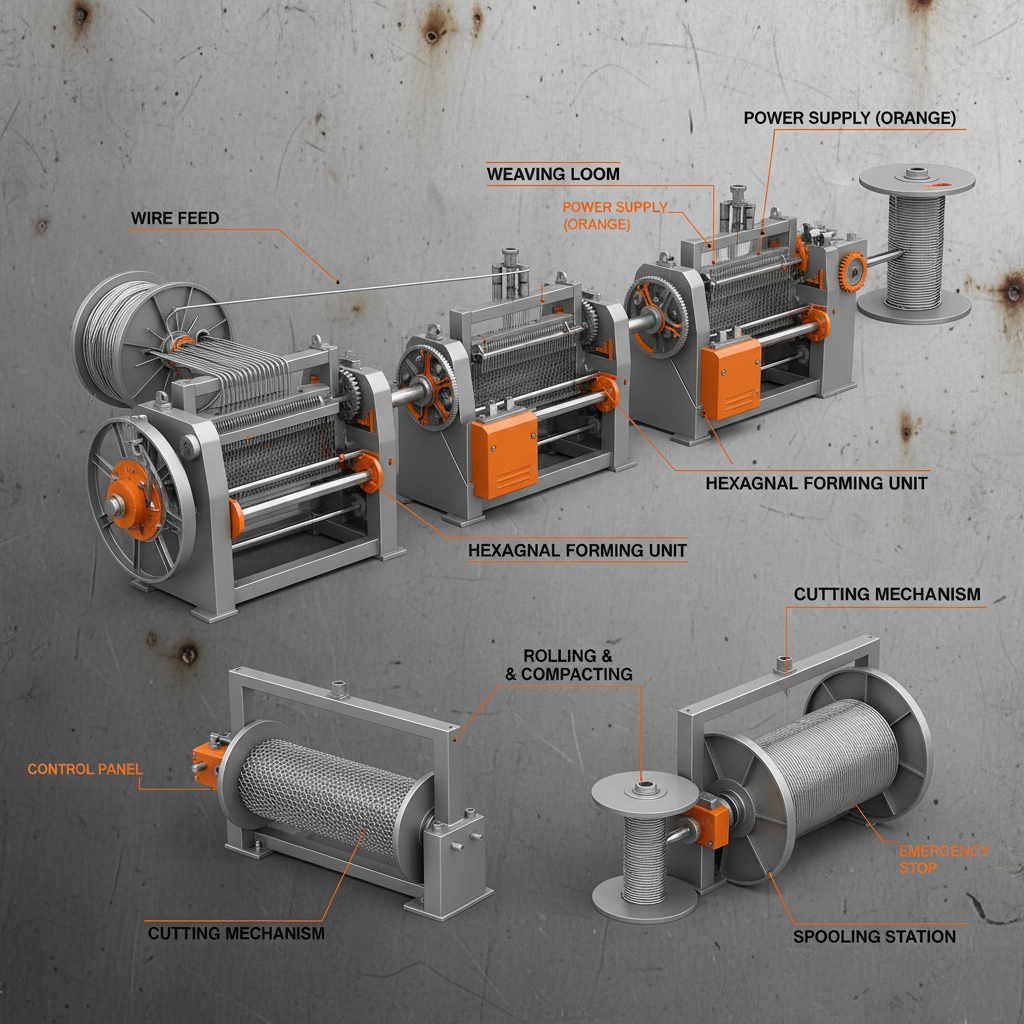
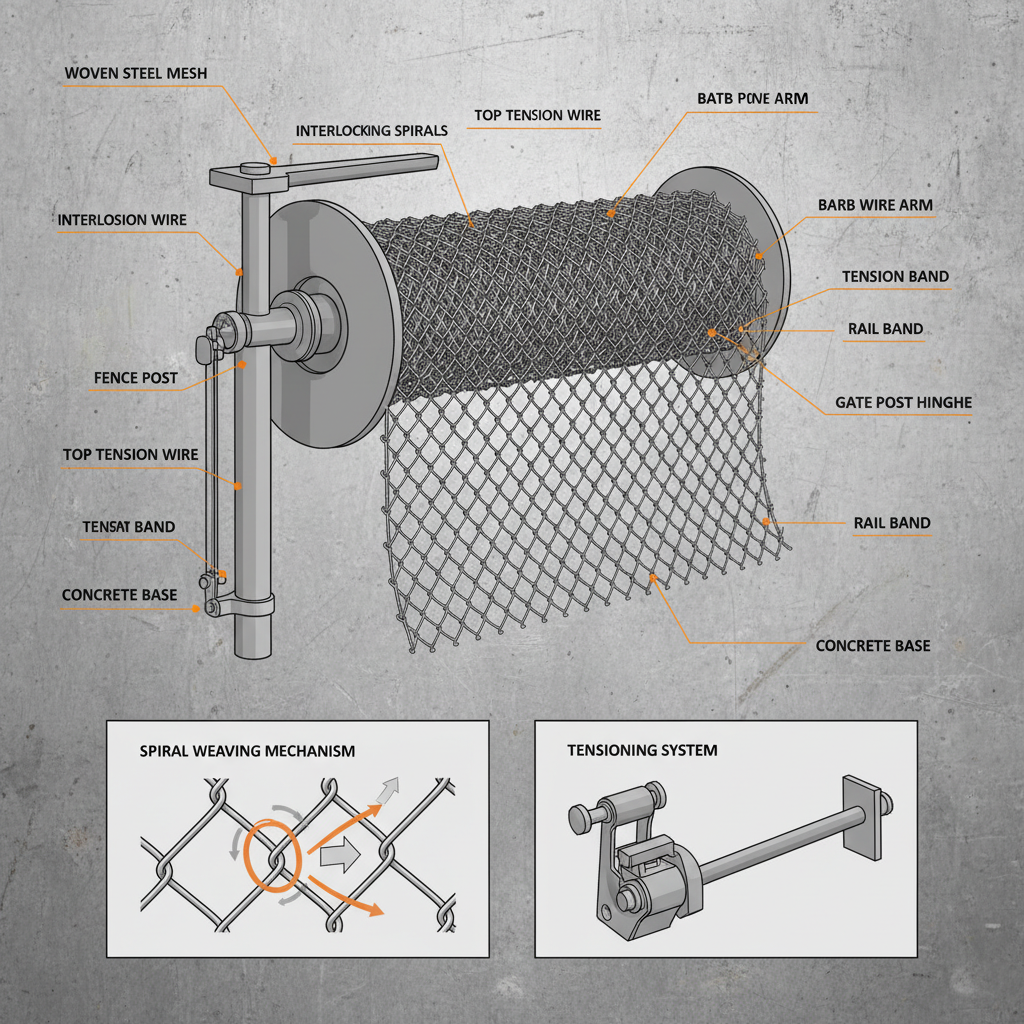
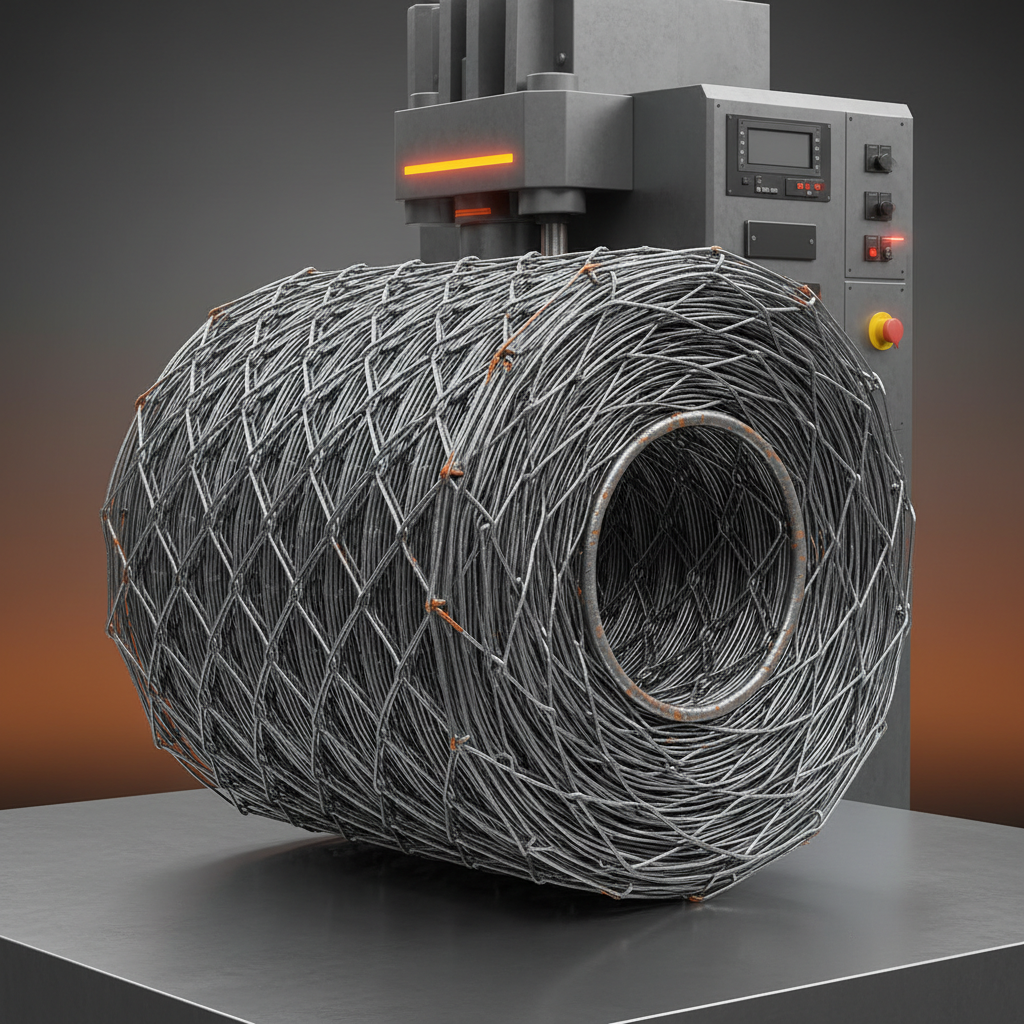
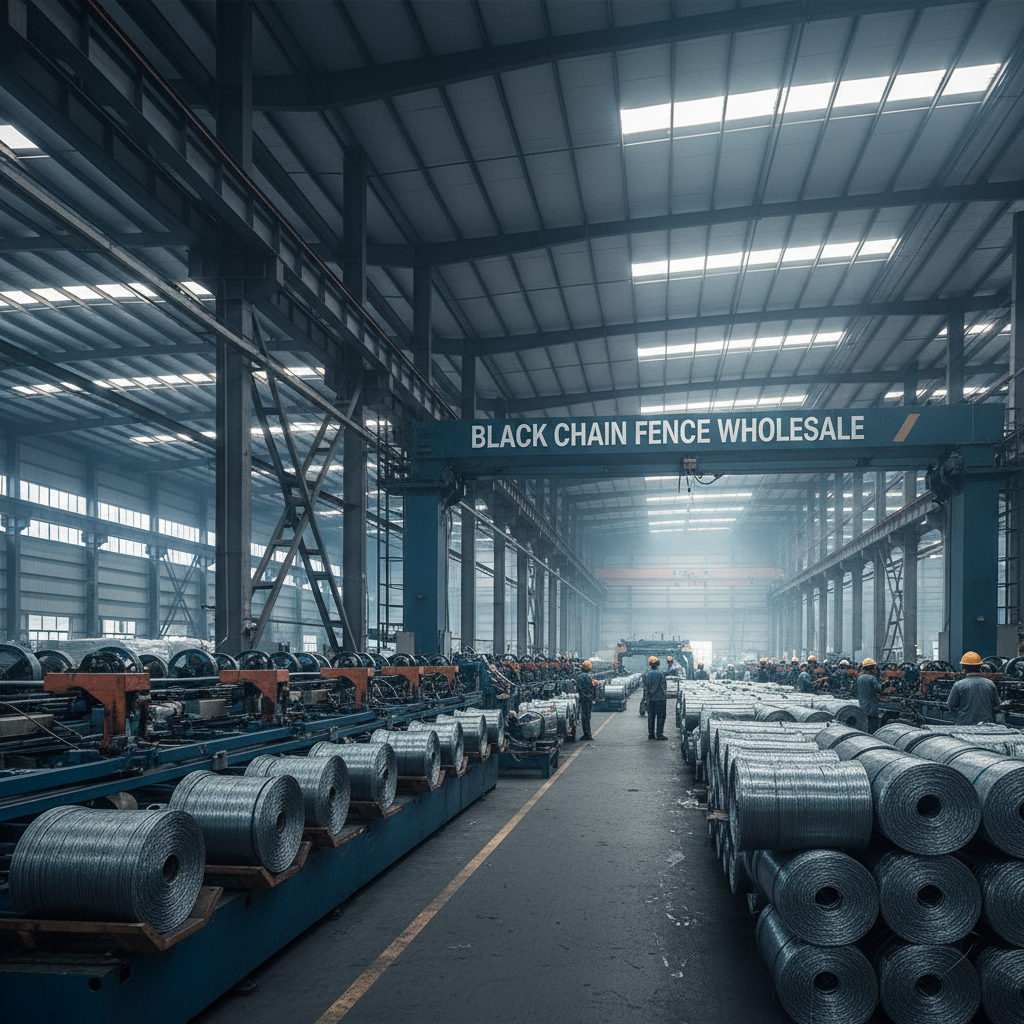
Chicken wire suppliers encompass a wide range of businesses, from large-scale manufacturers producing vast quantities of wire mesh to smaller, specialized distributors catering to niche markets. These suppliers typically source raw materials – primarily galvanized steel wire – and transform it into the familiar hexagonal mesh pattern through a weaving or interlocking process. They offer varying gauges (wire thickness), mesh sizes (aperture dimensions), and coating options (e.g., PVC coating for added corrosion resistance) to meet diverse application requirements.
The scope of a chicken wire supplier often extends beyond simply providing the product itself. Many offer value-added services such as custom cutting and forming, fabrication of pre-assembled panels, and technical support to assist clients in selecting the appropriate mesh for their specific needs. Effective suppliers understand the specific demands of different industries and can provide tailored solutions. They also often provide logistical support for delivery to remote locations.
The connection to modern industry and humanitarian needs is direct. The durable, cost-effective nature of chicken wire makes it ideal for protective barriers, containment systems, and support structures in various contexts. In humanitarian relief, it’s employed for constructing temporary shelters, creating sanitation barriers, and supporting medical facilities. The availability of reliable chicken wire suppliers is therefore a critical factor in responding to global challenges.
Key Attributes of Reliable Chicken Wire Suppliers
A reputable chicken wire supplier distinguishes itself through a combination of factors. First and foremost is consistent product quality. This includes adhering to industry standards for wire gauge, mesh size, and coating thickness. Suppliers should have robust quality control procedures in place to ensure that every batch meets specified requirements. Traceability of materials is also essential for accountability and verifying origin.
Beyond quality, a reliable supplier demonstrates logistical competence. This means maintaining adequate inventory levels, offering efficient shipping options, and providing accurate delivery estimates. Responsiveness to customer inquiries and a willingness to provide technical support are also crucial. Strong communication skills and a commitment to customer satisfaction are hallmarks of a trustworthy supplier.
Furthermore, ethical considerations are increasingly important. Responsible suppliers prioritize sustainable sourcing practices, fair labor standards, and environmental protection. They should be transparent about their manufacturing processes and demonstrate a commitment to corporate social responsibility. Choosing suppliers with these values aligns with growing consumer demands for ethically produced goods.
Core Components Influencing Chicken Wire Supply
Several core components dictate the efficiency and reliability of chicken wire supply. Firstly, the availability and price of raw materials, primarily steel, play a significant role. Fluctuations in global steel prices directly impact the cost of chicken wire, making it crucial for suppliers to manage procurement effectively. Secondly, manufacturing capacity and technological advancements influence production output and the quality of the finished product.
Thirdly, logistical infrastructure, including transportation networks and warehousing facilities, determines the supplier’s ability to deliver products promptly and efficiently. Suppliers with strategically located warehouses and established relationships with transportation providers have a distinct advantage. Fourthly, regulatory compliance and certification (e.g., ISO standards) assure customers of product safety and quality.
Finally, the supplier’s network and relationship with distributors significantly impacts market reach and customer accessibility. Strong partnerships with distributors allow suppliers to efficiently serve a wider geographic area and cater to diverse customer segments.
Supplier Performance Metrics
Global Applications of Chicken Wire and Supplier Networks
Chicken wire’s versatility is reflected in its widespread applications. Agriculture utilizes it for poultry fencing, livestock enclosures, and crop protection. Construction incorporates it into plastering reinforcement, temporary barriers, and erosion control measures. The security sector employs it for perimeter fencing and protective screens. Industrial applications range from filtering systems to packaging materials.
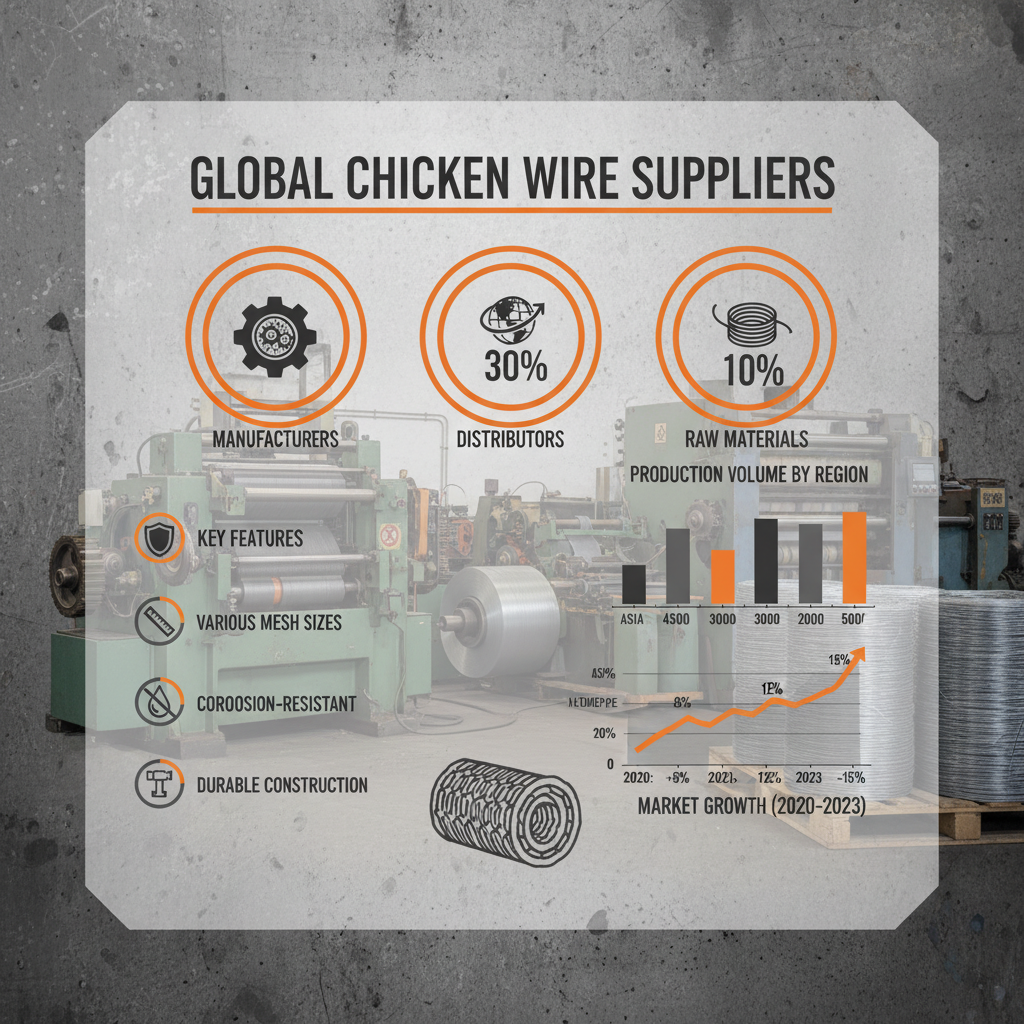
Supplier networks are geographically distributed, with major production hubs in China, India, Europe, and North America. These hubs serve regional markets and export to global destinations. The efficiency of these networks depends on factors like transportation costs, trade agreements, and political stability. In post-disaster relief operations, rapid access to chicken wire supplied by responsive networks is critical for building temporary shelters and establishing secure perimeters.
Advantages of Partnering with Experienced Chicken Wire Suppliers
Working with experienced chicken wire suppliers yields numerous benefits. First, access to higher-quality products reduces the risk of premature failure and costly replacements. Experienced suppliers have refined their manufacturing processes and implemented rigorous quality control measures. Second, technical expertise and support streamline project planning and ensure the correct mesh is selected for each application.
Third, established suppliers often offer competitive pricing due to economies of scale and efficient sourcing strategies. Fourth, reliable logistics and timely delivery minimize project delays and keep operations running smoothly. Fifth, a long-term partnership fosters trust and collaboration, leading to customized solutions and improved responsiveness.
Future Trends and Challenges for Chicken Wire Suppliers
The chicken wire supply industry is undergoing evolution, driven by sustainability concerns and technological advancements. Increasing demand for eco-friendly materials is prompting suppliers to explore alternative coatings and recycled wire options. Automation and digitization are streamlining manufacturing processes and improving efficiency. The rise of e-commerce platforms is transforming the way chicken wire is purchased and distributed.
However, challenges remain. Fluctuating raw material prices, increasing transportation costs, and geopolitical uncertainties pose ongoing risks. Suppliers must adapt to these challenges by diversifying their sourcing strategies, investing in technology, and fostering strong relationships with customers and partners. Addressing these challenges will be crucial for ensuring the long-term viability of the chicken wire supply industry.
The focus on circular economy principles will drive innovation towards recoverable and reusable chicken wire materials. Smart chicken wire with integrated sensors for monitoring structural integrity could emerge as a niche application, particularly in high-security environments.
Summary of Challenges and Potential Solutions
| Challenge |
Impact on Chicken Wire Suppliers |
Potential Solution |
Implementation Difficulty (1-5) |
| Raw Material Price Volatility |
Reduced Profit Margins |
Long-Term Contracts with Suppliers |
3 |
| Supply Chain Disruptions |
Delivery Delays |
Diversified Sourcing |
4 |
| Environmental Regulations |
Increased Compliance Costs |
Sustainable Manufacturing Practices |
3 |
| Competition from Low-Cost Producers |
Price Pressure |
Focus on Quality and Innovation |
2 |
| Labor Shortages |
Production Capacity Constraints |
Automation and Workforce Training |
4 |
| Changing Customer Preferences |
Need for Product Customization |
Flexible Manufacturing Capabilities |
3 |
FAQS
Selecting the right chicken wire gauge depends on the intended application and the level of protection required. Lower gauges (thicker wire) provide greater strength and durability, making them suitable for heavy-duty applications like animal enclosures or security fencing. Higher gauges (thinner wire) are more economical and appropriate for lighter-duty tasks like garden netting or craft projects. Consider the size and strength of the animals or potential threats you're trying to contain when making your decision.
PVC coating significantly extends the lifespan of chicken wire by providing a protective barrier against corrosion and rust. This is particularly beneficial in environments with high humidity, salt spray, or exposure to harsh chemicals. The PVC coating prevents the steel wire from coming into direct contact with corrosive elements, minimizing degradation and maintaining the structural integrity of the mesh. It also adds a degree of flexibility and enhances the aesthetic appearance.
Lead times for large orders of chicken wire can vary depending on the supplier’s inventory levels, manufacturing capacity, and shipping distances. Typically, lead times range from 2 to 6 weeks. It's crucial to place your order well in advance, especially during peak seasons or periods of high demand. Communicating your requirements clearly and providing accurate quantity estimates will help suppliers ensure timely delivery.
Yes, chicken wire is recyclable, as it’s primarily composed of steel. However, recycling rates are relatively low due to the challenges of separating the wire from other materials and the cost of processing. Some chicken wire suppliers are beginning to offer recycling programs or collaborate with scrap metal recyclers to promote sustainable disposal practices. Inquire with your supplier about their recycling initiatives and options.
Look for suppliers with certifications like ISO 9001 (quality management systems) and ISO 14001 (environmental management systems). These certifications demonstrate a commitment to consistent product quality, responsible manufacturing practices, and adherence to industry standards. Also, check for compliance with relevant safety regulations and industry-specific standards applicable to your application.
Calculating the required amount of chicken wire involves determining the perimeter of the area you need to enclose and considering the height of the fencing. Multiply the perimeter by the height to get the total square footage. Add an allowance for overlap and waste (typically 5-10%). Consult with your chicken wire supplier for assistance with precise calculations and recommendations based on your project’s specific requirements.
Conclusion
In conclusion, the selection of reliable chicken wire suppliers is paramount to the success of a wide range of projects. From agriculture and construction to security and humanitarian aid, the quality, availability, and sustainability of chicken wire directly impact outcomes. Prioritizing suppliers who demonstrate a commitment to product quality, logistical competence, ethical sourcing, and responsiveness to customer needs is essential for mitigating risks and maximizing value.
Looking ahead, the chicken wire supply industry will continue to evolve in response to changing market dynamics and emerging challenges. Embracing innovation, adopting sustainable practices, and fostering strong partnerships will be crucial for suppliers seeking to thrive in a competitive landscape. We invite you to visit our website at www.tywiremesh.com to learn more about our comprehensive range of chicken wire products and solutions.
 TEL:
+86-13102802206
TEL:
+86-13102802206
 Email:
fencenetting@china.com
Email:
fencenetting@china.com
 Language