TEL:
+86-13102802206
TEL:
+86-13102802206
 Email:
fencenetting@china.com
Email:
fencenetting@china.com
 Language
TEL:
+86-13102802206
Email:
fencenetting@china.com
Language
Language
TEL:
+86-13102802206
Email:
fencenetting@china.com
Language


In the world of industrial rigging, construction, and maritime engineering, selecting the right wire rope is critical for safety and efficiency. The 3 32 steel cable is a specialized solution designed to balance flexibility with high tensile strength. Whether you are managing heavy lifting operations or securing structural components, understanding the nuances of this specific cable diameter and composition is essential. This guide provides a comprehensive look at its properties, industrial applications, and how to choose the best variant for your project needs to ensure long-term reliability.
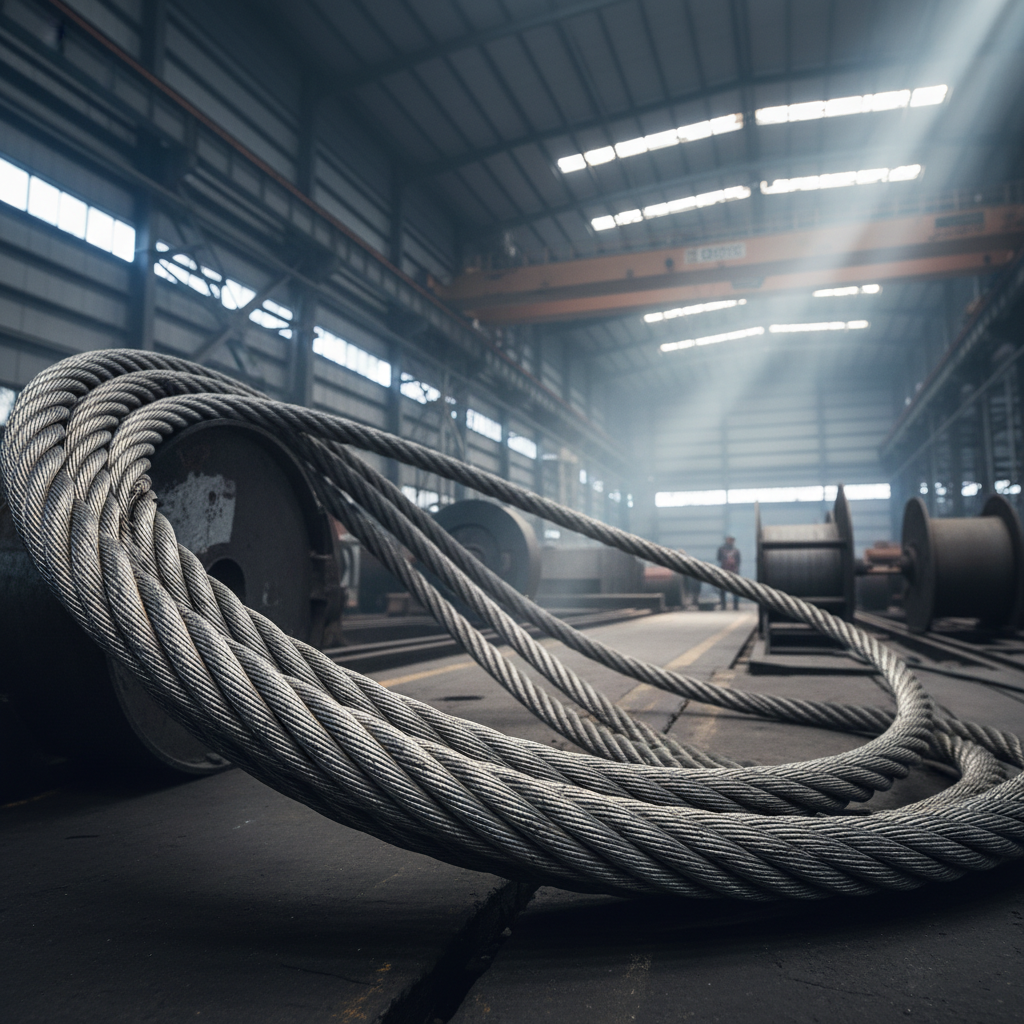
The 3 32 steel cable is engineered for resilience. Its core strength is derived from high-carbon steel wires that are precision-wound to distribute loads evenly across the cable's cross-section. Unlike standard ropes, this specific configuration offers an optimized balance between bending fatigue resistance and breaking strength. The manufacturing process often includes specialized drawing techniques to ensure that the surface is smooth, reducing internal friction and wear during pulley movements.
Key Engineering Highlights: High tensile strength for heavy-duty lifting, superior resistance to abrasion, and a specialized structural design that prevents kinking under moderate stress.
When integrating a 3 32 steel cable into a mechanical system, technical precision is non-negotiable. Engineers must consider the breaking load, the nominal diameter, and the coating type—such as galvanized or stainless steel—to prevent corrosion in harsh environments. The following table outlines the typical performance metrics found in industry-standard cables of this grade.
When deciding between a specialized 3 32 steel cable and general-purpose wire ropes, the primary difference lies in the load-to-weight ratio. Standard cables may be thicker but lack the specific tensile properties required for precision machinery. The 3 32 variant is often preferred in applications where space is limited but strength cannot be compromised. Furthermore, its flexibility allows for tighter winding on drums without causing permanent deformation of the steel strands.
Why choose the 3.32mm specification?
• Optimized for low-friction pulley systems
• Higher precision in diameter consistency
• Enhanced resistance to sudden tension spikes
• Better compatibility with specialized crimping terminals
The versatility of the 3 32 steel cable makes it a staple in several high-demand industries. In the automotive sector, it is frequently used for control cables and braking systems. In architectural rigging, it provides the necessary tension for suspension ceilings and glass facade supports. Additionally, its corrosion-resistant variants are indispensable for marine hardware, including rigging for small vessels and dockside tie-downs. Its ability to withstand environmental stress ensures that installations remain secure for years.
To maximize the lifespan of your 3 32 steel cable, a proactive maintenance schedule is vital. Regular lubrication reduces internal friction between the strands, which prevents "dry" wear and corrosion. Operators should inspect cables for broken outer wires, kinking, or flattening. If a cable shows signs of significant oxidation or a reduction in diameter, it should be replaced immediately to avoid catastrophic failure. Proper spooling and avoiding sharp bends are also key to maintaining structural integrity.
When sourcing your 3 32 steel cable, it is imperative to verify the manufacturer's certifications. High-quality cables should come with a mill test report verifying the chemical composition and tensile strength. Check for compliance with international standards like ISO or ASTM. Furthermore, consider the delivery format—whether you need it in bulk reels or pre-cut lengths with terminals attached. Choosing a supplier that offers both technical support and quality assurance ensures that your project meets all safety regulations.
The 3 32 steel cable represents a perfect intersection of engineering precision and industrial strength. By understanding its technical specifications and applying proper maintenance, businesses can significantly improve the safety and durability of their operations. From maritime use to complex architectural installations, this cable provides the reliability needed for the most demanding tasks. Invest in quality materials to ensure your infrastructure stands the test of time.
The primary advantage is the ability to provide high tensile strength while maintaining a slim profile. This makes it ideal for applications where space is limited, such as in aircraft control cables or intricate architectural supports. Additionally, its smaller diameter often allows for greater flexibility and easier routing through tight conduits or small pulleys without causing excessive friction or fatigue to the steel strands.
Yes, provided that the cable is made from the correct material. For saltwater exposure, we strongly recommend using the 316 stainless steel variant or a hot-dip galvanized version of the 3 32 steel cable. These materials are specifically treated to resist chloride-induced corrosion, preventing rust and ensuring the cable maintains its load-bearing capacity over time in harsh maritime conditions.
You should inspect your cable for three main warning signs: "bird-caging" (where strands separate from the core), significant surface rust or pitting, and visible broken wires. If you see more than a few broken wires within a single lay length, the cable's integrity is compromised. Additionally, any permanent kinks or flat spots indicate that the internal structure has been damaged, and the cable should be replaced immediately to ensure safety.
A steel core provides the maximum possible breaking strength and resists crushing under heavy loads, making it ideal for heavy lifting. A fiber core, on the other hand, offers greater flexibility and provides internal lubrication, which reduces wear between the outer strands. Depending on whether your application prioritizes absolute strength or bending flexibility, you can choose the appropriate core for your 3 32 steel cable.