When it comes to secure perimeter demarcation, chain wire fencing stands as one of the most versatile and time-tested solutions in the global construction and security industries. By weaving galvanized or coated steel wires into a diamond pattern, this system provides a robust physical barrier that balances visibility with high-strength containment. Whether for industrial complexes, residential boundaries, or sports facilities, its ability to be customized in height, gauge, and coating makes it an indispensable asset for asset protection.
The global demand for high-quality wire mesh solutions has surged as urban expansion and industrialization accelerate. Modern chain wire fencing is no longer just about basic security; it now integrates advanced metallurgical treatments like PVC coating and hot-dip galvanization to combat extreme environmental corrosion. This evolution ensures that infrastructure projects can maintain their integrity for decades, reducing the long-term lifecycle cost for facility managers and government agencies alike.
Understanding the nuances of material selection—such as the trade-off between wire thickness and flexibility—is crucial for anyone implementing a security perimeter. This guide explores the technical depth of chain wire fencing, from its industrial applications and durability factors to the future of sustainable wire manufacturing. By analyzing the intersection of strength, cost-efficiency, and installation speed, we provide a comprehensive overview for professionals seeking the ideal fencing solution.
Global Relevance of Chain Wire Fencing
On a global scale, the utilization of chain wire fencing is driven by the need for rapid, scalable, and cost-effective security. In rapidly developing regions across Southeast Asia and Africa, these fencing systems are critical for protecting nascent industrial zones and agricultural lands. According to international infrastructure standards, the balance of transparency and strength allows for better surveillance—a key requirement for ISO-certified security perimeters in high-risk areas.
Beyond simple security, this material plays a pivotal role in humanitarian and civil engineering projects. From designating safe zones in disaster-relief camps to securing temporary construction sites in dense urban environments like New York or Tokyo, the flexibility of the mesh allows it to adapt to uneven terrain. This adaptability makes it the preferred choice for projects where traditional masonry or solid walls would be too expensive or time-consuming to deploy.
Defining the Mechanics of Chain Link Systems
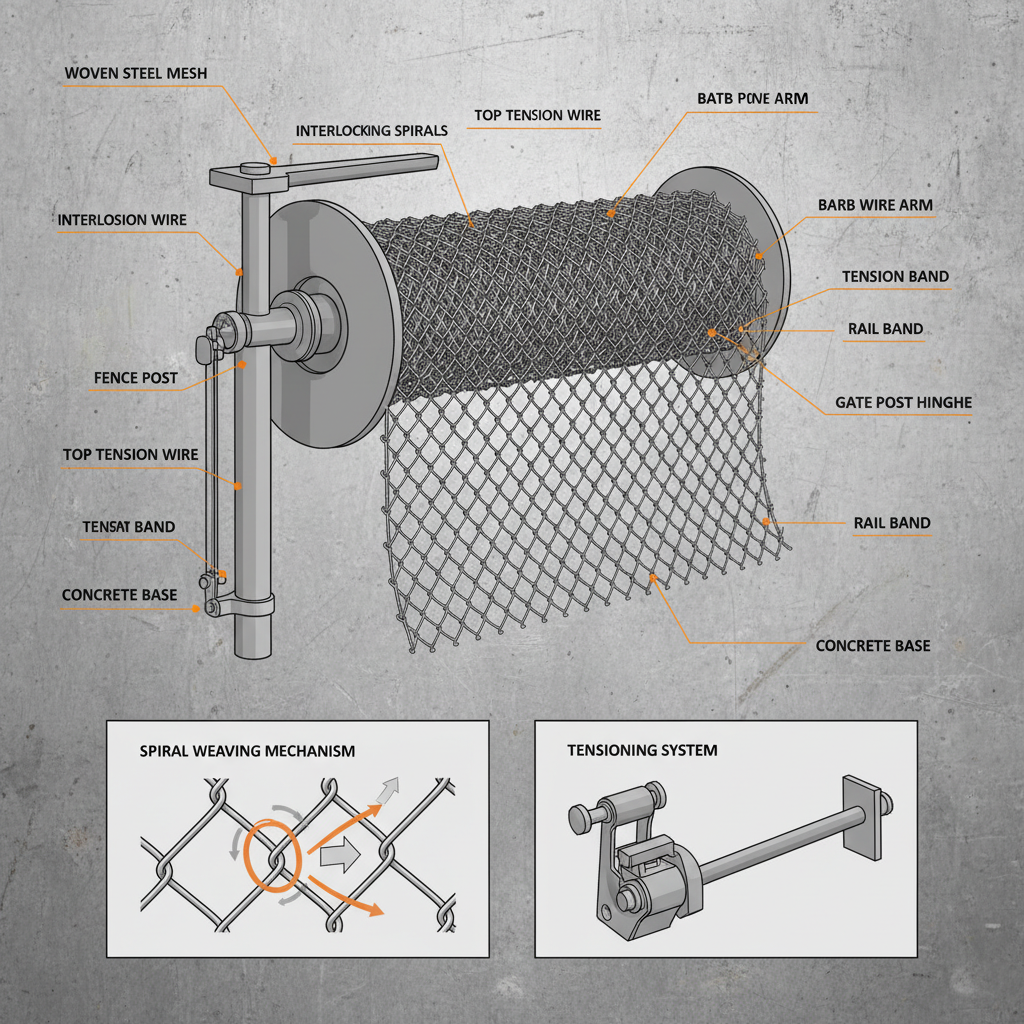
At its core, chain wire fencing is a fabric constructed from galvanized or L Geol-coated steel wire. The wires are bent into a zig-zag pattern and then interwoven, creating a diamond-shaped mesh. This interlocking mechanism is what gives the fence its unique strength; unlike welded mesh, which can snap at the weld points under extreme tension, the "chain" structure distributes pressure across the entire fabric, making it highly resilient to impact.
From a technical standpoint, the quality of the fence is determined by the "gauge" (wire thickness) and the "mesh size" (the diameter of the diamond opening). A smaller mesh size increases security by preventing small animals or intruders from squeezing through, while a heavier gauge provides the structural rigidity needed to withstand wind loads and physical attempts at breach. This modularity allows engineers to specify the exact level of protection required for a specific site.
In the modern industrial context, the definition of this fencing has expanded to include "hybrid systems." These often combine the standard chain link fabric with top rails, tension wires, and barbed wire extensions. By integrating these elements, chain wire fencing evolves from a simple boundary marker into a comprehensive security barrier capable of deterring determined intruders while maintaining a low visual profile.
Core Components for Maximum Durability
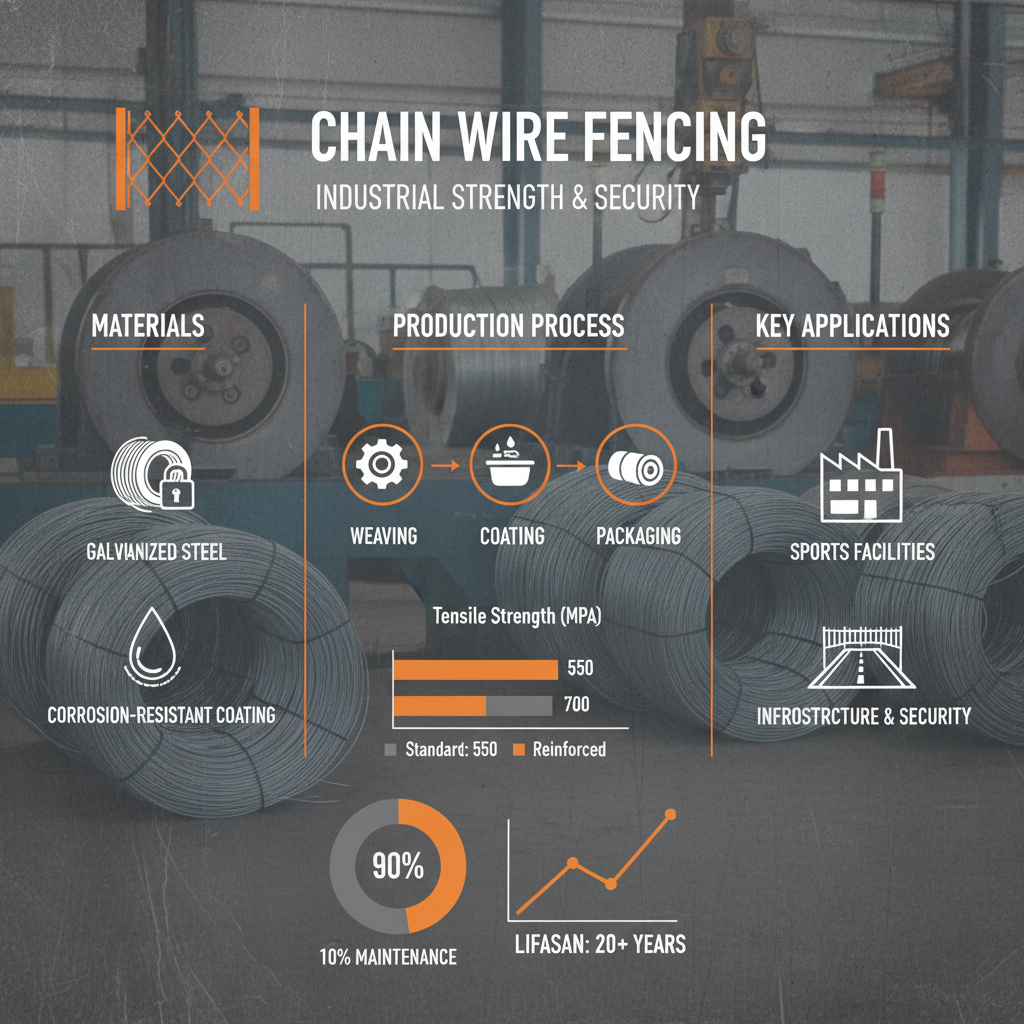
The longevity of chain wire fencing is primarily dictated by its coating. Hot-dip galvanization is the industry gold standard, where the steel is submerged in molten zinc to create a metallurgical bond. This provides a sacrificial layer that prevents rust even if the surface is scratched, ensuring the fence remains structural for decades in humid or coastal environments.
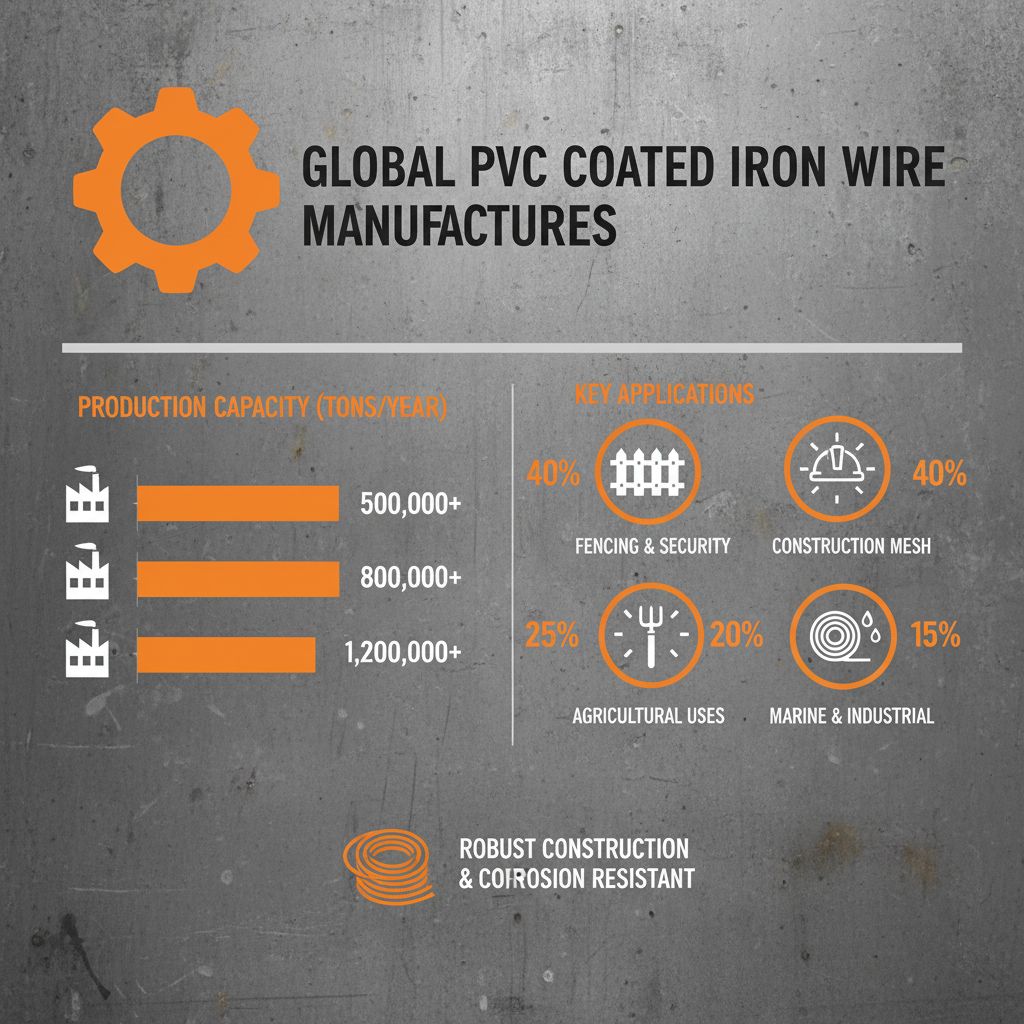
Furthermore, the integration of PVC or powder coating over the galvanized layer adds a second dimension of protection. This is not merely aesthetic; in highly corrosive industrial zones—such as chemical plants or salt-spray coastal areas—the polymer layer acts as a primary shield against chemical oxidation. This dual-layer approach significantly extends the maintenance cycle of the chain wire fencing system.
Finally, the supporting framework—including the terminal posts, line posts, and tension bars—must match the grade of the wire mesh. Using low-grade steel for the posts while using high-grade mesh creates a weak point in the system. A truly durable installation ensures that all components are synchronized in terms of tensile strength and corrosion resistance, creating a monolithic barrier that resists sagging and structural failure.
Industrial Applications and Use Cases
The versatility of chain wire fencing makes it a staple across diverse sectors. In the energy sector, it is used to secure substations and power plants, where it provides a secure boundary that does not interfere with electromagnetic fields. In the sporting world, heavy-duty chain link is the only viable option for tennis courts and baseball backstops due to its ability to absorb the kinetic energy of a high-velocity ball without permanent deformation.
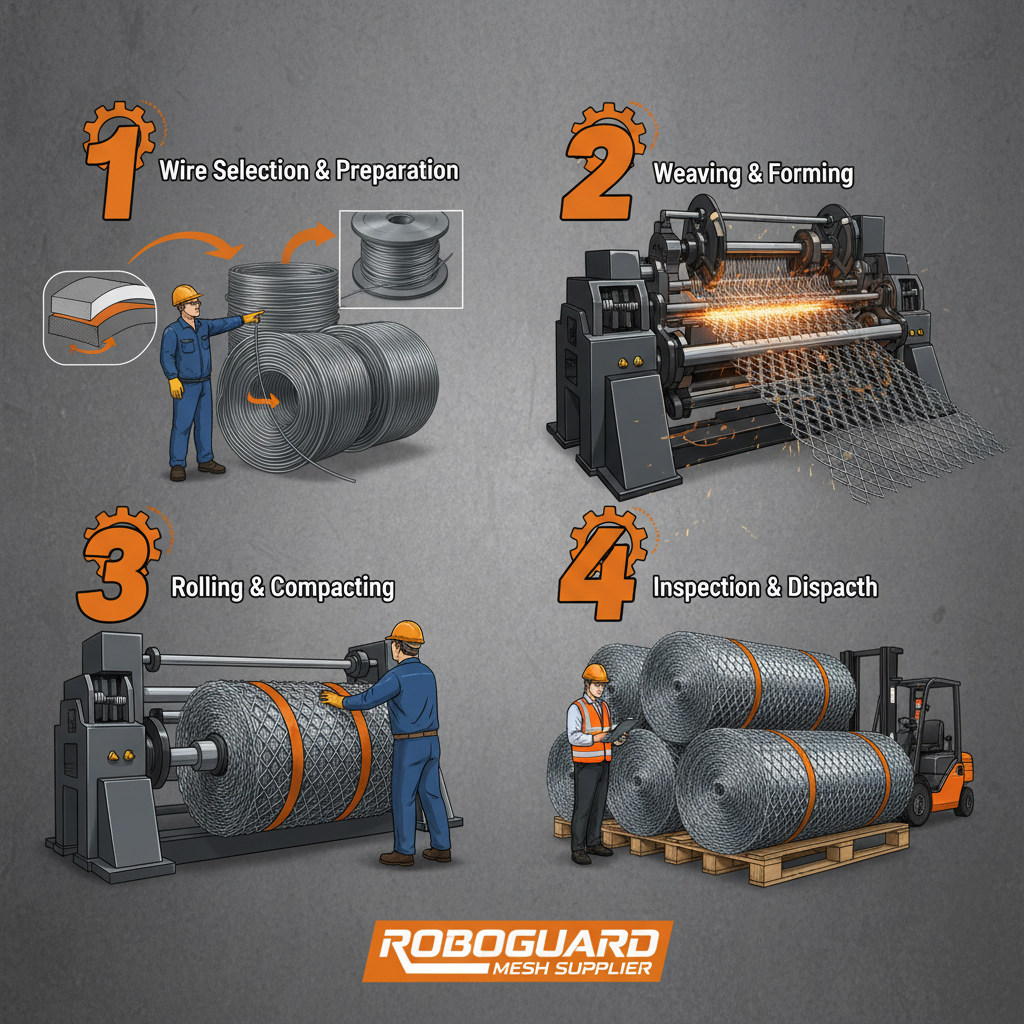
In remote industrial zones, such as mining sites in the Australian Outback or oil fields in the Middle East, the ease of transport is a decisive factor. Because the mesh can be shipped in rolls and expanded on-site, it minimizes the logistical burden. This is particularly vital for "rapid deployment" security, where a perimeter must be established in days rather than months to protect expensive machinery and personnel.
Performance Comparison of Chain Wire Fencing Types
Long-Term Value and Economic Advantages
When evaluating the ROI of perimeter security, chain wire fencing offers an unmatched advantage in "cost-per-linear-foot." Unlike wooden fences that rot or solid concrete walls that require massive foundations, chain link requires minimal ground disruption and significantly less material to cover large areas. This makes it the logically superior choice for large-scale industrial parks where budget efficiency is as important as security.
Beyond the initial installation, the long-term value lies in the low maintenance requirements. A well-galvanized system requires almost no upkeep for 15 to 20 years. Moreover, the sustainability aspect cannot be ignored; steel is one of the most recycled materials on earth. At the end of its lifecycle, chain wire fencing can be dismantled and recycled, reducing the environmental footprint of the facility and potentially recovering some material value.
Future Trends in Wire Mesh Technology
The future of chain wire fencing is moving toward "Smart Perimeter" integration. We are seeing a rise in the embedding of fiber-optic sensors directly into the mesh. These sensors can detect the minute vibrations caused by a cutting tool or a climbing attempt, instantly alerting security personnel to the exact location of the breach. This transforms a passive physical barrier into an active digital surveillance system.
Material science is also evolving with the introduction of nano-coatings. These next-generation coatings provide super-hydrophobic properties, preventing moisture and pollutants from adhering to the wire. This is particularly beneficial for installations in extreme smog-heavy industrial cities or coastal regions with high salinity, potentially pushing the lifespan of the fence beyond 50 years without significant degradation.
Automation in manufacturing is further refining the precision of the weave. Computer-controlled weaving machines now ensure that every diamond in the chain wire fencing is perfectly uniform. This eliminates "weak spots" in the fabric, ensuring consistent tensile strength across thousands of meters of fencing, which is critical for high-security government and military installations.
Overcoming Common Installation Challenges
One of the most frequent challenges in deploying chain wire fencing is "sagging" over time. This usually occurs due to improper tensioning or the use of inadequate tension wires. To solve this, expert installers now utilize high-tension stretchers and professional-grade tension bars that lock the fabric tightly against the terminal posts, ensuring the fence remains taut and aesthetically pleasing for years.
Another common issue is the "gap" at the bottom of the fence, which can allow small animals or intruders to crawl under. The solution is the implementation of a "bottom tension wire" or a concrete curb. By anchoring the mesh to a grounded wire or burying the bottom edge in a shallow concrete trench, the integrity of the perimeter is maintained from the ground up, leaving no vulnerability for exploitation.
Finally, corrosion at the joint points—where the wire meets the clamps—is a common point of failure. To overcome this, the industry is shifting toward using stainless steel hardware or specialized polymer-coated clamps. By ensuring that the hardware is as corrosion-resistant as the chain wire fencing itself, the risk of localized rust spreading through the fabric is virtually eliminated.
Comparative Analysis of Chain Wire Fencing Specifications
| Fence Grade |
Coating Type |
Expected Lifespan |
Primary Use Case |
| Economy |
Electro-Galvanized |
5-10 Years |
Temporary Construction |
| Standard |
Hot-Dip Galvanized |
15-25 Years |
Residential/Commercial |
| Industrial |
Galvanized + PVC |
20-30 Years |
Factories/Warehouses |
| Premium |
Polyvinyl Chloride (PVC) |
25-35 Years |
High-End Residential |
| Extreme |
Stainless Steel 316 |
50+ Years |
Marine/Chemical Plants |
| Security |
Heavy-Gauge Galvanized |
20-30 Years |
Military/Prison Perimeters |
FAQS
Galvanized fencing is steel coated in zinc to prevent rust, offering a silver-grey metallic look and excellent durability. PVC coated fencing has an additional layer of plastic over the galvanization. This not only adds a color option (usually green or black) but provides a superior barrier against moisture and chemicals, making it ideal for coastal or industrial environments where standard galvanization might fail sooner.
The gauge refers to the thickness of the wire; a lower gauge number means a thicker wire. For basic boundary marking, a 11 or 12 gauge is sufficient. For commercial security, a 9 gauge is recommended. For high-security industrial or military sites, 6 or 7 gauge is often used to prevent cutting with manual pliers. Always balance the gauge with the strength of your support posts to avoid structural collapse.
Yes, one of the biggest advantages of chain link systems is their flexibility. The mesh can be "racked," meaning it can be stretched to follow the contour of the ground while the top rail remains level. This makes it far more efficient than rigid panel fencing, which requires stepping or cutting the panels to fit a slope, often compromising the security of the perimeter.
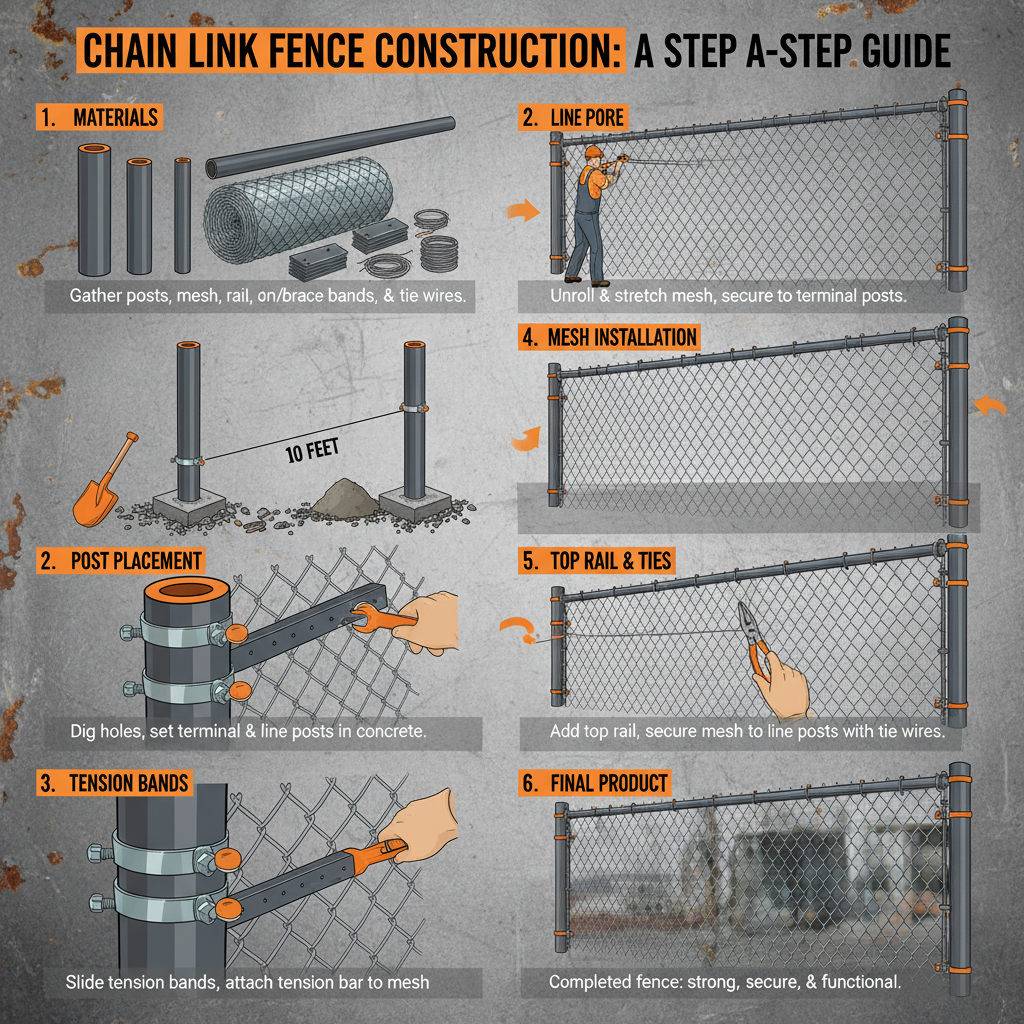
Installation time varies by scale, but chain link is significantly faster than most alternatives. For a standard industrial lot, the process involves setting posts in concrete, installing the top rail, and stretching the mesh. Because the components are prefabricated and modular, a professional crew can often install several hundred linear feet per day, depending on the soil conditions and height of the fence.
Absolutely. Steel is one of the most sustainable building materials because it is 100% recyclable without loss of quality. When a fence reaches the end of its useful life, the steel can be melted down and repurposed. Additionally, the long lifespan of hot-dip galvanized systems reduces the frequency of replacement, lowering the overall carbon footprint compared to wood or plastic fencing.
The most effective method is to install a bottom tension wire that keeps the mesh tight against the ground. For higher security, you can "bury" the bottom 6-12 inches of the mesh in a concrete footer or create a "bottom apron"—a strip of mesh that extends horizontally along the ground and is pinned down. This creates a physical barrier that prevents burrowing animals from entering the site.
Conclusion
In summary, chain wire fencing remains a cornerstone of modern infrastructure due to its unparalleled balance of strength, cost-efficiency, and adaptability. From the protective layers of hot-dip galvanization to the strategic integration of smart sensors, it provides a scalable solution that evolves with the needs of the user. By selecting the correct gauge, coating, and installation method, facility managers can ensure a secure perimeter that requires minimal maintenance while providing maximum protection for assets and personnel.
As we look toward the future, the integration of sustainable materials and digital monitoring will continue to elevate the role of wire mesh in global security. For those seeking to secure their property with a system that is both reliable and economically viable, investing in high-quality, industry-standard chain link solutions is the most prudent path. To explore our full range of high-performance fencing and wire mesh products, visit our website: www.tywiremesh.com.
 TEL:
+86-13102802206
TEL:
+86-13102802206
 Email:
fencenetting@china.com
Email:
fencenetting@china.com
 Language