When it comes to maintaining a comfortable and pest-free home, selecting the right window screening is essential. Homeowners today have a wide array of options, as the types of window screening available cater to diverse needs, ranging from durability to aesthetic appeal. Understanding these different types can help you make an informed choice that balances protection, ventilation, and style. Whether you're upgrading old screens or planning new installations, exploring the types of window screen mesh is the first step toward enhancing your living environment.
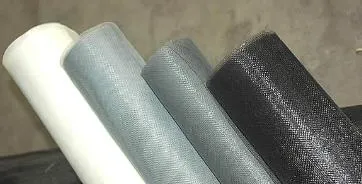
The types of window screen mesh significantly influence how effectively your windows can keep insects out while allowing airflow. Commonly, these meshes are made from materials such as fiberglass, aluminum, stainless steel, and polyester. Fiberglass mesh is popular due to its affordability and resistance to corrosion, but it may lack the durability of aluminum or stainless steel meshes. Aluminum screens provide greater strength and longevity but can dent or crease more easily. Meanwhile, stainless steel meshes offer premium durability and resistance to harsh weather conditions, making them ideal for homes in extreme climates. Each type caters to different homeowner priorities, balancing cost, longevity, and visual impact.
Mosquitoes are not just a nuisance; they also pose health risks. The types of mosquito mesh for windows focus on fine-weave materials that block even the smallest insects. These meshes include ultra-fine fiberglass nets, stainless steel micro-mesh, and even PVC-coated options for added resilience. Ultra-fine fiberglass is commonly used in residential settings for its transparency and flexibility. For areas prone to heavy insect infestations or harsh weather, stainless steel mosquito mesh provides a sturdier barrier that resists tearing and corrosion. PVC-coated meshes add an extra layer of protection against UV rays and environmental wear, extending the life of the window screen.
When upgrading your insect protection, it’s important to recognize the types of mosquito net for windows available. These nets vary based on weave density, material strength, and ease of installation. Aside from traditional fixed mesh screens, there are retractable nets that roll up when not in use, offering versatility for homeowners seeking convenience and clean aesthetics. Magnetic and Velcro-attached mosquito nets provide temporary but effective solutions, especially for renters or those requiring seasonal installation. The choice depends on your lifestyle and the degree of pest control you need, making these options adaptable to various living situations.
The types of window mosquito net reflect a range of designs from simple mesh panels to more sophisticated frameworks. Standard fixed screens are permanently installed and provide reliable, long-term protection. In contrast, sliding or retractable mosquito nets allow for flexible use, ideal for spaces that require periodic access to open windows. Some mosquito nets come with specialized coatings that repel insects or are designed to reduce dust accumulation, improving air quality inside your home. With these options, homeowners can prioritize features like ease of cleaning, durability, and insect-blocking efficiency.
When selecting the types of window screening, it’s crucial to consider factors such as mesh material, weave size, UV resistance, and frame compatibility. Different screening types offer variable airflow rates and insect protection levels. For instance, screens with finer mesh prevent smaller insects but may reduce ventilation slightly, while more open weaves provide superior airflow but allow some smaller pests to enter. Additionally, corrosion resistance matters, especially in coastal areas where salt air can degrade materials quickly. Modern window screening materials also include options treated to resist mold, mildew, and fading, ensuring long-lasting performance and appearance.
Different mesh types influence air circulation based on weave tightness and material. Fiberglass and polyester meshes offer good ventilation but may have shorter lifespans, whereas metal meshes provide durability with minor ventilation trade-offs due to tighter weaves.
Fine-weave meshes that block pollen and small insect particles, such as stainless steel micro-mesh or tightly woven fiberglass, are ideal for allergy sufferers, reducing indoor allergens and improving air quality.
Yes, retractable mosquito nets are typically easier to clean and maintain since they can be rolled up and accessed from both sides, preventing dirt buildup and damage when not in use.
Q: What are the most durable types of window screen mesh available?
A: Stainless steel and aluminum meshes are the most durable, with stainless steel offering superior corrosion resistance and longevity, especially in harsh environments.
Q: Can I install different types of mosquito mesh for windows myself?
A: Many mosquito mesh types are designed for DIY installation, especially those with magnetic or Velcro attachments. However, fixed screens and retractable systems may require professional fitting for optimal performance.
Q: How often should window mosquito nets be replaced?
A: Replacement depends on mesh material and exposure conditions but generally ranges from 5 to 10 years. Regular inspection for tears or damage can help determine the right time to replace.
Q: Do types of window screening affect visibility through the window?
A: Yes, finer weaves and metal meshes can slightly reduce visibility compared to coarser fiberglass meshes, but modern meshes are designed to minimize this impact.
Q: What maintenance is required for different types of mosquito nets for windows?
A: Routine cleaning with mild soap and water helps maintain appearance and function. Metal meshes may require occasional rust prevention treatments, while retractable nets benefit from lubrication of moving parts.