TEL:
+86-13102802206
TEL:
+86-13102802206
 Email:
fencenetting@china.com
Email:
fencenetting@china.com
 Language
TEL:
+86-13102802206
Email:
fencenetting@china.com
Language
Language
TEL:
+86-13102802206
Email:
fencenetting@china.com
Language


When it comes to secure bundling and fastening, 16 gauge stainless steel tie wire is a versatile and reliable choice. This wire is commonly used in construction, landscaping, and various industrial applications. This article will delve into the properties, applications, benefits, and considerations when using this wire, providing a complete overview for professionals and DIY enthusiasts alike. Choosing the right gauge and material, like stainless steel tie wire, can significantly impact the durability and longevity of your projects.
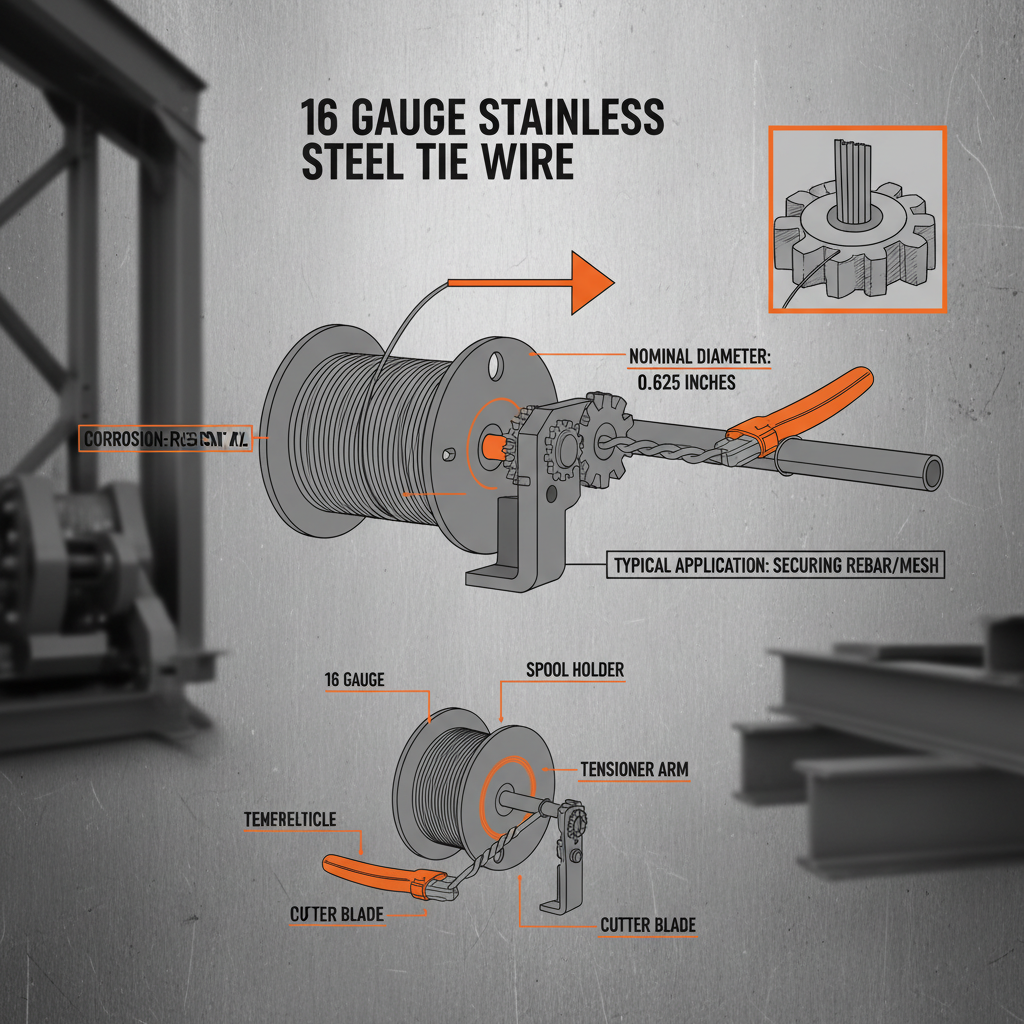
16 gauge stainless steel tie wire refers to the wire's diameter, with "gauge" being a standard measurement of wire thickness. A lower gauge number indicates a thicker wire. 16 gauge strikes a good balance between strength and malleability. The 'stainless steel' component means the wire is an alloy containing at least 10.5% chromium, giving it excellent corrosion resistance. This makes it ideal for both indoor and outdoor applications where exposure to moisture and the elements is a concern. It’s widely favored for its strength, flexibility, and resistance to rust, making it a long-lasting solution for tying materials together.
Key Highlights: Excellent corrosion resistance, strong and durable, easy to work with, versatile for many applications.
The versatility of 16 gauge stainless steel tie wire makes it useful in a wide range of applications. Some common uses include: securing rebar in concrete construction, bundling landscape materials such as shrubs and trees, tying together wires and cables, securing fencing, and crafting. Its resistance to corrosion is especially valuable in outdoor projects and marine environments. Furthermore, it’s often used in packaging, securing products for shipping, and in the agricultural sector for training plants. You can explore a wide array of applications and quality wire products at TY Wire Mesh.
Common Applications:
• Rebar Tying
• Landscaping and Gardening
• Cable and Wire Management
• Fencing and Repair
Choosing the correct gauge of tie wire is crucial for project success. While 16 gauge is a popular choice, understanding its position relative to other gauges is important. Thicker gauges (like 14 or 12) offer greater strength but can be more difficult to work with. Thinner gauges (like 18 or 20) are easier to manipulate but provide less holding power. 16 gauge provides a good balance. Stainless steel also differs from other materials like galvanized steel. While galvanized steel is more affordable, it's susceptible to rust, especially in harsh environments. Stainless steel offers superior longevity and corrosion resistance, making it a cost-effective option in the long run.
While galvanized steel offers a lower initial cost, stainless steel tie wire offers significant long-term benefits. Galvanized steel relies on a zinc coating to prevent rust, but this coating can be damaged, leading to corrosion. Stainless steel, on the other hand, is inherently corrosion-resistant due to its chromium content. This makes it ideal for applications in harsh environments, such as coastal areas or chemical processing plants. The increased durability of stainless steel translates to a longer lifespan, reducing the need for frequent replacements and ultimately saving money.
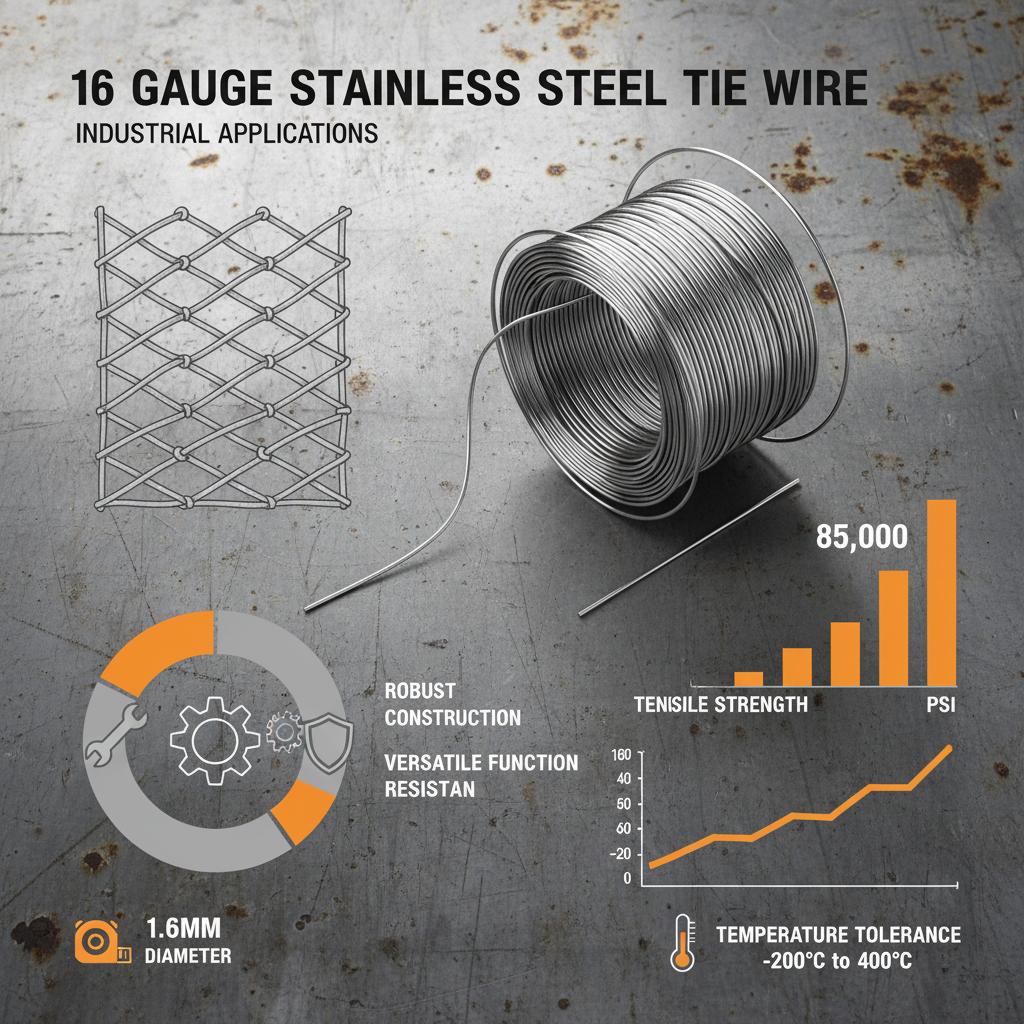
Sourcing high-quality 16 gauge stainless steel tie wire is essential for ensuring the reliability and longevity of your projects. TY Wire Mesh offers a comprehensive selection of stainless steel tie wire in various gauges and lengths. We pride ourselves on providing consistent quality, competitive pricing, and excellent customer service.
Investing in high-quality 16 gauge stainless steel tie wire from a reputable supplier like TY Wire Mesh is a smart decision for any project requiring secure and durable fastening. Its corrosion resistance, strength, and versatility make it a superior choice compared to other materials. Ensure your projects stand the test of time by choosing the right wire.
The tensile strength of 16 gauge stainless steel tie wire typically ranges from 80,000 to 100,000 PSI (pounds per square inch). This indicates the amount of force the wire can withstand before breaking. However, the exact tensile strength can vary slightly depending on the specific alloy composition. It’s important to consult the manufacturer’s specifications for precise details. This strength is what allows it to securely hold materials together, even under stress.
Cutting stainless steel tie wire requires a tool strong enough to handle its hardness. Wire cutters are the most common tool for this purpose. Ensure the wire cutters are sharp to achieve a clean cut and avoid bending or fraying the wire. For larger quantities or thicker wire, consider using a bolt cutter. Always wear safety glasses to protect your eyes from flying wire fragments.
Not all stainless steel is magnetic. The magnetic properties depend on the alloy's composition. Austenitic stainless steels, like 304 and 316, are typically non-magnetic. However, ferritic and martensitic stainless steels are magnetic. If you require a non-magnetic wire for your application, ensure you choose a wire made from an austenitic stainless steel alloy.
While stainless steel is generally safe to handle, it’s important to wear gloves to protect your hands from sharp edges and potential cuts. Safety glasses are also recommended to prevent eye injuries from wire fragments. When cutting the wire, be mindful of the potential for the wire to snap or recoil. Always follow proper safety procedures and use appropriate tools.