TEL:
+86-13102802206
TEL:
+86-13102802206
 Email:
fencenetting@china.com
Email:
fencenetting@china.com
 Language
TEL:
+86-13102802206
Email:
fencenetting@china.com
Language
Language
TEL:
+86-13102802206
Email:
fencenetting@china.com
Language


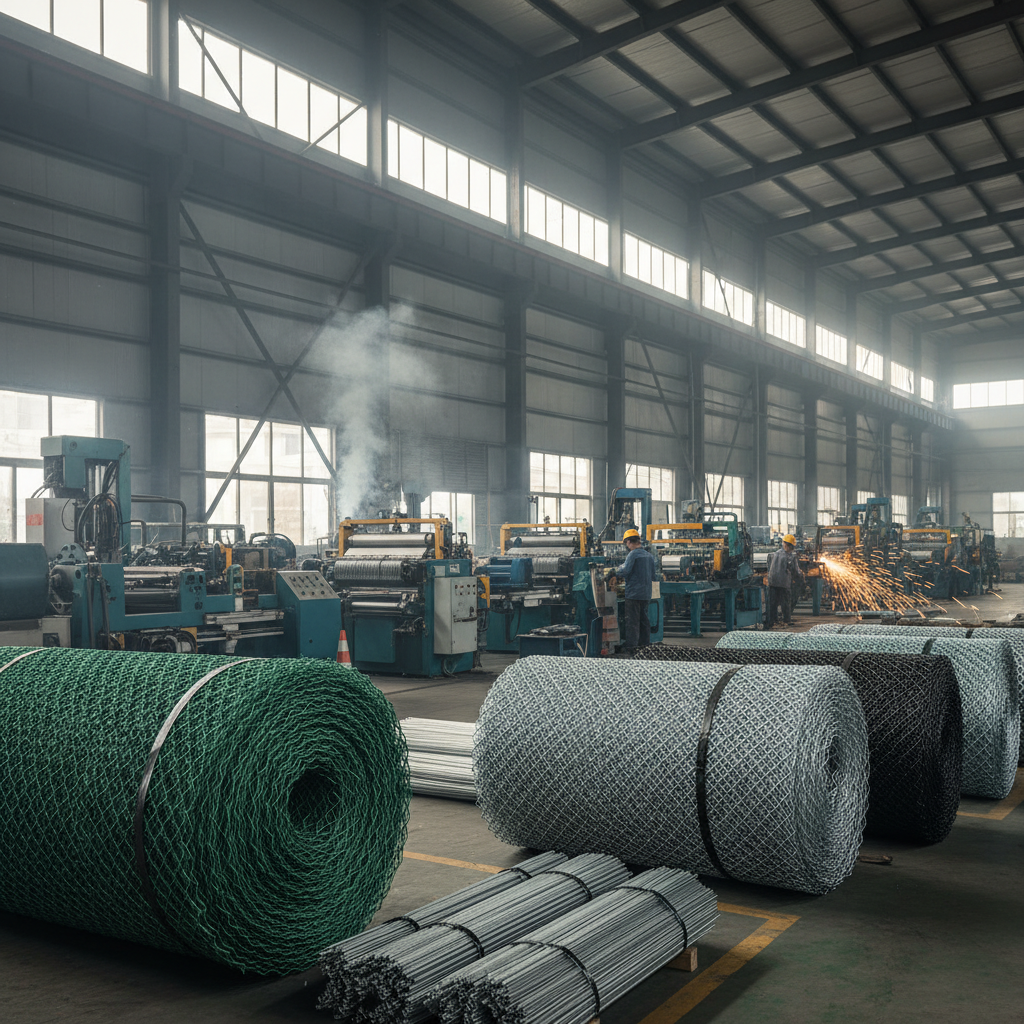
Iron wire china – it’s more than just metal; it’s the backbone of countless projects I’ve seen come to life from the ground up. I’ve spent years on construction sites, getting my hands dirty, and you quickly learn what materials you can rely on. And trust me, a consistent, high-quality iron wire supply is right up there with a good crew and a solid plan. It’s fundamental, whether you're reinforcing concrete, building fences, or securing materials for shipment. It's about dependability, plain and simple.
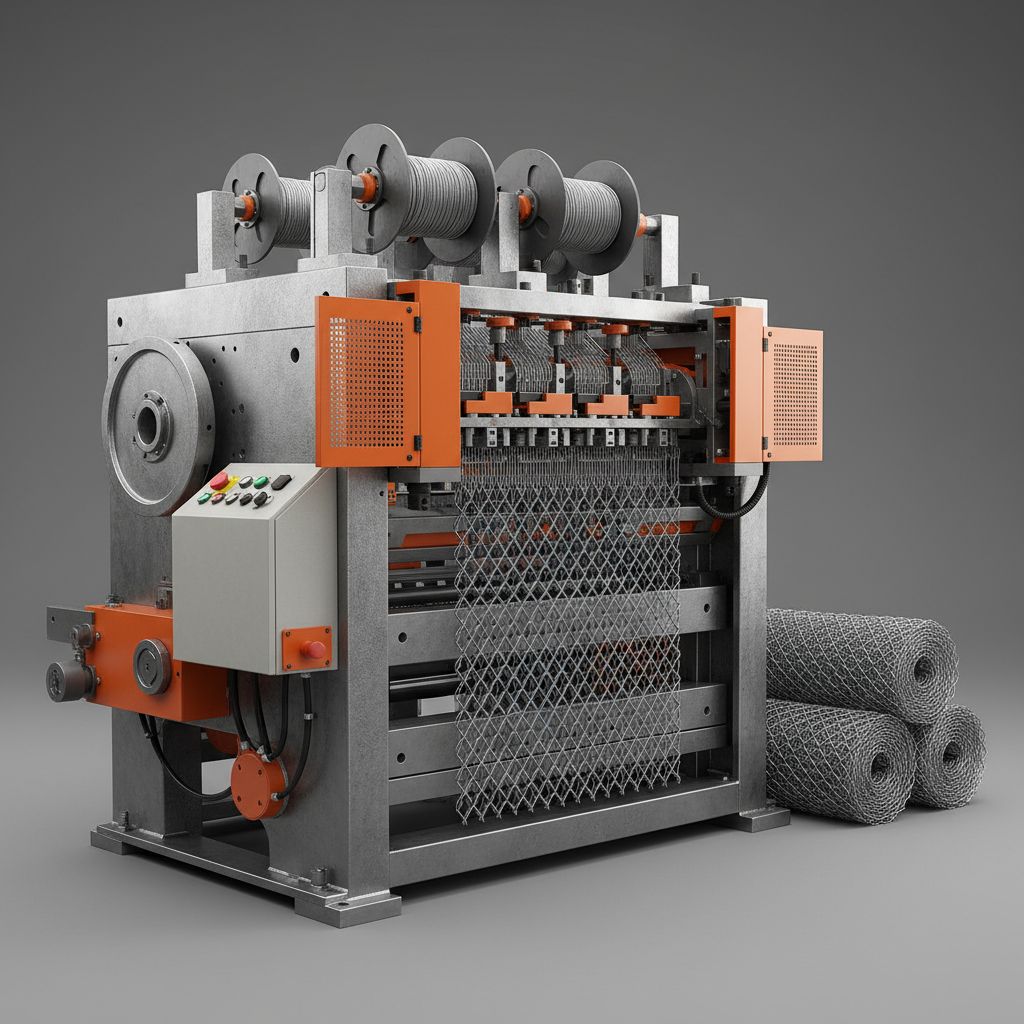
What always strikes me is how much modern infrastructure depends on something so seemingly basic. I’ve watched engineers wrestle with supply chain issues that stalled projects for weeks, all because the iron wire wasn’t up to spec or couldn’t be delivered on time. That’s when you really understand its importance. It impacts everything from timelines to budgets. I’ve also seen firsthand how advancements in production techniques, especially here in China, have significantly improved the strength and durability of these products.
The whole game hinges on getting the right material to the job site, when it's needed. It’s not just about cost, although that's always a factor. It's about minimizing delays, reducing waste, and ultimately ensuring the safety and longevity of what we build. I’ve learned to look beyond the price tag and consider the total cost of ownership – and that’s where quality iron wire china consistently proves its worth.
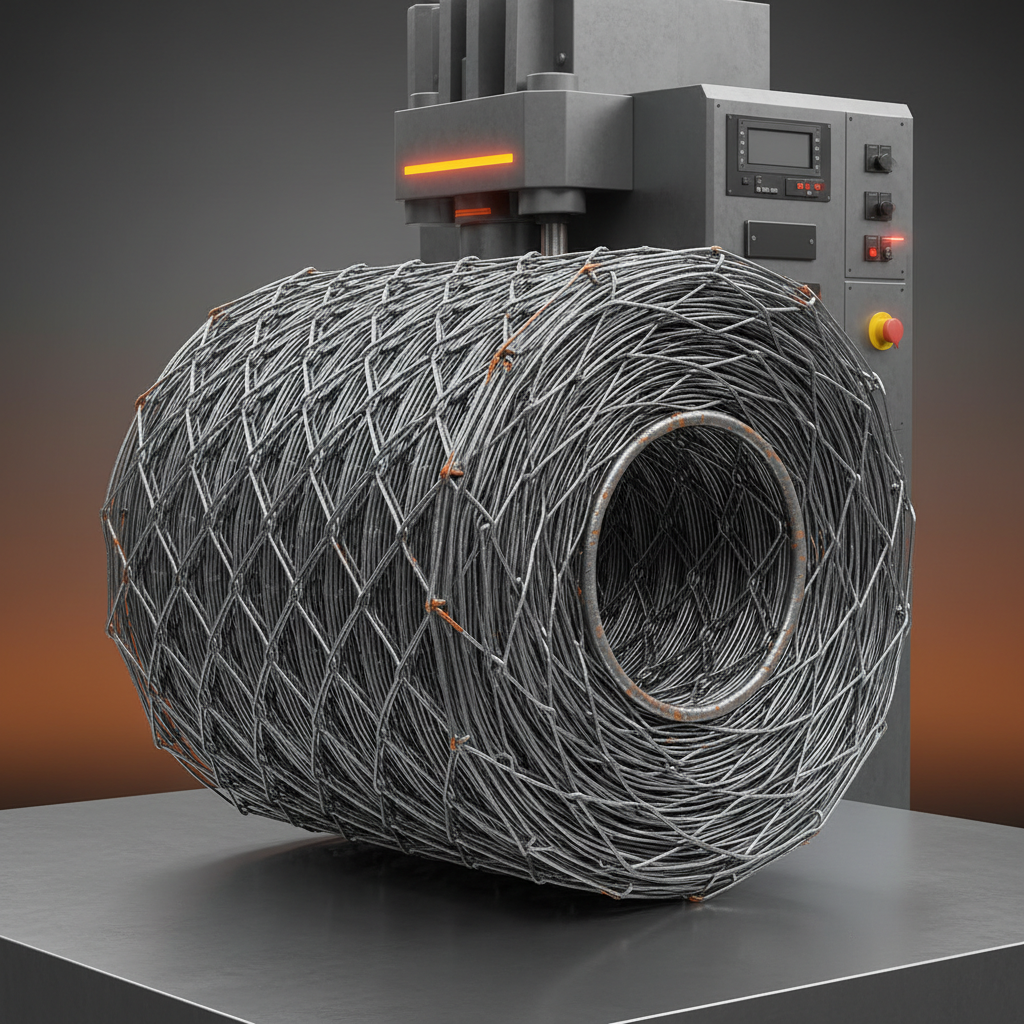
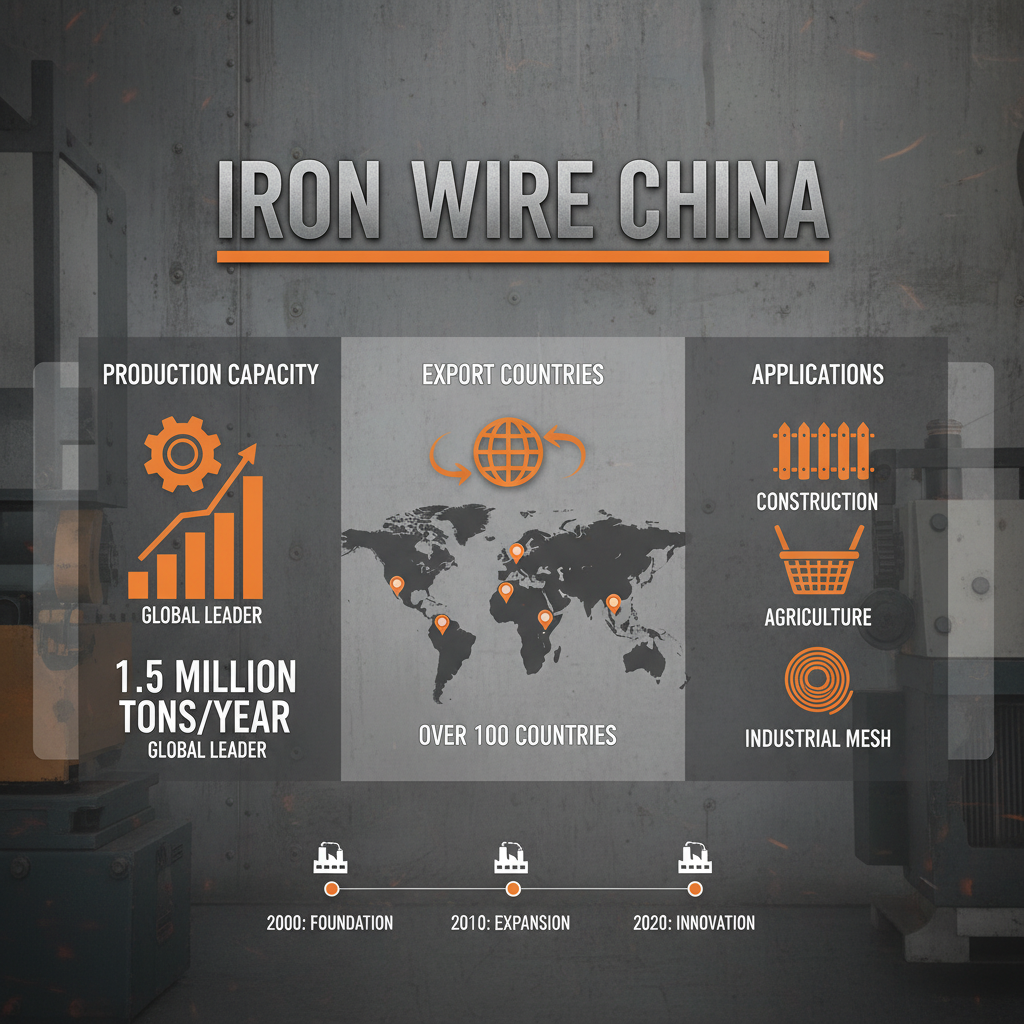
I’ve seen the global construction boom firsthand, and one thing is consistent everywhere: the demand for reliable materials. China has become a dominant force in supplying this demand, particularly with iron wire. According to recent UN commodity reports, steel and iron wire exports from China account for a significant percentage of the global market – upwards of 60% in some categories. It's not just about volume, though; it's about the ability to scale production and meet diverse needs.
The challenge we often face isn’t finding iron wire, but ensuring it meets the necessary specifications for specific projects. In regions prone to natural disasters or with stringent building codes, the wire needs to withstand immense stress. That’s where understanding the nuances of Chinese manufacturing – the different grades, treatments, and quality control measures – becomes crucial.
Different grades of iron wire china are categorized based on their tensile strength, carbon content, and surface treatments. Higher carbon content generally means greater strength but also decreased ductility. Galvanized wire offers superior corrosion resistance, while annealed wire is softer and more pliable. Understanding these differences is vital for selecting the right wire for a specific application. You wouldn't use annealed wire for high-stress concrete reinforcement, for example. It's about matching the material to the load.
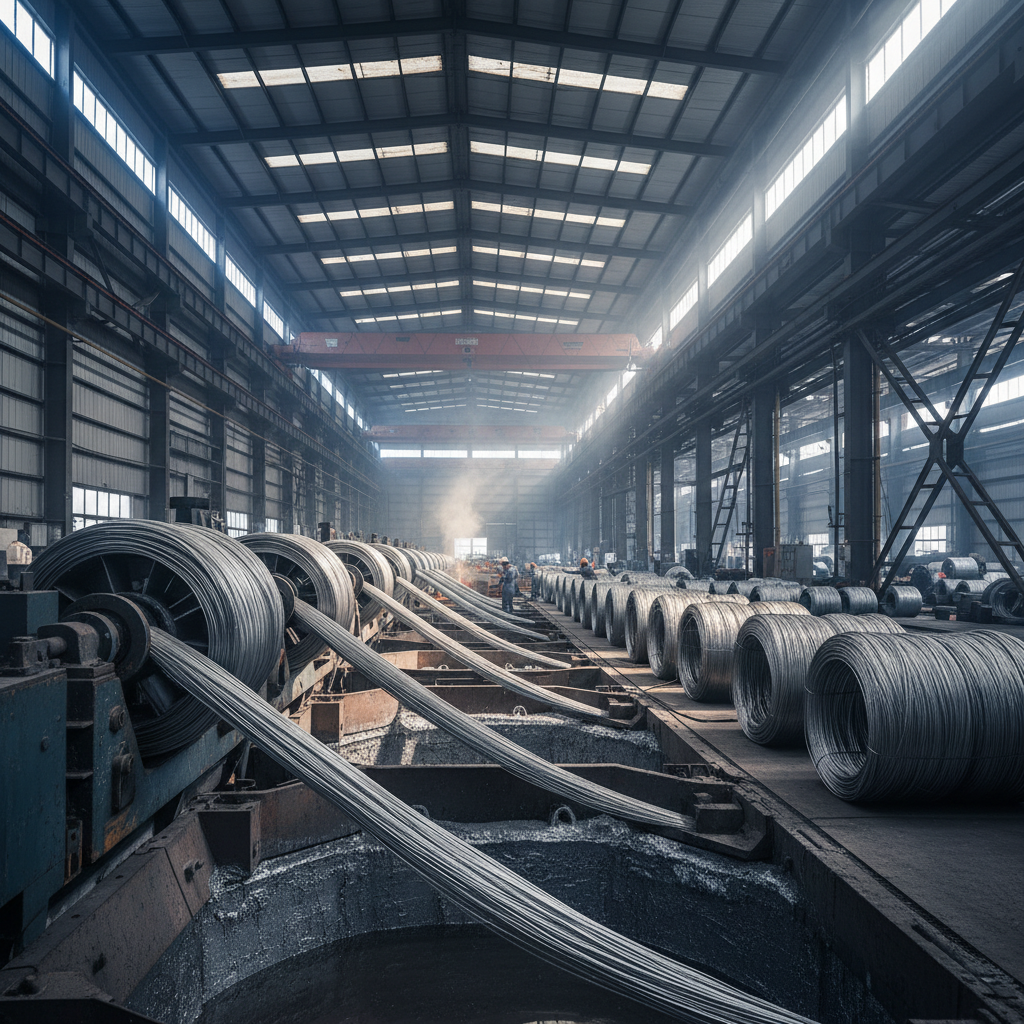
Galvanization is a critical process for extending the lifespan of iron wire china. The zinc coating acts as a sacrificial anode, meaning it corrodes before the iron itself. The thickness of the zinc coating is key; a heavier coating provides better long-term protection. However, even galvanized wire will eventually corrode, especially in harsh environments. Regular inspections and preventative maintenance, like applying additional protective coatings, can further extend its life.
Reputation is paramount. Look for manufacturers with ISO 9001 certification and a proven track record of quality control. Request samples and conduct independent testing to verify that the wire meets your specifications. Don't be afraid to ask about their production processes, material sourcing, and environmental practices. And always get a detailed quote that includes shipping costs and any applicable tariffs.
Weather, particularly moisture and temperature fluctuations, significantly impacts the performance of iron wire china. Exposure to water accelerates corrosion, and freeze-thaw cycles can cause stress and fatigue. Galvanization helps mitigate these effects, but in coastal areas or regions with high humidity, additional protective measures, like specialized coatings or regular maintenance, are crucial. Proper design and installation also play a role in minimizing weather-related damage.
Iron itself is a recyclable material, making iron wire china potentially sustainable, if responsibly sourced and managed. However, the production process can be energy-intensive. Look for manufacturers who are investing in cleaner production technologies and minimizing waste. Proper end-of-life recycling is also essential to close the loop and reduce the environmental impact.
Typical lead times for iron wire china orders can vary depending on the quantity, specifications, and current demand. Generally, you can expect a lead time of 2-4 weeks for standard products. For customized orders or larger quantities, lead times can extend to 6-8 weeks or even longer. It's always best to check with the manufacturer directly and factor in potential shipping delays, especially during peak seasons.
In the end, iron wire china isn't just a commodity; it’s a fundamental building block of our modern world. From the skyscrapers that dominate our skylines to the fences that protect our properties, it's a material we rely on every single day. Understanding its characteristics, applications, and potential challenges is crucial for anyone involved in construction, infrastructure development, or supply chain management.
Looking ahead, the key to maximizing the value of iron wire china lies in embracing sustainable practices, investing in innovation, and building strong relationships with reliable suppliers. By doing so, we can ensure that this essential material continues to play a vital role in building a stronger, more resilient, and more sustainable future. For reliable sourcing, visit our website: tywiremesh.com.