TEL:
+86-13102802206
TEL:
+86-13102802206
 Email:
fencenetting@china.com
Email:
fencenetting@china.com
 Language
TEL:
+86-13102802206
Email:
fencenetting@china.com
Language
Language
TEL:
+86-13102802206
Email:
fencenetting@china.com
Language


If you’re researching a practical, made-to-last aluminium frame mosquito net for windows, here’s the straight talk from the shop floor and a few job sites. Demand has spiked—hotels, clinics, even co-working spaces don’t want bugs, fumes, or high maintenance. And, to be honest, the latest Window Screen Series from Anping (Hebei) factories is better engineered than many people expect.
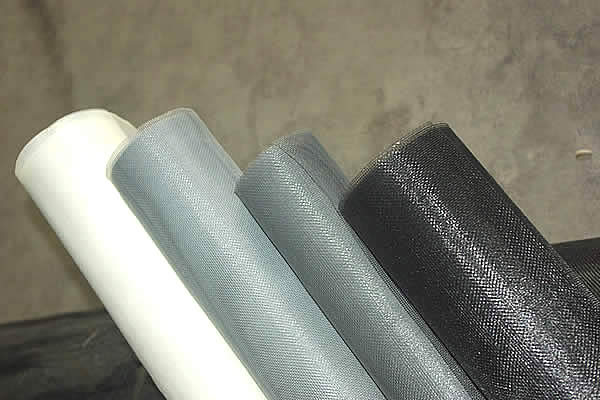
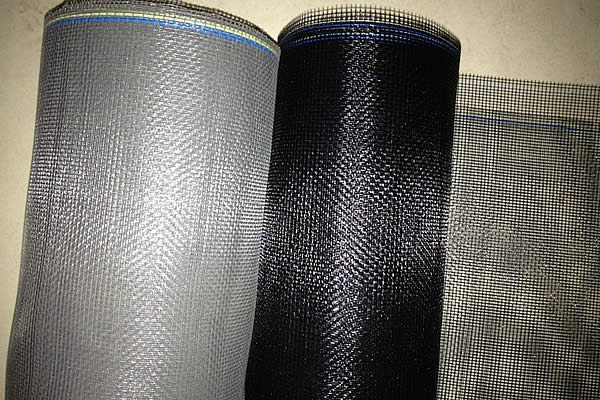
| Frame alloy | 6063-T5 extruded aluminium, ≈1.0–1.2 mm wall |
| Finish | Powder coat 60–80 μm (ASTM D3359 adhesion) or anodized ≥10 μm |
| Mesh options | Fiberglass 18×16; Aluminium 18×16; SS304 18×16 or 20×20 (ASTM E2016) |
| Aperture/open area | ≈1.2–1.4 mm; open area ≈60–70% (real-world airflow may vary) |
| Gasket | EPDM spline, UV-resistant |
| Service life | 5–10 years typical; coastal SS mesh setups ≈10–15 years with care |
| Typical colors | Matt white, charcoal, bronze; custom RAL available |
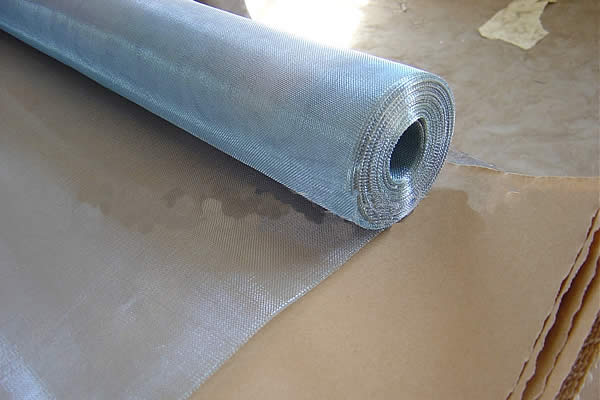
Hotels, public buildings, clinics, schools, and busy residential towers. The big wins: low weight, easy cleaning, and, surprisingly, better acoustic “softening” of street buzz than many expect. Many customers say the aluminium frame mosquito net for windows feels almost invisible from a meter away—charcoal meshes especially.
| Vendor | Origin | Mesh/Frame | Lead time | Certs | Price range |
|---|---|---|---|---|---|
| TY Wire Mesh – Window Screen Series | No.3 Building, Weier Rd 11, Anping, Hebei, China | Fiberglass/Alu/SS + 6063-T5 | ≈12–20 days | ISO 9001; test to ASTM/ISO | $$ (value) |
| Regional Fabricator A | Local install network | Fiberglass + powder-coated frame | ≈7–14 days | Local QA only | $$$ (faster) |
| Export House B | APAC | Aluminium mesh + anodized frame | ≈20–30 days | Mixed | $–$$ (bulk) |
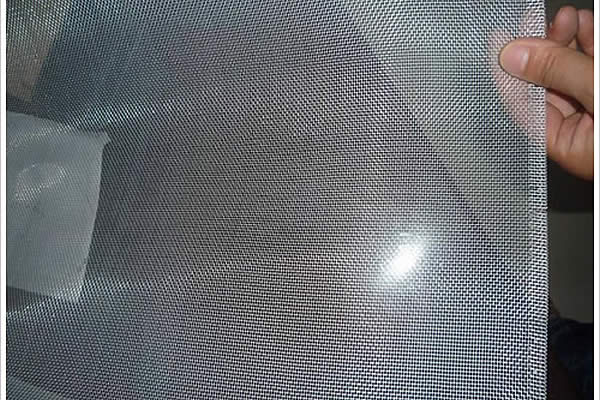
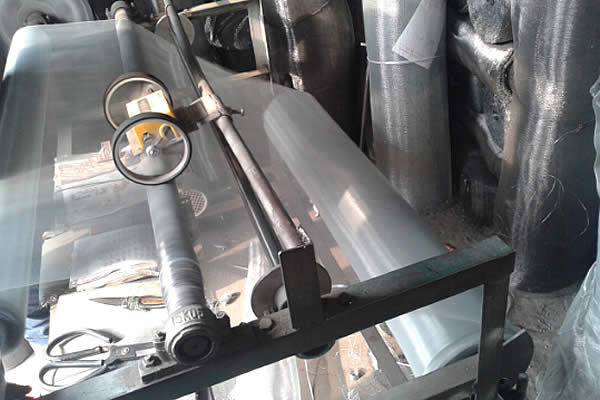
Origin: No.3 Building, Weier Road 11, Anping County, Hebei, China. If you’re comparing another aluminium frame mosquito net for windows, ask for adhesion and salt-spray data, not just pretty photos.