TEL:
+86-13102802206
TEL:
+86-13102802206
 Email:
fencenetting@china.com
Email:
fencenetting@china.com
 Language
TEL:
+86-13102802206
Email:
fencenetting@china.com
Language
Language
TEL:
+86-13102802206
Email:
fencenetting@china.com
Language


In contemporary building design and facility management, the demand for robust, aesthetically pleasing, and highly functional insect screens has never been more critical. Across residential, commercial, and industrial sectors, the need to protect interiors from pests while maintaining optimal ventilation and natural light is paramount. This white paper delves into the advanced engineering and practical applications of aluminium frame mosquito net for windows, a product category that has emerged as a superior solution compared to traditional alternatives. We will explore the latest industry trends, technical specifications, diverse application scenarios, and the compelling advantages that these systems offer B2B decision-makers.
The market for insect screen solutions is experiencing significant growth, driven by increasing awareness of vector-borne diseases, stricter health and safety regulations in commercial establishments, and a rising preference for sustainable building materials. End-users, from hospitality chains to industrial facilities, are actively seeking long-lasting, low-maintenance options that deliver on performance and visual integration. Aluminium, renowned for its strength-to-weight ratio, corrosion resistance, and recyclability, provides an ideal material for framing sophisticated insect screens. This positions aluminium frame mosquito net for windows at the forefront of modern fenestration solutions.
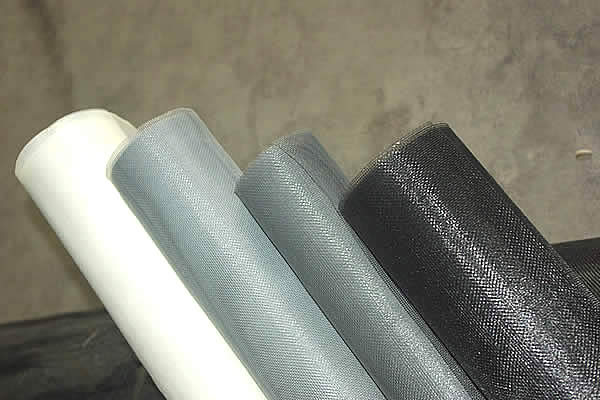
The production of high-quality aluminium frame mosquito net for windows involves a meticulously controlled process, ensuring product integrity, durability, and superior performance. Adherence to international standards like ISO 9001 for quality management and ANSI standards for material specifications is crucial throughout the manufacturing lifecycle.
High-grade aluminium alloy billets (e.g., 6063-T5) are selected for their optimal balance of strength, corrosion resistance, and extrudability. These are then heated and extruded through dies to form precise frame profiles (e.g., hollow sections, channels, Z-sections). This process ensures dimensional accuracy, critical for a tight and secure frame.
The mesh material, typically fiberglass, stainless steel (SS304/SS316), or woven aluminium, undergoes precise weaving or stretching processes. For fiberglass, PVC coating is applied for enhanced durability and UV resistance. Stainless steel mesh is often woven to specific mesh counts (e.g., 18x16, 20x20) and wire diameters to optimize airflow and insect exclusion. Testing for tensile strength and aperture size is standard.
Both the extruded aluminium profiles and the mesh material are cut to exact dimensions using CNC machining, ensuring minimal tolerance. Frame components are mitered at precise angles (typically 45 degrees) for seamless corner joints.
Frame sections are joined using robust corner brackets, often reinforced with mechanical fasteners or crimping techniques. The assembled frame then undergoes surface treatment, commonly powder coating (for a durable, aesthetic finish) or anodization (for superior corrosion resistance and hardness). These finishes enhance the service life of the aluminium mosquito net for windows significantly, often extending it beyond 15-20 years in typical conditions.
The chosen mesh is meticulously stretched and secured into the aluminium frame using a spline, a flexible cord inserted into a channel around the frame's perimeter. This ensures uniform tension across the mesh, preventing sagging and maintaining structural integrity.
Each completed unit undergoes rigorous quality checks, including visual inspection for defects, dimensional verification, and functionality tests (e.g., smoothness of sliding mechanisms, integrity of mesh attachment). Performance tests may include salt spray tests for corrosion resistance (ASTM B117) and UV exposure tests for color fastness and material degradation.
These sophisticated manufacturing processes ensure that the final product is suitable for demanding environments across target industries such as petrochemical, metallurgy, water supply & drainage, hospitality, and healthcare, where energy saving through enhanced ventilation and superior corrosion resistance are critical advantages.
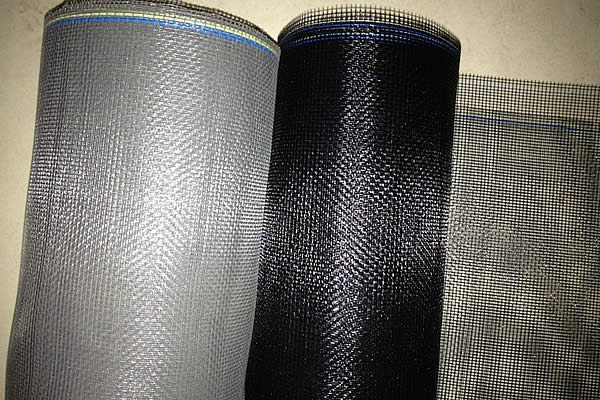
Understanding the technical parameters of aluminium window insect screen systems is crucial for specifying the correct solution for diverse B2B applications. These specifications dictate performance characteristics such as insect exclusion efficacy, airflow, structural stability, and longevity.
| Parameter | Specification Range / Standard | Significance for B2B |
|---|---|---|
| Frame Material | Extruded Aluminium Alloy (e.g., 6063-T5) | Lightweight, high strength, excellent corrosion resistance. Ideal for harsh industrial or coastal environments. |
| Frame Thickness | 1.0 mm to 2.0 mm (customizable) | Determines structural rigidity and resistance to warping/impact. Thicker frames for larger openings or high-traffic areas. |
| Mesh Material Options | Fiberglass (PVC Coated), Stainless Steel (SS304, SS316), Woven Aluminium | Varies by application: Fiberglass for general use, SS for security/corrosion, Aluminium for cost-effectiveness/rigidity. |
| Mesh Count | 18x16, 20x20, 22x22 (strands per inch) | Higher count offers finer insect exclusion (e.g., no-see-ums) but slightly reduced airflow. Standard 18x16 for most insects. |
| Wire Diameter (Mesh) | 0.22 mm to 0.35 mm (0.009" to 0.014") | Thicker wire diameter increases mesh strength and durability, especially for `aluminium fly screens for windows` requiring resistance to impact. |
| Surface Treatment (Frame) | Powder Coating (e.g., AkzoNobel Interpon D2525), Anodizing | Ensures long-term aesthetic appeal, UV resistance, and additional corrosion protection compliant with AAMA 2604/2605. |
| Operating Mechanism | Sliding, Hinged, Fixed, Roll-up | Adaptability to different window types and operational requirements for ease of use and maintenance. |
| Corrosion Resistance | ASTM B117 (Salt Spray Test) & ISO 9227 compliant | Critical for coastal, high-humidity, or chemical-prone environments. Ensures longevity and reduced maintenance costs. |
These specifications underline the engineered nature of modern insect screens, allowing architects, contractors, and facility managers to select products that precisely match their project's technical and environmental demands.
The versatility and inherent strength of aluminium frame mosquito net for windows make them indispensable across a wide spectrum of B2B applications. Their adaptability ensures optimal performance in environments demanding both functionality and aesthetics.
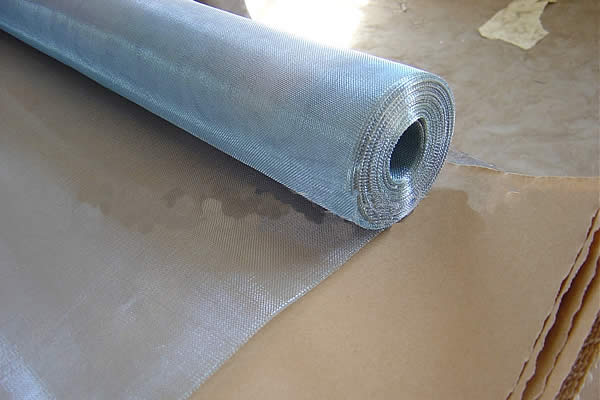
The choice of aluminium as a primary material for insect screen frames offers a multitude of technical advantages that directly translate into long-term value and operational efficiency for B2B clients.
These technical merits underscore why aluminium frame mosquito net for windows are a preferred choice for discerning B2B clients seeking long-term performance and value.
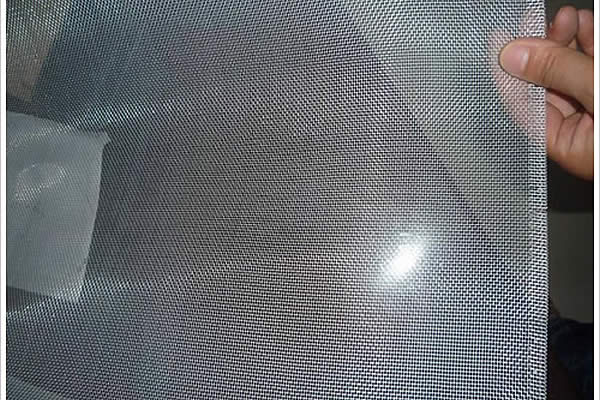
Choosing the right supplier for `aluminium window insect screen` solutions involves evaluating several critical factors, including product quality, customization capabilities, adherence to standards, and post-sales support. Below is a comparison table analyzing different frame and mesh materials commonly available in the market, highlighting why aluminium remains a superior choice for B2B applications.
| Feature | Aluminium Frame (Alloy 6063-T5) | UPVC/Vinyl Frame | Stainless Steel Mesh (SS304/316) | Fiberglass Mesh (PVC Coated) | Standard Aluminium Mesh |
|---|---|---|---|---|---|
| Corrosion Resistance | Excellent (natural passivation, anodizing/powder coating) | Good (plastic, but can degrade with UV) | Superior (especially SS316 for marine environments) | Good (PVC coating protects fiberglass) | Very Good (forms oxide layer) |
| Strength & Rigidity | High (extruded profiles) | Moderate (can warp/sag over time) | Excellent (high tensile strength, security) | Good (flexible, but can tear under impact) | Good (rigid, prone to denting) |
| UV Stability | Excellent (with powder coating/anodizing) | Moderate (can yellow/become brittle) | Excellent | Very Good (PVC coating offers UV protection) | Excellent |
| Maintenance | Low | Low to Moderate (cleaning) | Low | Low | Low |
| Cost-Effectiveness (Lifecycle) | High (initial higher, long-term savings) | Moderate (lower initial, higher replacement) | High (initial higher, extremely long life) | Moderate (good balance) | Good (cost-effective) |
When selecting a vendor, consider their experience, certifications (e.g., ISO, CE), ability to provide customized solutions, and track record with large-scale B2B projects. A reputable supplier will offer comprehensive technical data, transparent lead times, and robust after-sales support.
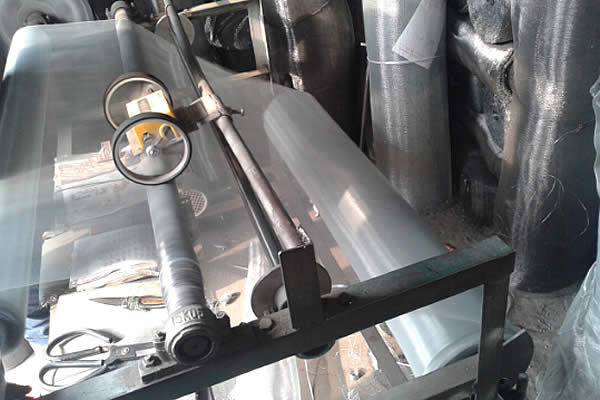
Recognizing that every B2B project presents unique challenges and specifications, leading manufacturers offer extensive customization options for aluminium frame mosquito net for windows. This ensures seamless integration and optimal performance in diverse architectural and operational contexts.
This ability to provide bespoke solutions, from a single specialized screen to thousands for a large-scale development, is a hallmark of an authoritative and experienced vendor.
The effectiveness and reliability of aluminium window insect screen systems are best demonstrated through their successful implementation in demanding B2B environments. These case studies highlight their tangible benefits.
Client: Metropolitan Health Authority (MHA) - New Wing Construction
Challenge: MHA required insect screens for 800 windows in a new hospital wing to ensure optimal patient recovery environments free from pests, while maximizing natural ventilation to reduce HVAC load and improve indoor air quality. The screens needed to be highly durable, easy to clean, and resistant to hospital-grade disinfectants.
Solution: Custom-designed `aluminium frame mosquito net for windows` were installed. Frames were anodized for superior chemical and corrosion resistance, and fitted with 20x20 mesh count stainless steel (SS304) mesh for maximum insect exclusion and enhanced security. Hinged and sliding configurations were utilized for accessibility and window cleaning.
Results: Post-installation, the hospital reported a near-zero incidence of insect ingress through screened windows. The robust construction withstood constant operation and rigorous cleaning protocols. MHA estimated a 15% reduction in annual energy consumption for cooling due to the ability to effectively utilize natural ventilation, leading to significant operational savings. Customer feedback highlighted the screens' contribution to patient comfort and the professional aesthetics of the new facility.
Client: "Ocean Vista Resorts" - New Luxury Villa Development
Challenge: A luxury resort chain expanding along a highly corrosive coastal line needed insect screens that could withstand constant salt spray, high humidity, and intense UV radiation, without compromising the upscale aesthetic or guest experience. The screens also needed to be pet-resistant for villas allowing companion animals.
Solution: We provided bespoke `aluminium fly screens for windows` with architectural-grade powder-coated aluminium frames (AAMA 2605 compliant for harsh environments) in a custom bronze finish to match the resort’s design palette. The mesh selected was heavy-duty pet-resistant fiberglass, offering enhanced durability against tears and excellent corrosion resistance. All hardware was marine-grade stainless steel.
Results: After two years in service, the screens showed no signs of corrosion, fading, or mesh degradation, a significant improvement over previous solutions used by the resort. Guest satisfaction surveys specifically mentioned the comfort of being able to open windows without insect nuisance. The resort management lauded the long-term durability and minimal maintenance, estimating a projected lifespan exceeding 20 years, contributing to a strong ROI.
As a commitment to Google's standards, we emphasize transparency and comprehensive support for our B2B partners. Our focus on quality, service, and clear communication builds lasting trust.
We understand the critical importance of project timelines. Standard orders for `aluminium mosquito net for windows` typically have a lead time of 3-4 weeks from final design approval, depending on volume and customization complexity. Expedited options are available for urgent projects. Our logistics team ensures efficient and secure delivery to your project site, worldwide.
We stand by the quality of our products. All `aluminium frame mosquito net for windows` come with a comprehensive 5-year warranty against manufacturing defects in both frame and mesh materials under normal use conditions. Specific warranty details for specialized finishes or mesh types are provided with each quotation.
Our expert technical support team is available from project conception through to post-installation. We offer:
Our commitment to client satisfaction extends beyond the sale, ensuring a smooth experience and long-term product performance.
The choice of aluminium frame mosquito net for windows represents a strategic investment for B2B entities seeking superior insect control, enhanced ventilation, and long-term durability. With advanced manufacturing processes, customizable options, and a proven track record in diverse applications, these systems deliver significant operational benefits and a compelling return on investment. As a leading provider of wire mesh solutions, we are dedicated to supplying products that meet the highest standards of quality, performance, and client satisfaction.