TEL:
+86-13102802206
TEL:
+86-13102802206
 Email:
fencenetting@china.com
Email:
fencenetting@china.com
 Language
TEL:
+86-13102802206
Email:
fencenetting@china.com
Language
Language
TEL:
+86-13102802206
Email:
fencenetting@china.com
Language


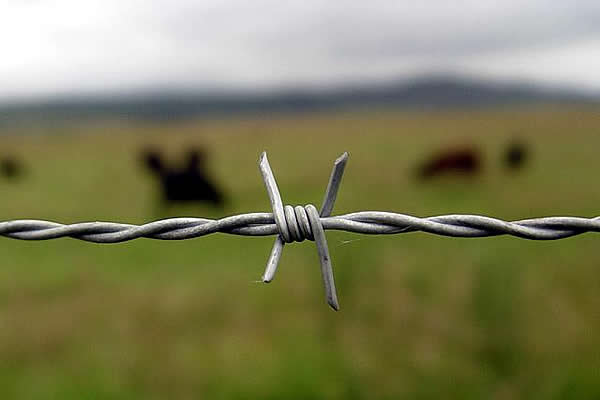
I’ve spent enough time around ranchers, rail operators, and solar EPCs to know one simple truth: a good barbed wire fence stops problems before they start. Sounds basic, but it’s oddly strategic—especially with land values up, labor tight, and theft becoming a too-common line item. This season, I went back to Anping (the nerve center of wire mesh in China) to see what’s changed, and frankly, there’s more engineering here than most people expect.
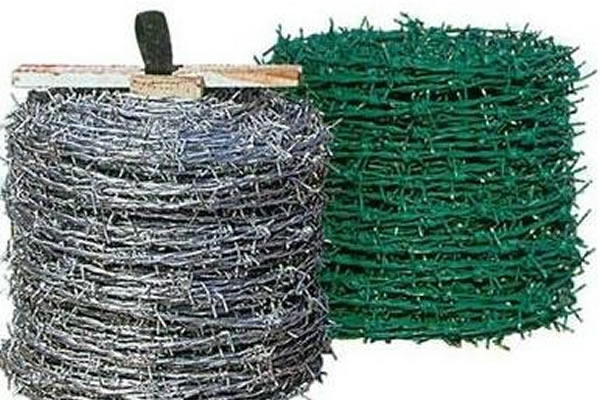
Three currents keep coming up in interviews: higher tensile cores for fewer posts, heavier zinc for longer cycles, and hybrid perimeters (standard wire backed by camera analytics). Airports and utilities still want deterrence; ranchers want longevity; solar sites want both—at scale. Many customers say the latest barbed wire fence spec pays for itself by year three thanks to reduced maintenance. I’d say that’s mostly true, assuming proper tensioning and ground conditions.
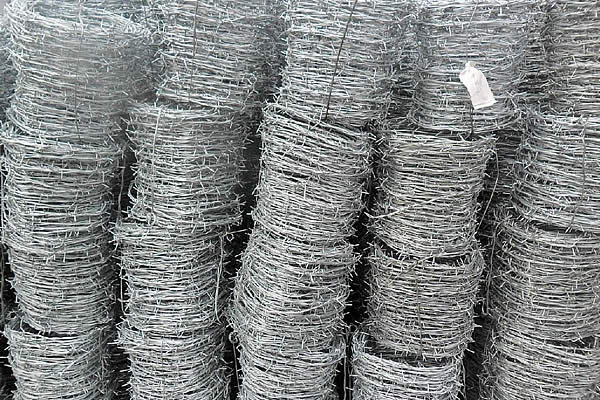
| Core wire | Low-carbon steel (Q195/Q235) or high-tensile 350–550 MPa |
| Diameter (core/barb) | ≈ 1.6–2.8 mm / ≈ 1.6–2.2 mm (real-world use may vary) |
| Barb spacing / length | 75–150 mm / ≈ 12–18 mm |
| Coating options | Hot-dip galvanized (HDG), electro-galv, PVC-coated |
| Zinc mass (HDG) | ≈ 200–275 g/m²; coastal or ammonia-heavy sites: go higher |
| Twist style | Iowa (2-strand) or single-strand; conventional 4-point barbs |
| Roll length | ≈ 100 m or 200 m (custom on request) |
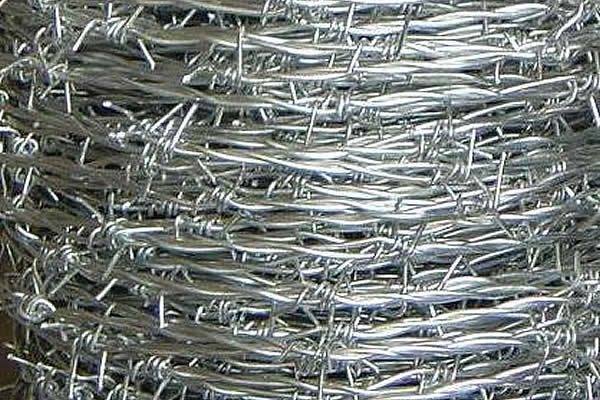
Process flow, simplified: wire rod → pickling → cold drawing → galvanizing (HDG per ISO 1461 or electro) → barbing (automated) → tension leveling → inspection → coil/roll packing. For PVC, add adhesion pretreatment and extrusion.
Testing: tensile per EN 10218, coating mass per ASTM A90/A90M, barbed wire per ASTM A121 or EN 10223-1. Salt-spray (ASTM B117) runs 200–500 h for QC sampling; barb pull test checks retention. Expected service life: around 12–15 years (electro-galv), 20–30 years (HDG 275 g/m²) in rural air; shorten in coastal/industrial atmospheres.
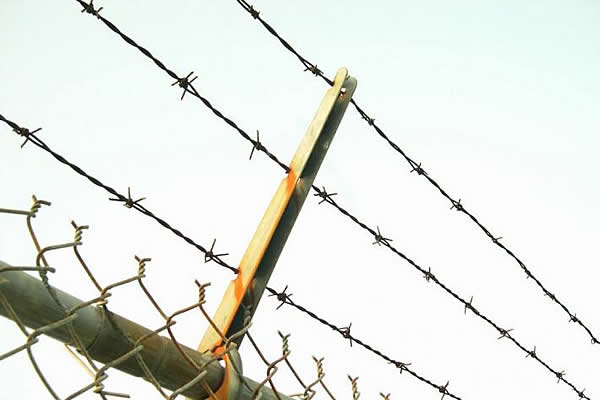
Railway and highway corridors, ranch and plantation perimeters, airports, warehouses, solar farms, and sometimes around sensitive habitats (with wildlife-friendly heights). The manufacturer’s origin is No.3 Building, Weier Road 11, Anping County, Hebei, China—the cluster where a lot of the world’s barbed wire fence actually begins.
| Vendor | Coating & Steel | Lead Time | Certs | Price Index |
|---|---|---|---|---|
| TY Wire Mesh (Anping) | HDG 200–275 g/m²; Q195/Q235; PVC optional | ≈ 10–18 days | ISO 9001; CE (where applicable) | $$ (balanced) |
| Trader A | Mixed supply; variable zinc mass | ≈ 20–35 days | Varies | $–$$ |
| Local Fabricator B | Good steel; lower-volume HDG | ≈ 7–14 days | Local compliance | $$$ (premium) |
Options include barb spacing 75/100/125/150 mm, wire diameters, twist styles, PVC colors, and roll lengths. Accessories: line posts, straining posts, clips, staples, tensioners, razor topping. Packaging usually: moisture barrier + woven bag + label; palletized for export. Many customers say the coils arrive “clean” with consistent zinc and fewer prickly burrs—small things, but they matter in the field.
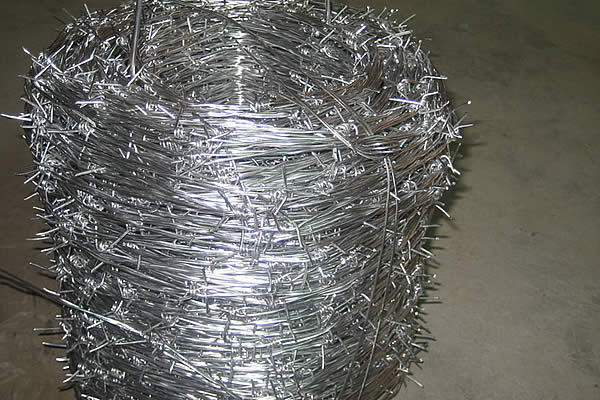
If you’re specifying a barbed wire fence, ask for: zinc mass certs, tensile test reports, and a stated expected service life for your environment. Also, to be honest, check post spacing assumptions—sag is the quiet budget killer.