TEL:
+86-13102802206
TEL:
+86-13102802206
 Email:
fencenetting@china.com
Email:
fencenetting@china.com
 Language
TEL:
+86-13102802206
Email:
fencenetting@china.com
Language
Language
TEL:
+86-13102802206
Email:
fencenetting@china.com
Language


2mm wire rope is a versatile material used across a surprisingly wide range of applications. From delicate rigging in model making to crucial components in control cables, its strength and flexibility make it a valuable resource. This article dives deep into the world of 2mm wire rope, exploring its uses, specifications, material options, and considerations for purchasing. We’ll also point you towards resources like TY Wire Mesh for high-quality options. Understanding the properties of this material is essential for ensuring safety and performance in any application.
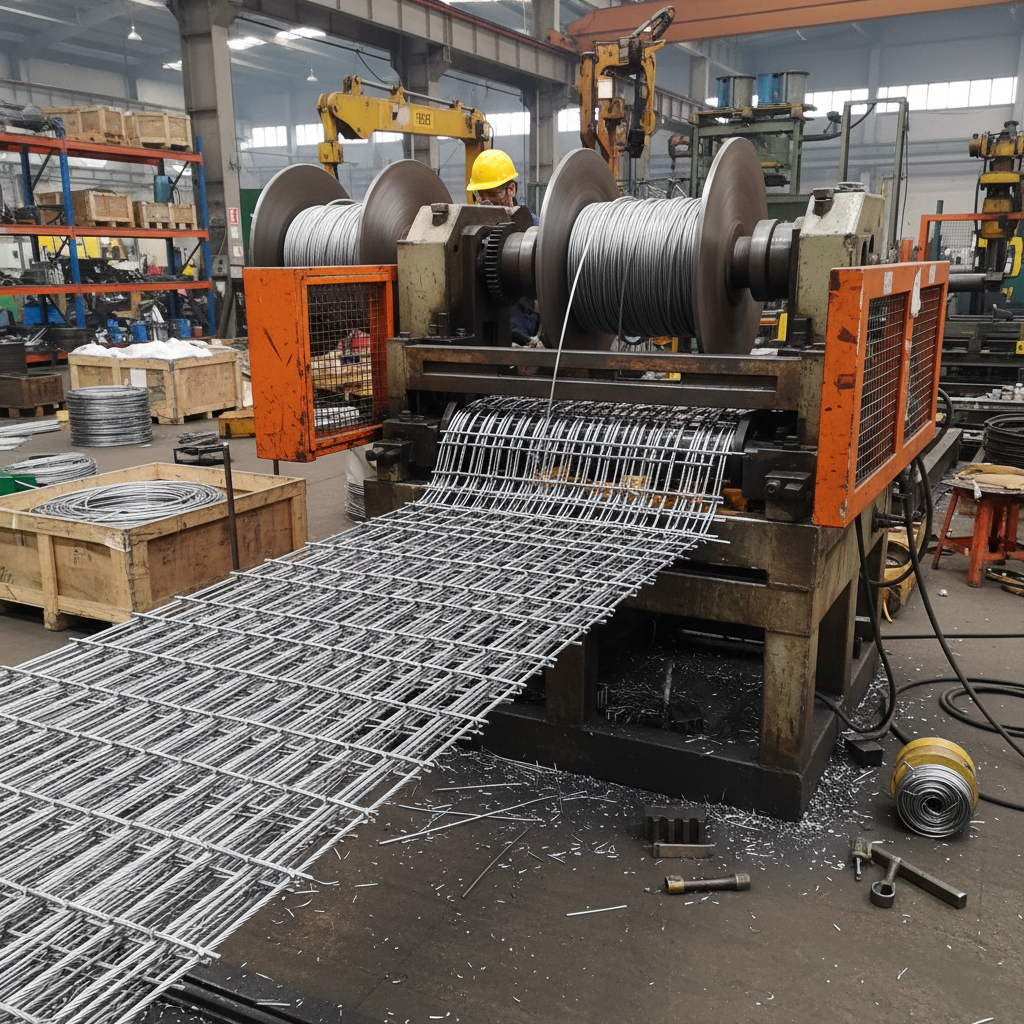
The small diameter of 2mm wire rope belies its strength and makes it suitable for a number of specialized tasks. It's frequently used in jewelry making for creating delicate pendants and bracelets, providing a sleek and modern aesthetic. Control cables, found in bicycle brakes and gear shifters, often rely on this size for smooth and responsive operation. In the model-making world, it's used for rigging sails and creating realistic details on miniature ships and aircraft. Beyond these, you’ll find it in safety lanyards, certain types of curtain wire systems, and as a component in various crafting projects. The compact size and high tensile strength are key to its broad appeal.
Key Applications: Jewelry Making, Control Cables, Model Rigging, Safety Lanyards, Craft Projects
Several materials are employed in the production of 2mm wire rope, each offering unique advantages. Stainless steel is a popular choice due to its excellent corrosion resistance, making it ideal for marine applications or environments with high humidity. Galvanized steel provides a cost-effective solution with good corrosion protection, suitable for general-purpose use. Carbon steel offers high strength but is susceptible to rust if not properly protected. Finally, specialized alloys may be used for specific applications requiring enhanced properties like high temperature resistance or increased tensile strength. Selecting the right material is critical for ensuring the longevity and performance of the wire rope.
Material Considerations:
• Stainless Steel: Superior corrosion resistance.
• Galvanized Steel: Cost-effective with good corrosion protection.
• Carbon Steel: High strength, requires rust protection.
• Specialty Alloys: Tailored properties for specific needs.
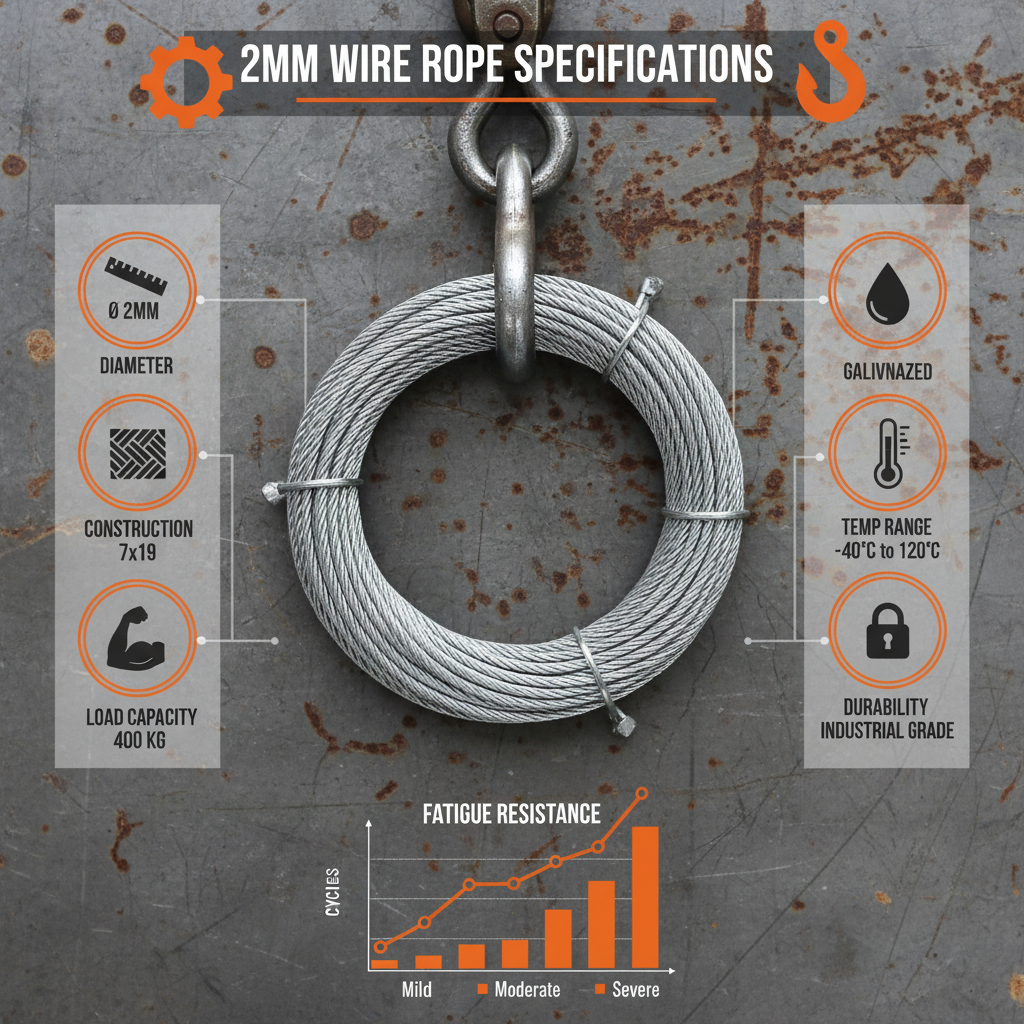
Understanding the specifications of 2mm wire rope is crucial for selecting the appropriate material for your application. While diameter is consistently 2mm, other key factors include the rope's construction (e.g., 7x7, 6x19 strands), material, and breaking strength. Breaking strength refers to the load at which the rope will fail and is a critical safety parameter. Here's a comparison of breaking strengths for different materials:
The construction of the wire rope – the way the individual strands are laid together – significantly impacts its flexibility and strength. A 7x7 construction (7 strands of 7 wires each) offers a good balance between flexibility and strength, making it suitable for applications requiring frequent bending or intricate routing. A 6x19 construction (6 strands of 19 wires each) provides higher strength and abrasion resistance but is less flexible. Consider the demands of your specific application when choosing the appropriate construction. For example, control cables might benefit from the flexibility of 7x7, while applications requiring greater durability may favor 6x19. TY Wire Mesh can provide guidance on the best construction for your needs.
When purchasing 2mm wire rope, consider the quantity you need, the material, construction, and the supplier’s reputation. Buying from a reputable supplier like TY Wire Mesh ensures you receive a high-quality product with accurate specifications. Check for certifications and compliance with relevant industry standards. Also, factor in shipping costs and lead times, especially if you require a large quantity or have a tight deadline. Don't hesitate to request samples to verify the material and construction before placing a large order.
Choosing the correct 2mm wire rope requires careful consideration of its intended application, material properties, construction, and supplier. By understanding these factors, you can ensure you select a product that delivers optimal performance, safety, and longevity. Explore the options available at TY Wire Mesh to find the perfect solution for your project.
The safe working load (SWL) is significantly lower than the breaking strength. It’s generally calculated by dividing the breaking strength by a safety factor, typically 5 or 6. Therefore, for a 2mm stainless steel wire rope with a breaking strength of 100kg, the SWL would be approximately 16.7-20kg. Always adhere to a conservative safety factor, and never exceed the SWL for your specific application. Factors like bending radius and dynamic loads can further reduce the SWL.
Proper storage is crucial for preventing corrosion. Store wire rope in a dry, well-ventilated area, protected from direct sunlight and harsh chemicals. If storing for extended periods, apply a corrosion inhibitor or light coating of oil to the rope. Avoid storing it in contact with dissimilar metals, as this can accelerate corrosion. Clean the rope thoroughly before storage to remove any dirt, grime, or salt residue.
While it's possible to cut 2mm wire rope yourself, it’s highly recommended to use a professional if you lack the proper tools and experience. Using the wrong cutting method can damage the rope's strands, reducing its strength and potentially creating a safety hazard. Professionals use specialized wire rope cutters that create a clean, precise cut without fraying the wires. If you must cut it yourself, use a proper wire rope cutter and immediately apply a sealant to prevent unraveling.
Regular inspection is key to identifying when 2mm wire rope needs replacement. Look for signs of corrosion, broken wires, kinking, crushing, or deformation. If you find any of these issues, the rope should be taken out of service immediately. Even if there are no visible signs of damage, replace the rope after its recommended service life, typically 3-5 years, depending on usage and environmental conditions. Don't risk safety – when in doubt, replace the rope.