Mesh fencing supplies are crucial components in a wide array of applications, ranging from securing industrial sites and agricultural lands to providing temporary barriers for events and disaster relief. The global demand for effective and durable fencing solutions is consistently growing, driven by increasing security concerns, infrastructure development, and the need for rapid deployment in emergency situations. Understanding the nuances of mesh fencing supplies—the materials, construction methods, and diverse applications—is increasingly vital for professionals across numerous industries.
The relevance of mesh fencing supplies extends beyond simple containment. Modern applications prioritize features like corrosion resistance, ease of installation, and adaptability to various terrains. The market reflects an increasing preference for lightweight yet robust solutions that offer a cost-effective alternative to traditional fencing materials like concrete or wood. With global trade and interconnected supply chains, accessibility to quality mesh fencing supplies is a key factor in supporting both economic growth and public safety.
Furthermore, advancements in materials science are continuously refining mesh fencing supplies, leading to innovations such as high-tensile steel, PVC coatings, and specialized weaves designed to withstand extreme weather conditions and deter unauthorized access. The ability to customize fencing solutions to meet specific project requirements is becoming increasingly important, fostering a dynamic and competitive landscape within the industry. For specialized options, explore mesh fencing supplies today.
Introduction to Mesh Fencing Supplies
Mesh fencing supplies have evolved significantly from basic wire barriers to highly engineered security and containment systems. Their versatility stems from the diverse range of materials and weaving patterns available, allowing for tailored solutions to address specific needs. The ongoing demand is fueled by the growing need for secure perimeters in both public and private sectors.
Selecting the right mesh fencing supplies requires careful consideration of factors like environmental conditions, security level, and budget constraints. Fortunately, a wide variety of suppliers offer comprehensive support, from material selection assistance to installation guidance, ensuring customers receive the most appropriate and cost-effective fencing solution. Companies like mesh fencing supplies are dedicated to these solutions.
Defining Mesh Fencing Supplies
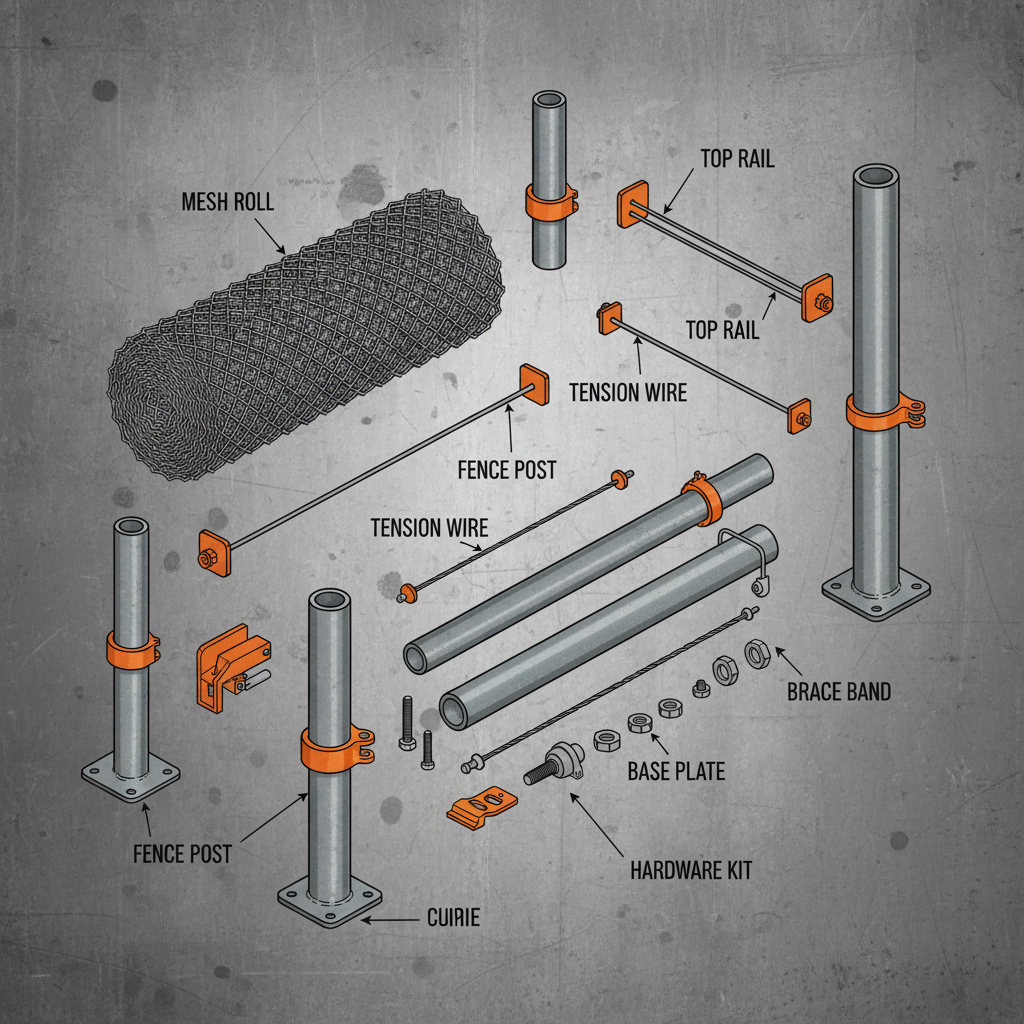
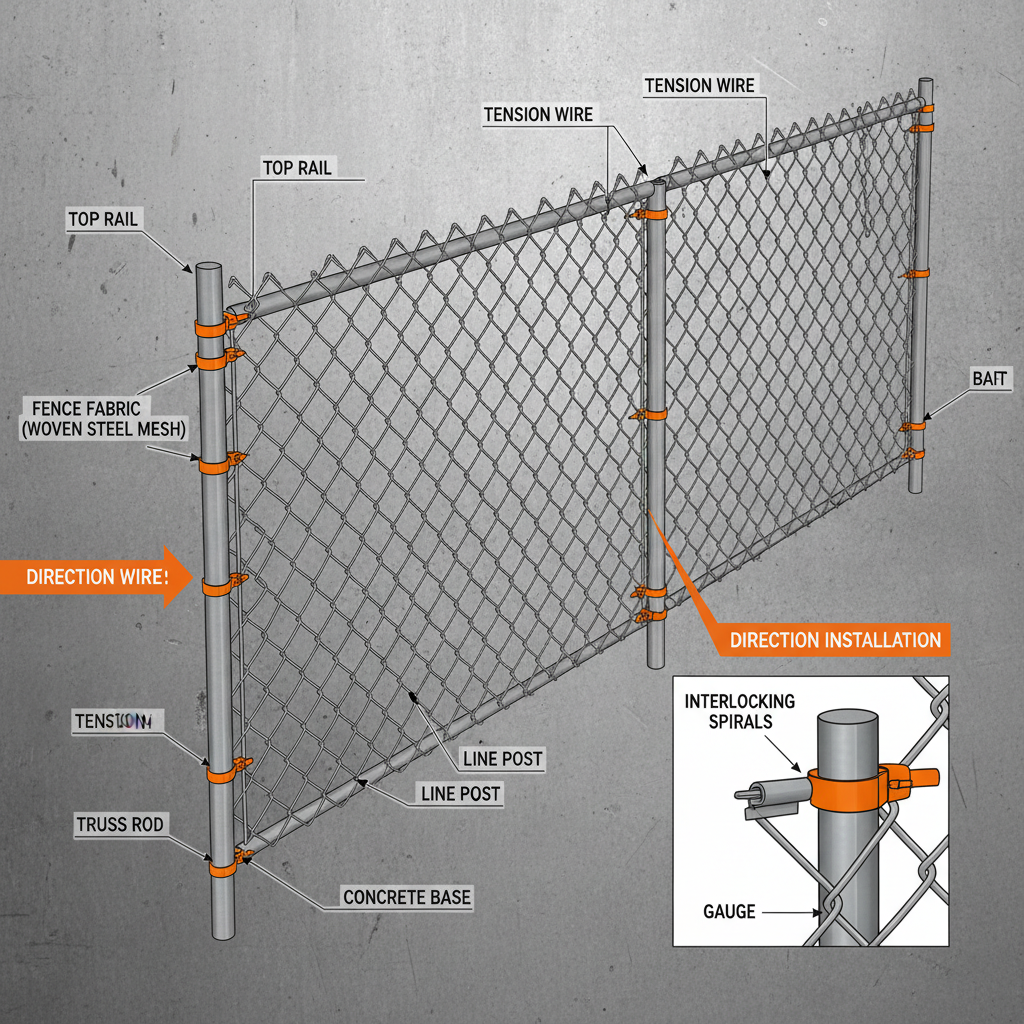
Mesh fencing supplies encompass a broad range of materials and products utilized to create barriers for security, containment, or delineation. These typically consist of woven or welded wire mesh, often galvanized or coated with PVC for increased durability and corrosion resistance. Beyond the mesh itself, supplies include posts, rails, gates, fasteners, and specialized accessories for installation and reinforcement.
The core function of mesh fencing extends beyond mere physical separation. It plays a vital role in safeguarding property, protecting livestock, controlling access, and enhancing public safety. In modern industrial environments, mesh fencing provides critical perimeter security, while in agricultural settings, it prevents livestock from straying and protects crops from wildlife.
The connection to humanitarian needs arises in disaster relief and refugee camps, where rapid deployment fencing provides essential security and privacy for vulnerable populations. Its lightweight nature and ease of installation make it an ideal solution for establishing temporary shelters and perimeter controls in challenging environments.
Core Components of Effective Mesh Fencing
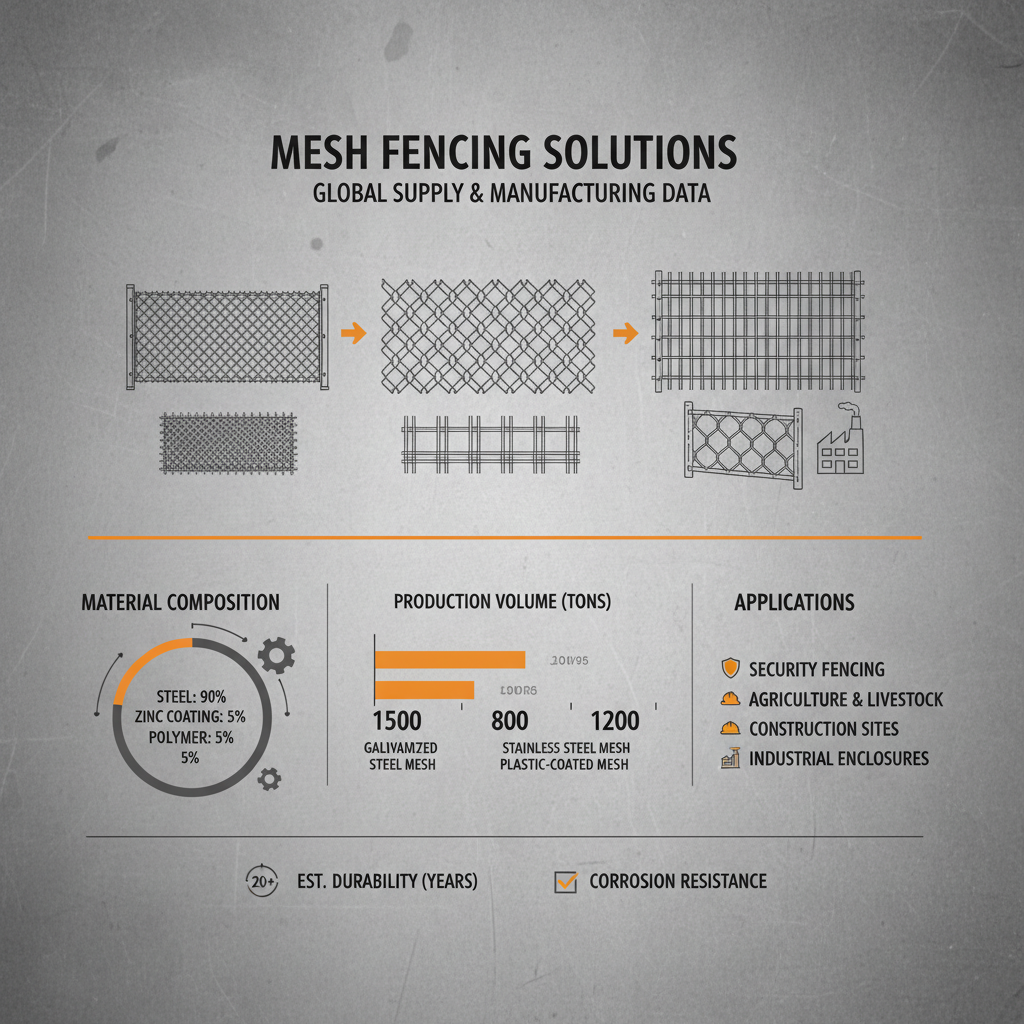
The effectiveness of mesh fencing hinges on several key factors, starting with Durability. The materials used – typically galvanized steel, stainless steel, or PVC-coated wire – dictate the fencing’s resistance to corrosion, weathering, and physical damage. A robust construction ensures a long service life, minimizing maintenance and replacement costs.
Scalability is another critical component. Mesh fencing systems can be easily adapted to accommodate varying terrain, perimeter lengths, and security requirements. Modular designs and flexible installation methods allow for seamless expansion or modification as needed, making it a versatile solution for evolving needs.
Cost Efficiency represents a significant advantage of mesh fencing. Compared to traditional fencing materials like concrete or wood, mesh fencing typically requires lower upfront investment and reduced ongoing maintenance expenses. This makes it a financially attractive option for a wide range of applications. Additionally, Security Level is determined by mesh size and gauge, wire diameter, and post spacing, impacting the ability to deter intrusions and protect assets. Lastly, Ease of Installation contributes to project efficiency and reduces labor costs, especially with pre-fabricated panels and readily available installation guides.
Global Applications & Industry Use Cases
Mesh fencing supplies find widespread application across numerous industries and geographic regions. In agriculture, they protect livestock, secure crops, and prevent poaching. In construction, they define site perimeters, control access, and enhance safety. In industrial settings, they safeguard facilities, prevent theft, and ensure secure storage of materials.
In post-disaster relief operations, lightweight and easily deployable mesh fencing provides crucial perimeter security and privacy for affected communities. In remote industrial zones, it safeguards valuable assets in areas with limited security infrastructure. Furthermore, municipalities utilize mesh fencing for park boundaries, recreational areas, and noise reduction barriers.
The demand for mesh fencing supplies is particularly strong in developing nations experiencing rapid urbanization and infrastructure growth. Countries in Southeast Asia and Africa, for example, are investing heavily in perimeter security and agricultural fencing to support economic development and protect their resources. The availability of cost-effective and reliable mesh fencing supplies is crucial for facilitating these projects.
Comparison of Mesh Fencing Supplies Methods
Advantages and Long-Term Value Proposition
The benefits of choosing mesh fencing supplies extend far beyond immediate security and containment. Cost savings are substantial, both in initial investment and long-term maintenance. Compared to traditional materials, mesh fencing requires less upkeep and has a longer lifespan, reducing replacement costs.
Sustainability is another key advantage, particularly with recycled materials and eco-friendly coatings. This aligns with growing corporate social responsibility initiatives and reduces environmental impact. Furthermore, the inherent reliability and durability of mesh fencing provide peace of mind and protect valuable assets. The emotional value of feeling secure and protected cannot be overstated.
Future Trends in Mesh Fencing Technology
Several exciting trends are shaping the future of mesh fencing supplies. Smart fencing systems incorporating sensors and IoT technology are gaining traction, providing real-time monitoring and automated alerts. Advanced materials like high-tensile polymers and self-healing coatings are enhancing durability and reducing maintenance requirements.
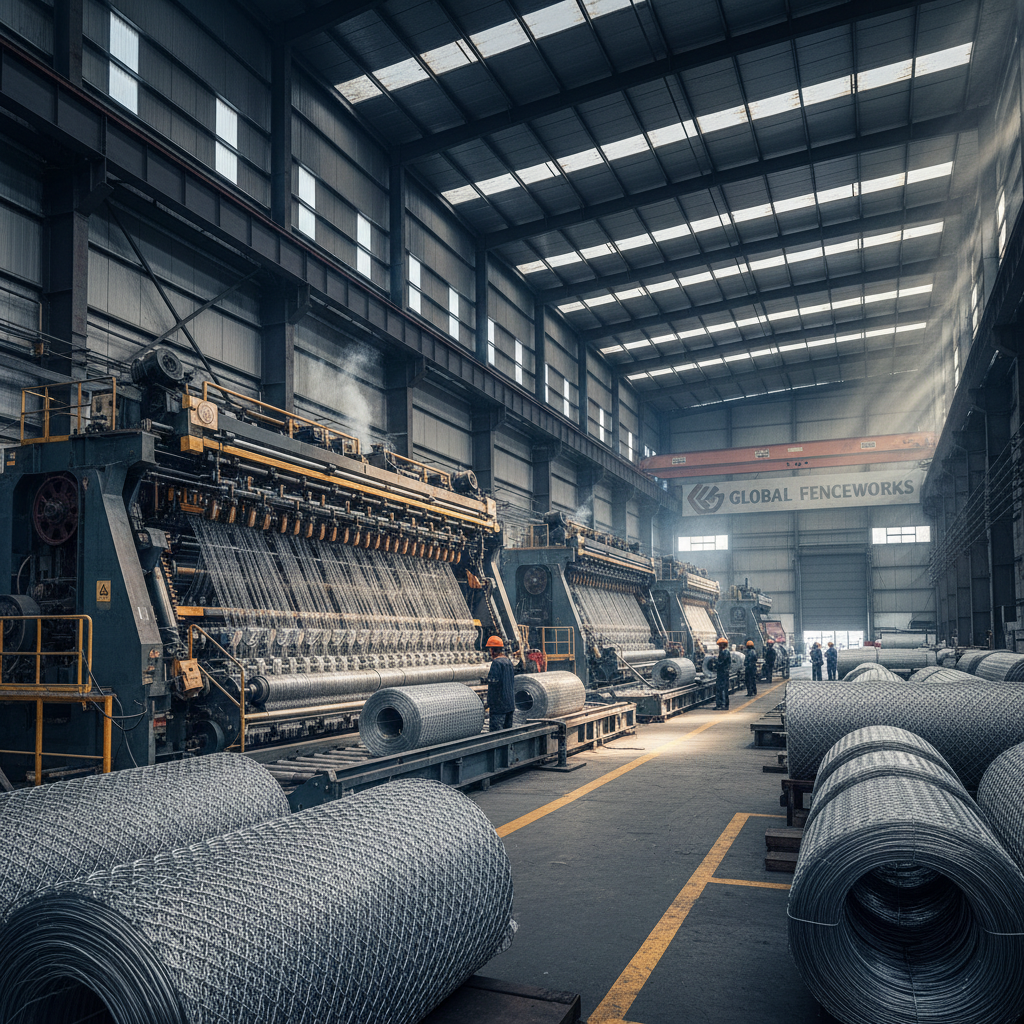
Digitalization is playing a crucial role in supply chain management, allowing for streamlined ordering, inventory control, and faster delivery times. The increased focus on automation in manufacturing processes is driving down production costs and improving product consistency. For innovative options in mesh fencing supplies, explore our current offerings.
Challenges and Innovative Solutions
Despite its many advantages, mesh fencing supplies face certain challenges. Corrosion remains a concern, particularly in harsh marine or industrial environments. Vandalism and unauthorized access are ongoing threats that require robust security measures.
Innovative solutions address these challenges through the development of corrosion-resistant coatings, anti-climb designs, and integrated security systems. The use of geo-textiles in foundation construction enhances stability and prevents ground erosion. Moreover, pre-fabricated panels and modular systems simplify installation and reduce labor costs.
Addressing supply chain disruptions and ensuring the ethical sourcing of materials are also crucial considerations for the industry. Continuous research and development are essential for overcoming these challenges and unlocking the full potential of mesh fencing supplies.
Summary of Mesh Fencing Supply Performance Characteristics
| Fencing Type |
Durability Score (1-10) |
Installation Difficulty (1-10) |
Cost-Effectiveness (1-10) |
| Welded Wire Mesh |
8 |
6 |
9 |
| Woven Wire Mesh |
7 |
7 |
8 |
| Chain Link Fencing |
6 |
5 |
7 |
| PVC Coated Mesh |
9 |
6 |
7 |
| High-Tensile Wire Mesh |
10 |
8 |
6 |
| Temporary Mesh Fencing |
5 |
9 |
10 |
FAQS
The most common materials include galvanized steel, stainless steel, and PVC-coated wire. Galvanized steel offers good corrosion resistance at a reasonable cost, while stainless steel provides superior durability and is ideal for harsh environments. PVC coatings enhance corrosion resistance and aesthetics. The best choice depends on your specific needs and budget.
The lifespan of mesh fencing supplies varies depending on the material, coating, and environmental conditions. Galvanized steel fencing can last 15-20 years with proper maintenance. Stainless steel fencing can last upwards of 50 years. PVC-coated fencing offers extended durability and can last 20+ years. Regular inspection and maintenance are crucial for maximizing lifespan.
Regular maintenance includes inspecting for damage, such as cuts or tears in the mesh, and repairing them promptly. Cleaning the fencing periodically to remove dirt and debris helps prevent corrosion. For galvanized steel fencing, applying a protective coating every few years can extend its lifespan. Check post stability and tighten any loose connections.
Mesh size determines the level of security and containment. Smaller mesh openings provide greater security, preventing smaller animals or unauthorized access. Larger mesh openings are more suitable for applications where security is less critical and visibility is important. Consider the size of the objects you need to contain or exclude when selecting mesh size.
Yes, mesh fencing is generally a very cost-effective fencing option. It typically requires lower upfront investment and reduced maintenance costs compared to traditional materials like wood or concrete. The durability and longevity of mesh fencing further contribute to its cost-effectiveness over the long term. Contact mesh fencing supplies for a quote.
Many mesh fencing supplies are now available in recycled materials, reducing their environmental impact. Mesh fencing also requires less energy to produce compared to concrete or wood. The durability of mesh fencing means less frequent replacement, minimizing waste. Choosing eco-friendly coatings further enhances the sustainability of your fencing solution.
Conclusion
In conclusion, mesh fencing supplies represent a versatile, cost-effective, and increasingly sustainable solution for a wide range of security, containment, and delineation needs. From agricultural applications to industrial perimeter security and disaster relief efforts, the adaptability and durability of mesh fencing make it an invaluable asset across numerous industries. By understanding the core components, future trends, and potential challenges, stakeholders can make informed decisions and maximize the long-term value of their fencing investments.
Looking ahead, continued innovation in materials science and smart fencing technologies will further enhance the capabilities of mesh fencing supplies. Embracing sustainable practices and prioritizing ethical sourcing will be crucial for ensuring the long-term viability of the industry. To explore the full range of possibilities and find the ideal mesh fencing solution for your specific requirements, visit our website: www.tywiremesh.com.
 TEL:
+86-13102802206
TEL:
+86-13102802206
 Email:
fencenetting@china.com
Email:
fencenetting@china.com
 Language