TEL:
+86-13102802206
TEL:
+86-13102802206
 Email:
fencenetting@china.com
Email:
fencenetting@china.com
 Language
TEL:
+86-13102802206
Email:
fencenetting@china.com
Language
Language
TEL:
+86-13102802206
Email:
fencenetting@china.com
Language


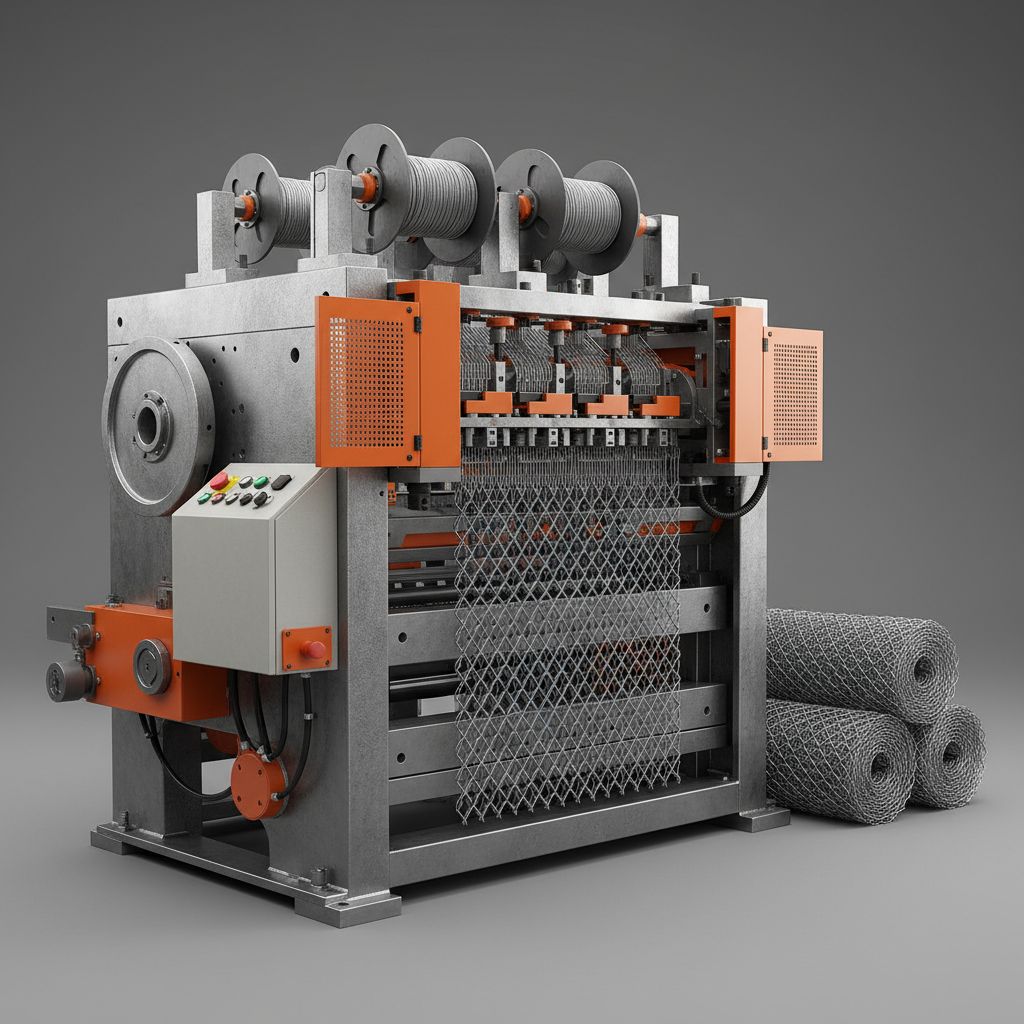
Chain link machine manufacturers play a crucial role in supplying the global demand for chain link fencing, a versatile material used in diverse applications ranging from security and containment to agricultural support and decorative landscaping. These manufacturers are at the forefront of innovation, constantly refining their machinery to produce higher quality, more durable, and more cost-effective fencing solutions. Understanding the intricacies of chain link machine manufacturing is paramount for businesses involved in fencing installation, distribution, and project management, as it directly impacts product availability, pricing, and overall project success. chain link machine manufacturers are vital to numerous industries.
The global chain link fencing market is experiencing steady growth, driven by increasing infrastructure development, rising security concerns, and a growing preference for cost-effective perimeter solutions. According to industry reports, the market is projected to reach significant figures in the coming years, particularly in emerging economies where infrastructure spending is on the rise. This growth necessitates efficient and reliable chain link machine manufacturers capable of meeting the escalating demand. Moreover, the industry is witnessing a shift towards automation and digitalization, forcing manufacturers to adopt advanced technologies to remain competitive.
Investing in quality chain link fencing manufactured with state-of-the-art machinery translates to long-term value for end-users. From ensuring the security of residential properties to safeguarding critical infrastructure, a well-constructed chain link fence provides a robust and dependable barrier. Chain link machine manufacturers are, therefore, essential contributors to public safety, property protection, and economic development globally.
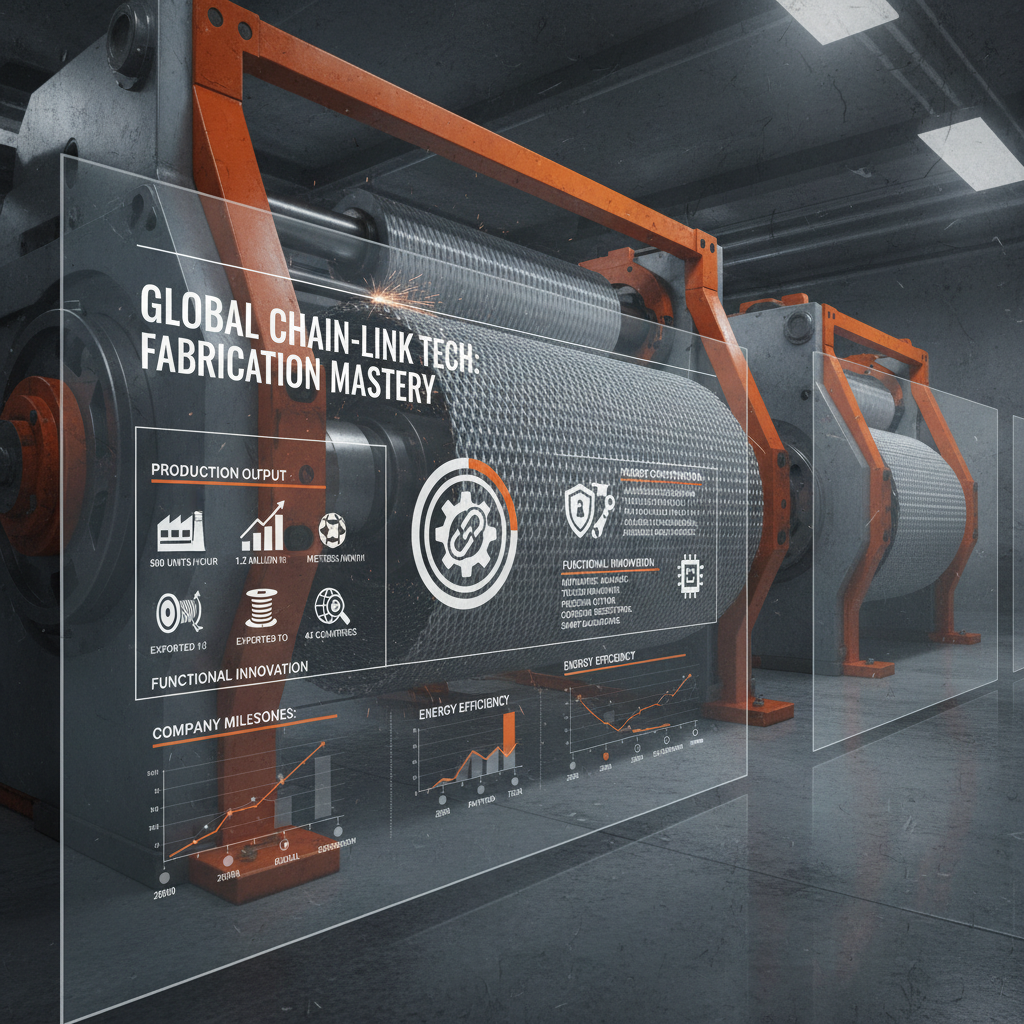
The quality and efficiency of chain link machine manufacturers directly impact the availability and affordability of this essential fencing material. Reliable manufacturers ensure a consistent supply, enabling construction projects, agricultural initiatives, and security installations to proceed smoothly. Their role extends beyond simply producing machinery; they are innovators driving improvements in fencing technology and production methods.
A strong chain link machine manufacturer is committed to continuous improvement, investing in research and development to enhance machine performance, reduce waste, and optimize production costs. This dedication translates into benefits for their clients, including access to cutting-edge technology and competitive pricing. chain link machine manufacturers are instrumental in the supply chain.
When choosing a chain link machine manufacturer, prioritize factors like machine quality, production capacity, technological advancements, customer support, and pricing. Look for manufacturers with a proven track record, positive customer reviews, and a commitment to innovation. A manufacturer that offers comprehensive training and maintenance services is also invaluable. Understanding your specific fencing needs and choosing a manufacturer who can tailor solutions accordingly is also vital.
Automation significantly enhances the efficiency of chain link fencing production by reducing labor costs, increasing production speed, and minimizing human error. Automated machines can operate continuously with minimal downtime, resulting in higher output and lower overall costs. Furthermore, automation allows for greater precision and consistency in the manufacturing process, leading to improved product quality.
Lead times for ordering a chain link machine can vary depending on the manufacturer, the complexity of the machine, and current order backlogs. Generally, lead times range from several weeks to several months. It’s crucial to inquire about the manufacturer's current production schedule and confirm the estimated delivery timeframe before placing an order. Customization options can also extend lead times.
Chain link machines require regular maintenance to ensure optimal performance and longevity. This typically includes lubricating moving parts, inspecting and replacing worn components, calibrating sensors, and cleaning the machine thoroughly. Preventative maintenance schedules should be established and followed diligently to minimize downtime and extend the machine's lifespan. Many manufacturers offer comprehensive maintenance plans.
Emerging sustainable practices include utilizing recycled materials in fencing production, reducing energy consumption through energy-efficient machine designs, minimizing waste through optimized cutting and weaving processes, and implementing water conservation measures. Manufacturers are also exploring the use of eco-friendly coatings and finishes to reduce the environmental impact of chain link fencing.
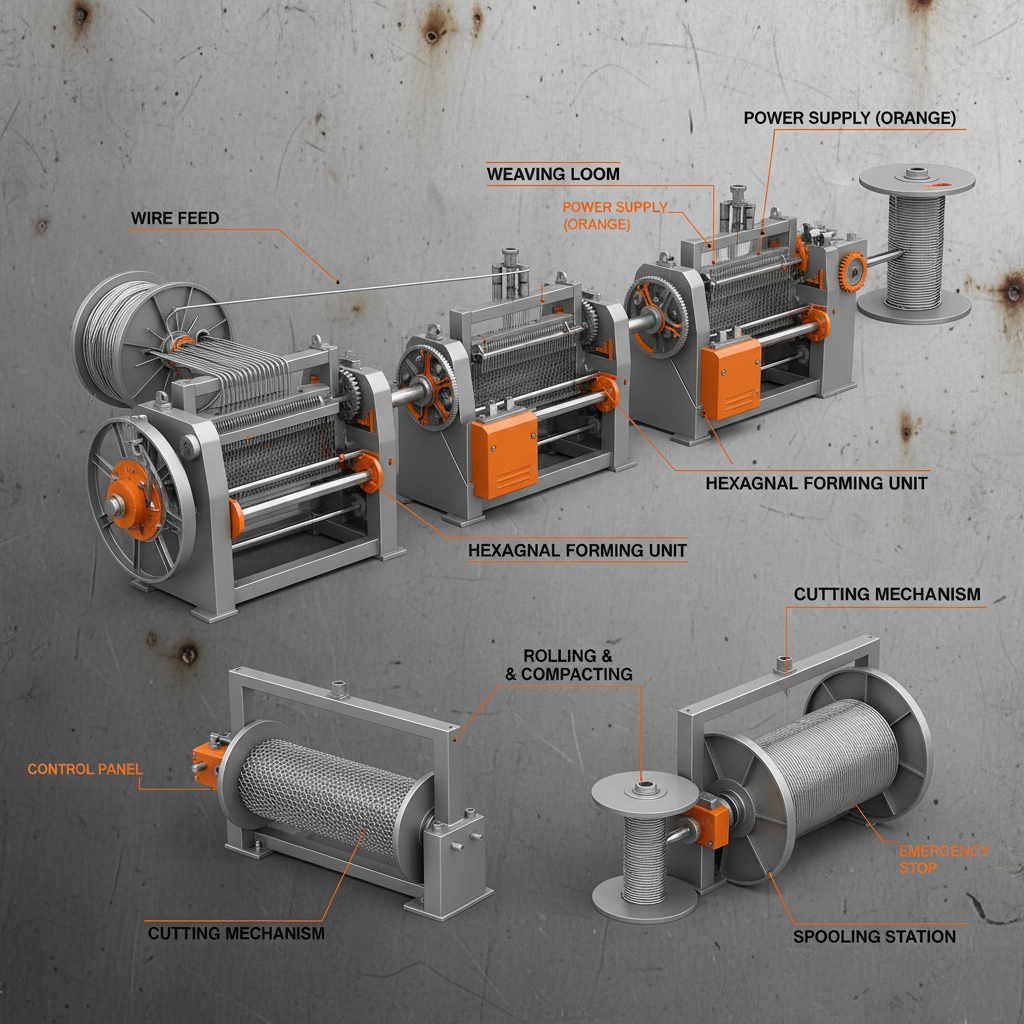
CNC (Computer Numerical Control) technology plays a crucial role in modern chain link machine manufacturing. It enables precise control over the machine’s operations, ensuring consistent quality, and increased efficiency. CNC systems automate the forming, weaving, and cutting processes, reducing the need for manual intervention and minimizing errors. This leads to faster production times and higher-quality fencing.
In conclusion, chain link machine manufacturers are the backbone of a vital industry, providing the machinery necessary to produce this essential fencing material. Their commitment to innovation, quality, and sustainability is paramount to meeting the growing global demand for secure and reliable perimeter solutions. Understanding the core components, manufacturing processes, and future trends in this sector is essential for anyone involved in the chain link fencing supply chain.
Looking ahead, the industry is poised for continued growth and technological advancement. Embracing automation, sustainable practices, and digitalization will be crucial for manufacturers to remain competitive and meet the evolving needs of the market. To explore the best solutions for your fencing needs, and learn more about the latest advancements in chain link machine manufacturing, visit our website: www.tywiremesh.com