Chain link fencing materials suppliers play a crucial, often understated, role in modern infrastructure and security. These suppliers aren't simply providers of materials; they are integral to projects ranging from agricultural containment and residential security to large-scale industrial protection and even temporary fencing solutions for events. The quality, availability, and cost-effectiveness of materials from these suppliers directly impact project success, safety, and longevity. Understanding the landscape of chain link fencing materials suppliers is essential for anyone involved in construction, security, or property management.
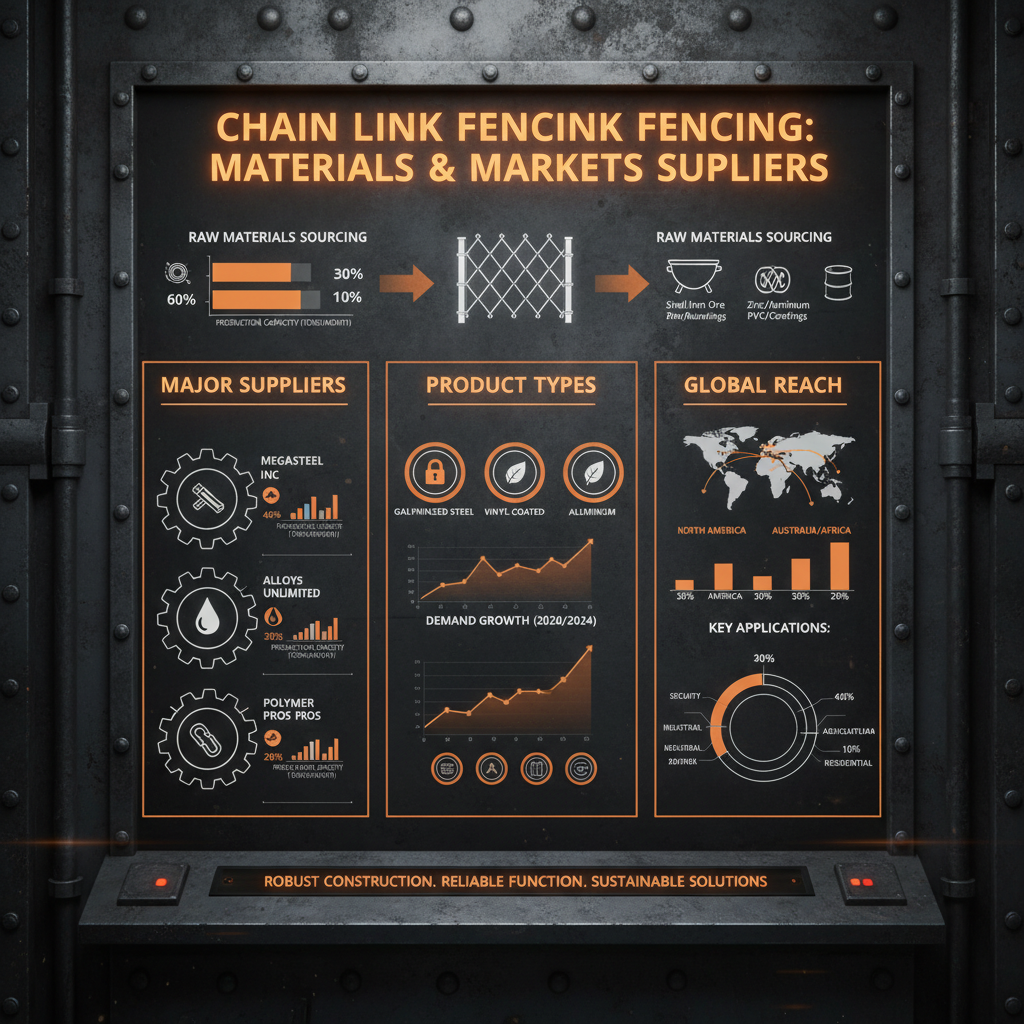
Globally, the demand for chain link fencing continues to rise, driven by increasing urbanization, security concerns, and infrastructure development, especially in emerging economies. According to market research reports, the chain link fencing market is projected to experience steady growth in the coming years. This growth necessitates a reliable and diverse network of chain link fencing materials suppliers capable of meeting evolving industry standards and specific regional requirements. The ability to source high-quality materials efficiently is paramount to mitigating project delays and maintaining budgetary control.
The challenges facing this industry include fluctuating raw material costs, supply chain disruptions, and increasing pressure for sustainable practices. Efficient chain link fencing materials suppliers are addressing these challenges through innovative sourcing strategies, optimized logistics, and the development of eco-friendly fencing solutions. This proactive approach ensures a consistent supply of durable and reliable fencing materials to a diverse range of clients.
Introduction to chain link fencing materials suppliers
Chain link fencing materials suppliers form the backbone of numerous construction and security projects worldwide. Their role extends beyond simply providing the basic components – they offer expertise, logistical support, and often, customized solutions tailored to specific project needs. The success of any chain link fencing installation hinges on the quality of materials sourced from dependable suppliers.
A strong chain link fencing materials suppliers understands the nuances of different fencing applications, from high-security perimeter fences to agricultural enclosures. This understanding allows them to advise clients on the appropriate gauge of wire, coating options (galvanized, vinyl-coated), and accessories to ensure a durable and effective solution. The importance of establishing a long-term relationship with a reliable supplier cannot be overstated.
Defining chain link fencing materials suppliers
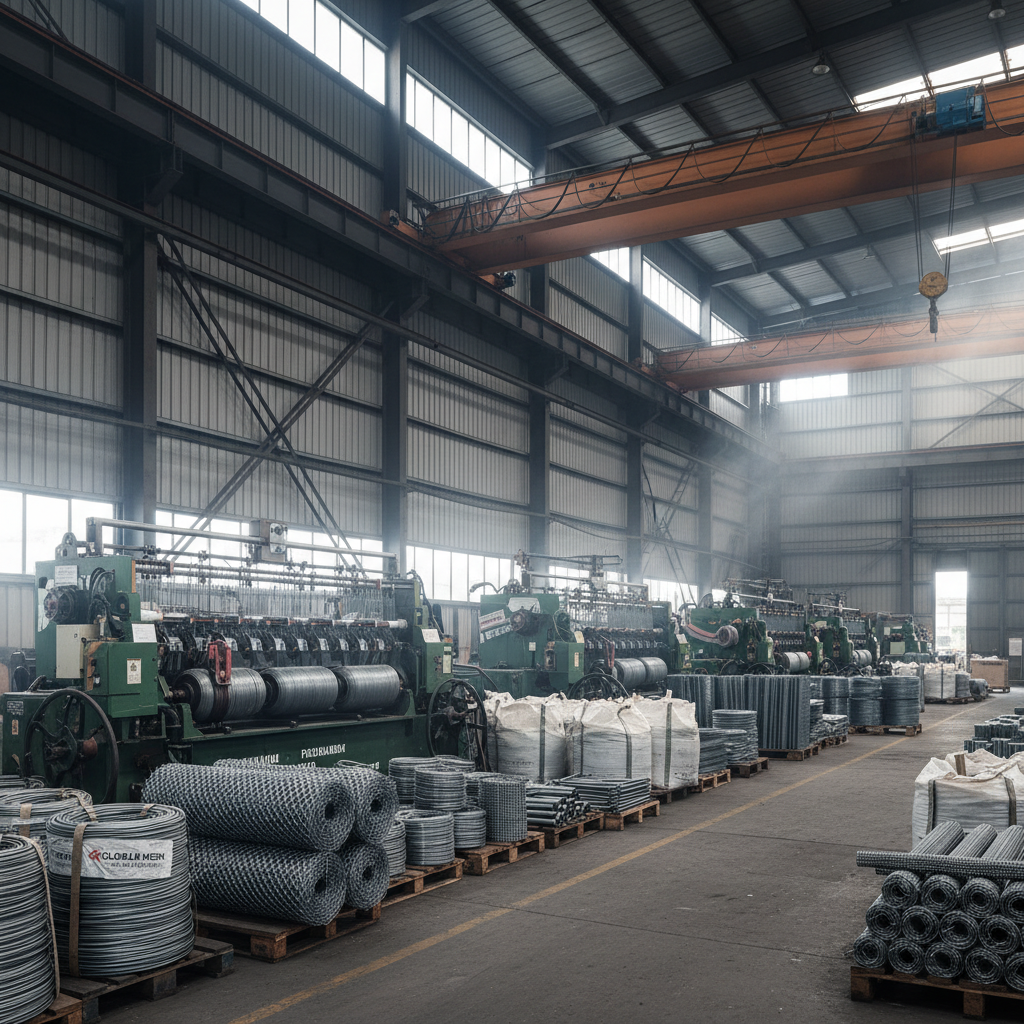
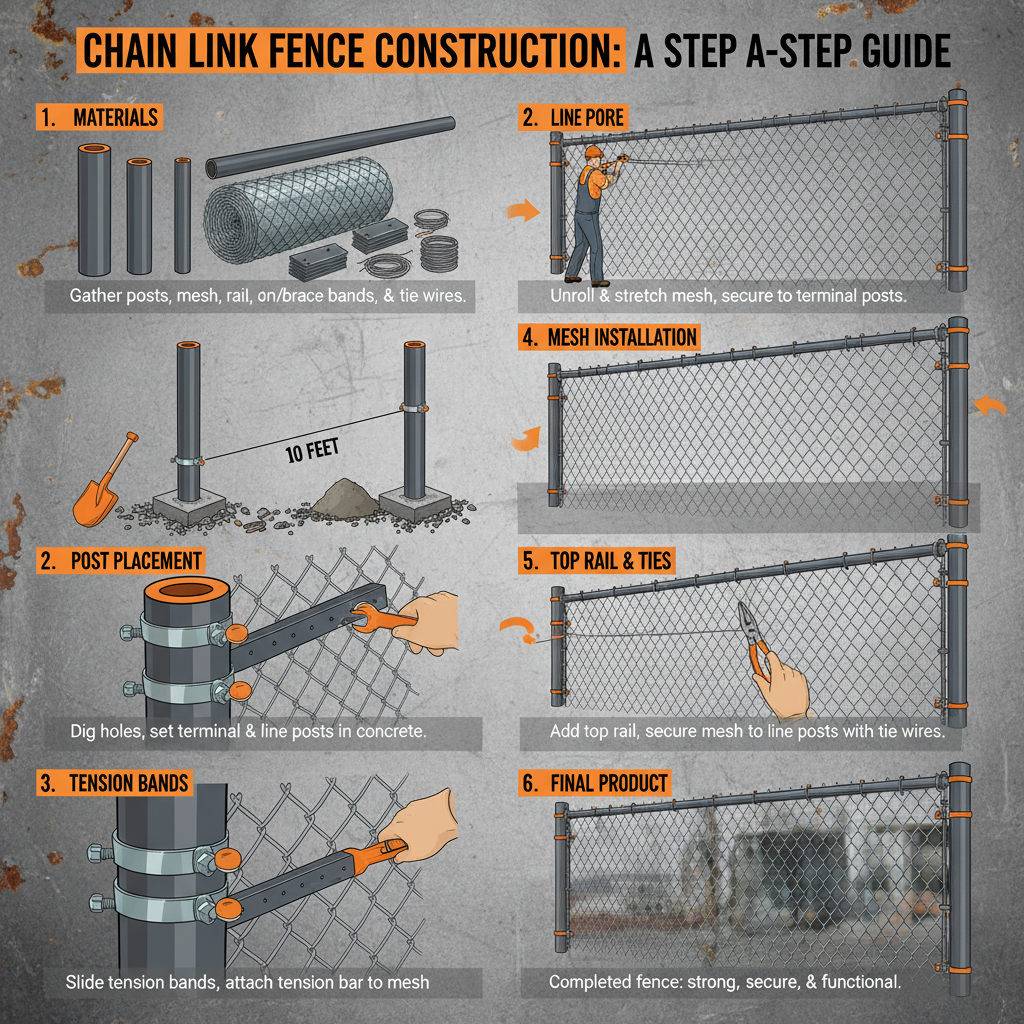
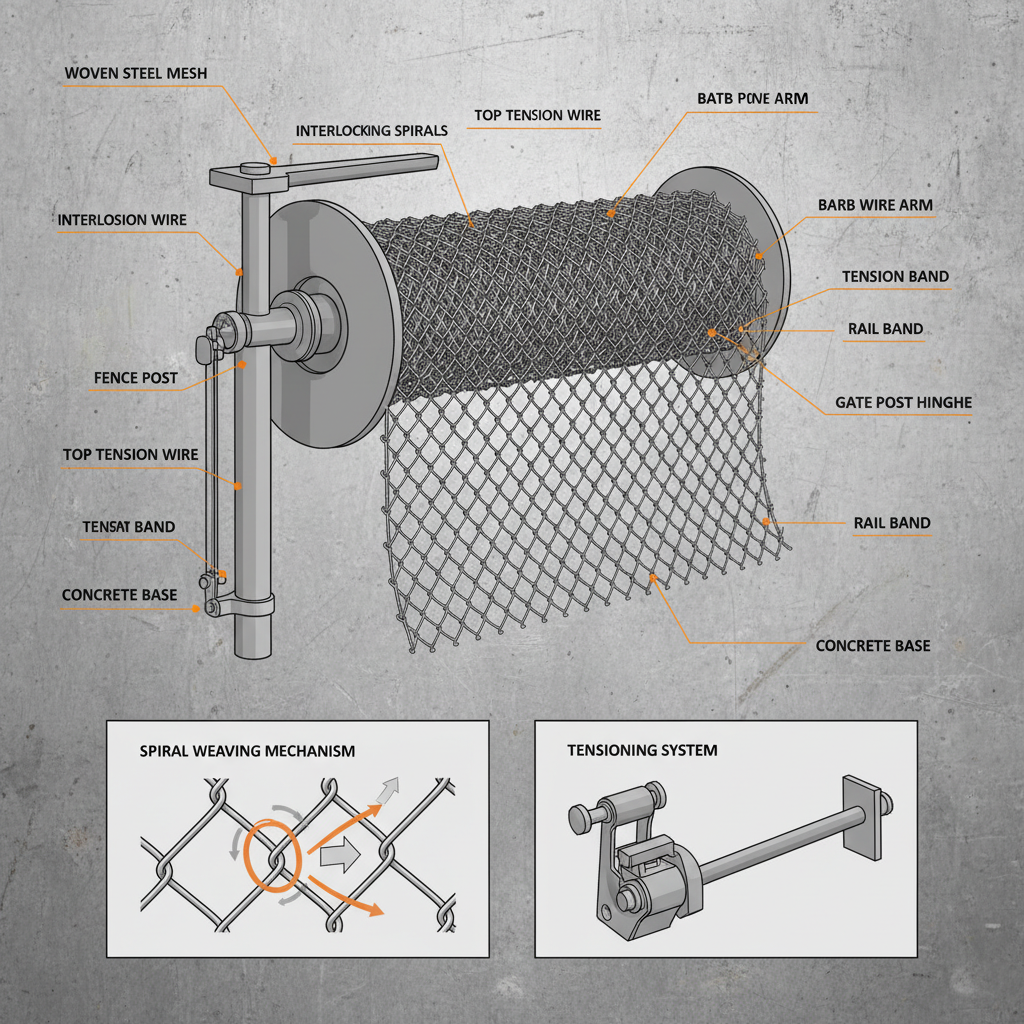
Chain link fencing materials suppliers are companies that specialize in the sourcing, distribution, and sometimes, the fabrication of components used in chain link fence systems. This includes the chain link fabric itself (typically galvanized or vinyl-coated steel wire), posts (line posts, terminal posts, gate posts), tension wire, brace bands, fittings, gates, and associated hardware. These suppliers serve a diverse clientele, including contractors, municipalities, agricultural businesses, and homeowners.
A full-service supplier will often offer a range of additional services, such as custom fabrication, delivery, and installation support. They also stay abreast of industry standards and regulations to ensure compliance and quality control. Choosing a supplier with a proven track record and a commitment to customer satisfaction is vital for the success of any fencing project.
Their connection to modern industry is evident in providing security for critical infrastructure, protecting agricultural investments, and enhancing public safety. In humanitarian contexts, they offer rapidly deployable fencing for refugee camps or disaster relief operations, showcasing the versatility of chain link fencing.
Core Components of Reliable Suppliers
Reliable chain link fencing materials suppliers are characterized by several key components. First, they maintain a robust and diverse inventory, ensuring the availability of materials to meet fluctuating demand and specific project requirements. Second, they prioritize quality control, sourcing materials from reputable manufacturers and implementing rigorous inspection processes.
Third, a strong supplier excels in logistical efficiency, offering timely and cost-effective delivery options. This includes efficient warehousing, streamlined order processing, and reliable transportation networks. Fourth, they provide exceptional customer service, offering technical support, product guidance, and responsive communication. Finally, competitive pricing, coupled with transparency in costs, builds trust and fosters long-term relationships.
These components are not isolated; they work in synergy to create a seamless and value-added experience for clients. A supplier who consistently delivers on these fronts is a valuable partner in any fencing project.
Global Applications and Industries Served
The applications of chain link fencing, and therefore the demand for materials supplied by dedicated suppliers, are remarkably diverse. In agriculture, it's used to contain livestock, protect crops from pests, and secure valuable resources. In the construction industry, it provides perimeter security for job sites, preventing theft and unauthorized access.
Industrial facilities utilize chain link fencing for high-security perimeter control, protecting valuable assets and personnel. Municipalities employ it for parks, schools, and recreational areas, ensuring public safety and defining boundaries. Even event organizers rely on temporary chain link fencing to manage crowds and secure event spaces. From remote industrial zones requiring robust security to post-disaster relief operations needing rapid perimeter establishment, chain link fencing proves its versatility.
Chain Link Fencing Material Supplier Performance
Advantages of Choosing Experienced Suppliers
Partnering with experienced chain link fencing materials suppliers yields substantial benefits. Cost savings are achieved through competitive pricing and bulk purchasing options. Reliability is ensured through consistent material quality and on-time delivery.
Reduced project risks arise from access to expert advice and support, minimizing errors and delays. Furthermore, experienced suppliers often offer value-added services, such as custom fabrication and installation assistance, streamlining the entire process.
Future Trends in the Industry
The chain link fencing industry is evolving, driven by a growing emphasis on sustainability and technological advancements. We are seeing a rise in the demand for eco-friendly fencing materials, such as recycled steel and PVC-free coatings. Digital transformation is also playing a significant role, with suppliers leveraging online platforms to streamline ordering, track shipments, and provide real-time inventory updates.
Automation in manufacturing processes is increasing efficiency and reducing production costs. Furthermore, the integration of smart fencing technologies, such as sensors and monitoring systems, is enhancing security and providing valuable data insights. These trends point towards a more sustainable, efficient, and technologically advanced future for the industry.
Expect to see innovative coating materials that enhance longevity and reduce maintenance, as well as advancements in manufacturing techniques to create lighter, yet stronger, fencing components.
Challenges and Solutions for Suppliers
Chain link fencing materials suppliers face challenges such as fluctuating raw material prices, supply chain disruptions, and increasing competition. Rising steel costs, for example, can significantly impact profit margins. Solutions involve diversifying sourcing strategies, establishing long-term contracts with key suppliers, and exploring alternative materials.
Supply chain disruptions can be mitigated through robust inventory management, strategic warehousing, and the development of contingency plans. To address competition, suppliers must differentiate themselves through exceptional customer service, value-added services, and a commitment to innovation.
Investing in technology, such as advanced inventory management systems and online ordering platforms, can also provide a competitive edge. Collaboration with industry partners and participation in trade associations are vital for staying informed about market trends and best practices.
Summary of Supplier Challenges and Solutions
| Challenge |
Impact on Suppliers |
Proposed Solution |
Implementation Difficulty (1-10) |
| Raw Material Price Volatility |
Reduced Profit Margins |
Diversify Sourcing & Long-Term Contracts |
7 |
| Supply Chain Disruptions |
Delivery Delays & Inventory Shortages |
Robust Inventory Management & Contingency Planning |
8 |
| Intense Competition |
Price Wars & Reduced Market Share |
Differentiation Through Service & Innovation |
6 |
| Increasing Sustainability Demands |
Pressure to Adopt Eco-Friendly Practices |
Source Recycled Materials & Offer Green Solutions |
5 |
| Labor Shortages |
Production Delays & Increased Labor Costs |
Automation & Employee Training Programs |
9 |
| Evolving Industry Standards |
Compliance Costs & Potential Penalties |
Continuous Monitoring & Regulatory Updates |
4 |
FAQS
When selecting a supplier, prioritize experience, inventory depth, pricing, delivery capabilities, and customer service. Look for suppliers who can provide technical assistance, offer customized solutions, and demonstrate a commitment to quality control. Checking online reviews and requesting references can also provide valuable insights. A reliable chain link fencing materials suppliers will be transparent about their sourcing and manufacturing processes.
Verify that the chain link fabric meets industry standards (ASTM) and is properly galvanized or coated. Request documentation from the supplier, such as material certifications and test reports. Inspect the fabric upon delivery for any signs of damage or defects, such as rust, kinks, or uneven coating. A reputable supplier should be willing to address any quality concerns promptly and effectively.
Lead times can vary depending on the supplier's inventory levels, the quantity of materials ordered, and the complexity of the order. Typically, standard items in stock can be shipped within a few business days, while custom orders may require several weeks. Communicate your project timeline with the supplier to ensure timely delivery. Discuss potential shipping delays and alternative options proactively.
Common coatings include galvanized, vinyl-coated, and powder-coated. Galvanized coatings provide corrosion resistance, while vinyl coatings offer enhanced durability and aesthetic appeal. Powder coatings provide a smooth, durable finish and are available in a wide range of colors. The choice of coating depends on the environment and the desired level of protection and appearance.
Class I chain link fabric is lighter and typically used for residential or light commercial applications, while Class III is heavier and designed for high-security or industrial applications. The difference lies in the wire gauge and the overall strength of the fabric. Choosing the appropriate class is crucial for ensuring the fence's ability to withstand the intended forces and stresses.
Many chain link fencing materials suppliers primarily focus on material supply. However, some offer installation services directly or can recommend qualified installation contractors. It’s important to clarify whether installation is included in their offerings during the quotation process. Utilizing a supplier who can also assist with installation can streamline your project and ensure compatibility between materials and workmanship.
Conclusion
In conclusion, selecting the right chain link fencing materials suppliers is paramount for project success, encompassing quality, reliability, and cost-effectiveness. Understanding the core components of a strong supplier – robust inventory, stringent quality control, efficient logistics, and exceptional customer service – is critical. The future of the industry points toward sustainability, technological innovation, and a commitment to meeting evolving industry standards.
By prioritizing long-term partnerships with reputable suppliers, embracing emerging technologies, and proactively addressing industry challenges, stakeholders can ensure the continued effectiveness and resilience of chain link fencing solutions. Visit our website at www.tywiremesh.com to explore our comprehensive range of chain link fencing materials and discover how we can support your next project.
 TEL:
+86-13102802206
TEL:
+86-13102802206
 Email:
fencenetting@china.com
Email:
fencenetting@china.com
 Language