Hebei Tengyuan Wire Mesh Products Co.,Ltd
0%

Table of Contents

Chain wire fence supplies are a critical component of security, safety, and property delineation across a vast range of applications worldwide. From agricultural fencing protecting livestock to high-security perimeters safeguarding critical infrastructure, the demand for reliable and durable chain wire fencing remains consistently high. Understanding the nuances of these supplies – from the gauge of the wire to the coating types and post materials – is essential for ensuring effective and long-lasting results. This understanding contributes to both economic efficiency and public safety.

The global chain wire fence supplies market is significantly impacted by factors such as urbanization, infrastructure development, and increasing security concerns. The United Nations estimates that over half of the world’s population lives in urban areas, driving demand for fencing solutions to manage boundaries and secure public spaces. Simultaneously, economic growth in developing nations fuels construction projects, creating further opportunities for fence manufacturers and suppliers. This interconnectedness highlights the vital role of efficient and accessible chain wire fence supplies.

Furthermore, the demand isn’t solely driven by economic factors. Post-conflict zones and regions experiencing political instability often require rapid deployment of fencing for refugee camps, border control, and temporary security measures. The ability to quickly and effectively install chain wire fencing, utilizing readily available chain wire fence supplies, is paramount in these situations. This underscores the humanitarian importance of a robust supply chain.
Comprehensive Guide to Chain Wire Fence Supplies and Global Market Trends

Introduction to Chain Wire Fence Supplies

Comprehensive Guide to Chain Wire Fence Supplies and Global Market Trends

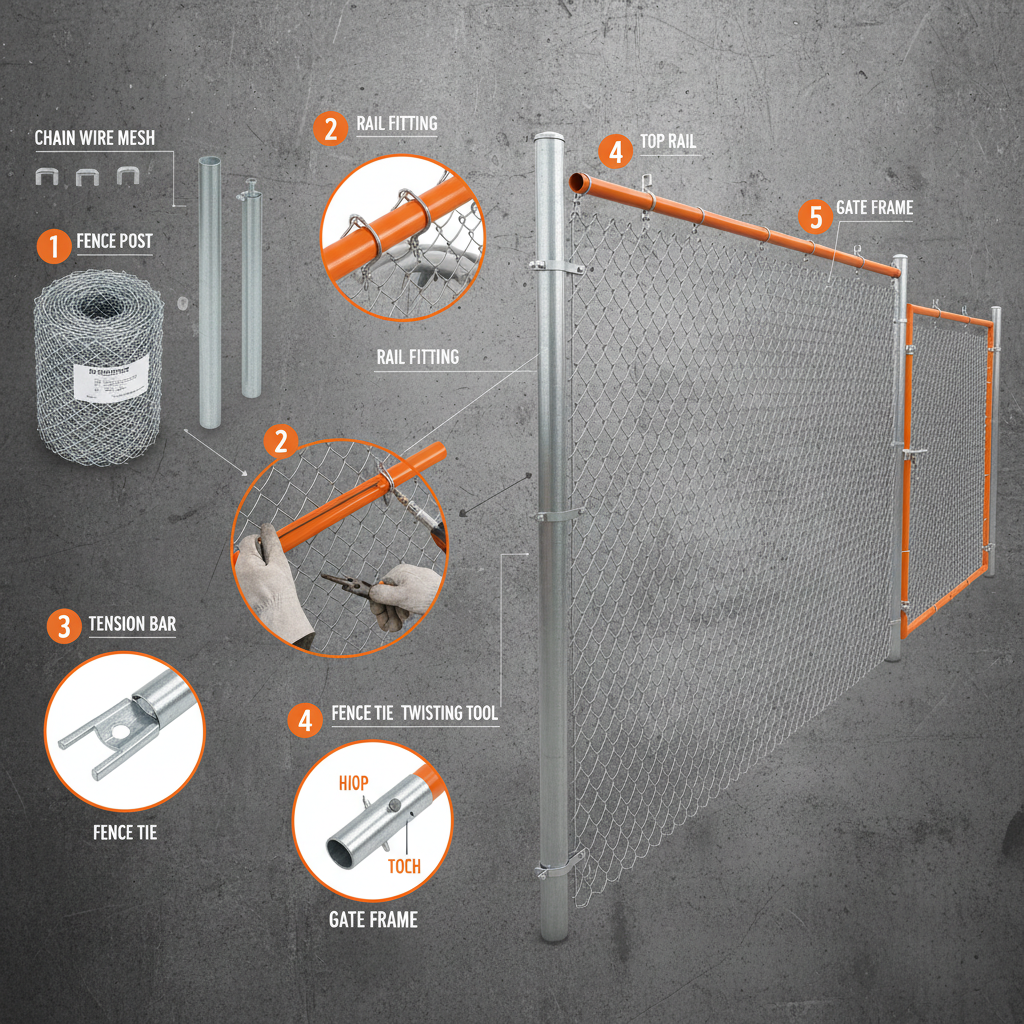
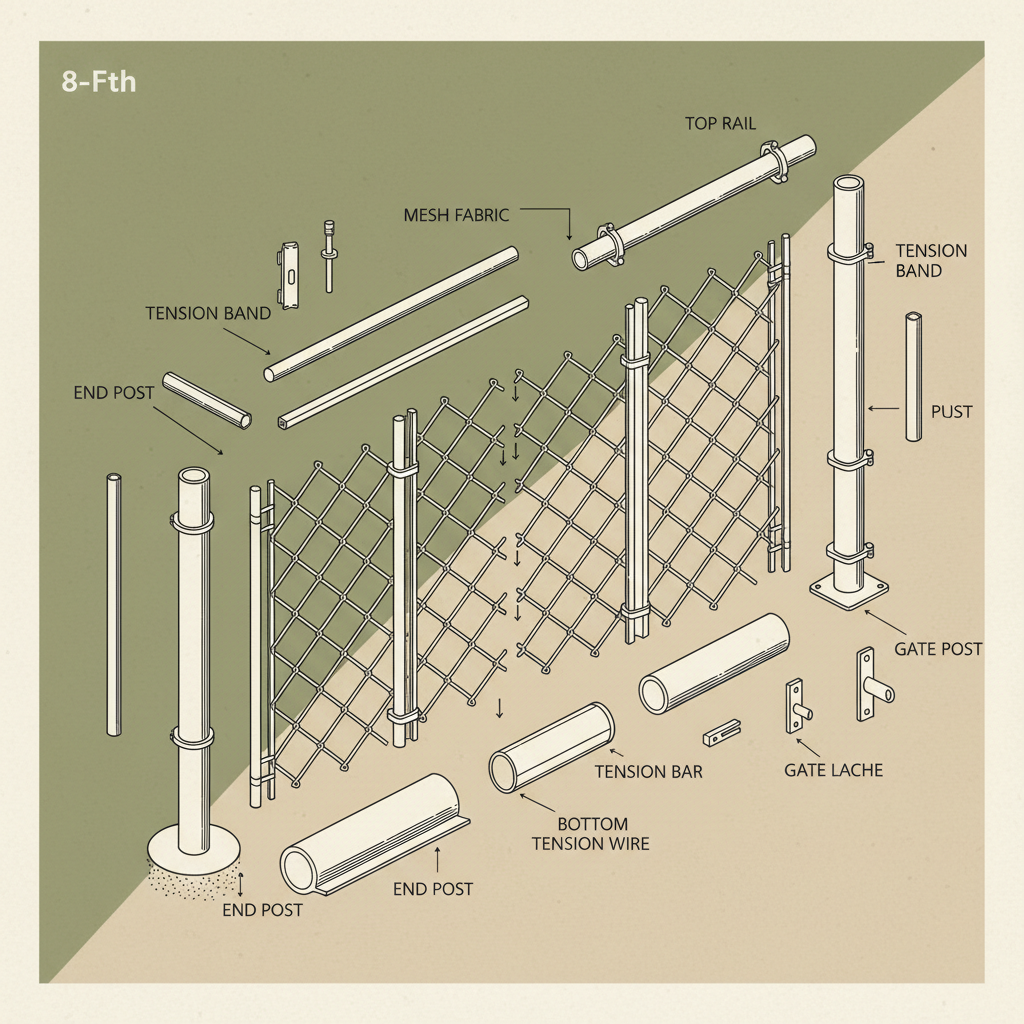
Chain wire fence supplies encompass all the components necessary for constructing a chain link fence, including the woven wire mesh, support posts (typically steel or wood), tension bars, bracing, fittings, and fasteners. The quality and specification of these supplies directly impact the fence's strength, durability, and overall lifespan. Selecting the appropriate chain wire fence supplies is crucial for meeting specific security or containment requirements.

The versatility of chain wire fencing makes it a popular choice for a broad spectrum of applications, ranging from residential boundaries to high-security industrial sites. Recent advancements in materials and manufacturing techniques have led to the development of more corrosion-resistant and aesthetically pleasing chain wire fence supplies, further expanding their applicability. This evolution underscores the continued relevance of chain wire fencing in the modern landscape.

Defining Chain Wire Fence Supplies

Chain wire fence supplies fundamentally refer to the materials used to create chain link fencing. The ‘chain wire’ itself is a woven fabric of galvanized or PVC-coated steel wire, formed into interlocking diamond patterns. Beyond the wire mesh, the supplies include the posts, which provide structural support, the tension wire used to keep the mesh taut, and the various fittings – bands, braces, caps, and connectors – that hold everything together.

This system isn’t simply about containment; it’s about creating a visible and often physical barrier. Modern industry utilizes chain wire fencing for security perimeters, while humanitarian organizations deploy it for creating safe zones in refugee camps. The affordability and relatively simple installation process make chain wire a practical solution in diverse scenarios.

The connection to modern needs is clear. As global security concerns escalate and infrastructure development continues, the demand for effective perimeter security solutions, readily provided by quality chain wire fence supplies, grows proportionally.

Key Factors of Effective Chain Wire Fencing

The effectiveness of chain wire fencing hinges on several key factors. Firstly, Durability is paramount. The gauge (thickness) of the wire, the galvanization process, and the quality of the PVC coating (if applicable) directly influence the fence’s resistance to corrosion and wear. A thicker wire and robust coating translate to a longer lifespan and reduced maintenance.

Secondly, Scalability is crucial. Chain wire fencing can be adapted to various heights and lengths, making it suitable for both small residential properties and large industrial complexes. The modular nature of the system allows for easy expansion or modification as needs change. This flexibility is a major advantage.

Thirdly, Cost Efficiency plays a significant role in its widespread adoption. Compared to other fencing materials like wrought iron or concrete, chain wire offers a compelling balance of security and affordability. Fourthly, Installation Simplicity allows for quick deployment, reducing labor costs and minimizing disruption. Finally, Security Level depends on wire gauge, height, and the addition of features like barbed wire or razor wire.

Global Applications of Chain Wire Fencing

Chain wire fencing finds application across a diverse range of sectors globally. In agriculture, it is widely used for livestock containment and crop protection, particularly in regions like Australia and Argentina where large-scale farming is prevalent. In the industrial sector, it secures facilities, warehouses, and construction sites in countries such as China and the United States.

Government agencies and municipalities frequently utilize chain wire fencing for public parks, schools, and recreational areas. High-security applications include correctional facilities, airports, and military bases, where robust perimeter security is essential. In post-disaster relief operations, chain wire can be rapidly deployed to create temporary shelters and secure aid distribution points.

For example, in remote industrial zones of Canada, chain wire fencing protects valuable equipment and resources from unauthorized access. Similarly, in many African nations, chain wire fences help protect agricultural land from wildlife encroachment. The availability of reliable chain wire fence supplies is crucial for these diverse applications.

Chain Wire Fence Supply Quality Ratings by Feature


Advantages and Long-Term Value

The advantages of utilizing quality chain wire fence supplies are multifaceted. Firstly, cost savings are realized through reduced maintenance and a long service life. Properly installed and maintained chain wire fencing requires minimal ongoing expenses. Secondly, enhanced security is achieved through a robust physical barrier, deterring unauthorized access and protecting assets.

From a sustainability perspective, the durability of chain wire contributes to reduced resource consumption over time, minimizing the need for frequent replacements. Beyond the practical benefits, chain wire fencing offers peace of mind and a sense of security, fostering a safer environment for residents, employees, and communities. Ultimately, investing in high-quality chain wire fence supplies represents a long-term investment in security and peace of mind.

Future Trends and Innovations

Several trends are shaping the future of chain wire fence supplies. One key development is the incorporation of smart technology, such as integrated sensors and alarm systems, to enhance security monitoring. Another trend is the use of more sustainable materials, including recycled steel and eco-friendly coatings, to minimize environmental impact.

Furthermore, advancements in manufacturing processes are leading to the production of chain wire with improved corrosion resistance and increased tensile strength. Digital transformation is also playing a role, with online platforms streamlining the procurement process and providing greater transparency in the supply chain. These innovations will undoubtedly enhance the performance and value of chain wire fencing in the years to come.

Challenges and Solutions in Supply

Despite its many advantages, the chain wire fence supplies market faces certain challenges. Supply chain disruptions, fluctuations in raw material prices (particularly steel), and the availability of skilled installers can all pose obstacles. Ensuring consistent quality control and adherence to industry standards is also critical.

To mitigate these challenges, diversification of suppliers, strategic inventory management, and investment in training programs for installers are essential. Embracing digital platforms for supply chain visibility and collaboration can also enhance efficiency and resilience. Proactive sourcing of chain wire fence supplies and building strong relationships with reputable vendors are key to overcoming these hurdles.

Implementing rigorous quality assurance protocols throughout the supply chain and fostering a culture of continuous improvement will further solidify the reliability and performance of chain wire fencing solutions.

Table Summarizing Challenges and Solutions in Chain Wire Fence Supply

Challenge Area Severity (1-10) Potential Solution Implementation Cost (1-10)
Raw Material Price Volatility 8 Long-Term Contracts with Suppliers 6
Supply Chain Disruptions 7 Diversified Supplier Network 5
Quality Control Issues 6 Rigorous Inspection Protocols 4
Installer Skill Shortage 5 Industry Training Programs 7
Logistics & Transportation Costs 4 Optimized Route Planning & Consolidation 3
Demand Fluctuations 6 Demand Forecasting & Buffer Stock 5

FAQS

What is the typical lifespan of a chain wire fence with proper maintenance?

With regular maintenance, including cleaning and recoating of galvanized components, a properly installed chain wire fence can last between 15 and 30 years, or even longer. The lifespan is heavily influenced by the quality of the initial chain wire fence supplies, the environmental conditions, and the frequency of maintenance. Coastal areas with high salt content require more frequent attention.

How does the gauge of the chain wire affect security?

The gauge of the chain wire – essentially its thickness – directly impacts its resistance to cutting and breaking. A lower gauge number indicates a thicker wire, offering greater security. For high-security applications, a 9-gauge or even 7-gauge wire is recommended, while lighter-duty applications may suffice with a 11- or 12-gauge wire. Investing in thicker wire from reliable chain wire fence supplies is a worthwhile security investment.

What is the difference between galvanized and PVC-coated chain wire?

Galvanized chain wire is coated with a layer of zinc to protect against rust and corrosion. PVC coating adds a layer of plastic over the galvanization, providing even greater protection and a more aesthetically pleasing finish. PVC coating also reduces noise and offers a softer touch. While more expensive upfront, PVC-coated chain wire generally has a longer lifespan, especially in harsh environments, resulting in lower lifecycle costs.

What types of posts are commonly used with chain wire fencing?

The most common post types are line posts, corner posts, and gate posts. Line posts provide intermediate support between corner posts. Corner posts and gate posts are larger and stronger, designed to withstand greater tension. Materials include steel, wood, and aluminum. Steel posts are the most durable and are often preferred for high-security applications. Choosing the correct posts alongside your chain wire fence supplies is crucial.

How can I prepare the ground for chain wire fence installation?

Proper ground preparation is essential for a stable and long-lasting fence. Clear the area of vegetation and debris. Mark the fence line and dig post holes to the appropriate depth (typically 2-3 feet). Ensure the holes are properly spaced according to the manufacturer’s recommendations. Use concrete to secure the posts, ensuring they are plumb and level. Proper preparation ensures optimal performance of your chain wire fence supplies.

What are some common accessories used with chain wire fencing?

Common accessories include tension bands, tension bars, brace bands, rail ends, tie wires, and gate hardware. Barb wire or razor wire can be added to the top of the fence for enhanced security. Other accessories include privacy slats, which offer visual screening, and bird netting, which can protect crops or prevent bird strikes. These add-ons complement the core chain wire fence supplies to create a tailored solution.

Conclusion

In conclusion, chain wire fence supplies represent a versatile, cost-effective, and reliable solution for a wide range of security and containment needs. From agricultural applications to high-security perimeters, the benefits – durability, scalability, and affordability – make it a popular choice globally. Understanding the key factors that influence its performance, such as wire gauge, coating quality, and post strength, is crucial for ensuring long-term value.

Looking ahead, innovations in materials and technology will further enhance the capabilities of chain wire fencing, with smart features and sustainable materials becoming increasingly prevalent. Investing in high-quality chain wire fence supplies, coupled with proper installation and maintenance, remains a smart and strategic decision for individuals, businesses, and communities alike. Visit our website at www.tywiremesh.com to explore our comprehensive range of chain wire fence supplies and solutions.
David Chen

David Chen

David Chen serves as the Technical Director at Hebei Tengyuan. A seasoned engineer with a background in materials science, David oversees the quality control processes and product development initiatives. He’s instrumental in ensuring Tengyuan's products adhere to ISO9001:2008 and ISO 14000 standards, guaranteeing consistent quality and environmental responsibility. David focuses
Previous Comprehensive Guide to Wire Mesh Fencing Supplies and Their Applications
Next Comprehensive Guide to Mesh Fencing Supplies Applications and Future Trends
gotop
Copyright © 2026 Hebei Tengyuan Wire Mesh Products Co.,Ltd All Rights Reserved. Sitemap | Privacy Policy | Top Blog