TEL:
+86-13102802206
TEL:
+86-13102802206
 Email:
fencenetting@china.com
Email:
fencenetting@china.com
 Language
TEL:
+86-13102802206
Email:
fencenetting@china.com
Language
Language
TEL:
+86-13102802206
Email:
fencenetting@china.com
Language


When planning a deck or railing project, selecting the right materials is crucial for safety, aesthetics, and longevity. 3 16 cable railing has become a popular choice for modern deck designs, offering a sleek, minimalist look with robust performance. This article dives deep into everything you need to know about 3/16 cable railing, from its benefits and installation to cost considerations and code compliance. We'll explore why it's a preferred option for many homeowners and contractors seeking a durable and visually appealing railing solution.
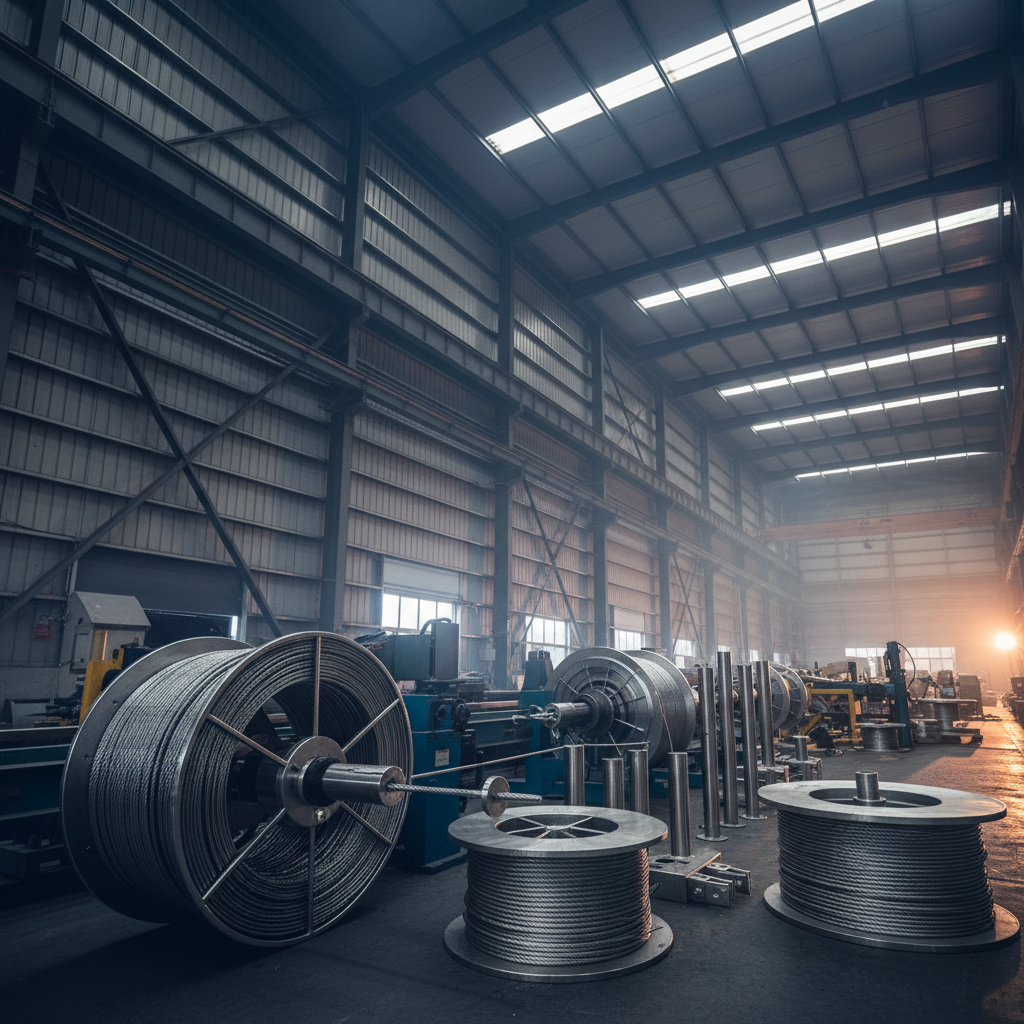
3/16 cable railing, also known as stainless steel cable railing, uses stainless steel cables with a diameter of 3/16 of an inch (approximately 4.76mm) to fill the spaces between posts in a railing system. This creates a nearly invisible barrier that provides safety without obstructing views. The cables are typically tensioned to prevent excessive deflection and ensure code compliance. This system is favored for its contemporary aesthetic, making it suitable for a variety of architectural styles. Choosing the right cable railing components, especially from a reputable supplier like TY Wire Mesh, is essential for a successful installation.
Key Highlights: Offers a sleek, modern aesthetic. Provides unobstructed views. Durable and corrosion-resistant when using high-quality stainless steel.
Compared to traditional wood or glass railings, 3/16 cable railing offers several advantages. Its primary benefit is the unobstructed view it provides, maximizing the enjoyment of outdoor spaces. The stainless steel cables are highly durable and resistant to corrosion, requiring minimal maintenance. The minimalist design complements modern architectural styles. Furthermore, cable railing systems are often quicker and easier to install than other railing types, potentially reducing labor costs. Proper installation, utilizing components from TY Wire Mesh, guarantees a safe and visually stunning result.
Key Benefits:
• Unobstructed Views
• Durability and Corrosion Resistance
• Minimalist Aesthetic
• Relatively Easy Installation
Choosing the right railing system involves comparing different materials and designs. While wood railings offer a classic look, they require regular maintenance and can be prone to rot. Glass railings provide unobstructed views but can be expensive and require frequent cleaning. Wrought iron railings are durable but can block views and have a more traditional appearance. 3/16 cable railing strikes a balance between aesthetics, durability, and cost-effectiveness. It offers a modern, minimalist look with minimal maintenance and excellent view preservation.
Proper installation is critical for ensuring the safety and longevity of your 3/16 cable railing. This typically involves attaching mounting hardware to posts, threading the cables through the hardware, and tensioning them to the correct specifications. Local building codes often dictate the maximum spacing between cables, the required cable tension, and the load-bearing capacity of the system. It's vital to consult with local building officials and follow manufacturer's instructions carefully. Components from TY Wire Mesh are designed to meet or exceed industry standards and simplify the installation process.
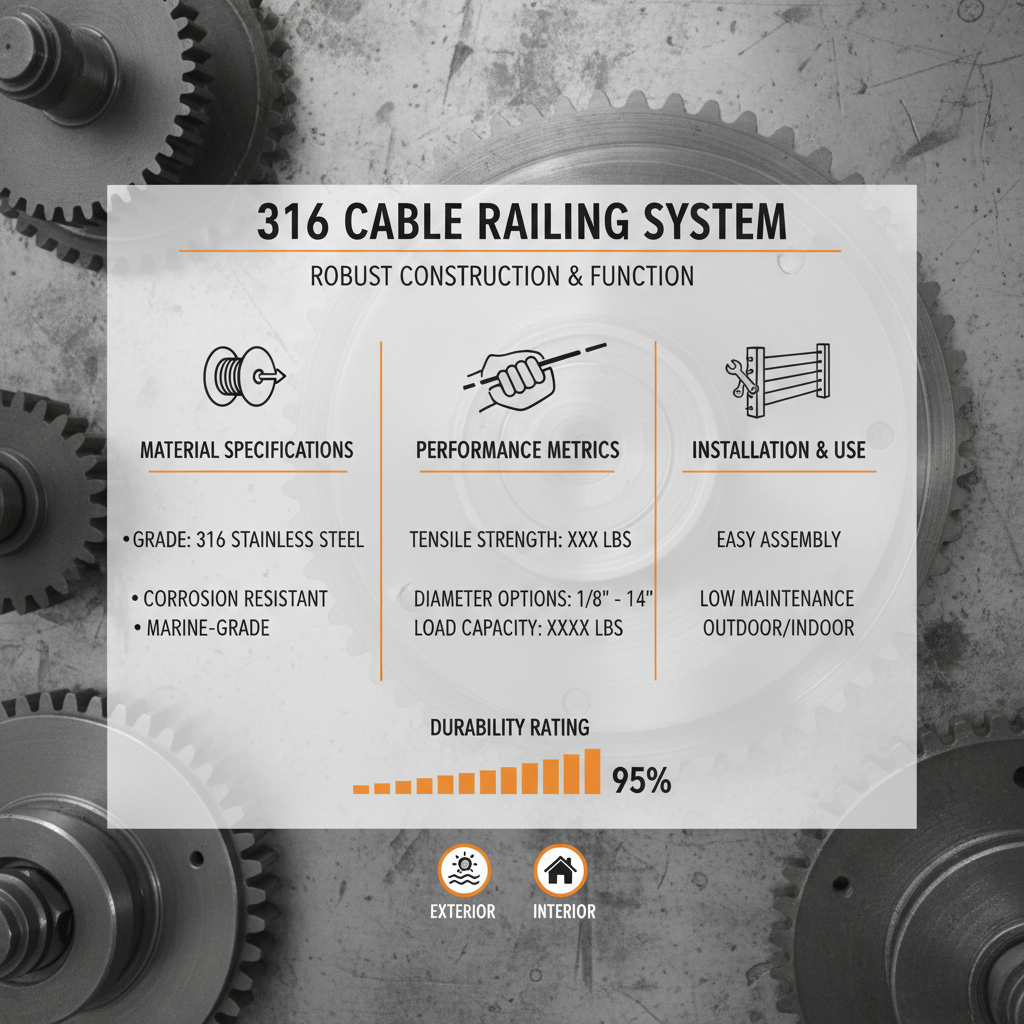
The cost of a 3/16 cable railing system can vary depending on the length of the railing, the complexity of the design, and the quality of the materials. Typically, the cost ranges from $20 to $45 per linear foot, including materials and labor. Factors that can increase the cost include custom designs, complex post configurations, and professional installation services. Choosing a reliable supplier, such as TY Wire Mesh, can help you obtain high-quality materials at competitive prices.
3/16 cable railing offers a compelling combination of aesthetics, durability, and safety. Whether you're a homeowner looking to enhance your deck or a contractor seeking a reliable railing solution, this system provides a modern and elegant look with minimal maintenance. Partnering with a trusted supplier like TY Wire Mesh ensures you receive high-quality components and expert support.
With proper care and using high-quality 316 stainless steel, 3/16 cable railing can last 15-25 years or more. The durability depends on environmental factors like salt air exposure (if near the ocean) and frequency of cleaning. Regular cleaning with mild soap and water helps prevent corrosion and maintains the railing's aesthetic appeal. Inspect the cables annually for any signs of wear or damage, and replace them if necessary. Choosing materials from a reputable supplier like TY Wire Mesh ensures the use of corrosion-resistant stainless steel.
Generally, yes, but code requirements vary by location. Most building codes specify maximum cable spacing based on deck height. For lower decks (under 30 inches), wider spacing may be permitted. For higher decks, closer spacing is required to prevent children from slipping through. Always consult local building codes and the cable railing manufacturer's specifications to ensure compliance.
The typical tools needed for installation include a cable tensioner, cable cutter, drill, screwdriver, measuring tape, level, and potentially a swaging tool (depending on the type of cable end fittings used). It's recommended to follow the installation instructions provided by the manufacturer, such as TY Wire Mesh, for specific tool recommendations and procedures.
Proper tensioning is crucial for safety and code compliance. Most cable railing systems use a turnbuckle or similar tensioning device. Tension the cables gradually, checking the deflection (how much the cable sags) with a measuring tape. The allowable deflection is typically specified by local building codes and the cable railing manufacturer. Avoid over-tensioning, which can damage the cables or mounting hardware. Refer to the installation guide from TY Wire Mesh for specific tensioning recommendations.