Chain link fencing, a ubiquitous security and containment solution, is vital across numerous sectors globally. Suppliers of chain link fencing play a critical role in infrastructure development, property protection, and public safety. The global market for chain link fencing is substantial and continuously growing, driven by urbanization, increasing security concerns, and the need for cost-effective perimeter solutions. These suppliers range from large-scale manufacturers to regional distributors, all contributing to a multi-billion dollar industry.
The demand for reliable suppliers of chain link fencing stems from its versatility. It's used in residential applications, commercial properties, industrial facilities, agricultural settings, and increasingly, for temporary security at events. Statistics from industry reports indicate a consistent growth in demand, especially in developing nations undergoing rapid infrastructure expansion. The challenge lies in sourcing high-quality materials and ensuring ethical and sustainable production practices within the supply chain.
Understanding the nuances of sourcing from suppliers of chain link fencing is essential for project managers, security professionals, and procurement specialists. Proper selection impacts project timelines, budget adherence, and the long-term durability and effectiveness of the fencing solution. Moreover, choosing reputable suppliers contributes to responsible sourcing and minimizes the risk of substandard products or unethical labor practices.
The Role of Suppliers of Chain Link Fencing
Suppliers of chain link fencing are more than just vendors; they are vital links in the security and infrastructure chains of countless industries. They ensure the availability of essential materials, manage complex logistics, and often provide value-added services such as custom fabrication, installation guidance, and post-sale support. A strong relationship with reliable suppliers of chain link fencing is foundational to successful project completion.
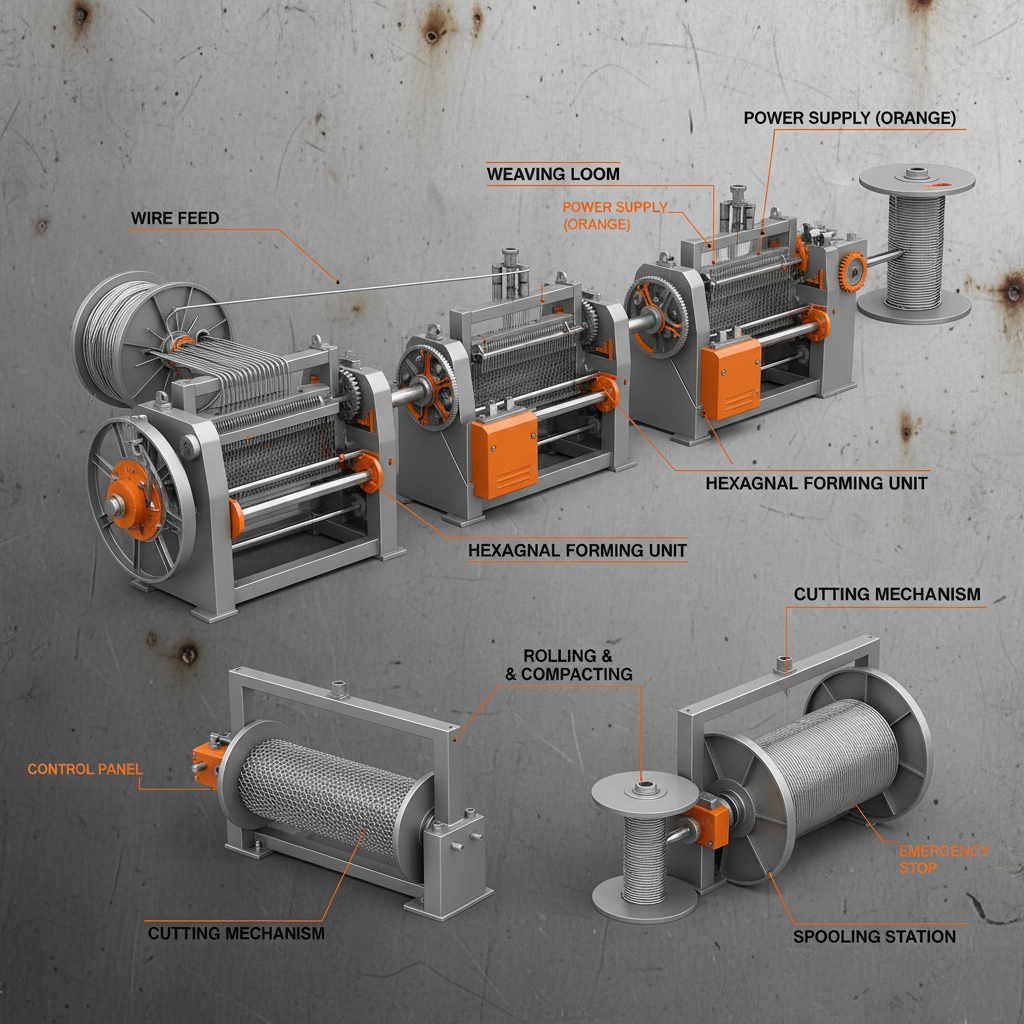
These suppliers are responsible for sourcing the raw materials—typically galvanized steel wire—and transforming it into the finished chain link fabric, posts, gates, and fittings. They also navigate stringent quality control standards, ensuring the materials meet industry specifications for strength, corrosion resistance, and longevity. Ultimately, the performance of the final fencing system is directly tied to the quality and reliability of the supplier.
Defining Suppliers of Chain Link Fencing
Suppliers of chain link fencing encompass a diverse range of businesses. These include manufacturers who produce the chain link fabric and components directly, distributors who purchase from manufacturers and resell to contractors and end-users, and wholesalers who handle large volumes for bulk purchases. The role of a supplier extends beyond simply providing the material; it includes offering expertise on appropriate fencing types for specific applications, ensuring compliance with local regulations, and managing logistics for timely delivery.
In the modern context, suppliers of chain link fencing are increasingly adopting digital platforms to streamline ordering processes, provide detailed product information, and offer online support. Many also specialize in specific niches, such as high-security fencing, coated chain link for enhanced aesthetics, or environmentally friendly options.
This vital role contributes to both modern industrial needs and humanitarian efforts, providing secure perimeters for infrastructure and safe environments in emergency situations. Efficient and reliable suppliers of chain link fencing are crucial for a functioning and secure society.
Key Characteristics of Reliable Suppliers
Reliable suppliers of chain link fencing demonstrate several key characteristics. These include consistent product quality, competitive pricing, timely delivery, and excellent customer service. Furthermore, reputable suppliers maintain robust quality control processes, ensuring their products meet or exceed industry standards. They also possess the ability to handle large orders efficiently and provide tailored solutions to meet specific project requirements.
Beyond product-related attributes, transparency and ethical business practices are crucial. Reliable suppliers of chain link fencing openly disclose material specifications, manufacturing processes, and certifications. They also prioritize sustainable sourcing and responsible labor practices, demonstrating a commitment to environmental and social responsibility. Long-term partnerships are often built on trust and a shared commitment to quality and integrity.
Finally, a strong supplier will proactively communicate potential challenges or delays, offer solutions, and maintain open lines of communication throughout the entire process. They act as a true partner, rather than simply a vendor, contributing to the overall success of the project.
Core Components Affecting Supply Quality
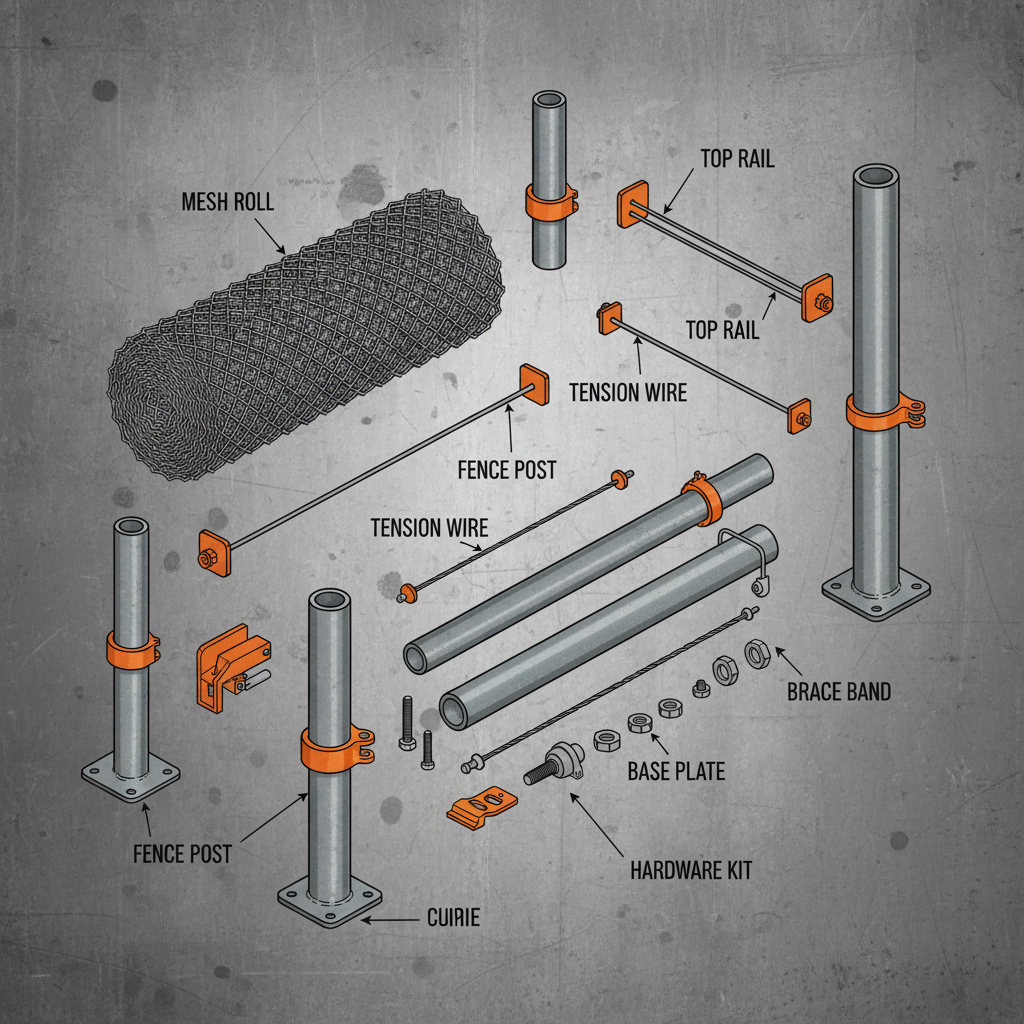
Several core components directly influence the quality of chain link fencing supplied. The gauge (thickness) of the wire is paramount; thicker wire provides greater strength and durability. The type of coating—typically galvanization—determines the fencing’s resistance to corrosion, with heavier coatings offering longer protection. The quality of the mesh weave affects the overall strength and longevity of the fabric.
Additionally, the design and construction of the posts and fittings significantly impact the fencing’s stability. Suppliers of chain link fencing should use high-quality steel for these components and employ secure fastening methods. Careful attention to these details ensures the fencing remains secure and functional over time.
Quality Component Ratings of Suppliers of Chain Link Fencing
Global Applications and Market Sectors
The applications of chain link fencing are incredibly diverse, spanning numerous sectors globally. In residential areas, it provides affordable and effective perimeter security. Commercial properties utilize it for property demarcation, security, and aesthetic appeal. Industrial facilities rely on it for high-security fencing to protect valuable assets and control access.
Agricultural settings benefit from chain link fencing for livestock containment and crop protection. In post-disaster relief operations, suppliers of chain link fencing provide temporary fencing for security and camp establishment. Even recreational facilities, such as parks and sports fields, frequently employ chain link fencing to define boundaries and enhance safety. The versatility of chain link makes it a preferred choice for a wide range of applications.
Advantages of Partnering with Established Suppliers
Choosing established suppliers of chain link fencing offers significant advantages. These suppliers often have extensive experience, established quality control systems, and strong relationships with manufacturers, allowing them to offer competitive pricing and consistent product quality. They are also more likely to provide comprehensive support, including technical assistance, installation guidance, and after-sales service.
Furthermore, reputable suppliers are committed to ethical sourcing and environmental responsibility, ensuring their products meet industry standards and regulatory requirements. This reduces the risk of compliance issues and ensures a sustainable supply chain. Long-term partnerships with established suppliers foster trust and collaboration, leading to smoother project execution and reduced costs.
The peace of mind that comes with knowing your fencing materials are sourced from a reliable and reputable supplier is invaluable, contributing to the overall success and longevity of your project.
Future Trends and Supplier Innovations
The future of suppliers of chain link fencing is being shaped by several key trends. Increasing demand for high-security fencing is driving innovation in coating technologies and mesh designs. The rise of smart fencing solutions, incorporating sensors and monitoring systems, is creating new opportunities for suppliers to offer integrated security systems.
Sustainability is also becoming a major focus, with suppliers exploring eco-friendly materials and manufacturing processes. Digitalization is transforming the supply chain, with online platforms and real-time inventory management becoming increasingly prevalent. Suppliers who embrace these trends will be well-positioned to meet the evolving needs of the market.
Expect to see increased customization options, faster delivery times, and a greater emphasis on data-driven insights to optimize fencing solutions.
Trends in Chain Link Fencing Supplier Performance
| Supplier Category |
Innovation Adoption Rate |
Sustainability Practices |
Digital Integration Level |
| Large Manufacturers |
8 |
7 |
9 |
| Regional Distributors |
6 |
5 |
7 |
| Niche Specialists |
9 |
8 |
6 |
| Wholesale Suppliers |
5 |
4 |
8 |
| Online Retailers |
7 |
3 |
10 |
| Import/Export Brokers |
4 |
2 |
5 |
FAQS
When selecting suppliers of chain link fencing, consider their experience, reputation, product quality, pricing, delivery times, and customer service. Check for certifications, industry affiliations, and customer reviews. It's crucial to verify their adherence to quality control standards and their ability to meet your specific project requirements. Also, evaluate their commitment to sustainable sourcing and ethical business practices.
Corrosion resistance is paramount for longevity. Ensure the chain link fencing is galvanized with a heavy coating of zinc. Look for suppliers who offer different galvanization options, such as hot-dip galvanization, which provides superior protection. Powder coating can further enhance corrosion resistance and provide aesthetic appeal. Request documentation confirming the zinc coating weight and adherence to ASTM standards.
Lead times vary depending on the supplier's inventory levels, order volume, and customization requirements. Standard fencing orders typically have a lead time of 1-2 weeks, while custom orders can take 3-6 weeks or longer. It's essential to confirm the lead time with the supplier before placing your order, especially for large projects with tight deadlines. Supply chain disruptions can also impact lead times, so proactive communication is vital.
Some suppliers of chain link fencing offer installation services, while others primarily focus on material supply. If installation is required, clarify whether the supplier provides it directly or can recommend qualified installers. Ensure the installer is licensed and insured and has experience with chain link fencing installation. Proper installation is critical for the security and longevity of the fencing system.
Working with a local supplier of chain link fencing offers several advantages, including faster delivery times, lower shipping costs, and personalized customer service. Local suppliers are also more familiar with local regulations and building codes. They can provide on-site support and address any issues that may arise during installation or maintenance. Supporting local businesses contributes to the local economy.
Most suppliers of chain link fencing have online quote request forms or provide contact information for their sales team. When requesting a quote, provide detailed information about your project requirements, including the fence length, height, gauge of wire, type of coating, post spacing, and any customization needs. The more information you provide, the more accurate the quote will be.
Conclusion
In conclusion, selecting the right suppliers of chain link fencing is paramount to ensuring project success, security, and long-term value. Reliable suppliers offer not just a product, but a partnership built on quality, expertise, and responsiveness. Understanding the core components of quality fencing, the evolving market trends, and the importance of ethical sourcing empowers informed decision-making.
Looking ahead, the demand for high-performance, sustainable, and technologically advanced chain link fencing solutions will continue to grow. We encourage you to prioritize due diligence when selecting a supplier and to explore innovative options that meet your specific needs and contribute to a more secure and sustainable future. Visit our website at www.tywiremesh.com to learn more about our offerings.
 TEL:
+86-13102802206
TEL:
+86-13102802206
 Email:
fencenetting@china.com
Email:
fencenetting@china.com
 Language