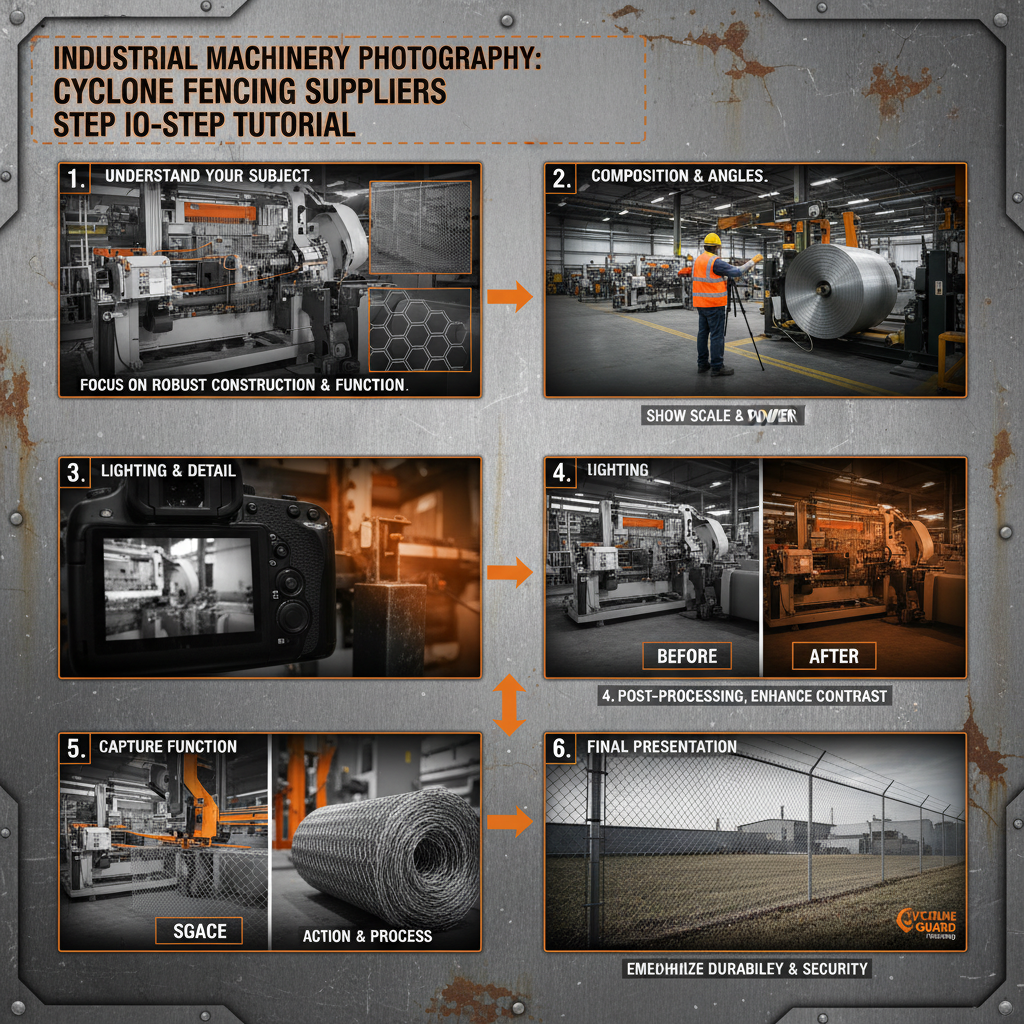
Wire mesh fence manufacturers play a critical role in global infrastructure and security. From securing perimeters of industrial facilities and residential properties to providing essential fencing for agricultural operations and public spaces, these manufacturers are integral to modern life. The industry has evolved significantly, transitioning from simple woven wire designs to complex, high-security systems incorporating advanced materials and construction techniques. Understanding the nuances of wire mesh fence manufacturing – from material selection to fabrication processes – is paramount for professionals in construction, security, and related fields. wire mesh fence manufacturers are increasingly focused on sustainable practices and innovative solutions to meet growing demands.
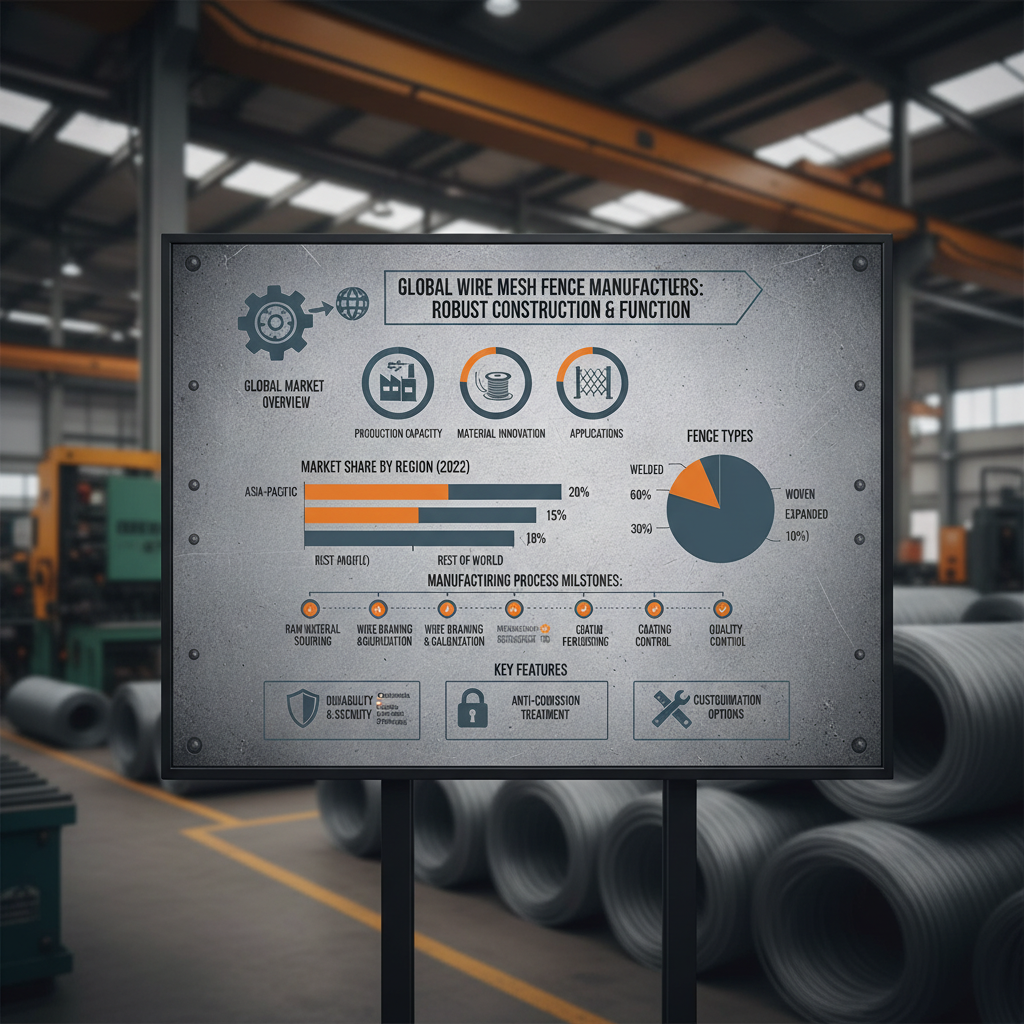
The global demand for wire mesh fencing is driven by several factors, including urbanization, increased security concerns, and the expansion of agricultural activities. According to industry reports, the market is projected to experience continued growth in the coming years, particularly in emerging economies. This growth is fueled by infrastructure development projects and a heightened awareness of the importance of perimeter security. Furthermore, wire mesh fence manufacturers are adapting to meet specialized needs, offering customized solutions for various applications.
The effectiveness and accessibility of wire mesh fences make them a preferred choice for a wide range of applications. This makes understanding the capabilities and innovations of wire mesh fence manufacturers essential for informed decision-making in diverse sectors.
Introduction: Global or Industry Context
The global wire mesh fence market is a multi-billion dollar industry, experiencing consistent growth driven by increasing demands for security, infrastructure development, and agricultural applications. Data from the World Bank indicates a direct correlation between infrastructure spending in developing nations and the demand for fencing solutions, including wire mesh. This underscores the crucial role wire mesh fence manufacturers play in supporting economic growth and ensuring public safety.
The industry is characterized by a diverse range of players, from large multinational corporations to smaller, specialized manufacturers. Competition is fierce, with companies constantly striving to innovate and offer more cost-effective and durable solutions. The ISO 9001 certification is becoming increasingly important, demonstrating a manufacturer’s commitment to quality management systems and consistent product standards.
A significant challenge facing the industry is the rise in security threats and the need for fences that can withstand increasingly sophisticated attempts at intrusion. This is prompting wire mesh fence manufacturers to invest in research and development to create high-security fencing solutions that meet evolving security requirements.
Definition & Meaning
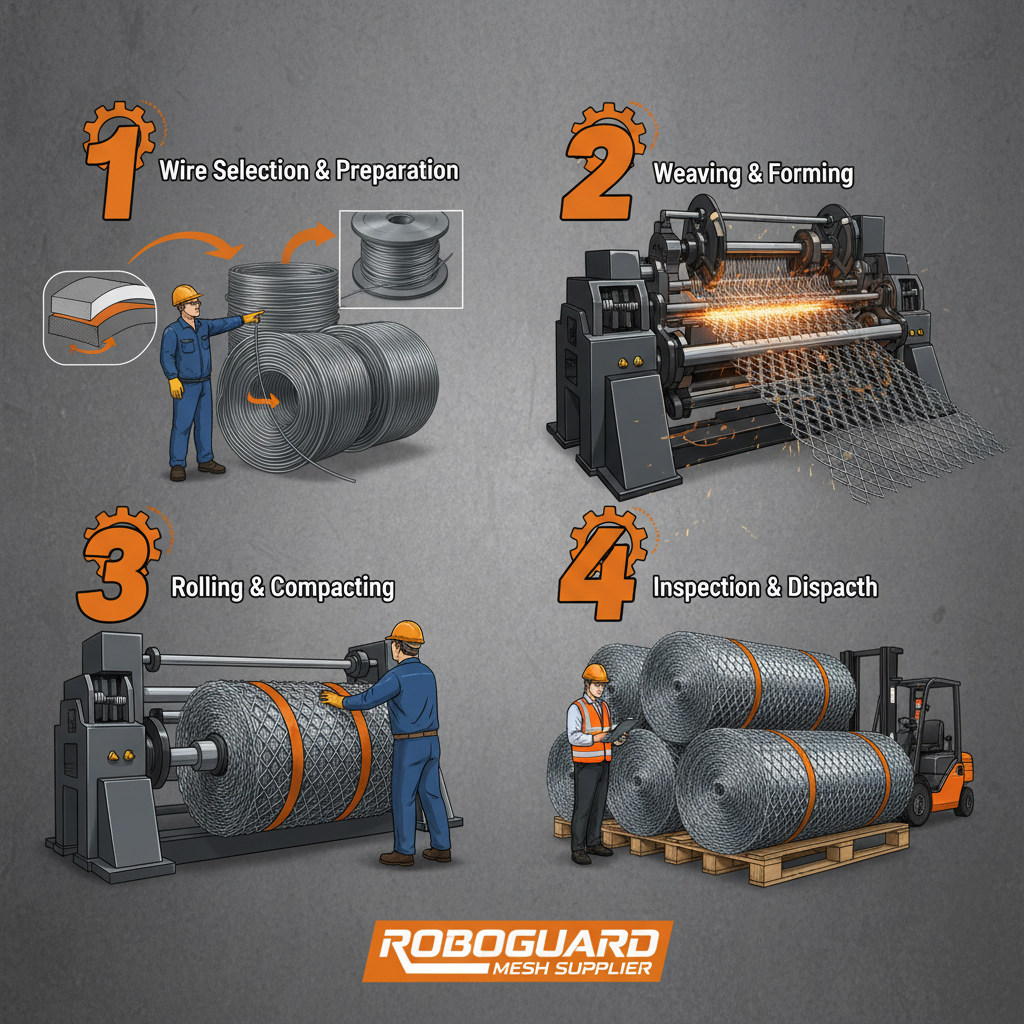
Wire mesh fence manufacturers are companies specializing in the fabrication and distribution of fencing systems constructed from woven, welded, or otherwise interconnected metal wires. These fences serve a multitude of purposes, from delineating property boundaries and controlling livestock to providing security for industrial facilities and protecting sensitive areas. The core of their work involves transforming raw materials – typically steel, stainless steel, or aluminum – into functional and robust fencing solutions.
This industry directly supports modern infrastructure development and is increasingly important in humanitarian efforts. In post-disaster scenarios, wire mesh fencing provides temporary security and helps establish order in affected areas. The rapid deployment capabilities of some systems, offered by manufacturers like wire mesh fence manufacturers, make them invaluable in emergency response situations.
The significance of wire mesh fence manufacturing extends beyond mere physical barriers. It represents a commitment to safety, security, and the preservation of property, contributing to the overall well-being of communities and the smooth operation of businesses worldwide.
Key Factors or Core Components
Durability: Wire mesh fences, particularly those constructed from galvanized steel or stainless steel, offer exceptional resistance to corrosion and weathering. This translates to a longer lifespan and reduced maintenance costs, making them a cost-effective long-term solution. The quality of the wire and the welding or weaving techniques employed by wire mesh fence manufacturers directly influence the fence's durability.
Scalability: Wire mesh fencing is highly scalable, meaning it can be adapted to accommodate a wide range of project requirements, from small residential properties to large-scale industrial complexes. Manufacturers offer various heights, widths, and mesh sizes, allowing for customized solutions.
Cost Efficiency: Compared to other fencing materials like wood or concrete, wire mesh generally offers a more affordable solution without compromising on security. The cost-effectiveness is further enhanced by the relatively low installation and maintenance requirements.
Security: The mesh design makes it difficult to climb, while the material strength provides a robust barrier against intrusion. High-security options, incorporating features like razor wire or anti-climb coatings, are available from specialized wire mesh fence manufacturers.
Versatility: Wire mesh can be used in a wide variety of applications, including perimeter fencing, animal containment, security barriers, and decorative elements. This versatility makes it a popular choice across many industries.
Ease of Installation: Many wire mesh fencing systems are designed for relatively easy installation, reducing labor costs and project timelines.
Global Applications & Use Cases
Wire mesh fencing finds widespread application across diverse sectors globally. In agriculture, it is used for livestock containment, protecting crops from wildlife, and creating secure farming environments. The robust nature of fencing from wire mesh fence manufacturers ensures effective animal control and minimizes potential damage.
In the industrial sector, wire mesh fencing provides perimeter security for factories, warehouses, and power plants, safeguarding valuable assets and preventing unauthorized access. High-security options are particularly crucial in protecting critical infrastructure. In remote industrial zones, the durability and low maintenance of wire mesh are especially valued.
In post-disaster relief operations, wire mesh fencing is often used to establish temporary security perimeters, protect aid distribution centers, and provide a sense of order in chaotic situations. Its ease of deployment makes it an ideal solution in emergency scenarios. Municipalities also rely on wire mesh fences for park enclosures, schoolyards, and recreational facilities.
Wire Mesh Fence Manufacturing Methods – Effectiveness Ratings
Advantages & Long-Term Value
The advantages of using wire mesh fencing extend beyond immediate cost savings. The longevity and minimal maintenance requirements translate to significant long-term value. Unlike wooden fences that require regular staining or replacement, or wrought iron fences prone to rust, a properly installed wire mesh fence can last for decades with minimal upkeep. Choosing a reputable wire mesh fence manufacturers is crucial for maximizing this lifespan.
From a sustainability perspective, wire mesh fencing often utilizes recyclable materials, reducing its environmental impact. Moreover, its durability reduces the need for frequent replacements, conserving resources. This aligns with growing global efforts to promote environmentally responsible construction practices.
The sense of security provided by a well-constructed wire mesh fence contributes significantly to peace of mind for homeowners and business owners alike. Knowing that property and assets are protected enhances quality of life and fosters a secure environment.
Future Trends & Innovations
The wire mesh fence industry is undergoing a period of innovation, driven by advancements in materials science and manufacturing technologies. Expect to see increased use of high-strength, lightweight alloys, enhancing both durability and ease of installation. Smart fencing systems, incorporating sensors and connectivity, are also emerging.
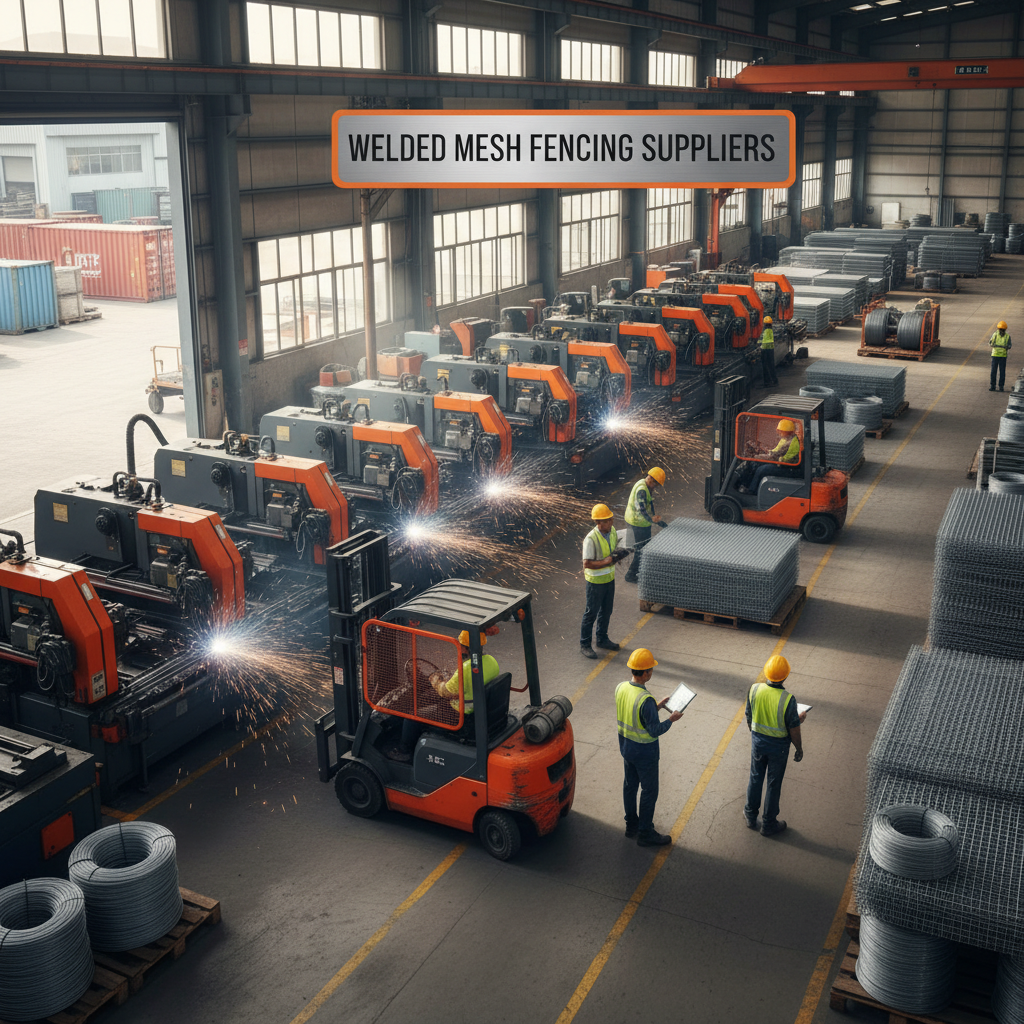
Digital integration, such as incorporating IoT (Internet of Things) sensors for intrusion detection and remote monitoring, represents a significant future trend. Automated manufacturing processes, including robotic welding and precision cutting, will further improve efficiency and reduce production costs. wire mesh fence manufacturers are actively exploring these opportunities.
Challenges & Solutions
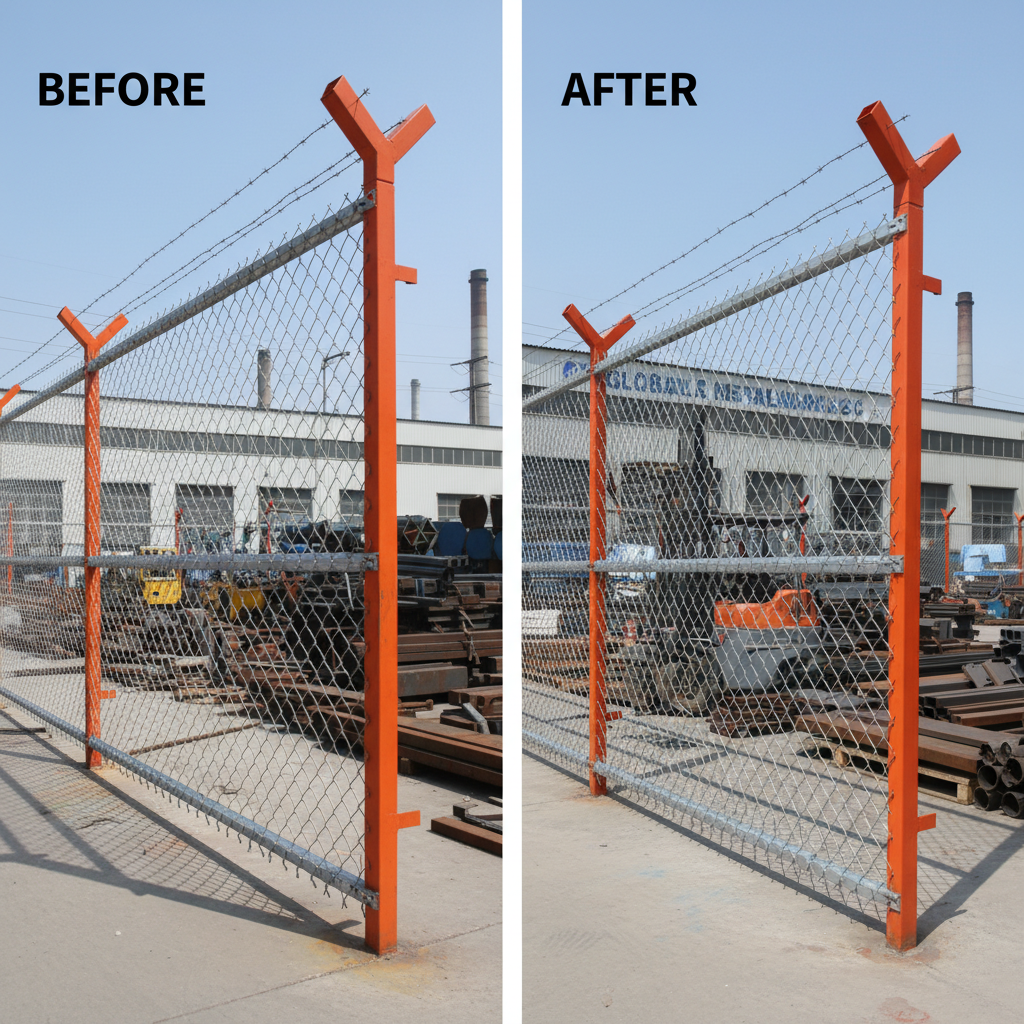
One of the primary challenges facing the industry is the potential for corrosion, particularly in harsh environments. Manufacturers are addressing this through the use of advanced coatings, such as galvanization and powder coating, to protect the wire mesh from rust and degradation.
Another challenge is the risk of unauthorized cutting or climbing. Solutions include incorporating barbed wire, razor wire, or anti-climb coatings, as well as designing fences with smaller mesh openings. Investing in high-security systems from specialized wire mesh fence manufacturers is crucial in these scenarios.
Supply chain disruptions and fluctuating raw material costs also pose challenges. Manufacturers are mitigating these risks through strategic sourcing and inventory management practices.
Challenges & Solutions in Wire Mesh Fence Manufacturing
| Challenge |
Impact Level (1-10) |
Proposed Solution |
Implementation Cost (USD) |
| Corrosion in Coastal Environments |
8 |
Utilize Marine-Grade Stainless Steel and Specialized Coatings |
$5,000 - $15,000 |
| Vandalism and Cutting Attempts |
7 |
Implement High-Tensile Wire and Anti-Cut Mesh Designs |
$2,000 - $8,000 |
| Supply Chain Disruptions (Raw Materials) |
6 |
Diversify Supplier Network and Maintain Strategic Inventory |
$1,000 - $5,000 |
| Labor Costs for Installation |
5 |
Develop Pre-Fabricated Panel Systems for Faster Installation |
$3,000 - $7,000 |
| Meeting Evolving Security Standards |
9 |
Invest in R&D and Compliance Certification (e.g., ISO) |
$10,000 - $20,000 |
| Environmental Impact of Production |
4 |
Implement Sustainable Manufacturing Processes and Recycled Materials |
$2,000 - $6,000 |
FAQS
The lifespan of a galvanized steel wire mesh fence can range from 15 to 30 years, depending on the environment and the quality of the galvanization. Coastal areas with high salt content will require more frequent inspection and maintenance. Factors such as coating thickness and the presence of abrasives can significantly affect longevity. Reputable wire mesh fence manufacturers provide detailed specifications on coating life expectancy.
Stainless steel wire mesh offers superior corrosion resistance compared to galvanized steel, making it ideal for harsh environments like coastal areas or industrial settings with corrosive chemicals. While more expensive upfront, stainless steel requires significantly less maintenance and has a longer lifespan. wire mesh fence manufacturers often recommend stainless steel for applications where long-term durability is critical.
Mesh size is crucial for the effectiveness of your fence. Smaller mesh sizes offer greater security and are ideal for containing smaller animals or preventing unauthorized access. Larger mesh sizes are suitable for agricultural applications where visibility is important or for perimeter fencing with less stringent security requirements. Consult with a wire mesh fence manufacturers to determine the appropriate mesh size for your specific needs.
Welded wire mesh is created by fusing wires together at their intersections, resulting in a rigid and strong panel. Woven wire mesh is formed by interlacing wires, creating a more flexible and durable fabric. Welded wire mesh is often used for security fencing, while woven wire mesh is commonly used for agricultural fencing and animal containment. wire mesh fence manufacturers offer both options, each with unique advantages.
Preventing rust on a galvanized wire mesh fence involves regular inspection and maintenance. Remove any debris or vegetation that may trap moisture and promote corrosion. Apply a protective coating to damaged areas where the galvanization has been compromised. Consider using a corrosion inhibitor spray. Selecting high-quality fencing from a trusted wire mesh fence manufacturers with a thick galvanization layer is the first line of defense.
Installing wire mesh fencing on sloped ground requires careful planning to ensure a secure and aesthetically pleasing result. Step the fence posts according to the contour of the slope, rather than attempting to maintain a straight line. Use longer posts and ensure adequate post depth for stability. Consider using tension wires to maintain consistent tension throughout the fence. Consulting with wire mesh fence manufacturers can provide guidance on proper installation techniques for sloped terrain.
Conclusion
In conclusion, wire mesh fence manufacturers are fundamental to a multitude of industries, providing essential solutions for security, agriculture, and infrastructure development. Their products offer a unique combination of durability, scalability, cost-effectiveness, and versatility, making them a preferred choice for a wide range of applications globally. The continued innovation within the industry, focused on advanced materials, smart technologies, and sustainable practices, promises even more effective and efficient fencing solutions in the future.
Looking ahead, prioritizing quality, seeking expert guidance from trusted wire mesh fence manufacturers , and adopting sustainable practices will be key to maximizing the long-term benefits of wire mesh fencing. By understanding the nuances of the industry and embracing innovation, we can build safer, more secure, and more sustainable communities for generations to come.
 TEL:
+86-13102802206
TEL:
+86-13102802206
 Email:
fencenetting@china.com
Email:
fencenetting@china.com
 Language