TEL:
+86-13102802206
TEL:
+86-13102802206
 Email:
fencenetting@china.com
Email:
fencenetting@china.com
 Language
TEL:
+86-13102802206
Email:
fencenetting@china.com
Language
Language
TEL:
+86-13102802206
Email:
fencenetting@china.com
Language


When undertaking projects requiring robust and reliable support, selecting the appropriate cable is crucial. 1.8 stainless steel cable, 1000 ft rolls are a popular choice for diverse applications, from construction and marine environments to industrial rigging. This article will provide a comprehensive overview of this essential material, covering its properties, applications, and crucial considerations for selecting the right cable for your needs. Understanding these aspects ensures optimal performance and longevity for your projects.
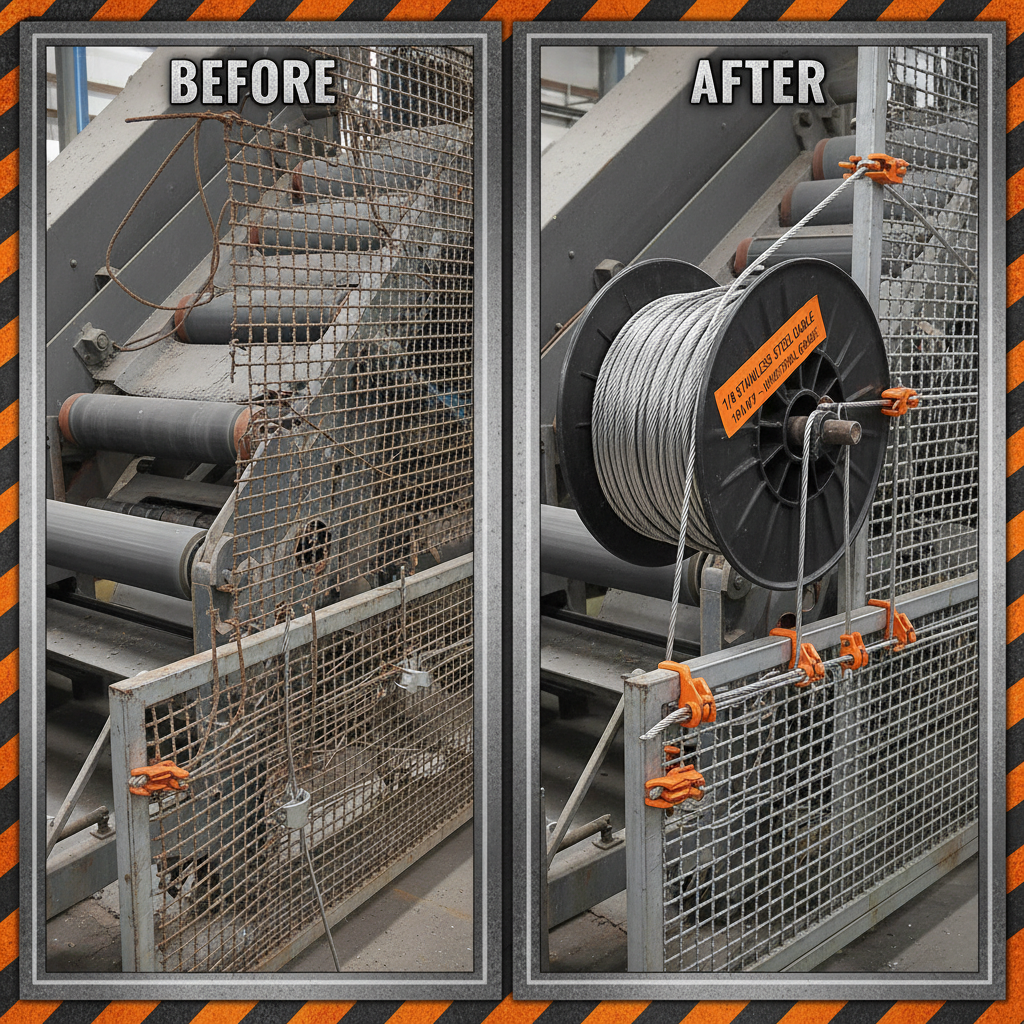
1.8 stainless steel cable refers to the diameter of the cable in inches. This size offers a strong balance between flexibility and strength, making it suitable for a wide range of applications. The 'stainless steel' designation indicates the cable is constructed from alloys containing chromium, providing exceptional corrosion resistance. This is particularly important for outdoor applications or environments exposed to moisture, chemicals, or saltwater. Different grades of stainless steel, such as 304 and 316, offer varying levels of corrosion resistance; 316 is preferred for highly corrosive environments like marine applications. The 1000 ft rolls provide a convenient length for larger projects, minimizing the need for splicing.
Key Highlights: Superior corrosion resistance, high tensile strength, flexibility, and convenient 1000 ft roll length. Ideal for demanding applications.
The versatility of 1.8 stainless steel cable makes it a go-to material across numerous industries. Common applications include:
Application Benefits:
• High strength for secure load-bearing.
• Excellent corrosion resistance for long-lasting performance.
• Flexibility for ease of installation.
• Convenience of a 1000 ft roll for larger projects.
When choosing 1.8 stainless steel cable 1000 ft, understanding the difference between 304 and 316 stainless steel is crucial. Both offer excellent corrosion resistance, but 316 contains molybdenum, which significantly enhances its resistance to chlorides, making it far superior in saltwater and harsh chemical environments. 304 is a more cost-effective option suitable for general-purpose applications with less exposure to harsh conditions.
Beyond the stainless steel grade, several factors should influence your choice of 1.8 stainless steel cable. These include the working load limit (WLL) – the maximum safe load the cable can handle – and the cable's construction. Different constructions, like 7x19 or 6x37, offer varying degrees of flexibility and strength. A 7x19 construction is more flexible, while a 6x37 offers higher strength. Always consult with a qualified engineer to determine the appropriate WLL and construction for your specific application. Ensuring you select a cable with adequate safety factors is critical for preventing failures and ensuring worker safety. Remember to also factor in the necessary fittings, such as clamps and thimbles, for a secure and reliable connection.
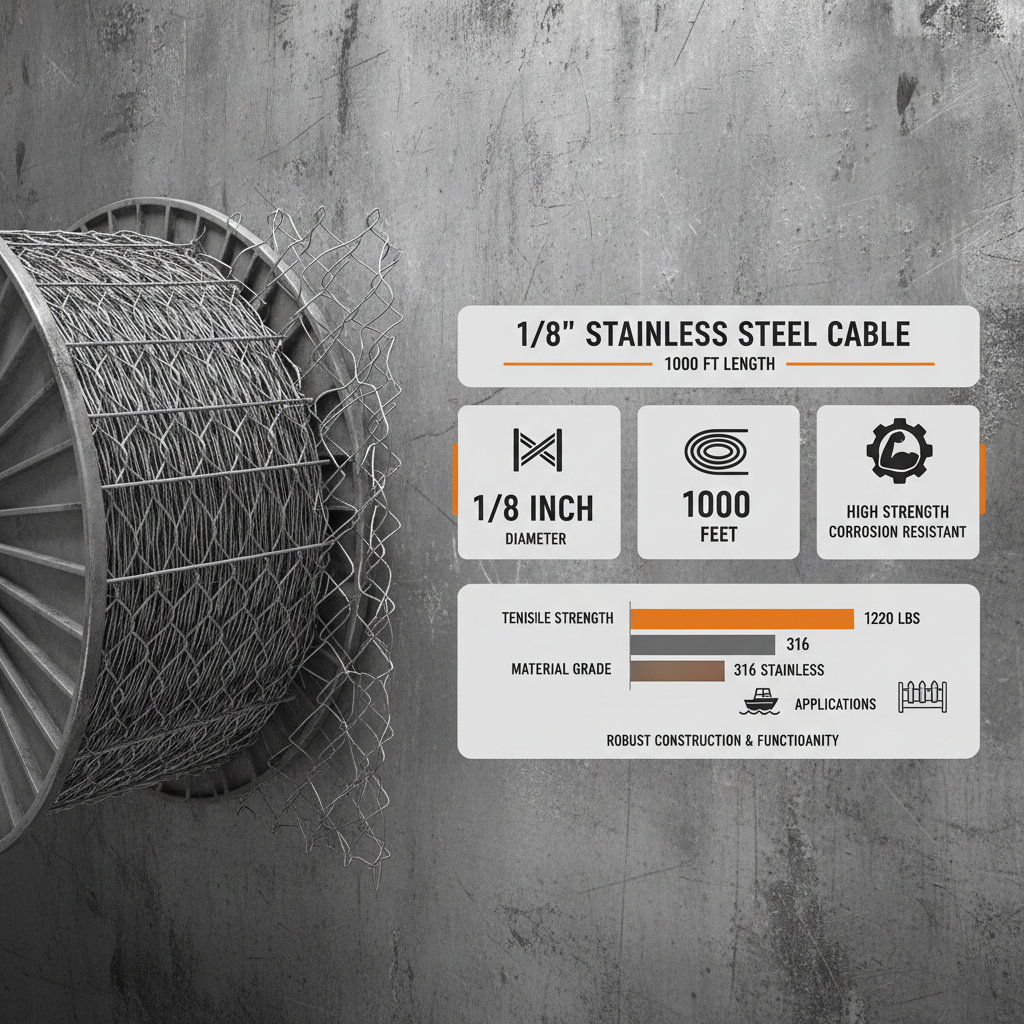
For detailed product specifications and to order your 1.8 stainless steel cable 1000 ft roll, visit TY Wire Mesh. We offer both 304 and 316 stainless steel options in various constructions to meet your precise requirements. Our team of experts is available to assist you in selecting the right cable for your application and provide competitive pricing. We also offer custom cutting and fabrication services to meet your specific needs.
Selecting the right 1.8 stainless steel cable 1000 ft is essential for the success and safety of your projects. By considering the application, environment, and material grade, you can ensure optimal performance and longevity. TY Wire Mesh provides high-quality stainless steel cable and expert support to help you make the right choice. Don't compromise on quality – choose TY Wire Mesh for your cabling needs.
The WLL varies depending on the grade of stainless steel, cable construction, and safety factor. It's crucial to consult the cable's specification sheet or contact TY Wire Mesh to obtain the accurate WLL for your specific cable. Never exceed the WLL, as this can lead to cable failure and potential injury. Always factor in a safety margin based on the application and potential dynamic loads.
Cutting stainless steel cable requires specialized tools, such as a cable cutter designed for stainless steel. Avoid using abrasive cutting methods that can damage the cable strands. Terminating the cable typically involves using cable clamps, thimbles, and fittings designed for stainless steel wire rope. Proper termination is critical to maintain the cable's strength and prevent slippage. It’s recommended to consult with a rigging professional or refer to industry best practices for detailed instructions.
1.8mm stainless steel cable offers a good balance between strength and flexibility. It's often preferred for applications where a smaller diameter is required but sufficient strength is still needed. Larger diameters offer higher strength but can be more rigid and difficult to work with. Smaller diameters may lack the necessary strength for certain applications. Choosing the right diameter depends on the specific load requirements and the application’s constraints.
Store stainless steel cable in a dry, well-ventilated area. Avoid storing it in direct contact with corrosive materials, such as carbon steel or concrete. If the cable is to be stored for an extended period, consider applying a protective coating or wrapping it in a non-corrosive material. Regular inspection for signs of corrosion is recommended, even during storage.