Welded mesh fencing suppliers play a critical, often unseen, role in global infrastructure and security. From agricultural applications to high-security perimeters, these suppliers provide essential materials for a vast array of industries. Understanding the nuances of this market—including material quality, manufacturing processes, and logistical capabilities—is crucial for effective project planning and successful implementation. The increasing demand for robust, reliable fencing solutions drives innovation within the sector, leading to advancements in materials and fabrication techniques.
The importance of selecting the right welded mesh fencing suppliers extends beyond simply acquiring a physical barrier. It involves considering long-term durability, resistance to corrosion, and adherence to relevant safety standards. The global supply chain for these materials is complex, influenced by factors such as raw material costs, transportation logistics, and geopolitical stability. Choosing a reputable supplier is vital to ensuring project success and minimizing potential risks.
As global security concerns escalate and infrastructure demands grow, the role of welded mesh fencing suppliers is becoming increasingly prominent. Their ability to deliver high-quality, cost-effective solutions quickly and efficiently is paramount. This overview will explore the key aspects of this industry, highlighting its applications, advantages, and future trends.
Defining Welded Mesh Fencing Suppliers
Welded mesh fencing suppliers are companies that specialize in the manufacture and distribution of fencing constructed from welded wire mesh. This mesh is typically created by intersecting and welding wires, forming a robust and durable panel. These suppliers cater to a wide spectrum of clients, including agricultural businesses, security firms, construction companies, and governmental organizations.
The connection to modern industry and societal needs is significant. Welded mesh fencing provides essential security, containment, and protection across numerous sectors. It’s used to safeguard property, control livestock, enhance perimeter security, and even contribute to the structural integrity of certain building applications. The rise in infrastructure development and security concerns globally has fueled demand for reliable welded mesh fencing solutions.
Global Relevance and Industry Context
The global welded mesh fencing market is substantial and steadily growing, driven by factors such as increasing urbanization, infrastructure investments, and heightened security concerns. According to industry reports, the market is projected to reach significant valuations in the coming years, reflecting a consistent demand for these products across diverse geographic regions. The UN Habitat reports indicate a growing need for secure and affordable housing, often utilizing fencing solutions.
Major players in the industry are located in countries like China, the United States, Germany, and India, representing a blend of manufacturing hubs and key consumer markets. The World Bank’s infrastructure financing initiatives often incorporate fencing projects for security and perimeter control. International Organization for Standardization (ISO) standards play a critical role in defining quality benchmarks for welded mesh fencing, ensuring consistency and reliability.
A significant challenge addressed by welded mesh fencing suppliers is the need for cost-effective yet durable security solutions. Traditional fencing materials can be expensive and prone to corrosion, whereas welded mesh offers a balance of strength, affordability, and longevity. This makes it a particularly attractive option for large-scale projects in developing nations and areas with harsh environmental conditions.
Understanding the Core Components
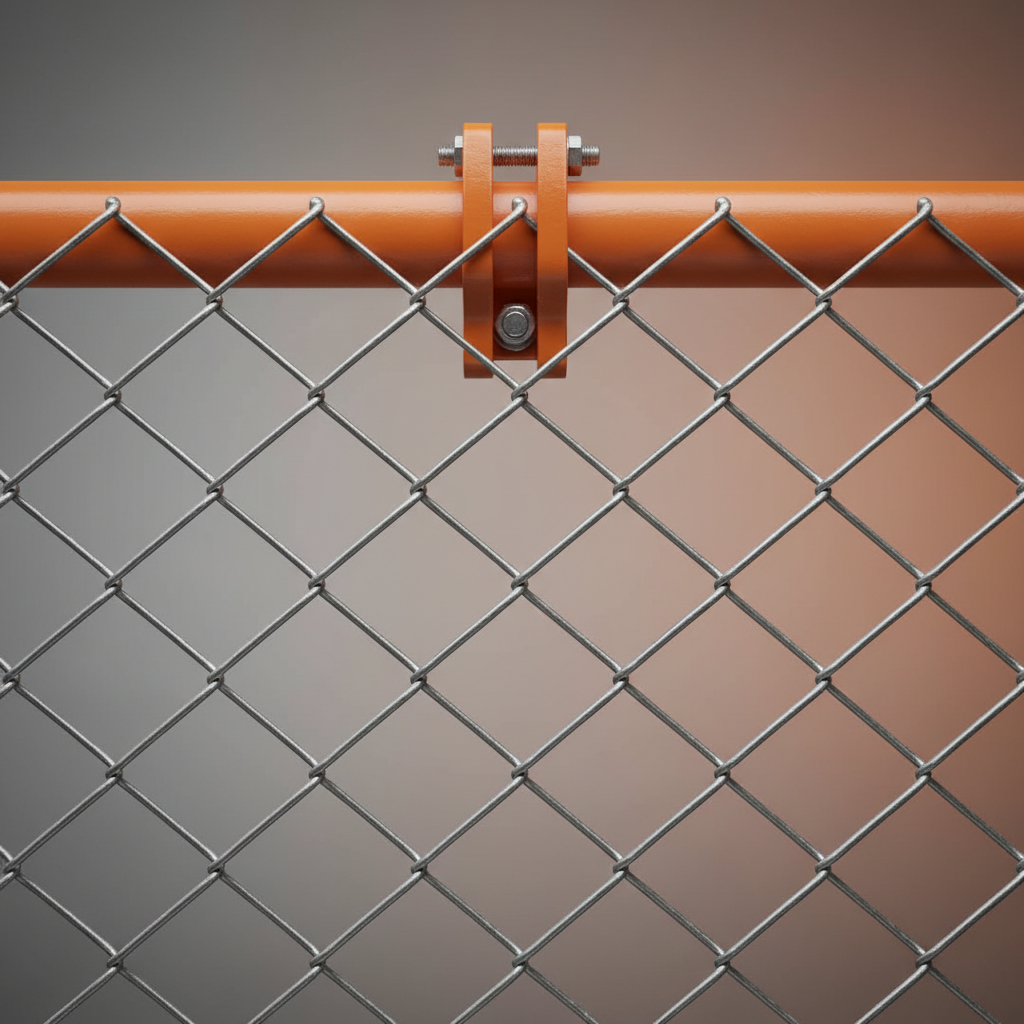
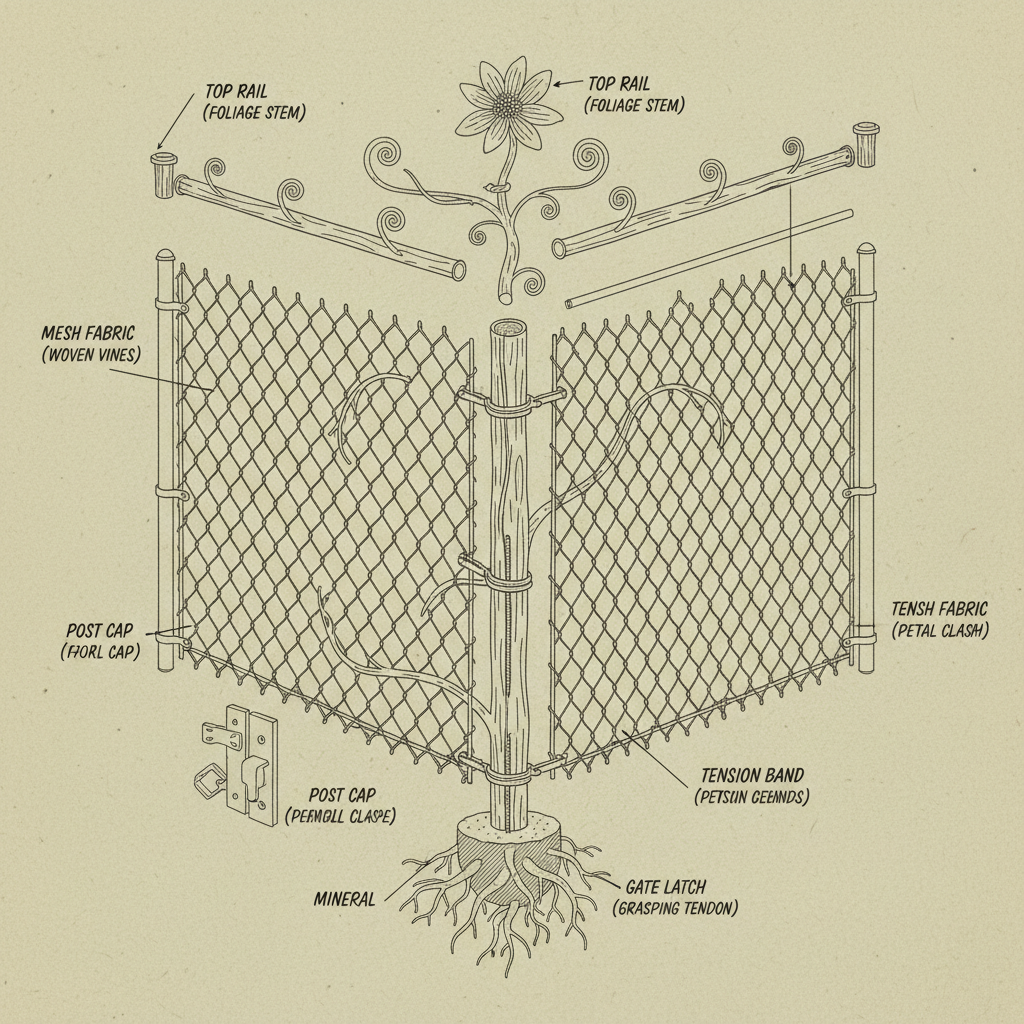
Welded mesh fencing isn’t just about the mesh itself. Several key components contribute to the overall quality and performance of the system. These include the wire gauge (thickness), aperture size (the openings in the mesh), coating type (galvanization, PVC, etc.), and post materials (steel, wood, concrete). The selection of each component is crucial for tailoring the fencing to specific application requirements.
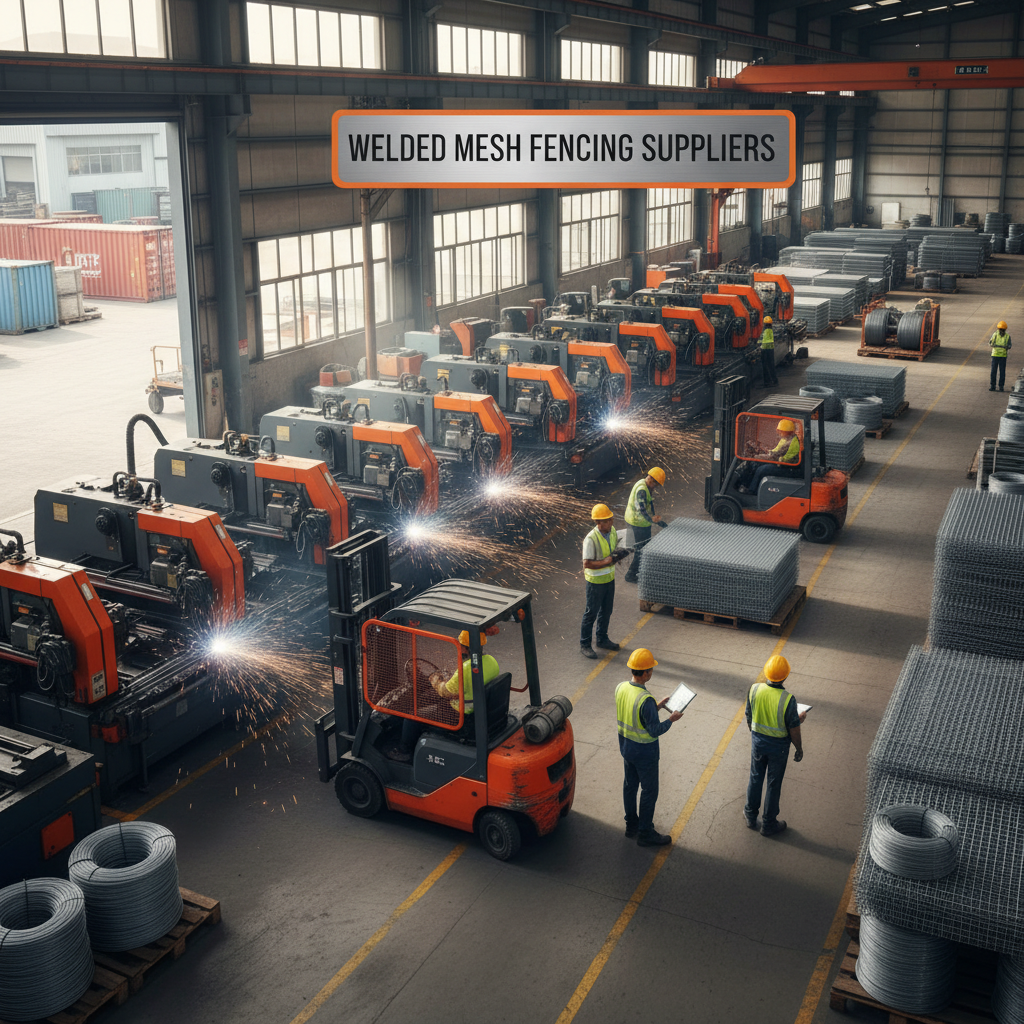
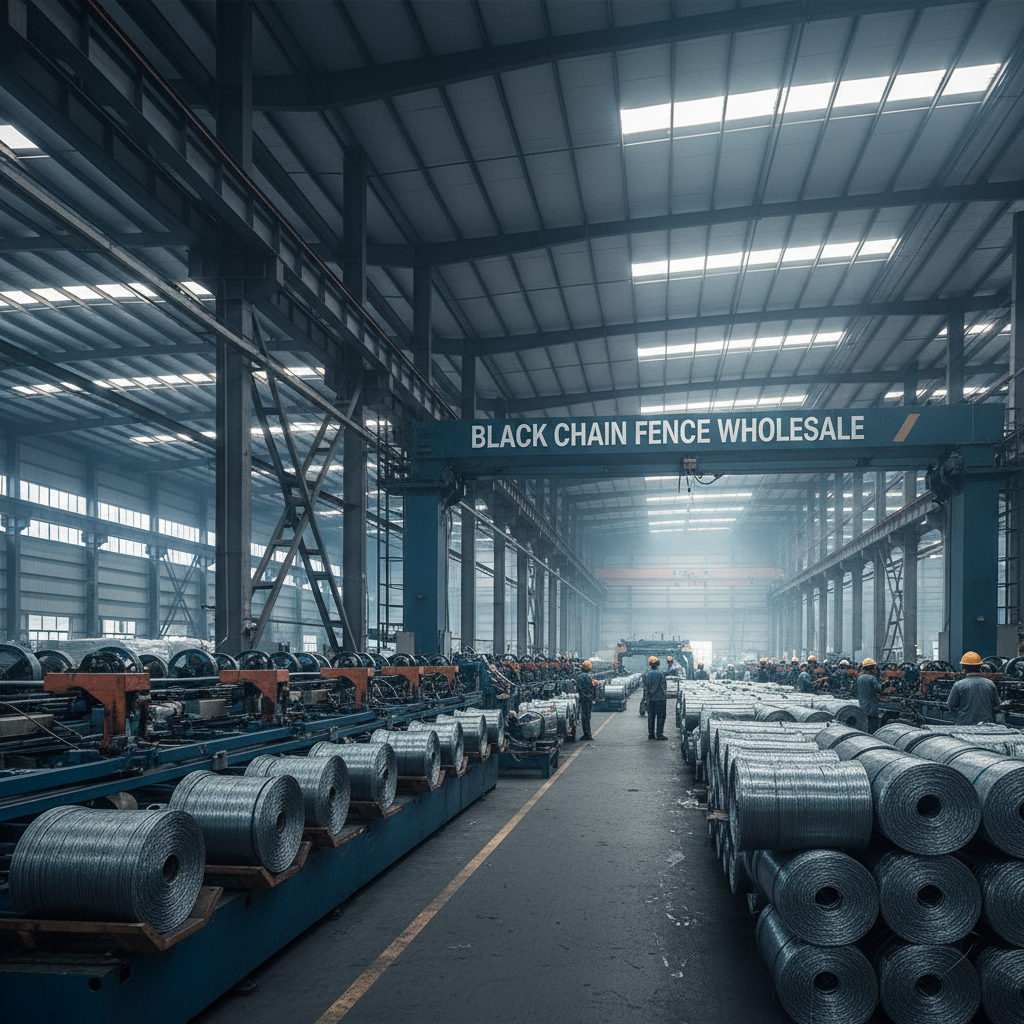
The manufacturing process also plays a pivotal role. Automated welding machines ensure consistent weld strength and accuracy, while quality control measures throughout the production process guarantee adherence to industry standards. Reputable welded mesh fencing suppliers invest in advanced manufacturing technologies and rigorous quality assurance protocols to deliver superior products.
Furthermore, the accessories used in conjunction with the mesh, such as tension wires, brackets, and gates, significantly impact the functionality and longevity of the fence. Choosing compatible and high-quality accessories is essential for creating a secure and reliable perimeter system.
Key Factors Influencing Supplier Selection
Selecting the right supplier requires careful consideration of several key factors. Durability is paramount, especially in harsh climates or high-security applications. The quality of the welding, the gauge of the wire, and the protective coating all contribute to the fence’s resistance to corrosion and damage.
Scalability is also a crucial aspect. Can the supplier readily accommodate large orders and provide consistent delivery schedules? Cost efficiency is, of course, important, but it shouldn't come at the expense of quality. Reputation and experience are indicators of a supplier’s reliability and ability to meet project requirements.
Supplier Evaluation Criteria
Real-World Applications Across Industries
Welded mesh fencing finds application in a surprisingly diverse range of industries. Agriculture benefits from secure livestock containment, protecting crops, and preventing unauthorized access. Construction utilizes fencing for site security, material storage, and worker safety.
Security firms rely on high-security welded mesh fencing to create robust perimeter defenses for industrial facilities, government buildings, and critical infrastructure. In post-disaster relief operations, it can be quickly deployed to create temporary shelters or secure aid distribution points. In remote industrial zones, welded mesh fencing suppliers provide vital perimeter security.
Advantages and Long-Term Value Proposition
The advantages of utilizing welded mesh fencing extend beyond initial cost savings. Its durability minimizes the need for frequent repairs or replacements, resulting in lower lifecycle costs. The material's inherent resistance to corrosion reduces maintenance requirements and prolongs the fence’s lifespan.
From a sustainability standpoint, steel is a readily recyclable material, reducing the environmental impact. The psychological benefits of a secure perimeter – fostering a sense of safety and well-being – should not be overlooked. Investing in quality welded mesh fencing demonstrates a commitment to security, reliability, and long-term value.
Future Trends and Innovations in the Sector
The welded mesh fencing industry is undergoing continuous innovation. Advancements in coating technologies are enhancing corrosion resistance and extending fence lifespan. The integration of smart fencing solutions—incorporating sensors, cameras, and alarms—is transforming perimeter security.
There's a growing emphasis on sustainable materials and manufacturing processes, reducing the environmental footprint of fencing products. Automation in the manufacturing process is increasing efficiency and lowering production costs. Furthermore, the development of specialized mesh designs tailored to specific security threats is becoming increasingly prevalent.
Challenges and Potential Solutions
Despite its advantages, the welded mesh fencing sector faces certain challenges. Supply chain disruptions, fluctuating raw material costs, and competition from cheaper, lower-quality imports can pose difficulties. Ensuring consistent quality control across all suppliers remains a priority.
Potential solutions include diversifying sourcing strategies, investing in advanced manufacturing technologies to reduce costs, and strengthening quality control standards. Collaboration between welded mesh fencing suppliers and industry associations can foster innovation and address common challenges.
Summary of Challenges and Solutions in Welded Mesh Fencing Supply
| Challenge |
Impact on Suppliers |
Potential Solution |
Implementation Cost (1-10) |
| Raw Material Price Volatility |
Reduced Profit Margins |
Long-Term Contracts & Hedging |
6 |
| Supply Chain Disruptions |
Delivery Delays & Project Stalls |
Diversified Sourcing & Local Suppliers |
7 |
| Quality Control Consistency |
Reputational Damage & Warranty Claims |
Automated Inspection & Standardized Processes |
8 |
| Competition from Low-Cost Imports |
Price Pressure & Market Share Loss |
Focus on Value-Added Services & Quality |
5 |
| Skilled Labor Shortage |
Reduced Production Capacity |
Training Programs & Automation |
7 |
| Changing Regulatory Requirements |
Compliance Costs & Potential Penalties |
Proactive Compliance Monitoring & Industry Collaboration |
6 |
FAQS
Mesh aperture size significantly impacts the fencing's functionality. Smaller apertures offer increased security by preventing smaller objects or individuals from passing through. Larger apertures, while less secure, provide better ventilation and visibility. Consider the intended application—security level, containment needs, and aesthetic preferences—when selecting the appropriate aperture size. The type of animal you need to contain will also be a deciding factor.
Galvanization is a crucial process for protecting steel welded mesh fencing from corrosion. It involves coating the steel with a layer of zinc, which acts as a sacrificial barrier, preventing rust formation. The thickness of the zinc coating directly correlates with the fencing’s lifespan. Heavier galvanization provides superior protection and extends the fence’s durability, particularly in harsh environments.
PVC coating adds an extra layer of protection against corrosion and provides a variety of color options. It enhances the aesthetic appeal of the fencing and can also offer additional UV protection. PVC coating is particularly beneficial in coastal environments or areas prone to chemical exposure, further extending the fence’s lifespan and reducing maintenance requirements.
Lead times for large orders vary depending on the complexity of the project, the supplier's current workload, and the availability of raw materials. Typically, lead times range from 4 to 8 weeks. It's essential to discuss your project requirements with the supplier well in advance to obtain an accurate estimate and ensure timely delivery. Discussing specifics such as coating type and specific dimensions is crucial.
Look for suppliers that adhere to recognized industry standards such as ISO 9001 and provide certifications of compliance. Request material test reports to verify the quality and specifications of the steel and coatings. A reputable welded mesh fencing suppliers will be transparent about their manufacturing processes and quality control procedures.
Common post materials include steel, wood, and concrete. Steel posts offer high strength and durability but can be susceptible to corrosion. Wood posts are cost-effective but require regular maintenance and are prone to rot. Concrete posts provide exceptional stability and longevity but are heavier and more expensive. The best choice depends on the specific application, budget, and environmental conditions.
Conclusion
Welded mesh fencing suppliers are integral to a wide range of industries, providing essential security, containment, and protection solutions. Understanding the core components, key factors influencing supplier selection, and future trends is crucial for making informed decisions. Choosing a reputable supplier who prioritizes quality, durability, and customer service is paramount to ensuring long-term project success.
Looking ahead, the welded mesh fencing industry will continue to evolve, driven by innovation in materials, manufacturing processes, and smart technology integration. By embracing these advancements and prioritizing sustainability, the sector can continue to meet the evolving needs of a dynamic global landscape. Visit our website at www.tywiremesh.com to learn more about our products and services.
 TEL:
+86-13102802206
TEL:
+86-13102802206
 Email:
fencenetting@china.com
Email:
fencenetting@china.com
 Language