TEL:
+86-13102802206
TEL:
+86-13102802206
 Email:
fencenetting@china.com
Email:
fencenetting@china.com
 Language
TEL:
+86-13102802206
Email:
fencenetting@china.com
Language
Language
TEL:
+86-13102802206
Email:
fencenetting@china.com
Language


As perimeter protection, livestock control, and agricultural demands escalate worldwide, knotted fence systems—particularly fixed knot fence and high tensile fixed knot wire fencing—have evolved into state-of-the-art wire mesh solutions. This comprehensive guide explores the technical parameters, technological advancements, real-world applications, and comparative advantages of knotted fence solutions, drawing on recent data, standardized references, and field-proven successes across industries.
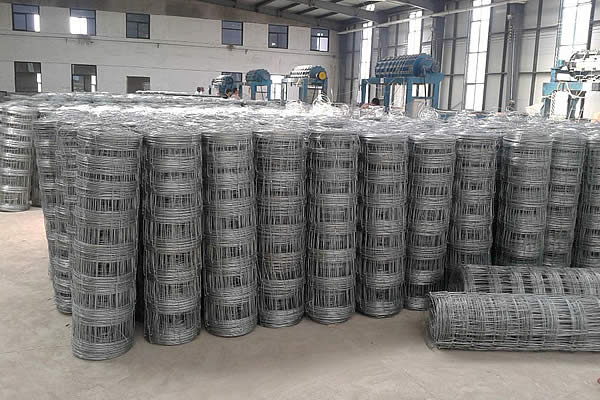
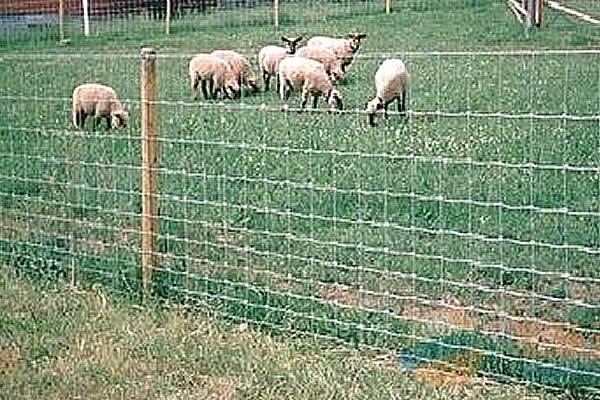
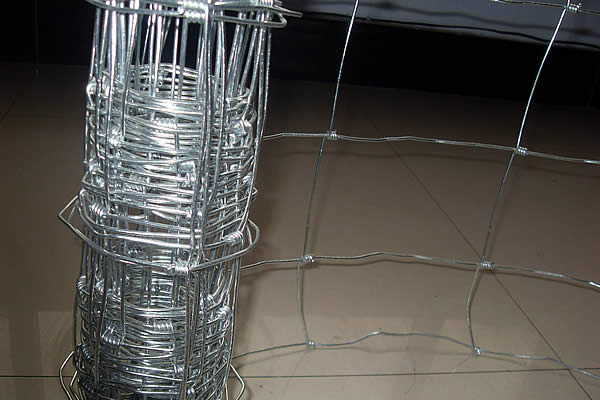
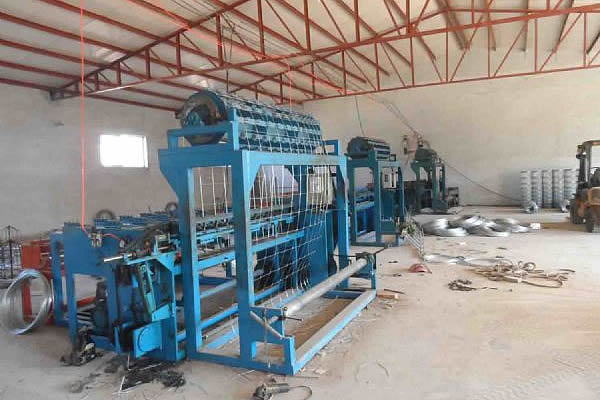
*Schematic: Knotted Fence Production Flow – from raw wire to finished coil.
| Specification | Knotted Fence (Fixed Knot) |
Woven Wire Fence | Barbed Wire Fence | Knot Wood Fencing |
|---|---|---|---|---|
| Wire Gauge (mm) | 2.0–3.5 | 1.8–2.5 | 1.6–2.0 | / |
| Tensile Strength (N/mm²) | >1200 | 900–1100 | 400–600 | 50–70 |
| Corrosion Resistance | Class 3 Galvanized or Zn-Al Alloy (ISO, ASTM A116) | Class 1/2 Galvanized | Zinc coated, low | Painted/Treated |
| Typical Application Life | 30–50 Years | 10–25 Years | 5–10 Years | 5–20 Years |
| Knot Type | Fixed Knot | Hinge Joint | Twist/Barb | Wood Joint |
| Anti-Animal Impact | ★★★★★ | ★★★ | ★★ | ★★ |
| Maintenance | Minimal | Moderate | Frequent | Paint/Repair |
| Standard Compliance | ISO 9001, ASTM A116 | ASTM A116 | ASTM A121 | ANSI/CSA |
| Feature | TYWireMesh (OEM/ODM) |
Redbrand | Stay-Tuff | Standard Market |
|---|---|---|---|---|
| Wire Diameter | 2.0, 2.5, 3.0, 3.5 mm (customizable) | 2.5, 3.0 mm | 2.5, 2.8, 3.0 mm | 2.5 mm |
| Tensile Strength | 1200–1450 N/mm² | 1050–1300 N/mm² | 1200 N/mm² | 900–1100 N/mm² |
| Surface Treatment | Class 3 zinc/Alu-Zn/PVC/Color | Class 3 zinc | Class 1/2/3 zinc | Galv only |
| Certification | ISO, ASTM, Custom Test Reports | ASTM, ISO | ISO | Standard Local |
| MOQ | 50 Rolls (Negotiable) | 100 Rolls | 50 Rolls | - |
| Lead Time | 7-25 Days | 30 Days+ | 14-28 Days | >30 Days |
Client: Willow Valley Ranch
Requirements: 12,000 meters of high tensile knotted fence for rotational grazing on mixed terrain; corrosion-proof, resistant to Brahman and Angus herds.
Results: All installations passed ASTM A116 and Texas Department of Agriculture standards. No animal escapes or breakage after 18 months (+ severe thunderstorm season). Routine maintenance cost reduced by ~42% compared to prior hinge joint fence.
Scope: Perimeter fencing for 110-hectare apple orchard (Hungary).
Solution: ISO-certified fixed knot fencing (1800mm H, graduated mesh).
Feedback: Zero deer ingress; measurable increase in crop yields. After 1 winter: no corrosion, no mesh slack, confirmed via ISO/ASTM inspection.
| Model | Height (cm) | Wire Dia (mm) | Mesh Opening (cm) | Roll Length (m) | Knot Type | Finish |
|---|---|---|---|---|---|---|
| TY-KF120 | 120 | 2.5/2.2 | 15x15 / 15x30 | 100/200 | Fixed | Galv/Zn-Al |
| TY-KF180 | 180 | 3.0/2.8 | 15x30 / 30x30 | 50/100 | Fixed / S-Knot | Galv/PVC |
| TY-KF220 | 220 | 3.5/3.0 | 15x30 / 15x45 | 50 | Fixed | Galv |
| TY-KF250 | 250 | 3.5 | 30x30 | 25 | Fixed | Zn-Al |
Q1: What is the difference between fixed knot fence and traditional hinge joint fence?
A1: Fixed knot fence utilizes a solid, mechanical knot tying vertical and line wires together for optimum rigidity and security, resulting in minimal slip and extra resistance to animal pressure, unlike hinge joints that loosen over time.
Q2: Which material standard ensures maximum corrosion resistance?
A2: Class 3 Galvanized wires (min. 240g/m² Zn) per ASTM A116, or Zn-Al alloy as per EN 10244 and ISO 1461, provide best anti-corrosion performance for harsh outdoor applications.
Q3: What tensile strength is recommended for wildlife and cattle fencing?
A3: For large animals or deer, use high tensile wires rated at 1200–1450 N/mm², preventing deformation and animal escapes.
Q4: How is mesh size selected for different applications?
A4: Smaller openings (e.g. 15x15cm) for deer/wildlife; 15x30cm or 30x30cm for cattle/sheep; graduated mesh for mixed herds or steep terrain.
Q5: What quality standards should be required for procurement?
A5: Demand ISO 9001 (factory), ASTM A116 or EN 10223-5 product, and third-party test reports on tensile/elongation/corrosion; request compliance certificates from supplier.
Q6: What are recommended installation practices for fixed knot fencing?
A6: Always tension on anchor posts, use ground staples for bottom line, allow expansion joints in climates with temperature swings, and follow line post intervals per ASTM/ISO recommendations.
Q7: What is the expected service life, and warranty offered?
A7: Premium knotted fence built to ISO/ASTM lasts 30–50 years. TYWireMesh offers 10-year limited warranty and technical support for all fixed knot fencing.