TEL:
+86-13102802206
TEL:
+86-13102802206
 Email:
fencenetting@china.com
Email:
fencenetting@china.com
 Language
TEL:
+86-13102802206
Email:
fencenetting@china.com
Language
Language
TEL:
+86-13102802206
Email:
fencenetting@china.com
Language


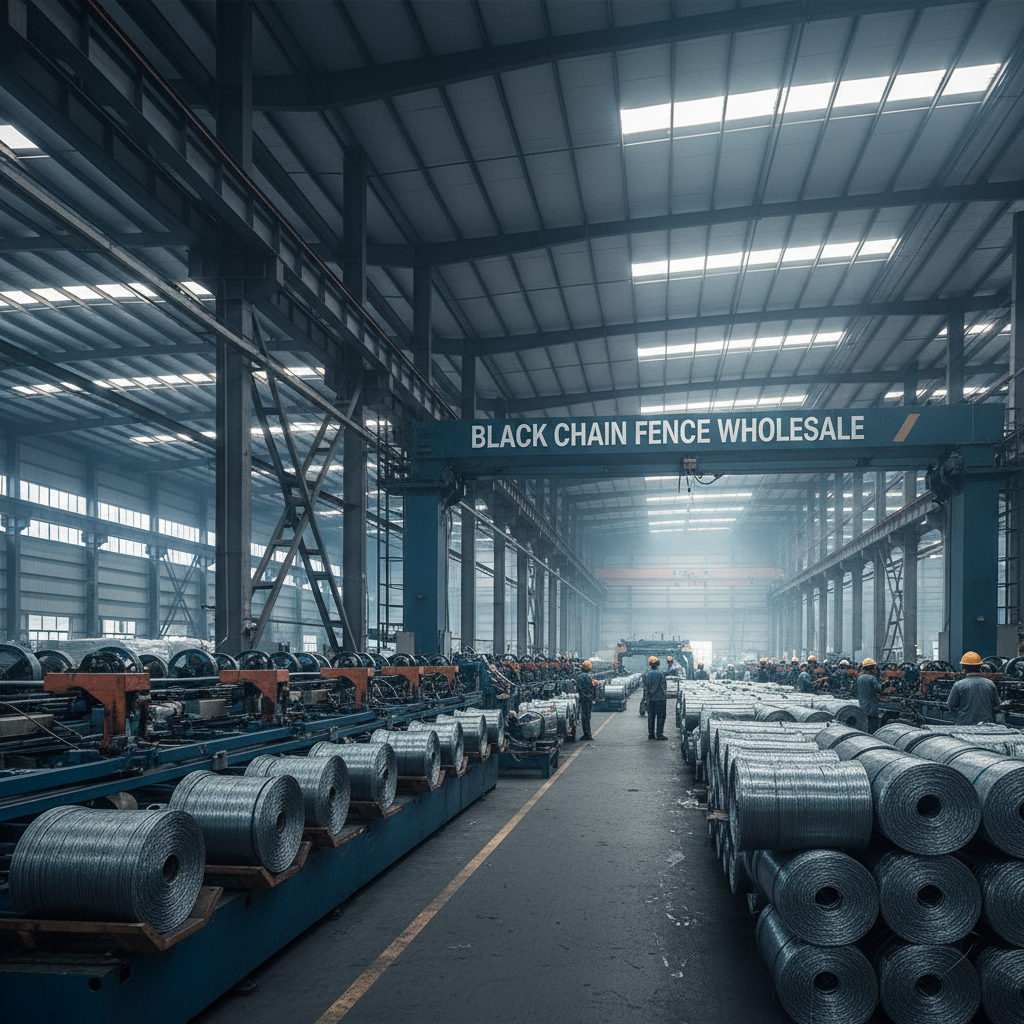
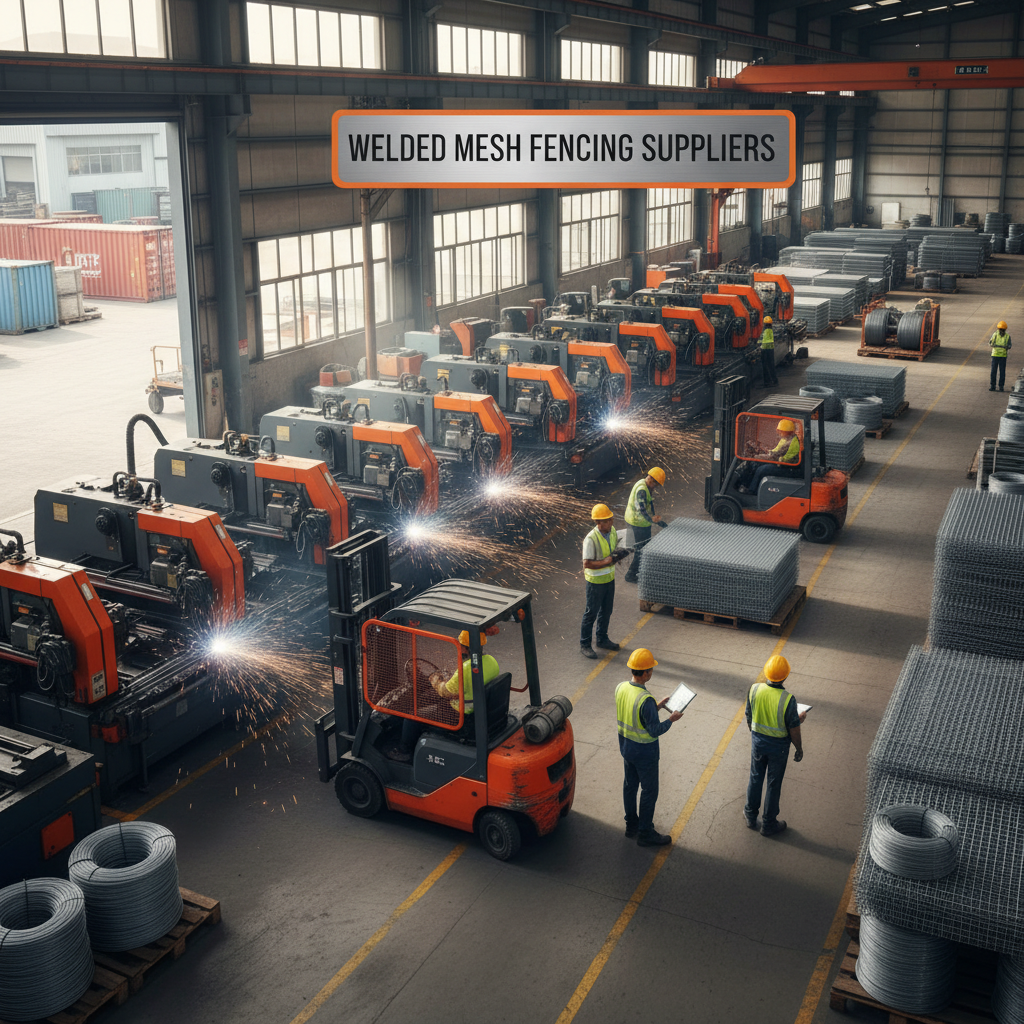
Chain link wire manufacturers play a critical, often unseen role in global infrastructure, security, and even disaster relief. These manufacturers are responsible for producing the woven wire fabric used in fencing, safety barriers, and various industrial applications. Their products offer a robust and cost-effective solution for perimeter security, agricultural containment, and public safety. Understanding the capabilities and innovations within the chain link wire manufacturing industry is vital for architects, contractors, governments, and anyone involved in projects requiring secure and durable enclosure solutions. chain link wire manufacturers are increasingly focusing on sustainable practices and enhanced product performance.
The global demand for chain link fencing and related products is substantial, driven by urbanization, industrial growth, and increasing security concerns. According to market research reports, the chain link fencing market is projected to continue its expansion in the coming years. The industry is constantly evolving, with manufacturers adopting new technologies to improve product quality, increase production efficiency, and reduce environmental impact. The role of these chain link wire manufacturers is expanding beyond simple fencing to include specialized applications like animal containment, erosion control, and even architectural features.
Furthermore, the efficiency and cost-effectiveness of chain link solutions make them a crucial component in responding to global challenges. From securing disaster relief sites to providing temporary enclosures for humanitarian aid, chain link wire manufacturers contribute significantly to global stability and safety. The industry continues to adapt to changing market needs and technological advancements, ensuring that it remains a vital supplier of essential materials.
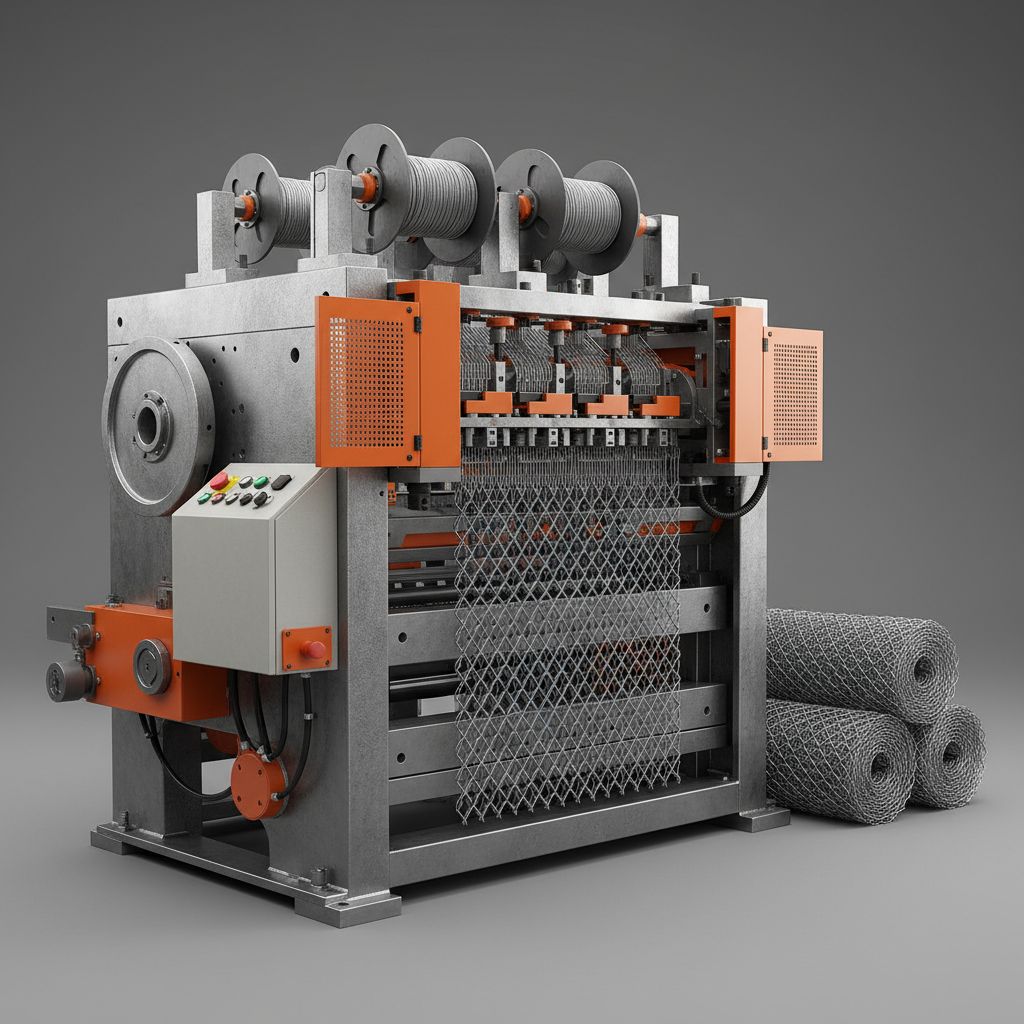
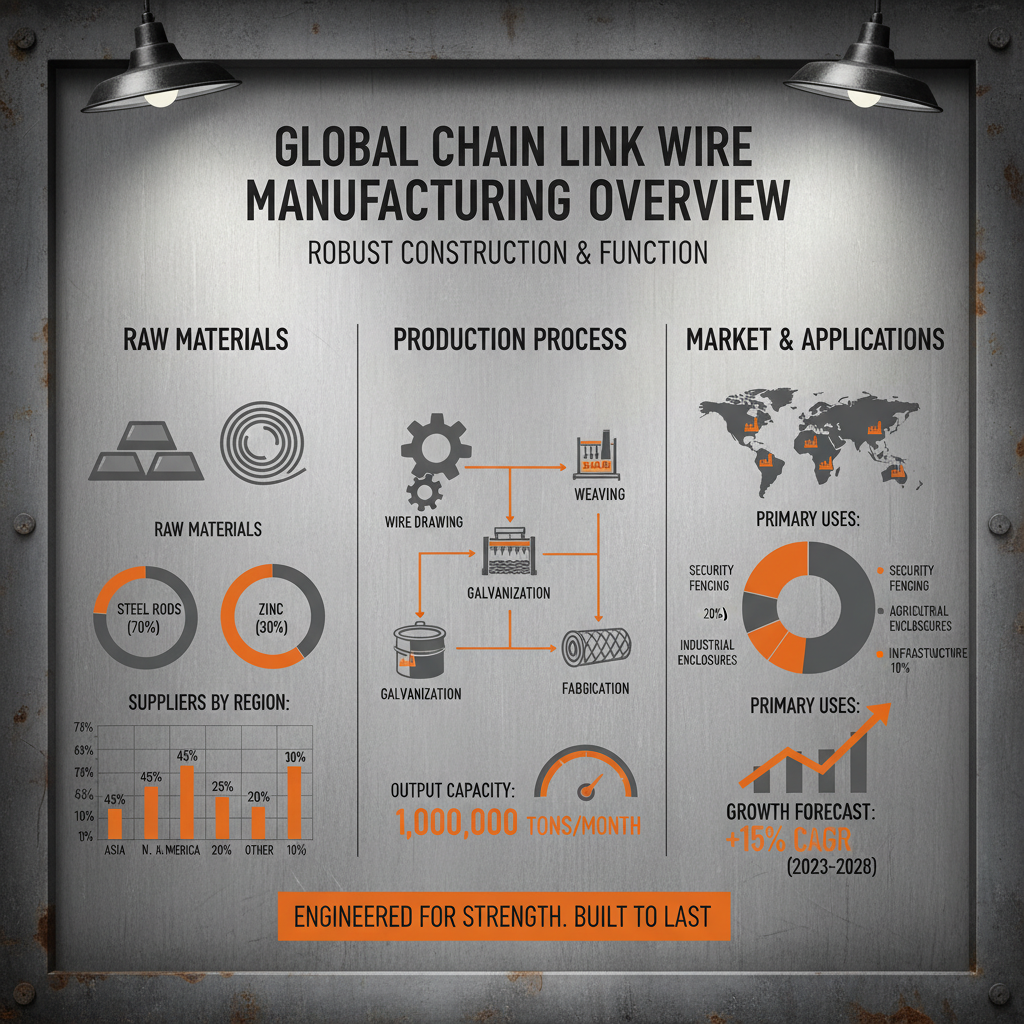
Chain link wire manufacturers are foundational to many aspects of modern infrastructure. Their products aren't simply about creating fences; they’re about providing security, defining boundaries, and enabling essential functions across diverse sectors. From safeguarding critical national infrastructure to providing safe play areas for children, the versatility of chain link fencing is undeniable. chain link wire manufacturers contribute to a safer and more organized world.
The quality and reliability of the materials produced by these manufacturers are paramount. Properly manufactured chain link provides a long-lasting, cost-effective barrier against intrusion, damage, and unauthorized access. This makes it an ideal solution for a wide range of applications, from residential properties to high-security facilities.
A properly installed and maintained chain link fence, especially those utilizing high-quality galvanization or PVC coating, can easily last 15-20 years, and even longer in less corrosive environments. Regular inspection and minor repairs, such as tightening tension wires and replacing damaged sections, can significantly extend the lifespan. Factors like climate, soil conditions, and the quality of materials used all play a role.
PVC coating adds to the initial cost of chain link fencing, typically around 15-30% more than galvanized steel. However, it significantly increases the fence’s resistance to corrosion, especially in harsh environments like coastal areas or industrial settings. This extended corrosion protection translates to a longer lifespan and reduces long-term maintenance costs, making it a cost-effective investment in many cases.
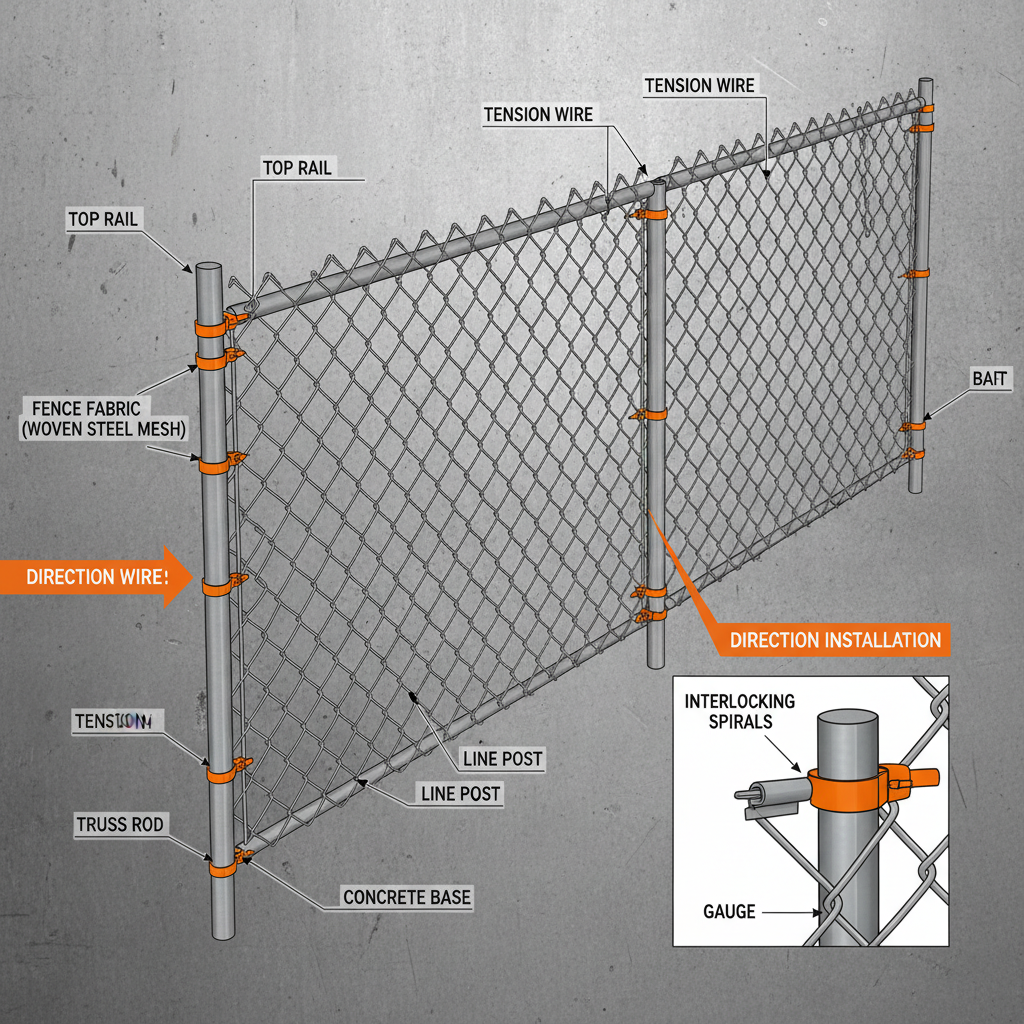
Chain link fabric gauge refers to the wire diameter, with lower gauge numbers indicating thicker wire. Common gauges range from 9 gauge (very heavy-duty) to 15 gauge (lighter-duty). Lower gauges offer greater strength and security, making them ideal for high-security applications. Higher gauges are suitable for residential or decorative fencing where security is less of a concern.
Galvanization is the process of coating steel with a layer of zinc to protect it from rust and corrosion. The zinc acts as a sacrificial layer, corroding before the underlying steel. This protective layer is created through either hot-dip galvanization, where steel is immersed in molten zinc, or electrogalvanization, where zinc is applied through an electrolytic process. Both methods provide effective corrosion protection for chain link fencing.
Yes, several eco-friendly options are becoming increasingly available. Choosing chain link manufactured with a high percentage of recycled steel reduces the demand for virgin materials. Opting for lead-free PVC coatings and supporting manufacturers with robust waste reduction and energy efficiency programs also contributes to sustainability. Furthermore, the long lifespan of chain link reduces the need for frequent replacements, minimizing waste.
Regular maintenance is crucial for extending the lifespan of a chain link fence. This includes periodically tightening tension wires, inspecting for and repairing any damaged sections of fabric or posts, removing vegetation growth that could cause corrosion, and cleaning the fence to remove dirt and debris. For PVC-coated fences, occasional washing with mild soap and water can help maintain their appearance.
Chain link wire manufacturers are essential contributors to global infrastructure, security, and sustainability. Their products offer a cost-effective, durable, and versatile solution for a wide range of applications, from residential fencing to high-security facilities. The industry is constantly evolving, driven by innovation and a growing focus on environmental responsibility. By understanding the key characteristics of high-quality chain link fabric and the trends shaping the industry, we can make informed decisions that ensure long-term value and a safer, more secure world.
Looking ahead, the future of chain link wire manufacturing lies in embracing sustainable practices, developing advanced materials, and leveraging digital technologies to optimize production and performance. By prioritizing innovation and environmental stewardship, chain link wire manufacturers can continue to play a vital role in building a more resilient and secure future for all. Visit our website today at www.tywiremesh.com to learn more about our products and services.