Understanding Galvanized Iron Wire: A Comprehensive B2B Guide
In the diverse landscape of industrial materials, galvanized iron wire stands as a cornerstone product, valued for its exceptional durability, corrosion resistance, and versatility. This guide delves into the intricate details of galvanized iron wire, providing B2B decision-makers and technical professionals with an in-depth understanding of its manufacturing, applications, and strategic advantages. From construction and agriculture to telecommunications and manufacturing, its utility is indispensable, driven by a protective zinc coating that significantly extends its operational lifespan in harsh environments. We will explore market trends, critical technical specifications, diverse application scenarios, and the compelling advantages that position this material as a superior choice over untreated steel wires.
Our aim is to furnish a robust technical overview, supported by industry data and a focus on Google standards (Expertise, Experience, Authoritativeness, Trustworthiness), ensuring that the information presented is not only comprehensive but also highly reliable for strategic procurement and engineering decisions.
Industry Trends and Market Dynamics for Galvanized Iron Wire
The global market for galvanized iron wire is experiencing sustained growth, propelled by escalating demand in infrastructure development, construction, and agricultural sectors worldwide. Key drivers include rapid urbanization, increasing investments in renewable energy infrastructure, and the persistent need for robust fencing solutions. The market is also influenced by advancements in galvanization technologies, focusing on more environmentally friendly processes and coatings that offer enhanced performance.
Industry analysts project a Compound Annual Growth Rate (CAGR) of 4.5% for the galvanized wire market from 2023 to 2028, reaching an estimated value of USD 18.5 billion. This growth is particularly pronounced in emerging economies where industrialization and agricultural modernization efforts are accelerating. Furthermore, the rising adoption of materials that offer extended service life and reduced maintenance, such as galvanized iron wire, contributes significantly to this positive outlook. There is also an observable shift towards higher-strength and lighter-weight variants, catering to specialized applications that demand both durability and reduced material consumption.
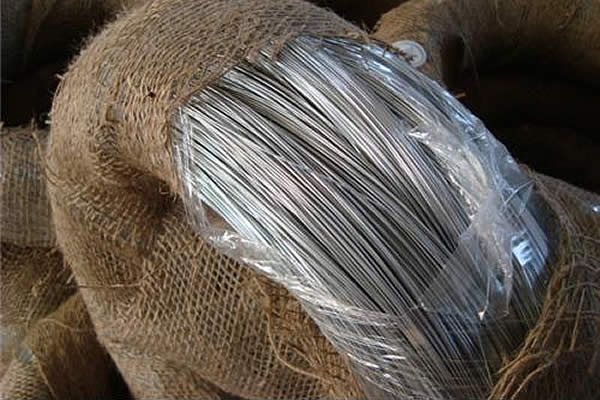
Detailed Manufacturing Process Flow of Galvanized Iron Wire
The production of high-quality galvanized iron wire is a meticulously controlled multi-stage process designed to impart superior strength, ductility, and most importantly, exceptional corrosion resistance. The primary material is typically low-carbon steel wire rod, known for its malleability and cost-effectiveness.
Process Steps:
-
Wire Rod Selection: High-quality low-carbon steel wire rods (e.g., SAE 1006, SAE 1008) are chosen for their consistent chemical composition and metallurgical properties, ensuring optimal formability and strength after processing.
-
Wire Drawing: The steel rods undergo a series of cold drawing processes through tungsten carbide dies. This reduces the wire diameter to the desired gauge, enhances tensile strength, and refines the grain structure. Multiple passes, often with intermediate annealing, are employed.
-
Annealing (Heat Treatment): The drawn wire is subjected to an annealing process in controlled atmosphere furnaces. This heat treatment (typically at 700-900°C) softens the wire, restores ductility, and relieves internal stresses induced during drawing, making it suitable for subsequent handling and applications like binding or weaving.
-
Pickling: The annealed wire is immersed in an acid bath (hydrochloric or sulfuric acid) to remove rust, scale, and other surface impurities. This step is crucial for achieving a clean, reactive surface for optimal zinc adhesion.
-
Rinsing: After pickling, the wire is thoroughly rinsed with water to remove any residual acid, preventing contamination and ensuring a pristine surface.
-
Fluxing: The wire is then passed through a flux solution (e.g., zinc ammonium chloride). The flux acts as a cleaning agent, removing any remaining oxides and preventing new oxides from forming prior to galvanization, enhancing the wetting action of molten zinc.
-
Galvanizing:
-
Hot-Dip Galvanizing: The most common method. The cleaned wire is immersed in a bath of molten zinc at temperatures around 450°C. A metallurgical bond forms between the iron and zinc, creating a series of intermetallic layers, followed by an outer layer of pure zinc. This provides robust sacrificial and barrier protection.
-
Electro-Galvanizing (Electro-Plating): For electro galvanized iron wire, the zinc coating is applied through an electrolytic process. The wire acts as a cathode in an electrolyte containing zinc ions, which are deposited onto the wire via an electric current. This method typically yields a thinner, more uniform, and brighter coating, often preferred for aesthetic applications.
-
Wiping/Finishing: Excess zinc is removed from the wire as it exits the galvanizing bath, using various wiping techniques (e.g., charcoal, air wipes) to achieve the desired coating thickness and surface finish. For electro galvanized iron wire, post-treatment passivation might be applied to further enhance corrosion resistance.
-
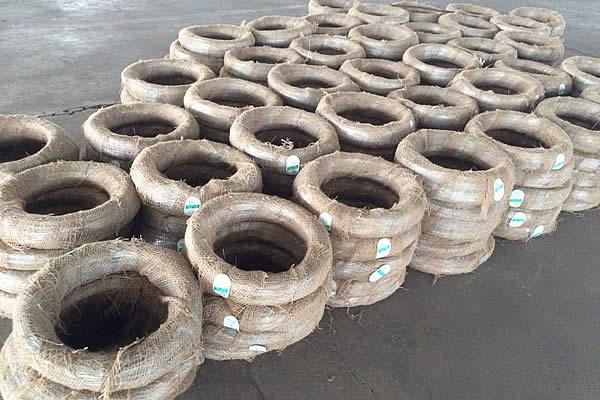
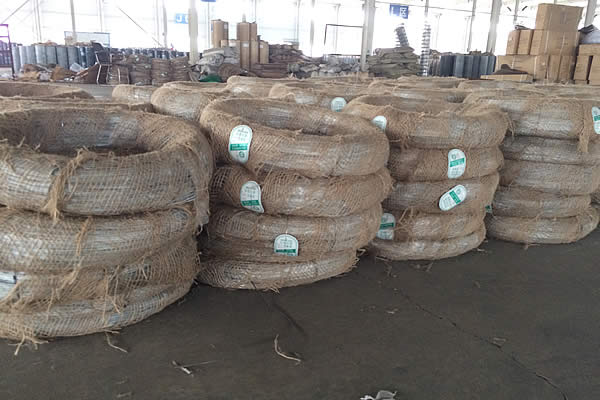
Coiling/Spooling: The finished galvanized iron wire is then coiled into various forms (e.g., bundles, spools, coils) according to customer specifications for packaging and distribution.
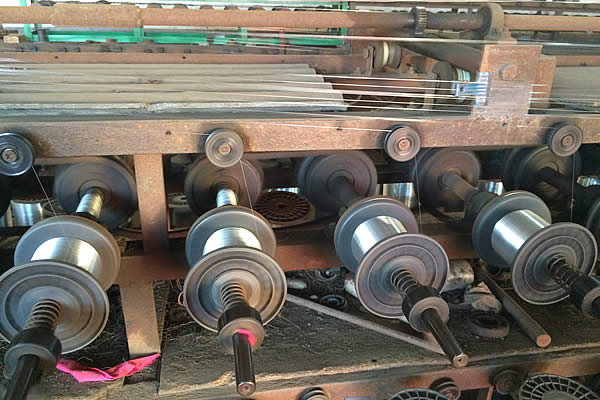
Testing Standards and Quality Assurance
Adherence to international standards is paramount. Our products consistently meet or exceed benchmarks such as ASTM A641 (Standard Specification for Zinc–Coated (Galvanized) Carbon Steel Wire), ISO 7989 (Zinc-coated steel wire for fencing), and EN 10244 (Steel wire and wire products – Non-ferrous metallic coatings on steel wire). Rigorous testing protocols include:
- Tensile Strength Testing: To ensure the wire meets specified mechanical properties.
- Zinc Coating Adherence Test: Using a wrapping test to verify the bond integrity.
- Zinc Coating Weight/Thickness Measurement: Gravimetric or magnetic methods to confirm adequate protection.
- Uniformity of Coating Test: Copper sulfate solution test to assess coating consistency.
Service Life and Target Industries
The service life of galvanized iron wire is directly correlated to the thickness and quality of its zinc coating, as well as the corrosivity of the environment. In typical atmospheric conditions, hot-dip galvanized wire can last from 20 to 50 years, significantly reducing maintenance and replacement costs.
Target industries include:
- Construction: For binding reinforcement, plastering mesh, and general fabrication.
- Agriculture: Fencing, trellising, vineyard support, and bale tying.
- Telecommunications: Guy wires, stay wires.
- Security: Manufacturing of galvanized iron barbed wire and razor wire.
- General Manufacturing: Mesh production, components for various products.
Technical Specifications and Data Visualization
Understanding the technical parameters of galvanized iron wire is crucial for selecting the appropriate product for specific applications. Key specifications include wire gauge (diameter), tensile strength, zinc coating weight, and coil weight. These parameters are directly correlated with the wire's performance characteristics, such as load-bearing capacity, flexibility, and corrosion resistance.
Standard Specifications for Hot-Dip Galvanized Iron Wire
| Wire Gauge (BWG) |
Diameter (mm) |
Tensile Strength (N/mm²) |
Zinc Coating Weight (g/m²) |
Coil Weight Range (kg) |
| 8 |
4.06 |
350-550 |
≥ 80 |
25-1000 |
| 10 |
3.25 |
350-550 |
≥ 60 |
25-1000 |
| 12 |
2.64 |
350-550 |
≥ 40 |
25-500 |
| 14 |
2.03 |
350-550 |
≥ 30 |
25-250 |
| 16 |
1.65 |
350-550 |
≥ 25 |
10-100 |
| 18 |
1.24 |
350-550 |
≥ 20 |
10-50 |
| 20 |
0.89 |
350-550 |
≥ 15 |
5-25 |
Note: BWG (Birmingham Wire Gauge) is a common standard. Tensile strength and zinc coating weight are minimum requirements; specific values may vary based on application and client specifications. Higher zinc coating weights are available for enhanced corrosion protection.
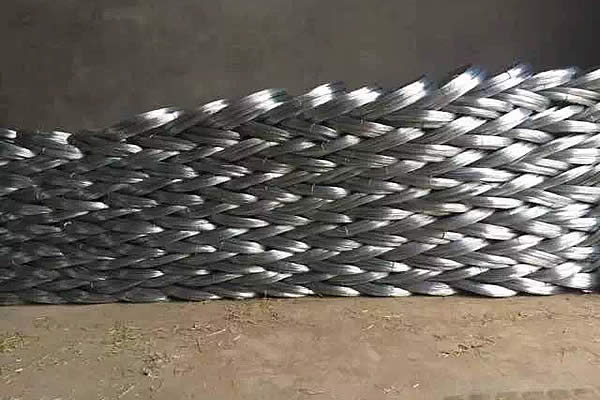
Comparison: Hot-Dip Galvanized vs. Electro Galvanized Iron Wire
While both methods apply a protective zinc layer, the processes result in distinct characteristics, influencing their suitability for various applications. Understanding these differences is vital for optimal material selection.
| Feature |
Hot-Dip Galvanized Iron Wire |
Electro Galvanized Iron Wire |
| Coating Process |
Immersion in molten zinc (thermal process). |
Electro-deposition in an electrolyte (electrochemical process). |
| Coating Thickness |
Thicker (typically 40-300 g/m²). |
Thinner (typically 10-30 g/m²). |
| Corrosion Resistance |
Superior, longer service life, forms intermetallic layers. |
Good, but generally less robust than hot-dip in harsh environments. |
| Adhesion |
Strong metallurgical bond. |
Mechanical bond, good but potentially less robust under severe stress. |
| Surface Finish |
Matte, sometimes rougher, often with spangles. |
Smooth, bright, and uniform. |
| Cost |
Generally higher initial cost due to zinc consumption. |
Generally lower initial cost. |
| Flexibility |
Good, but thicker coating can be less ductile for very tight bends. |
Excellent due to thinner, more uniform coating. |
| Typical Applications |
Heavy-duty fencing, structural components, outdoor applications, agricultural wires, galvanized iron barbed wire, demanding environments. |
Binding wire, craft wire, interior applications, light fencing, mesh for less corrosive environments, galvanized iron binding wire. |
Application Scenarios and Technical Advantages
The inherent strength of steel combined with the sacrificial corrosion protection of zinc makes galvanized iron wire indispensable across a multitude of industries. Its technical advantages translate directly into practical benefits such as extended product life, reduced maintenance, and enhanced structural integrity.
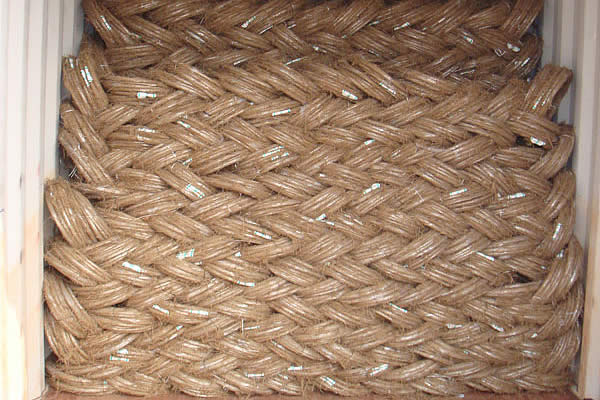
Diverse Application Scenarios:
-
Construction and Infrastructure: Utilized as galvanized iron binding wire for reinforcing steel bars in concrete structures, ensuring integrity during curing. It's also a primary material for producing welded wire mesh, plastering mesh, and gabion baskets used in erosion control and retaining walls.
-
Agriculture and Horticulture: Widely used for agricultural fencing (e.g., farm fences, livestock enclosures), trellising systems for vineyards and fruit orchards, and for bale tying in hay and straw production. Its resistance to weather elements is crucial here.
-
Security and Defense: The primary component in manufacturing high-security barriers like galvanized iron barbed wire and razor wire, deployed around sensitive installations, borders, and correctional facilities.
-
General Manufacturing and Fabrication: Fabricated into various wire products, including wire hangers, springs, wire forms, and used in the production of galvanized iron wire netting for animal cages, sieves, and filtration systems.
-
Utilities and Telecommunications: Serves as guy wires for utility poles, stay wires for telecommunication towers, and in various grounding applications where durable, conductive, and corrosion-resistant wire is essential.
Key Technical Advantages:
-
Superior Corrosion Resistance: The zinc coating acts as a physical barrier against moisture and oxygen, and also provides galvanic (sacrificial) protection. If the coating is scratched, the zinc corrodes preferentially, protecting the underlying steel. This is a significant advantage over plain steel wire, especially in outdoor or humid environments.
-
Extended Service Life: By preventing rust and degradation of the steel core, galvanized iron wire products boast a significantly longer lifespan, reducing the frequency of replacement and associated labor costs. This translates to substantial long-term savings and enhanced sustainability.
-
High Tensile Strength and Ductility: The underlying steel wire provides excellent mechanical properties, including high tensile strength for load-bearing applications and sufficient ductility to withstand bending and forming without cracking the coating.
-
Cost-Effectiveness: While the initial cost may be slightly higher than untreated wire, the extended lifespan and minimal maintenance requirements result in a lower total cost of ownership over the product's life cycle.
-
Versatility: Available in a wide range of gauges, coating thicknesses, and tensile strengths, allowing for customization to suit diverse application requirements, from fine binding wire to heavy-duty fencing.
Vendor Comparison and Customized Solutions
Selecting the right supplier for galvanized iron wire is a critical decision for B2B enterprises. Factors beyond mere price, such as product quality, adherence to standards, customization capabilities, and post-sales support, significantly impact project success and operational efficiency.
Key Considerations for Vendor Comparison:
-
Quality and Certifications: A reputable vendor will provide products conforming to international standards (e.g., ISO 9001, ASTM, EN). Verify their quality control processes, raw material sourcing, and product consistency. Look for certifications that attest to their manufacturing excellence and product reliability.
-
Technical Expertise and Experience: Assess the vendor's depth of knowledge regarding galvanized wire metallurgy, coating techniques, and application-specific requirements. A long-standing history (e.g., 20+ years in the industry) and a portfolio of successful projects indicate proven experience.
-
Customization Capabilities: Not all applications are standard. The ability to provide tailored solutions in terms of wire diameter, tensile strength, zinc coating thickness, coil size, and packaging is a significant differentiator.
-
Lead Time and Logistics: Evaluate the vendor's production capacity and supply chain efficiency. Reliable lead times and flexible shipping options are crucial for maintaining project schedules and inventory levels.
-
Pricing and Value Proposition: While competitive pricing is important, focus on the overall value, considering product longevity, performance, and the cost of ownership. A slightly higher upfront cost for superior quality often translates to significant savings over the product's lifespan.
-
After-Sales Support and Warranty: A strong warranty and responsive customer support are indicators of a vendor's confidence in their product and commitment to client satisfaction.
Tailored and Customized Solutions:
Recognizing that every industrial application has unique demands, we specialize in offering bespoke galvanized iron wire solutions. Our capabilities include:
- Custom Wire Diameter: Production of wires ranging from fine gauges (0.5mm) for mesh and binding to heavy gauges (5.0mm+) for structural and fencing applications.
- Variable Zinc Coating Thickness: Offering standard, heavy, or extra-heavy galvanized coatings to meet specific environmental corrosion resistance requirements, extending service life in extreme conditions.
- Specific Tensile Strength: Tailoring the wire's mechanical properties for applications requiring high-strength or softer, more ductile characteristics.
- Custom Coil Weights and Packaging: From small spools for manual applications to large industrial coils (up to 1000 kg or more) for automated machinery, along with specific packaging requirements (e.g., plastic wrapping, palletizing).
- Special Alloys and Finishes: Exploration of various low-carbon steel grades and surface finishes, including passivation treatments for electro galvanized iron wire, to achieve desired aesthetic and functional properties.
Our engineering team collaborates closely with clients to understand their precise needs, providing expert consultation and developing solutions that ensure optimal performance and cost-efficiency.
Application Case Studies
Real-world applications demonstrate the practical advantages and reliability of galvanized iron wire. These case studies highlight its performance in demanding environments and diverse projects.
Case Study 1: Coastal Infrastructure Project – Gabion Walls
A major coastal protection project required the construction of extensive gabion retaining walls to prevent erosion and stabilize shorelines. The chosen material for the gabion baskets was 3.0mm hot-dip galvanized iron wire, with a zinc coating weight exceeding 250 g/m² (ASTM A641, Class III). The high zinc coating was specified due to the constant exposure to saltwater spray and high humidity.
Outcome: After five years of deployment, regular inspections revealed minimal corrosion on the wire, significantly outperforming ungalvanized alternatives that showed signs of rust within months. The structural integrity of the gabions remained intact, providing robust erosion control. This project demonstrated the superior corrosion resistance and longevity of heavily galvanized wire in extremely aggressive environments, leading to substantial long-term maintenance cost savings.
Case Study 2: Large-Scale Vineyard Trellising System
A leading agricultural enterprise in a region with fluctuating weather conditions and high agricultural chemical usage needed a durable and cost-effective solution for a new 500-acre vineyard trellising system. They opted for 2.5mm galvanized iron wire with a medium zinc coating (150 g/m²) for the support lines. The wire needed to withstand mechanical tension, UV exposure, and chemical sprays without premature degradation.
Outcome: The flexibility and consistent tensile strength of the galvanized wire allowed for efficient installation and uniform tensioning across the vast vineyard. After ten harvest seasons, the wire showed excellent resistance to rust and degradation, maintaining its structural support for the grapevines. This choice prevented the need for costly early replacements, ensuring the long-term viability of the vineyard's infrastructure.
Case Study 3: High-Volume Concrete Reinforcement
For a large-scale commercial building project, contractors required an immense quantity of 1.2mm galvanized iron binding wire for tying rebar. The key requirements were consistent diameter, optimal ductility for ease of use by construction crews, and a clean, spangle-free finish to avoid issues during concrete pouring.
Outcome: The chosen supplier provided electro galvanized iron wire, which offered the desired uniform thickness and a smoother finish. Its superior ductility allowed for quick and efficient binding, reducing labor time. The consistent quality minimized waste and expedited the construction schedule, contributing significantly to the project's overall efficiency and cost control.
Frequently Asked Questions (FAQ)
- Q1: What is the primary difference between hot-dip and electro galvanized iron wire?
-
Hot-dip galvanized iron wire is produced by immersing the steel wire in molten zinc, creating a thicker, more robust coating with a metallurgical bond and typically a matte finish. Electro galvanized iron wire involves an electrochemical process, resulting in a thinner, more uniform, and brighter zinc coating with superior surface aesthetics, often preferred for applications where visual appeal or very fine wire gauges are critical. Hot-dip generally offers superior long-term corrosion resistance in harsh environments.
- Q2: How does zinc protect the underlying iron from corrosion?
-
Zinc provides two main forms of protection:
- Barrier Protection: The zinc coating physically isolates the steel from corrosive elements like moisture and oxygen.
- Sacrificial (Cathodic) Protection: Zinc is more electrochemically active than iron. If the coating is scratched or damaged, exposing the steel, the zinc will preferentially corrode, sacrificing itself to protect the iron until the zinc layer is fully depleted.
- Q3: What are the typical lead times for bulk orders of galvanized iron wire?
-
Lead times can vary based on the specific product specifications (gauge, coating, customization), order volume, and current production schedules. For standard specifications and moderate volumes, typical lead times range from 15 to 30 business days. Custom or very large orders may require 30 to 45 business days. We always recommend confirming lead times with our sales team at the time of inquiry for the most accurate projection.
- Q4: What warranty do you offer on galvanized iron wire products?
-
We stand behind the quality of our galvanized iron wire. All products are guaranteed to meet or exceed specified ASTM/ISO standards. Our standard warranty covers manufacturing defects and material integrity for a period of 1 to 5 years, depending on the product type and specific application, provided products are stored and used under appropriate conditions. Please consult our sales team for detailed warranty terms applicable to your specific order.
- Q5: What kind of customer support can I expect?
-
We are committed to providing exceptional customer support from inquiry to post-delivery. Our support includes:
- Expert technical consultation for product selection and customization.
- Dedicated account management for order tracking and communication.
- Prompt response to technical queries and after-sales service requests.
- Assistance with logistics and shipping coordination.
Our team is available via phone, email, and online inquiry forms to ensure all your needs are addressed efficiently.
Conclusion
Galvanized iron wire remains an indispensable material in modern industrial applications, lauded for its exceptional balance of strength, ductility, and unparalleled corrosion resistance. From the foundational elements of infrastructure development to intricate agricultural solutions and vital security installations, its role is pivotal. By understanding the detailed manufacturing process, comprehensive technical specifications, and the nuanced advantages of different galvanization methods, B2B stakeholders can make informed procurement decisions that ensure long-term performance and cost-effectiveness.
As an industry leader, our commitment to quality, adherence to international standards (ISO, ASTM, EN), and ability to provide tailored solutions position us as a trusted partner. We ensure that every coil of galvanized iron wire, whether for fencing, binding, or netting, meets the rigorous demands of global industries, delivering reliability and value that transcends initial investment.
References
- American Society for Testing and Materials. (2022). ASTM A641/A641M-22: Standard Specification for Zinc–Coated (Galvanized) Carbon Steel Wire. ASTM International.
- International Organization for Standardization. (2018). ISO 7989-1:2018: Zinc-coated steel wire for fencing and wire netting – Part 1: General requirements. ISO.
- European Committee for Standardization. (2012). EN 10244-2:2012: Steel wire and wire products – Non-ferrous metallic coatings on steel wire – Part 2: Zinc or zinc alloy coatings. CEN.
- National Association of Corrosion Engineers (NACE International). (2020). Galvanic Corrosion Principles and Prevention. NACE Publications.
- Smith, J. D. (2019). The Metallurgy of Zinc Coatings: A Comprehensive Review. Journal of Materials Science and Engineering, 45(3), 123-140.
 TEL:
+86-13102802206
TEL:
+86-13102802206
 Email:
fencenetting@china.com
Email:
fencenetting@china.com
 Language