Chain link fence, a staple in security and containment, has evolved from a simple barrier to a versatile solution used globally. Its fundamental design – interwoven steel wires forming a diamond pattern – provides robust, cost-effective protection for a wide range of applications. Understanding the intricacies of chain fence, from material composition to installation techniques, is crucial for ensuring long-term performance and security. This knowledge translates to optimized investments and peace of mind for property owners and security managers alike.
The demand for chain fence stems from its adaptability. Whether safeguarding residential properties, securing industrial sites, or controlling livestock, the applications are diverse. Global events, from infrastructure development to humanitarian crises, consistently drive the need for rapid deployment and reliable perimeter security, further cementing chain fence's importance. The ability to customize height, gauge, and coating makes it a tailored solution for varying security levels and environmental conditions.
Beyond simple containment, modern chain fence incorporates innovations like privacy slats, barbed wire tops, and specialized coatings to address increasingly complex security challenges. The growth of urbanization and the heightened awareness of safety and security continue to fuel the demand for effective, yet affordable, perimeter solutions, ensuring the continued relevance of chain fence in the 21st century.
The Core Principles of Chain Fence
The fundamental principle behind effective chain fence lies in its intertwined structure. This woven pattern distributes stress evenly, resulting in a resilient barrier that resists tearing and breaking. The interconnected links provide inherent flexibility, allowing the fence to conform to uneven ground and absorb impact without compromising its integrity.
Furthermore, the material selection is paramount. Galvanized steel is the industry standard, offering superior corrosion resistance. However, advancements in coating technologies, such as powder coating and PVC coating, enhance durability and aesthetics, expanding the lifespan and visual appeal of the chain fence. Proper installation, adhering to established guidelines, is equally critical to maximizing the system’s performance and security.
Historical Context and Global Adoption of Chain Fence
The origins of chain fence can be traced back to the late 19th century, initially utilized for agricultural purposes – containing livestock and establishing property boundaries. Its simplicity and cost-effectiveness quickly led to broader adoption, particularly in industrial settings requiring secure perimeters. As urbanization accelerated, the demand for reliable security solutions increased, further solidifying chain fence’s role in urban infrastructure.
Today, chain fence is a globally recognized standard, with varying levels of adoption across different regions. North America and Europe represent significant markets due to established infrastructure and security concerns. Developing nations are increasingly relying on chain fence for border control, infrastructure protection, and public safety initiatives. Organizations like the UN and NGOs often utilize chain fence for temporary security in disaster relief operations and refugee camps.
The consistent demand stems from the fact that chain fence provides a balance between affordability, durability, and ease of installation, making it a practical solution for a wide range of security needs across the globe.
Defining Chain Fence: Materials, Construction, and Standards
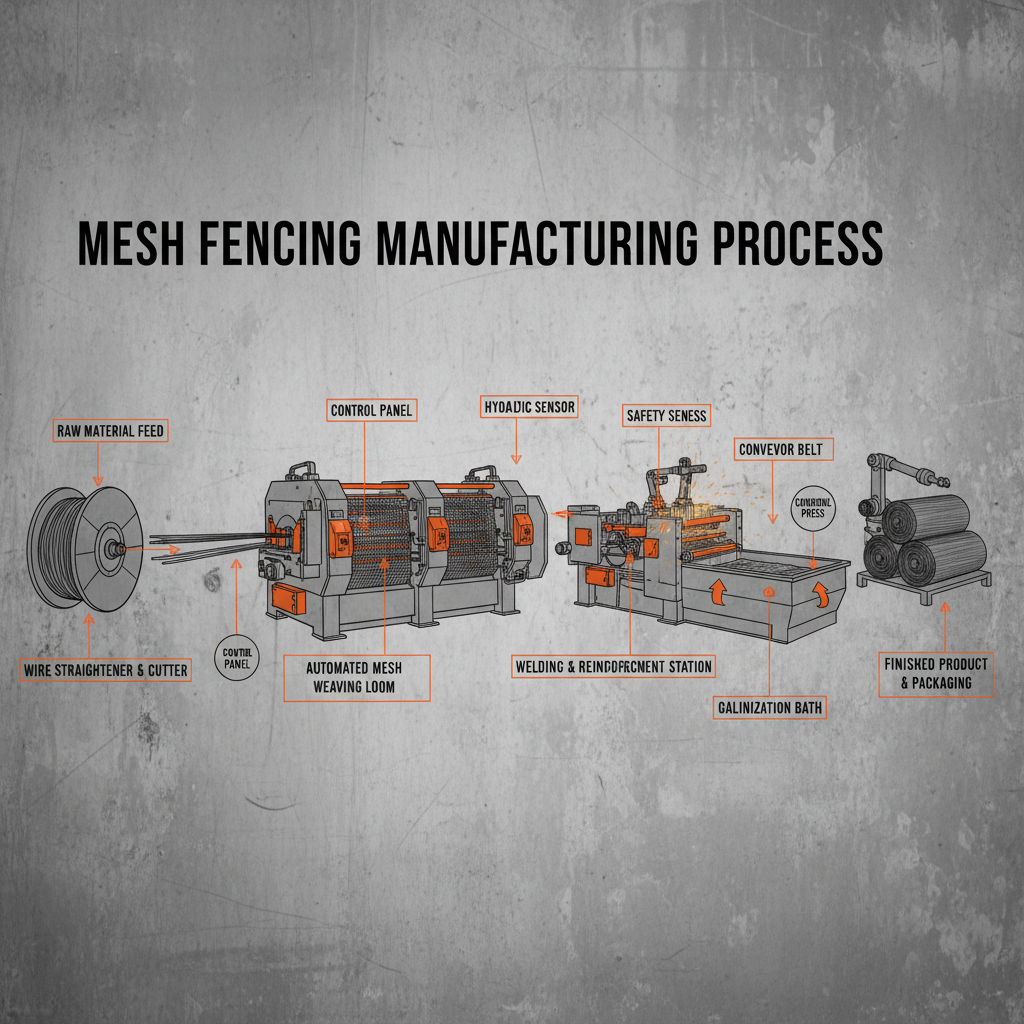
Chain fence is fundamentally constructed from interwoven galvanized or PVC-coated steel wires. The wire gauge, referring to the wire's thickness, is a crucial factor determining the fence's strength and resistance to cutting. Common gauges range from 9 to 11.5, with lower numbers indicating thicker, more robust wire. The mesh size, the distance between the wires, affects the level of security and visibility.
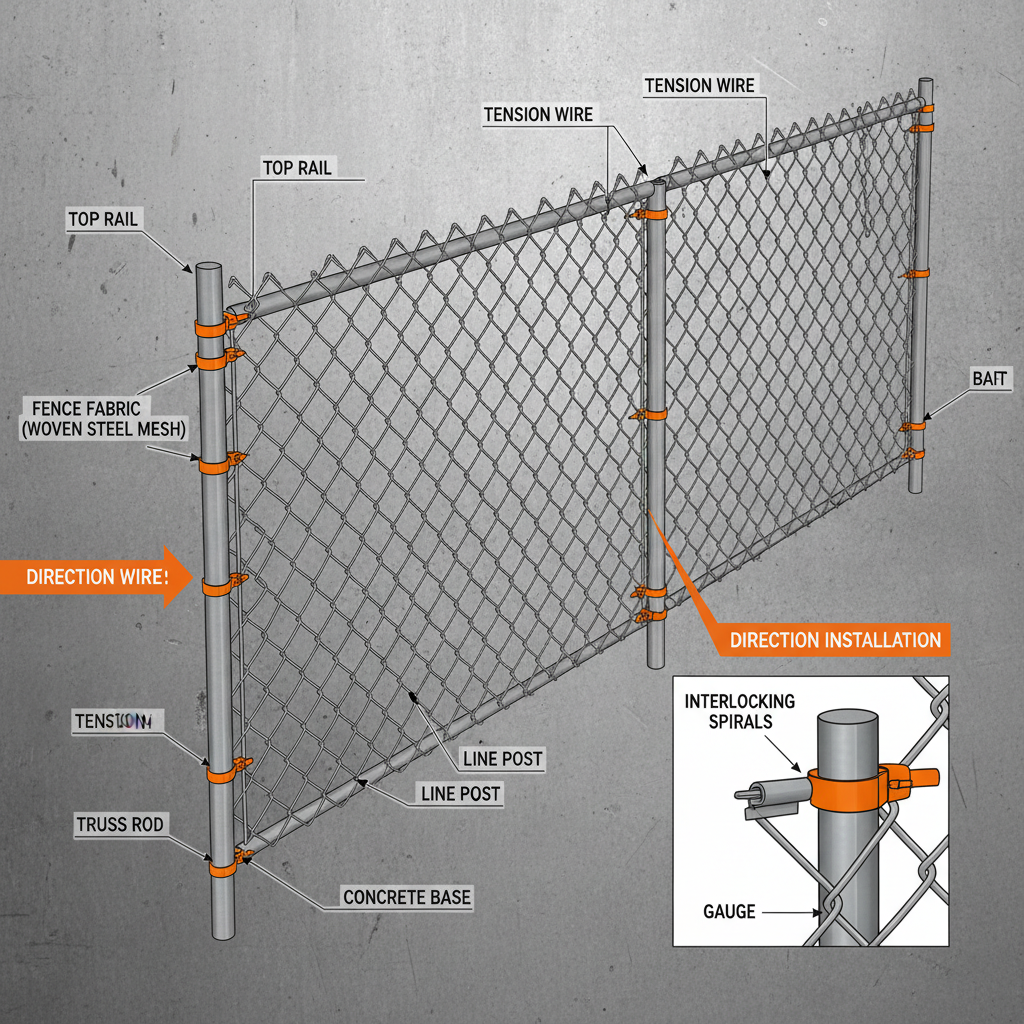
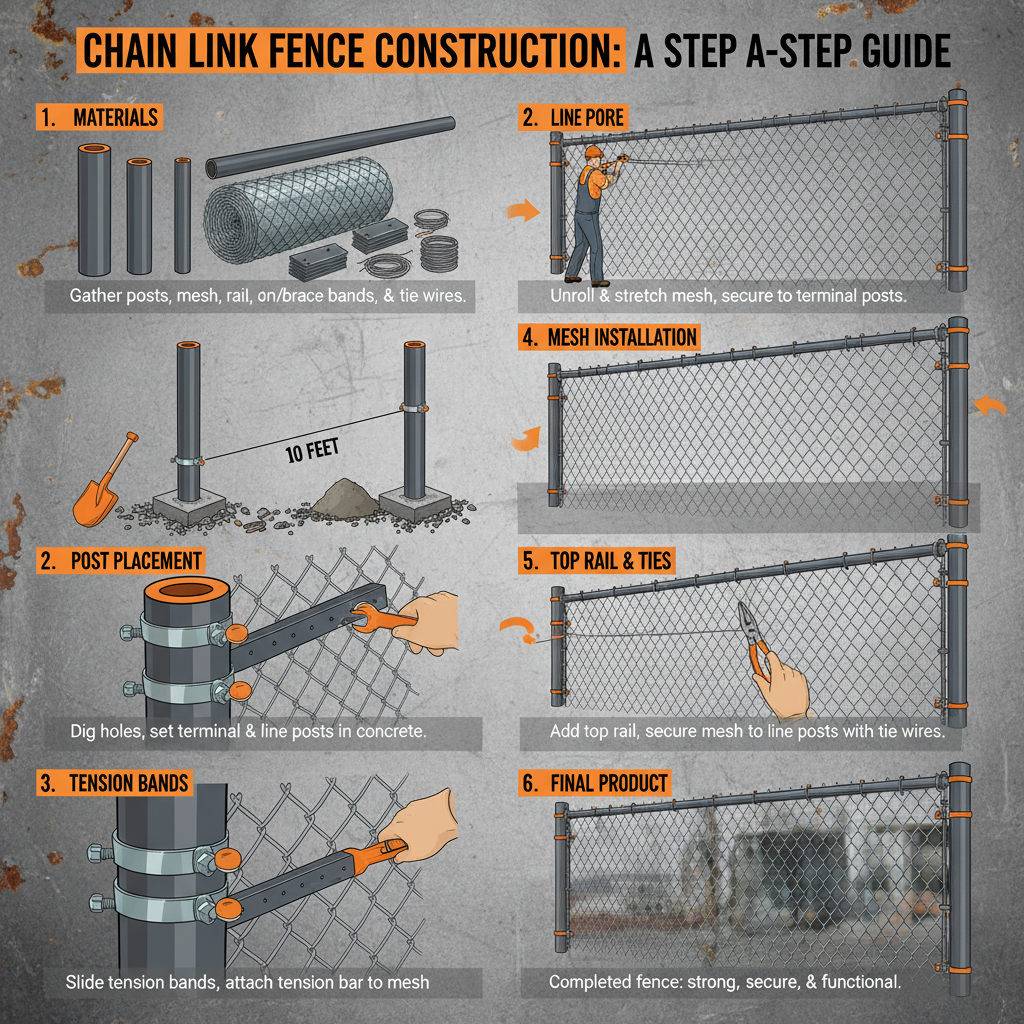
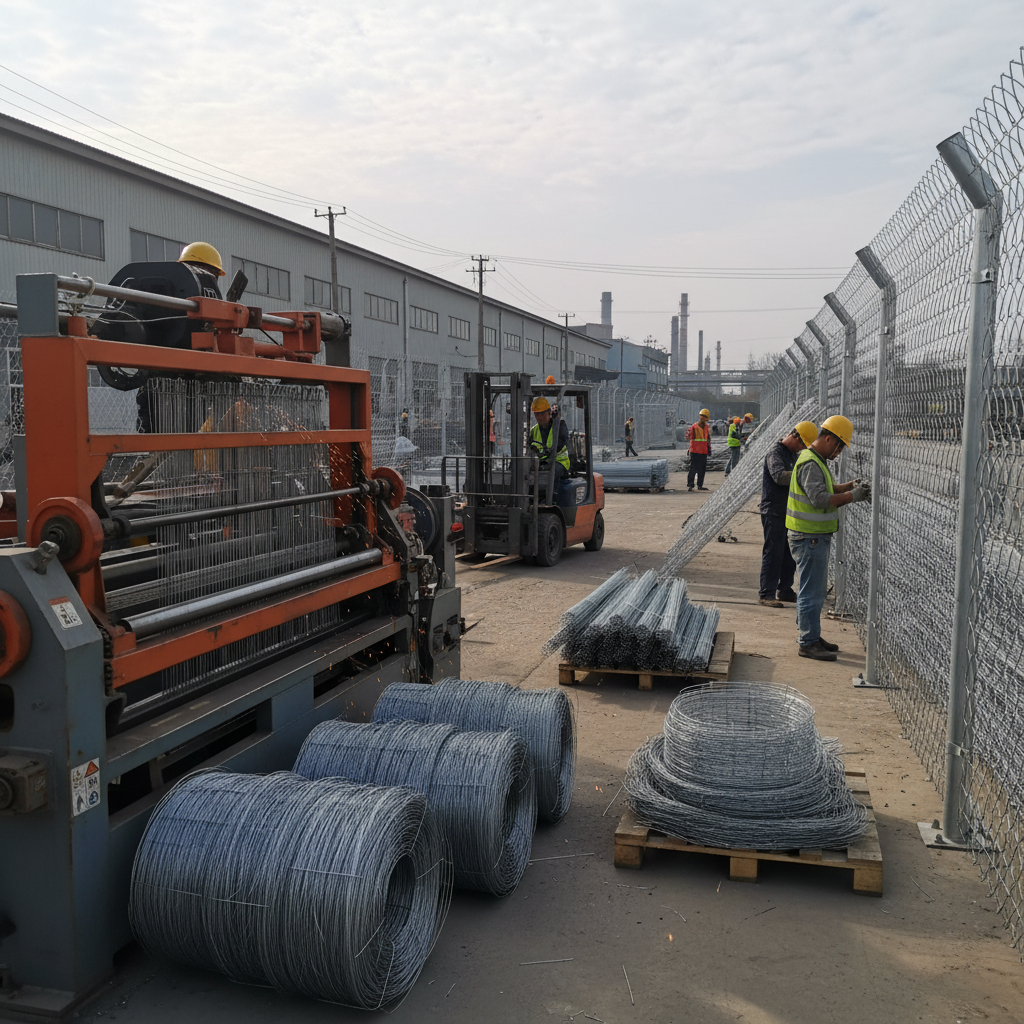
Standard construction involves weaving the wire into a diamond pattern, secured by twisting the ends of the wires together. Top and bottom edges are typically finished with twisted ends, knuckled edges (for added safety), or woven edges. Posts are generally made of steel pipe, galvanized for corrosion resistance, and spaced at regular intervals to support the fabric. Proper tensioning of the wire is vital for maintaining the fence’s structural integrity.
Industry standards, such as those set by ASTM International (American Society for Testing and Materials), define the specifications for materials, construction, and performance. Adherence to these standards ensures quality and reliability, providing customers with confidence in the product's ability to meet their security requirements. These standards address factors like coating thickness, tensile strength, and corrosion resistance.
Key Performance Indicators of Chain Fence Systems
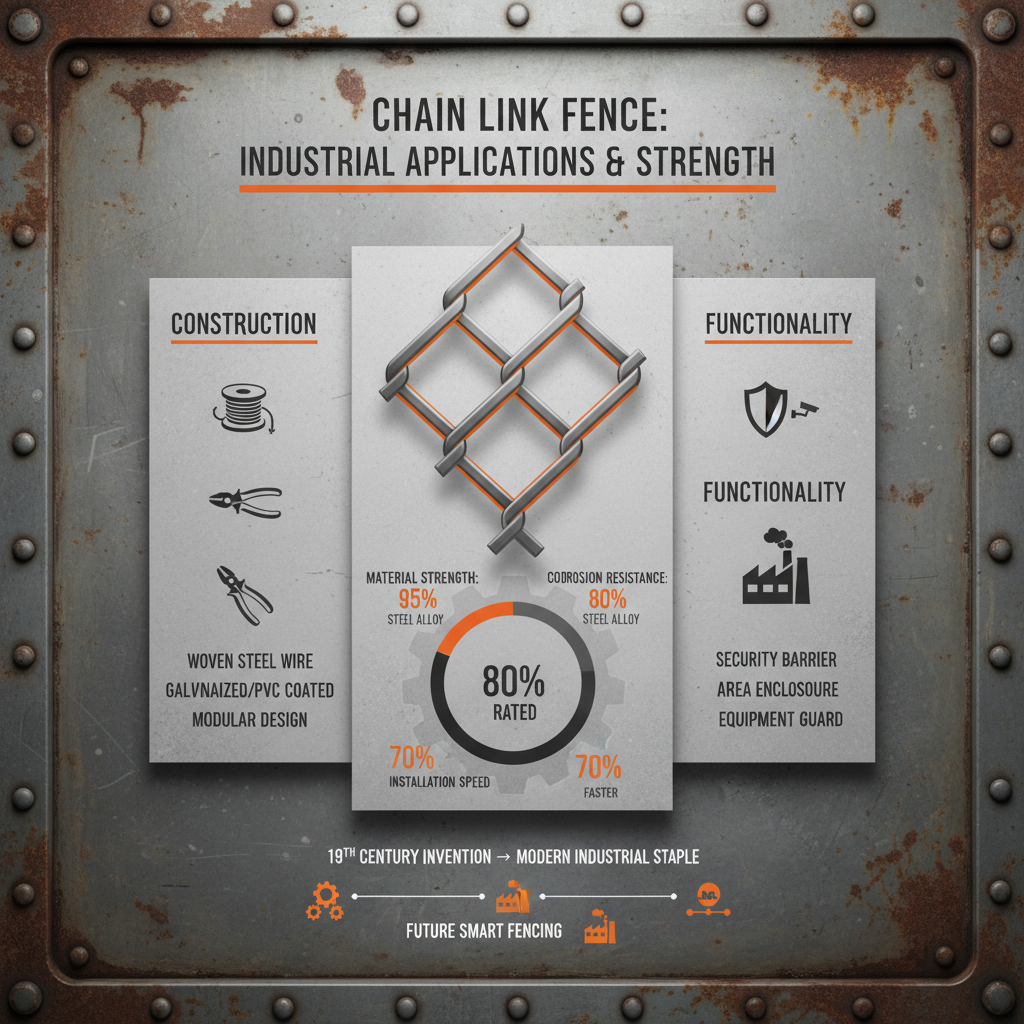
Evaluating a chain fence system requires assessing several key performance indicators (KPIs). Security Level, defined by the wire gauge, mesh size, and height of the fence, directly impacts its ability to deter intruders and contain assets. Durability, determined by the quality of materials and coatings, dictates the fence's lifespan and resistance to environmental factors.
Cost-Effectiveness, a significant advantage of chain fence, represents the balance between initial investment, installation costs, and long-term maintenance requirements. Installation Speed, due to its relatively simple construction, makes it a viable option for projects with tight timelines.
Chain Fence Performance Indicators
Real-World Applications of Chain Fence Across Industries
Chain fence plays a critical role in numerous industries. In the construction sector, it serves as temporary site security, protecting equipment and materials. Educational institutions utilize it to define school boundaries and ensure student safety. Industrial facilities rely on chain fence to secure perimeters, prevent unauthorized access, and protect valuable assets.
The agricultural industry leverages chain fence for livestock containment, preventing animals from straying and protecting crops from damage. Government agencies employ it for border security, detention facilities, and critical infrastructure protection. Even residential properties benefit from chain fence, providing affordable and effective perimeter security for homes and gardens.
The Long-Term Value Proposition of Chain Fence
The long-term value of chain fence extends beyond its initial cost-effectiveness. Its durability, particularly when properly maintained, translates to a minimal lifecycle cost compared to more expensive security alternatives. The ability to easily repair or replace damaged sections minimizes downtime and ensures continuous security.
Furthermore, chain fence offers a degree of scalability. Height can be increased, additional security features (like barbed wire) can be added, and the fence can be extended to accommodate evolving security needs. This adaptability makes it a sustainable investment, capable of providing long-term protection and peace of mind.
Ultimately, the reliability and established track record of chain fence make it a valuable asset for property owners and security managers seeking a durable, affordable, and dependable security solution.
Emerging Trends and Future Innovations in Chain Fence Technology
While the fundamental design of chain fence remains consistent, ongoing innovations are enhancing its performance and sustainability. The development of advanced coatings, such as those incorporating nano-technology, offers increased corrosion resistance and extended lifespan. Smart fence systems, integrating sensors and connectivity, provide real-time monitoring and intrusion detection capabilities.
Research into alternative materials, like high-strength alloys and recycled plastics, aims to reduce the environmental impact of chain fence production. Automated installation techniques are streamlining the construction process, reducing labor costs and improving efficiency. The integration of digital technologies, like BIM (Building Information Modeling), is facilitating more accurate planning and design.
These advancements demonstrate a commitment to evolving chain fence technology to meet the changing demands of the 21st century, maintaining its relevance as a vital security solution.
Chain Fence Implementation Challenges & Solutions
| Challenge Category |
Challenge Description |
Proposed Solution |
Implementation Cost (Estimate) |
| Corrosion Resistance |
Galvanized coatings degrade over time, particularly in harsh environments. |
Utilize advanced coatings like powder coating or PVC coating for extended protection. |
$2-$5 per linear foot |
| Security Breaches |
Determined intruders can cut or climb chain fence. |
Add barbed wire tops, privacy slats, or electronic surveillance systems. |
$3-$10 per linear foot |
| Installation Complexity |
Proper tensioning and post setting require specialized skills. |
Hire experienced installers or utilize pre-fabricated fence panels. |
$5-$15 per linear foot |
| Aesthetic Concerns |
Chain fence can be visually unappealing in certain settings. |
Incorporate privacy slats or landscaping to enhance aesthetics. |
$2-$7 per linear foot |
| Environmental Impact |
Galvanized steel production can have environmental consequences. |
Explore alternative materials like recycled plastics or high-strength alloys. |
Variable, depending on material choice |
| Maintenance Requirements |
Regular inspections and repairs are needed to maintain integrity. |
Implement a preventative maintenance schedule and utilize durable coatings. |
$100-$500 per year (depending on length) |
FAQS
The lifespan of a chain fence installation varies depending on several factors, including the gauge of the wire, the type of coating, and the environmental conditions. Generally, a properly installed and maintained galvanized steel chain fence can last 15-20 years. However, with powder coating or PVC coating, this lifespan can be extended to 25 years or more. Regular inspections and timely repairs are crucial for maximizing its longevity. Proper grounding can also significantly affect longevity.
The gauge of the chain fence wire refers to its thickness. A lower gauge number indicates a thicker, more robust wire. Thicker wire is more resistant to cutting and breaking, providing a higher level of security. For standard residential applications, a 9-gauge wire is often sufficient, while commercial and industrial applications may require 6.5 or even 4-gauge wire for enhanced protection. Consider the potential threat level when selecting the appropriate gauge.
Privacy slats are vertical inserts that are woven into the chain link fabric. They provide visual screening, obscuring the view through the fence and enhancing privacy. In addition to privacy, privacy slats can also offer wind protection and add aesthetic appeal. They are available in a variety of colors and materials, allowing you to customize the appearance of your chain fence. Installation is relatively simple and can be done after the fence is already installed.
Yes, chain fence is relatively adaptable to sloped or uneven terrain. The flexible nature of the interwoven wire allows it to conform to ground contours. However, proper installation techniques are crucial. This may involve using stepped posts, varying post heights, or tensioning the wire to maintain a consistent appearance. Careful planning and professional installation are essential for achieving a secure and aesthetically pleasing result on challenging terrain.
Regular maintenance is key to maximizing the lifespan of your chain fence. This includes periodic inspections for corrosion, damage, or loose connections. Remove any vegetation growing on or around the fence. Rinse the fence periodically to remove dirt and debris. If corrosion is detected, address it promptly with appropriate rust inhibitors or coatings. Re-tension the wire as needed to maintain its integrity and appearance.
Chain fence is generally one of the most cost-effective fencing options available. Compared to alternatives like wood, wrought iron, or aluminum, chain fence offers a superior price-to-security ratio. While the initial cost may be similar to wood, chain fence requires less maintenance and has a longer lifespan. Wrought iron and aluminum offer greater aesthetic appeal but come at a significantly higher price point. The total cost will depend on the height, gauge, and any added security features.
Conclusion
In conclusion, chain fence remains a foundational security solution, prized for its versatility, affordability, and durability. From its historical roots in agricultural containment to its modern applications in safeguarding critical infrastructure, chain fence continues to adapt and evolve. Understanding the core principles of its construction, the importance of material selection, and the nuances of proper installation is essential for maximizing its performance and long-term value.
Looking ahead, continued innovations in coatings, materials, and smart technology will further enhance the capabilities of chain fence. By embracing these advancements and prioritizing regular maintenance, property owners and security managers can ensure that chain fence continues to provide reliable and cost-effective security for generations to come. Visit our website at www.tywiremesh.com to explore our comprehensive range of chain fence solutions and discover how we can help you protect what matters most.
 TEL:
+86-13102802206
TEL:
+86-13102802206
 Email:
fencenetting@china.com
Email:
fencenetting@china.com
 Language