TEL:
+86-13102802206
TEL:
+86-13102802206
 Email:
fencenetting@china.com
Email:
fencenetting@china.com
 Language
TEL:
+86-13102802206
Email:
fencenetting@china.com
Language
Language
TEL:
+86-13102802206
Email:
fencenetting@china.com
Language


If you work in filtration, springs, or cable-making, you already know: demand is shifting toward high-consistency, traceable Stainless Wire that behaves the same on every spool. To be honest, the market used to tolerate “good enough.” Not anymore. Buyers want test data, mill certs, and predictable drawability. TY Wire Mesh—based in No.3 Building, weier Road 11, Anping County, Hebei China—has been leaning into that trend, and it shows in customer retention numbers I’ve quietly seen.
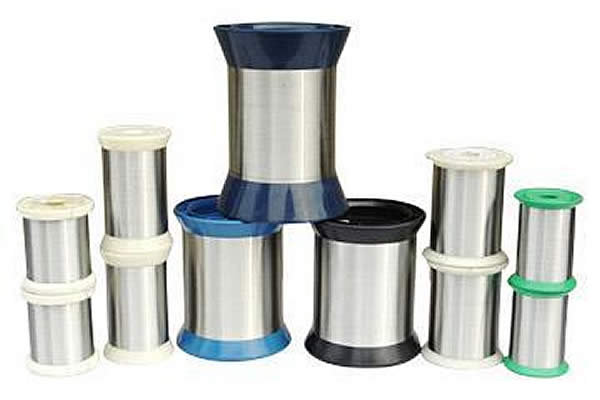
From mesh weaving and soft-pipe braiding to isolation layers, kitchen scrubber balls, steel rope cores, filter media, and—yes—springs and nails, Stainless Wire plays the quiet hero. In medicine and petrochemical lines, corrosion resistance and cleanliness drive spec. Many customers say surface stability (no flaking lubricants) is just as critical as tensile strength.
| Grade | Dia. Range | UTS ≈ | Finish | Tolerance | Spool |
|---|---|---|---|---|---|
| 304 / 304L | 0.02–6.0 mm | 650–1,250 MPa (process-dependent) | Bright, matte, soap-coated | ±0.005–±0.02 mm (around) | 1–25 kg |
| 316 / 316L | 0.02–5.0 mm | 600–1,150 MPa | Bright/passivated | ±0.005–±0.02 mm | 1–20 kg |
| 321 (Ti-stabilized) | 0.10–3.0 mm | 700–1,200 MPa | Bright | ±0.01 mm | 5–15 kg |
Notes: values are approximate; real-world use may vary by draw ratio, anneal condition, and lot chemistry.
| Vendor | Min Dia. | Certs | Lead Time ≈ | Docs | Notes |
|---|---|---|---|---|---|
| TY Wire Mesh (Anping) | 0.02 mm | ISO 9001; RoHS/REACH | 10–20 days | EN 10204 3.1; tensile & surface maps | Strong on weaving-grade Stainless Wire |
| Importer A | 0.05 mm | ISO 9001 (claimed) | 15–30 days | Basic C/O; limited MTC | Price-led, variable surface |
| Mill B (low-cost) | 0.10 mm | — | 25–40 days | Spot tests only | Watch tolerances, lube residue |
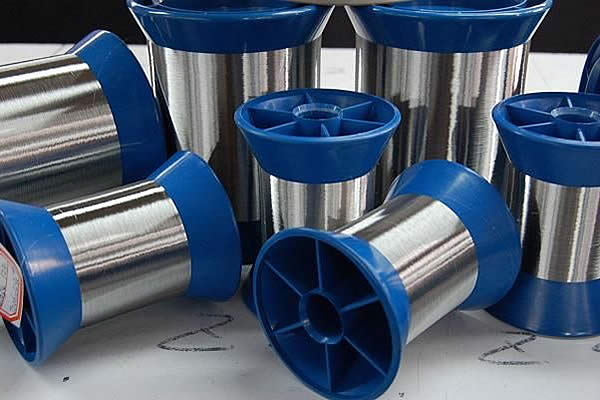
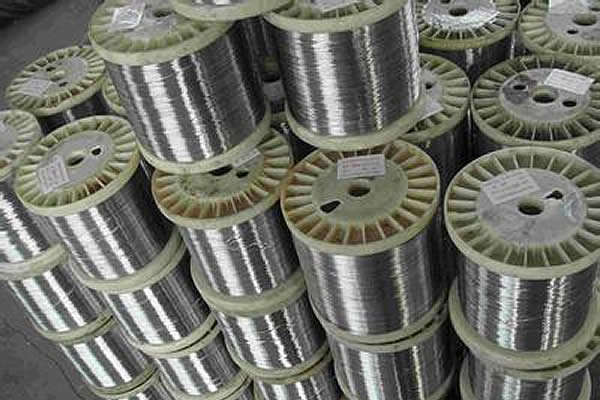
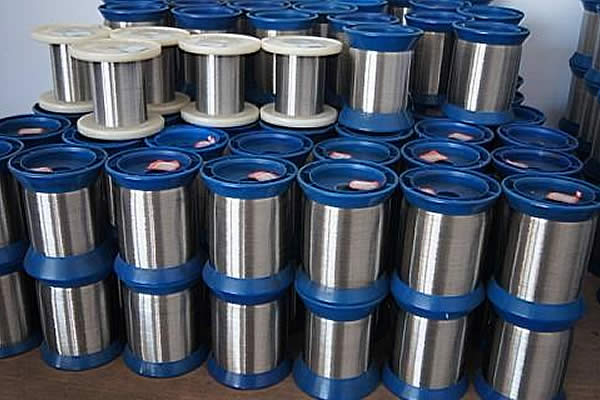
Diameter down to 0.02 mm, soft/1/2 hard/full hard tempers, bright or passivated finishes, specific draw-lube systems (water-soluble for clean-room weaving), spool types (DIN 125/160/200), and private labeling. For spring makers, targeted UTS windows help reduce scrap. For filters, low-defect surface and tight ovality keep porosity uniform.
Citations