ΤΗΛ:
+86-13102802206
ΤΗΛ:
+86-13102802206
 ΗΛΕΚΤΡΟΝΙΚΗ ΔΙΕΥΘΥΝΣΗ:
fencenetting@china.com
ΤΗΛ:
+86-13102802206
ΗΛΕΚΤΡΟΝΙΚΗ ΔΙΕΥΘΥΝΣΗ:
fencenetting@china.com
ΗΛΕΚΤΡΟΝΙΚΗ ΔΙΕΥΘΥΝΣΗ:
fencenetting@china.com
ΤΗΛ:
+86-13102802206
ΗΛΕΚΤΡΟΝΙΚΗ ΔΙΕΥΘΥΝΣΗ:
fencenetting@china.com


When strength, corrosion resistance, and aesthetics are essential, stainless steel cables provide an unmatched solution. From architectural railings and outdoor installations to marine rigging and load-bearing support, stainless cable systems deliver both performance and durability. A particularly popular choice in these applications is the 3 16 stainless cable, valued for its precise diameter, tensile strength, and flexibility. Whether you're constructing a modern deck railing or securing a commercial load-bearing system, these cables offer consistent performance in demanding conditions. With the right diameter and construction, stainless cables ensure safety without compromising visual appeal.
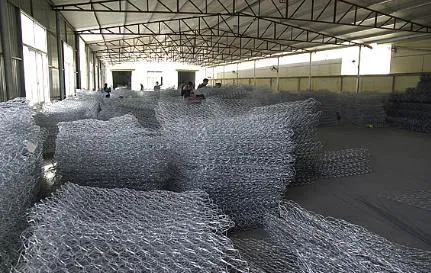
In environments exposed to moisture, salt air, or chemicals, the 3 16 ss cable provides essential corrosion resistance while maintaining a clean, professional appearance. This cable size is widely used in deck railing, sailboat rigging, and tension structures because of its ability to support moderate to heavy loads. The 3 16 ss cable is engineered from high-grade stainless steel, often type 316, which enhances resistance to rust and degradation over time. Its fine balance between strength and flexibility makes it a versatile option across residential, industrial, and commercial projects.
The 4mm wire rope offers a slightly thicker diameter, giving it an edge in applications where added tensile strength is needed without sacrificing maneuverability. Whether used in lifting, winching, or balustrade systems, this size provides the right amount of rigidity and resilience. The 4mm wire rope is a common choice in both European and international markets due to its metric classification, aligning with standard fittings and tensioning equipment. Its ability to withstand heavy usage while maintaining structural integrity makes it a dependable option in both marine and architectural fields.
Sleek yet strong, the 1 8 stainless cable is perfect for minimalist designs where unobtrusive safety is critical. Often used in horizontal infill railings, staircases, and greenhouse structures, this cable size delivers reliable support while blending into the background. The 1 8 stainless cable is especially favored in contemporary residential projects, where maintaining open sightlines and a modern aesthetic is essential. Despite its smaller diameter, it offers impressive strength-to-weight ratios and is compatible with a wide range of hardware systems for easy installation and tensioning.
For heavy-duty uses, the 1 4 stainless cable stands out with its ability to support higher loads and resist deformation under tension. Common in load-bearing suspension systems, security fencing, and structural anchors, this cable provides the assurance needed in high-stress applications. The 1 4 stainless cable offers the best of both worlds: industrial-grade strength with a clean, professional finish. It's a go-to solution for contractors and engineers looking for reliable stainless solutions in harsh environments.
Choosing the correct cable size and construction is essential for ensuring safety and performance. Smaller diameters such as 1/8” are ideal for light architectural work, while mid-range sizes like 3/16” offer versatility. Larger cables like 1/4” provide the strength needed for industrial applications. The stainless grade—usually 304 or 316—also influences corrosion resistance and price. Make sure to match the cable with compatible hardware, such as turnbuckles, thimbles, and swage fittings, to guarantee a secure and long-lasting installation.
Proper installation involves tensioning the cable evenly across all runs and ensuring that termination fittings are securely fastened. Using a hydraulic swager for crimping sleeves ensures a tight fit, especially with thicker cables like the 4mm wire rope. For marine or outdoor use, always opt for 316 stainless steel components to maximize corrosion resistance and prevent premature wear.
While galvanized cables offer decent corrosion resistance and are cheaper, they do not match the longevity and clean finish of stainless steel cables. Stainless options like the 1 8 stainless cable or 3 16 ss cable maintain their appearance and integrity over years, especially in coastal or wet environments. For long-term value and reliability, stainless steel is the superior investment.
Q: What is the load-bearing capacity of 3 16 stainless cable?
A: Typically, a 3 16 stainless cable made from 7x7 or 7x19 construction has a breaking strength of around 4,200 lbs. However, always refer to the manufacturer’s datasheet for precise ratings based on material and construction.
Q: Can I use 4mm wire rope in marine environments?
A: Yes, provided the 4mm wire rope is made from 316 stainless steel, which is highly resistant to saltwater corrosion.
Q: How does 1 8 stainless cable perform in outdoor railings?
A: It performs exceptionally well due to its minimal visual impact and high strength, especially when used with rust-proof fittings.
Q: Is the 1 4 stainless cable suitable for overhead lifting?
A: It can be used for lifting applications if rated accordingly and paired with certified hardware, but always consult with a structural engineer for critical load-bearing uses.
Q: How do I maintain stainless steel cables to prevent discoloration?
A: Regularly clean the cables with a mild detergent and soft brush to remove grime and prevent surface oxidation. Avoid using abrasive tools that can scratch the passivation layer.