TEL:
+86-13102802206
TEL:
+86-13102802206
 Email:
fencenetting@china.com
Email:
fencenetting@china.com
 Language
TEL:
+86-13102802206
Email:
fencenetting@china.com
Language
Language
TEL:
+86-13102802206
Email:
fencenetting@china.com
Language


In the realm of modern industrial applications, the demand for materials exhibiting exceptional durability, corrosion resistance, and versatile mechanical properties continues to escalate. Among these, stainless wire stands out as a critical component, serving as the backbone for countless products and systems across diverse sectors. Its unique composition, primarily an alloy of iron with a minimum of 10.5% chromium, confers remarkable resilience against rust, staining, and various corrosive agents. The global market for stainless steel products, including wire, is consistently expanding, driven by infrastructure development, rising manufacturing output, and an increasing emphasis on sustainable, long-lasting materials. This expansion highlights the intrinsic value and adaptability of this fundamental material. Current industry trends point towards an increased adoption of specialized grades for extreme environments, alongside a push for enhanced recyclability and reduced environmental footprint, cementing its role as an indispensable material in the B2B landscape.
Beyond its inherent corrosion resistance, stainless wire offers a superior strength-to-weight ratio and maintains its structural integrity across a wide range of temperatures, from cryogenic conditions to elevated heat exposures. This makes it an ideal choice for applications where reliability and longevity are paramount. From precision engineering components to robust architectural structures, the applications are extensive. Furthermore, the ability to tailor its properties through various manufacturing processes—such as cold drawing, annealing, and specific surface treatments—allows for the production of wires with precise tensile strengths, ductility, and surface finishes. This versatility ensures that whether the requirement is for a fine medical instrument component or a heavy-duty industrial mesh, a suitable stainless wire solution can be engineered to meet the exact performance criteria.
The production of high-quality stainless wire involves a sophisticated multi-stage process, meticulously controlled to ensure consistent properties and superior performance. It begins with the careful selection of raw materials, primarily stainless steel rods or billets, which adhere to stringent international standards such as ASTM A580/A580M for general requirements or specific EN/JIS grades depending on the end application. The initial stage often involves pickling and descaling to remove surface impurities, preparing the material for subsequent drawing operations. This step is crucial for preventing defects and ensuring a smooth surface finish on the final product. Different grades, such as 304, 316, and 430, are chosen based on their specific metallurgical properties, dictating the wire's ultimate resistance to corrosion, heat, and mechanical stress.
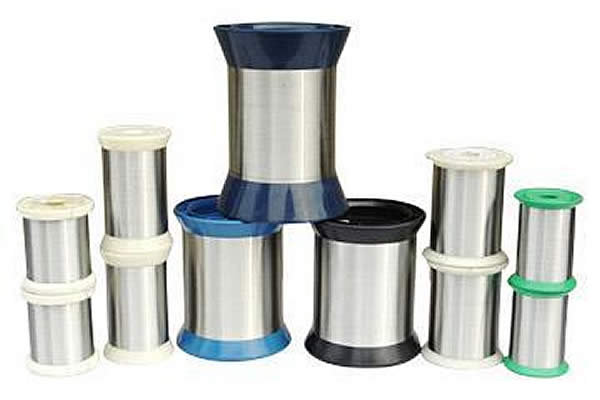
Figure 1: Illustration of Stainless Wire Drawing Process
Following surface preparation, the core manufacturing process is cold drawing. This involves pulling the stainless steel rods through a series of progressively smaller dies at room temperature. Each draw reduces the wire's diameter while simultaneously increasing its tensile strength and improving its surface finish. Intermediate annealing processes, where the wire is heated to a specific temperature and then cooled, are periodically introduced to relieve internal stresses accumulated during drawing and to restore ductility, preventing brittleness. This ensures the wire remains workable for further drawing stages. Precision tools and advanced machinery, often incorporating CNC control for exacting tolerances, are utilized to maintain consistency in diameter and achieve the desired mechanical properties.
Quality control is paramount throughout the entire process. Each batch of stainless wire undergoes rigorous testing to ensure compliance with international standards like ISO 9001 for quality management and relevant ASTM or ANSI specifications for material properties. These tests include tensile strength tests, elongation tests, chemical composition analysis, and surface inspection. The adherence to these strict detection standards ensures a predictable service life and optimal performance in demanding applications, ranging from petrochemical installations where corrosion resistance is critical, to metallurgical processes requiring high-temperature stability, and even sophisticated water supply and drainage systems where long-term integrity is essential. The meticulous attention to detail in manufacturing ensures that the resulting stainless wire offers advantages such as reduced maintenance costs due to its durability and inherent resistance to degradation.
Selecting the appropriate stainless wire requires a thorough understanding of its technical parameters and specifications. These parameters dictate the wire's suitability for specific applications, influencing factors like load-bearing capacity, resistance to environmental factors, and overall performance. Key specifications often include wire diameter (gauge), tensile strength, yield strength, elongation, and surface finish. Different stainless steel grades, such as Type 304 (widely used for its general corrosion resistance and formability) and Type 316 (superior corrosion resistance due to molybdenum content, ideal for marine or chemical environments), offer varying mechanical and chemical properties. For instance, a stainless steel tie wire might prioritize ductility, while a stainless steel cable would emphasize high tensile strength for structural support.
| Parameter | Typical Range (Annealed Condition) | Specifics (Common Grades 304/316) | Significance |
|---|---|---|---|
| Wire Diameter | 0.02 mm to 10 mm+ | Common: 0.1mm-6.0mm. Precision-drawn for specific applications. | Affects flexibility, strength, and application (e.g., fine mesh vs. heavy cable). |
| Tensile Strength | 520 - 900 MPa (75 - 130 ksi) for annealed | Up to 1500 MPa (217 ksi) for hard drawn. | Maximum stress a material can withstand before breaking. Critical for load-bearing. |
| Yield Strength | 205 - 345 MPa (30 - 50 ksi) for annealed | Higher for cold-drawn wire. | Stress at which material begins to deform permanently. |
| Elongation | 30% - 60% | Indicates ductility and formability. | Measure of a material's ductility (ability to deform without fracturing). |
| Corrosion Resistance | Excellent in various media | 304: Atmospheric, fresh water. 316: Chloride, chemical. | Key attribute, ensuring longevity in corrosive environments. |
| Surface Finish | Bright, Matte, Soap Coated, Polished | Depends on application (e.g., aesthetic, friction reduction). | Influences aesthetics, friction, and resistance to surface contamination. |
Understanding these specifications is crucial for engineers and procurement specialists when designing systems or sourcing materials. For example, in the production of stainless wire mesh or ss wire mesh, uniform diameter and consistent tensile strength are vital for maintaining mesh integrity and structural stability. Similarly, for applications in high-stress environments such as suspension bridges or crane cables, a stainless cable with superior tensile and yield strength is indispensable. Our commitment extends to providing detailed technical data sheets for each product variant, ensuring transparency and facilitating informed decision-making for our B2B partners. This detailed data ensures that the stainless wire supplied is perfectly matched to the operational demands, optimizing performance and extending service life.
The widespread adoption of stainless wire across various industries is primarily driven by its exceptional array of technical advantages. At the forefront is its unparalleled corrosion resistance, particularly for grades like 304 and 316. This property makes it highly suitable for outdoor applications, marine environments, and chemical processing plants where exposure to harsh elements is a constant challenge. Unlike carbon steel wires that require protective coatings or frequent maintenance, stainless steel inherently resists rust and degradation, significantly reducing lifecycle costs and ensuring long-term structural integrity. This inherent resistance contributes to lower operational expenditures and greater reliability, critical factors for B2B enterprises.
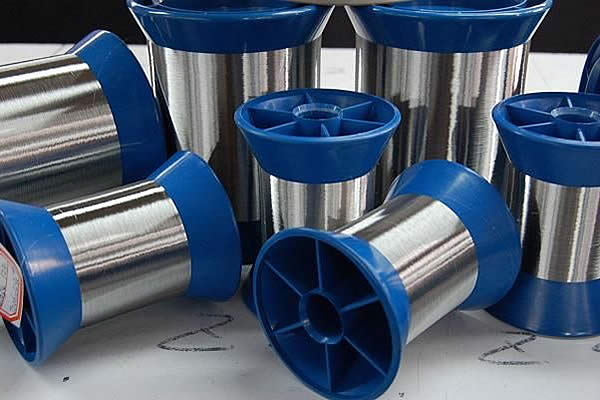
Figure 2: Superior Corrosion Resistance of Stainless Wire in Harsh Environments
Beyond corrosion resistance, stainless wire offers remarkable mechanical properties. Its high tensile strength allows it to withstand significant pulling forces without breaking, making it ideal for load-bearing applications like stainless steel cable for architectural rigging, lifting, and safety barriers. Concurrently, its impressive ductility, especially in annealed conditions, enables it to be formed, bent, and drawn into complex shapes without fracturing, which is essential for manufacturing components such as springs, fasteners, or intricate ss wire mesh. This combination of strength and formability expands its utility across a broad spectrum of engineering and design challenges. The longevity of stainless wire also translates into reduced replacement cycles and enhanced system reliability, delivering tangible economic benefits to industrial users.
Furthermore, stainless wire exhibits excellent heat resistance, retaining its strength and integrity at elevated temperatures, which is crucial for applications in furnaces, heat exchangers, and exhaust systems. Its hygienic properties, stemming from a non-porous surface that is easy to clean and sanitize, make it indispensable in the food processing, pharmaceutical, and medical industries, where sterility and cleanliness are paramount. The aesthetic appeal of its bright, clean finish is also valued in architectural and decorative applications. The long service life of stainless wire, often extending for decades even in challenging conditions, minimizes the total cost of ownership, contributing to sustainable industrial practices and robust operational efficiency.
The versatility of stainless wire allows it to be integrated into an astonishing array of industries and applications, underpinning critical functionalities. In the petrochemical sector, its resistance to aggressive chemicals and extreme temperatures makes it indispensable for wire mesh filters, catalyst supports, and reinforcement in storage tanks and pipelines. Similarly, the metallurgy industry relies on stainless wire for conveying systems in high-temperature furnaces and as components in wire drawing and rolling mills due to its durability and resistance to wear. Its inherent anti-corrosive properties ensure long-term reliability in these demanding environments, contributing to operational safety and efficiency.
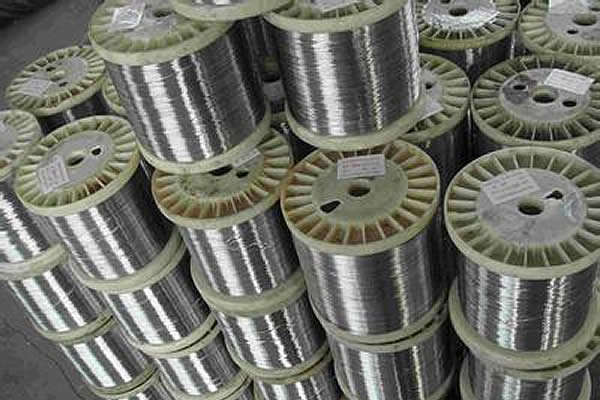
Figure 3: Stainless Wire Mesh for Industrial Filtration and Screening
In public utilities, particularly in water supply and drainage systems, stainless wire is crucial for filtration screens, sewage treatment equipment, and reinforcement in concrete pipes, where constant exposure to water and potentially corrosive effluents demands resilient materials. Its use significantly reduces maintenance cycles and ensures potable water quality. The construction industry leverages stainless cable and stainless steel tie wire for architectural rigging, structural supports, balustrades, and rebar ties, benefiting from its high strength and weather resistance. Furthermore, its aesthetic appeal is often a factor in modern building designs. This extensive applicability across critical infrastructure sectors highlights the material's adaptive strengths and foundational importance.
Beyond these heavy industries, stainless wire finds widespread use in everyday applications. It forms the basis for various household appliances, automotive components (e.g., in exhaust systems and brake lines), and an extensive range of consumer goods. In the medical field, its biocompatibility and sterilizability are vital for surgical instruments, dental braces, and prosthetics. The food and beverage industry utilizes it for processing equipment, conveyors, and storage due to its hygienic properties and resistance to acids and alkalis. Its application in forming stainless wire mesh or ss wire mesh is widespread, spanning from security fencing and sieving to basket manufacturing and decorative grilles, showcasing its adaptability across functional and aesthetic needs.
Recognizing that standard products may not always meet the unique demands of specialized industrial applications, we offer comprehensive custom solutions for stainless wire production. Our engineering team collaborates closely with clients to define precise material compositions, mechanical properties, and surface finishes required for optimal performance. This bespoke approach ensures that whether the need is for a specific tensile strength for a high-tension stainless steel cable or an ultra-fine diameter for intricate medical devices, the resulting product is perfectly aligned with the application's stringent requirements. This client-centric approach underscores our commitment to delivering tailored excellence and overcoming specific technical challenges.
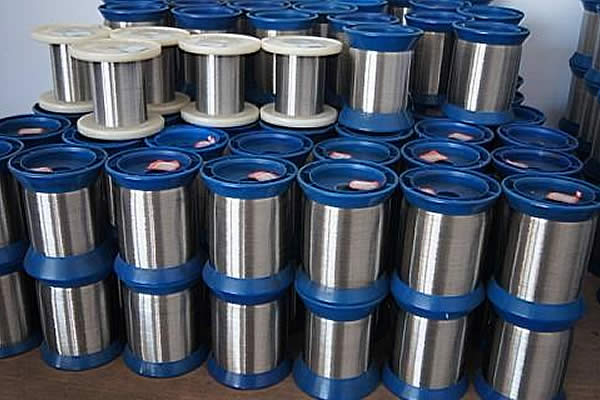
Figure 4: Precision Tailoring of Stainless Wire for Unique Industrial Needs
Our customization capabilities extend to various aspects of stainless wire manufacturing. We can adjust alloy compositions to enhance specific properties, such as increasing molybdenum content for superior pitting corrosion resistance in Type 316L, or fine-tuning chromium content for enhanced oxidation resistance. Wire diameters can be precisely controlled to micron-level tolerances, critical for applications like precision weaving of ss wire mesh or fabricating delicate sensors. Furthermore, we offer a range of surface treatments, including bright annealing for a smooth, reflective finish, or soap coating for improved lubricity during subsequent processing like cold heading. This detailed customization ensures optimal material performance and process compatibility for our B2B partners.
The lead time for custom stainless wire orders is efficiently managed through our streamlined production pipeline, typically ranging from 3 to 6 weeks depending on complexity and volume. Our commitment to client success is further demonstrated through our robust quality assurance protocols, ensuring that every custom batch meets the agreed-upon specifications and international standards. This flexible and responsive approach to production ensures that even the most niche demands for stainless wire are met with precision and reliability, providing a competitive edge for our partners.
Our extensive experience in the field of stainless wire manufacturing is substantiated by numerous successful application cases across various high-stakes industries. One notable instance involves a large-scale water treatment facility that required a highly durable and corrosion-resistant filtering system. We supplied custom-designed stainless wire mesh, woven from Type 316 stainless wire, which proved superior to previous materials in resisting chlorine and other water treatment chemicals. This upgrade significantly extended the lifespan of their filtration units by over 50%, dramatically reducing replacement costs and downtime. This case exemplifies the long-term cost benefits and enhanced operational efficiency that high-quality stainless steel solutions can provide.
Another compelling case highlights our contribution to the automotive industry. A leading car manufacturer approached us for a high-strength, fatigue-resistant stainless wire for a critical safety component in their braking system. Through meticulous material selection and precise cold drawing processes, we developed a specialized stainless wire with enhanced tensile strength and fatigue life. Our solution passed rigorous automotive industry tests, contributing to improved vehicle safety and reliability. This project demonstrated our capability to meet stringent industry standards and deliver performance-critical materials under tight specifications. The direct feedback from the client confirmed that our wire performed exceptionally under extreme conditions, surpassing their previous supplier's offerings.
Furthermore, in the architectural sector, we provided a custom order of stainless cable for a unique suspension structure in a landmark building. The project demanded high aesthetic quality combined with extreme load-bearing capacity and weather resistance. Our polished stainless cable not only met the structural requirements but also contributed to the visual elegance of the design, enduring years of outdoor exposure without degradation. These diverse case studies underscore our expertise and commitment to delivering reliable, high-performance stainless wire solutions that consistently exceed client expectations in demanding B2B environments.
Choosing the right supplier for stainless wire is critical for ensuring the quality, reliability, and cost-effectiveness of your projects. Our company stands as an authoritative leader in the manufacturing and supply of premium stainless wire and related products. With over 20 years of dedicated service in the industry, we have cultivated deep expertise and a reputation for excellence. We are proud to hold ISO 9001 certification, underscoring our unwavering commitment to quality management systems and continuous improvement. Our products also meet various international standards, including ASTM and DIN, providing our clients with peace of mind regarding product performance and consistency.
Our long-standing collaborations with major industry players and our consistent positive customer feedback are testaments to our product quality and service reliability. We maintain strategic partnerships with leading raw material suppliers, ensuring a consistent supply of high-grade stainless steel to meet diverse manufacturing demands. Our comprehensive service commitment includes competitive pricing, flexible ordering options, and a dedicated customer support team ready to assist with technical queries and order logistics. We offer clear, transparent delivery cycle explanations, with standard orders typically dispatched within 7-14 business days, and provide detailed tracking information.
We stand by the quality of our stainless wire products with a comprehensive quality assurance policy and warranty commitments that exceed industry norms. Our pre-sales technical consultation, in-process quality control, and robust after-sales support ensure a seamless experience from inquiry to post-delivery. This holistic approach, combined with our technical prowess and extensive experience in areas like stainless steel cable and stainless steel tie wire, positions us as the preferred partner for demanding B2B applications. We are committed to fostering long-term relationships built on trust, quality, and mutual success.
The continuous evolution and expanding applications of stainless wire underscore its indispensable role in modern industry. Its unique combination of corrosion resistance, mechanical strength, and versatility makes it a preferred material across critical sectors from petrochemicals and metallurgy to advanced manufacturing and medical devices. As industries push for greater efficiency, longevity, and sustainability, the demand for high-performance stainless wire solutions, including specialized grades and custom specifications, is set to grow even further.
Looking ahead, the future of stainless wire technology is characterized by ongoing innovation. Research is focused on developing new duplex and super duplex stainless steel grades for extreme environments, enhancing fatigue life, and exploring nano-structured wires for highly specialized applications. Advances in manufacturing processes, such as improved drawing lubricants and advanced annealing techniques, will further refine mechanical properties and surface finishes. As a leading manufacturer, we remain committed to pioneering these advancements, ensuring that our stainless wire products continue to meet and exceed the evolving demands of our B2B partners, driving progress and delivering lasting value.