Automatic chain link fencing machine manufacturers are pivotal in supplying a fundamental security and enclosure solution globally. The demand for chain link fencing spans diverse sectors including agriculture, construction, industrial facilities, and residential properties, creating a consistent need for efficient and high-quality production. Understanding the intricacies of these manufacturing processes, including automation techniques and material science, is crucial for businesses operating within these sectors and for those seeking reliable security solutions. This understanding allows for informed purchasing decisions and optimized project planning.
The global chain link fencing market is experiencing steady growth, driven by increased infrastructure development, a rising emphasis on security concerns, and expanding applications in various industries. The role of the automatic chain link fencing machine manufacturer is therefore becoming increasingly vital. These manufacturers are continuously innovating to deliver machines that offer greater speed, precision, and cost-effectiveness. This innovation is crucial to meeting the demands of a dynamic market and maintaining competitiveness.
Investing in advanced, automated machinery from a reputable automatic chain link fencing machine manufacturer translates directly into higher production capacity, reduced labor costs, and improved product consistency. This directly benefits downstream industries and ultimately supports economic growth by providing essential infrastructure components.
Introduction to Automatic Chain Link Fencing Machine Manufacturers
Automatic chain link fencing machine manufacturers are at the forefront of providing the technology needed to mass-produce this essential security material. These companies specialize in designing, building, and servicing complex machinery that automates the weaving and forming of chain link fabric. The efficiency and quality of their machines directly impact the availability and cost of fencing solutions across numerous industries.
The market for chain link fencing remains strong due to its versatility, affordability, and ease of installation. Automatic machinery is key to meeting this demand with precision and speed, reducing reliance on manual labor and ensuring consistent product standards. Selecting a reliable automatic chain link fencing machine manufacturer is therefore a critical decision for businesses in the fencing industry.
Defining Automatic Chain Link Fencing Machine Manufacturers
An automatic chain link fencing machine manufacturer is a company dedicated to the engineering and production of automated machinery used to create chain link fencing. These machines typically take wire coil as input and, through a series of automated processes – including forming, weaving, and coiling – output the finished chain link fabric. The level of automation can vary, ranging from semi-automatic machines requiring some manual intervention to fully automated systems capable of continuous, high-volume production.
These manufacturers play a vital role in supporting various industries. From securing construction sites to protecting agricultural land and providing perimeter security for commercial properties, chain link fencing is a ubiquitous security solution. The automated manufacturing process ensures that this essential material is readily available to meet growing demand.
The modern automatic chain link fencing machine manufacturer focuses on not only efficiency but also on precision and adaptability, offering machines capable of producing different mesh sizes, wire gauges, and finishes to cater to diverse customer requirements.
Core Components and Operational Aspects
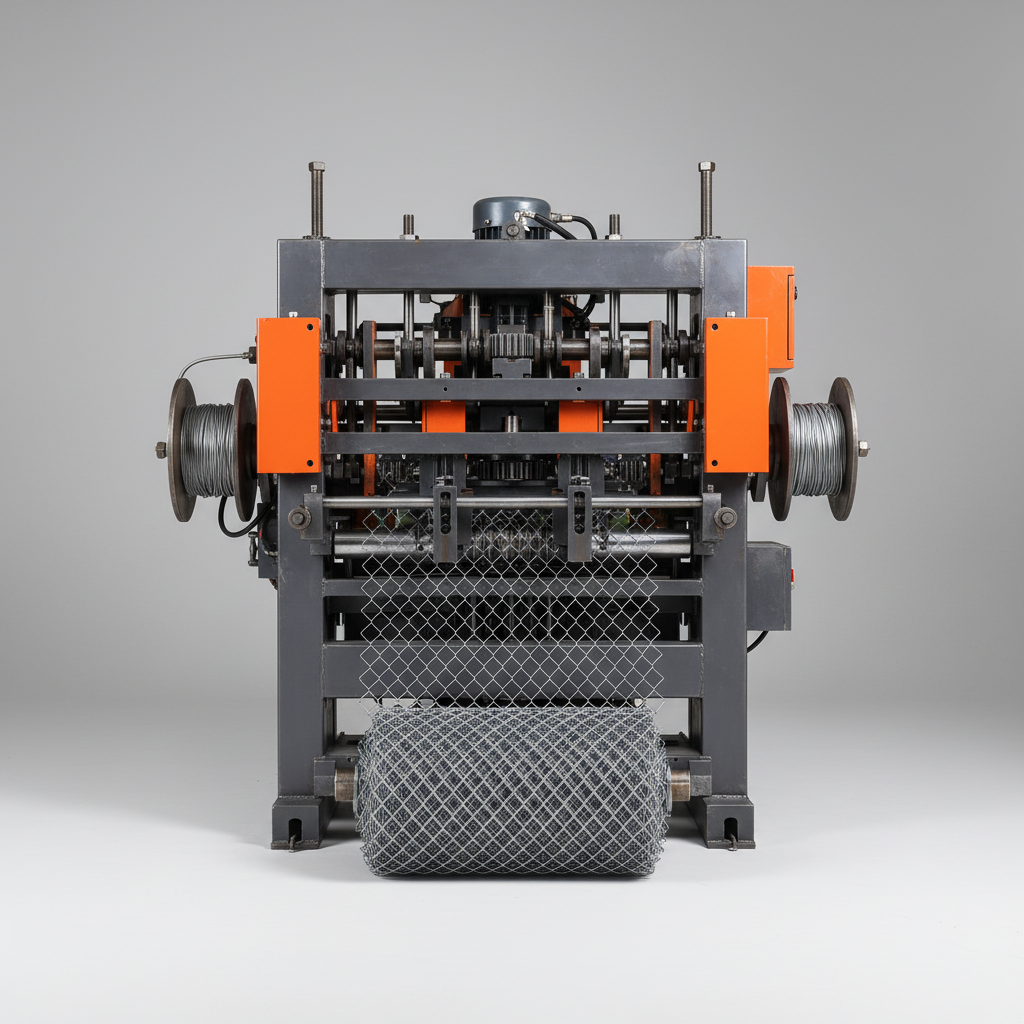
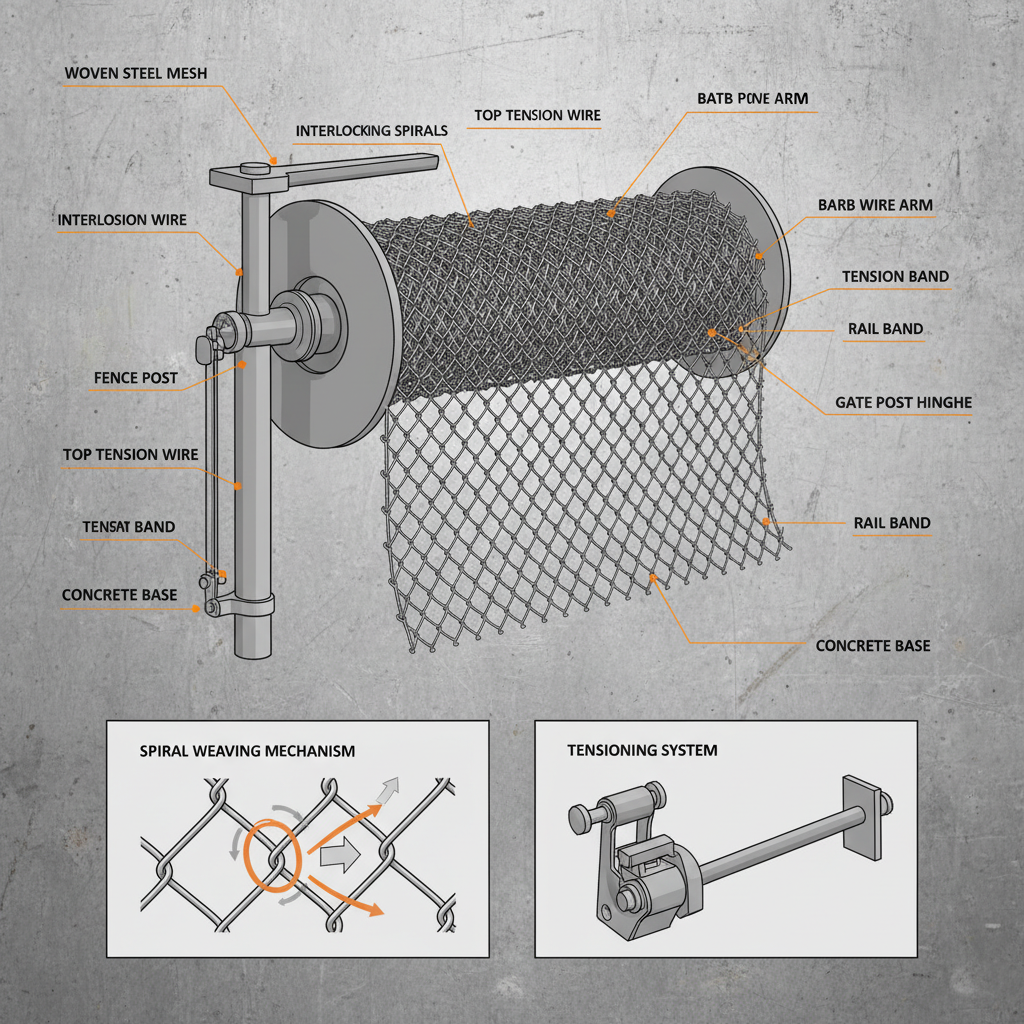
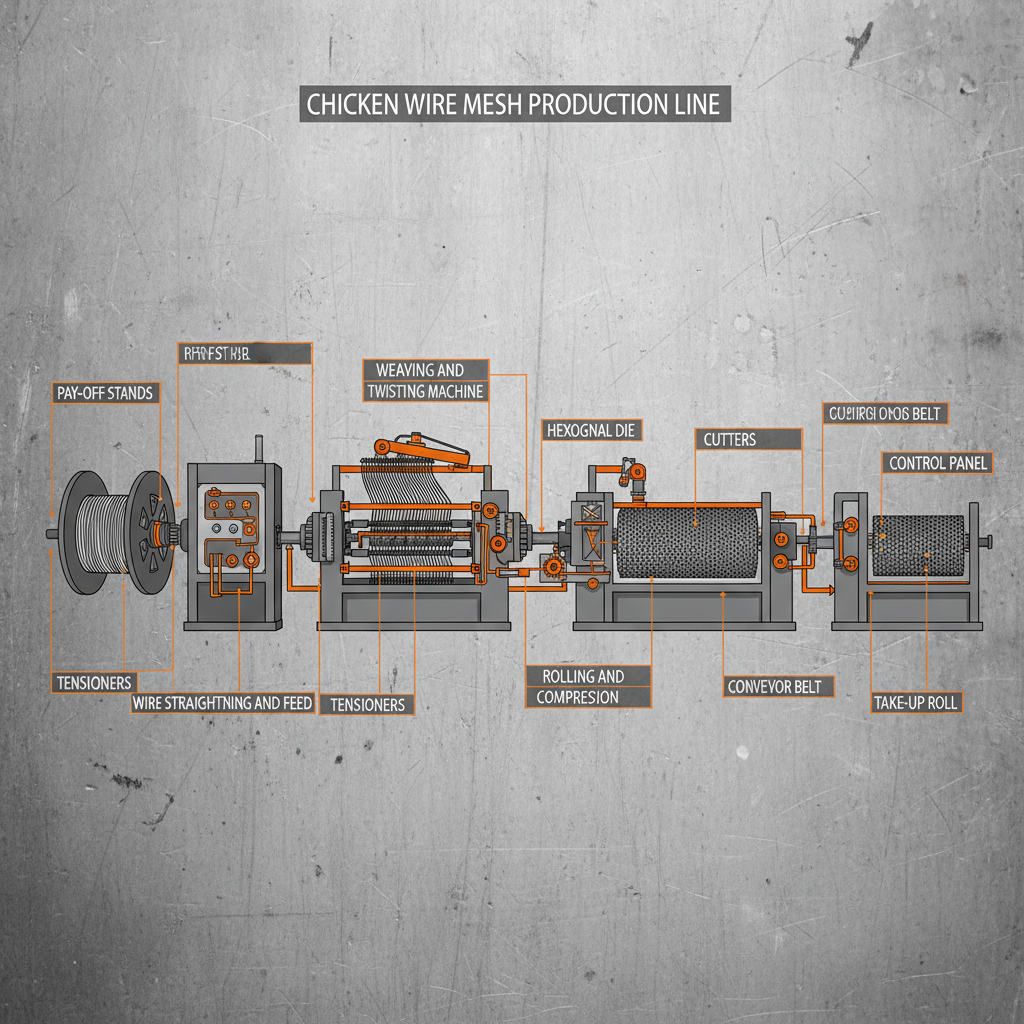
The core of an automatic chain link fencing machine typically includes several key components: a wire feeding system, a forming mechanism, a weaving unit, a coiling device, and a control system. The wire feeding system ensures a consistent and controlled supply of wire to the forming mechanism, which shapes the wire into the characteristic chain link pattern.
The weaving unit then interlocks these formed links to create the continuous chain link fabric. Modern machines often utilize sophisticated servo motors and sensors to ensure precise weaving and consistent mesh size. The coiling device neatly coils the finished fabric for ease of transportation and installation. Finally, the control system, typically a programmable logic controller (PLC), coordinates all these processes, allowing for automated operation and precise adjustments.
A crucial aspect is the quality of the materials used in machine construction. Robust steel frames, hardened forming tools, and reliable electrical components are essential for ensuring long-term durability and minimizing downtime. A skilled automatic chain link fencing machine manufacturer will prioritize these quality factors in their design and manufacturing processes.
Global Applications and Industry Impact
Automatic chain link fencing machines enable widespread use of chain link fencing across diverse sectors. In agriculture, it protects crops and livestock from predators and theft. In construction, it secures job sites and prevents unauthorized access. Industrial facilities rely on it for perimeter security and safety. Residential applications include backyard privacy and pet containment.
Geographically, demand is particularly strong in regions with rapid urbanization and infrastructure development, such as Asia-Pacific and Latin America. In these areas, the need for secure and cost-effective fencing solutions is consistently high. Furthermore, post-disaster relief operations frequently utilize chain link fencing for temporary enclosures and security perimeters.
The efficient production facilitated by these machines directly impacts the cost of fencing, making it accessible to a wider range of customers and contributing to overall economic development. The ability to quickly produce large volumes of fencing is also crucial for large-scale infrastructure projects.
Chain Link Fencing Machine Performance Metrics
Advantages and Long-Term Value Proposition
Investing in machinery from an automatic chain link fencing machine manufacturer offers several tangible advantages. These include significantly reduced labor costs, increased production capacity, and improved product consistency. Automated systems minimize human error, leading to higher-quality fencing and fewer defects.
The long-term value extends beyond mere cost savings. Automated production enhances a company’s ability to meet fluctuating market demands and respond quickly to new opportunities. It also fosters a more sustainable manufacturing process by minimizing waste and optimizing resource utilization. The reliability and durability of modern machines translate to reduced downtime and increased operational efficiency.
Future Trends and Technological Advancements
The future of automatic chain link fencing machine manufacturing is likely to be shaped by several key trends. These include the integration of Industry 4.0 technologies, such as IoT sensors and data analytics, to optimize machine performance and predict maintenance needs. The development of more energy-efficient machines and the use of sustainable materials will also be crucial.
Furthermore, advancements in robotic automation and artificial intelligence (AI) are expected to lead to even more sophisticated and versatile fencing machines. AI-powered systems could automatically adjust machine parameters to optimize production for different wire gauges, mesh sizes, and finishes.
Challenges and Solutions in Manufacturing
One of the key challenges faced by automatic chain link fencing machine manufacturers is maintaining precision and consistency with varying wire quality. Fluctuations in wire diameter and tensile strength can impact the weaving process and lead to defects. Sophisticated sensors and control systems are needed to compensate for these variations.
Another challenge is the need for skilled technicians to maintain and repair complex automated machinery. Manufacturers are addressing this by offering comprehensive training programs and remote diagnostics capabilities. Predictive maintenance, enabled by IoT sensors, can also help to minimize downtime and prevent costly repairs.
Finally, optimizing machine design for energy efficiency and minimizing material waste are ongoing challenges. Innovative approaches, such as utilizing lightweight materials and implementing closed-loop recycling systems, are being explored to address these concerns.
Summary of Key Challenges and Proposed Solutions in Automatic Chain Link Fencing Machine Manufacturing
| Challenge |
Impact on Production |
Proposed Solution |
Implementation Cost (Scale 1-10) |
| Wire Quality Variations |
Inconsistent Mesh Size, Defects |
Advanced Sensor Integration, Real-Time Adjustment |
7 |
| Skilled Technician Shortage |
Increased Downtime, Repair Costs |
Comprehensive Training Programs, Remote Diagnostics |
6 |
| Energy Consumption |
High Operating Costs, Environmental Impact |
Energy-Efficient Motor Design, Optimized Process Control |
5 |
| Material Waste |
Increased Material Costs, Environmental Concerns |
Closed-Loop Recycling Systems, Precision Cutting Techniques |
8 |
| Machine Complexity |
Difficult Operation, Troubleshooting |
User-Friendly Interface Design, AI-Powered Assistance |
4 |
| Market Competition |
Price Pressure, Reduced Margins |
Innovation in Automation, Focus on Niche Markets |
9 |
FAQS
The lead time for a fully automated machine generally ranges from 12 to 24 weeks, depending on the complexity of the machine and the manufacturer's current order backlog. Customization options will typically extend this timeframe. Factors such as material sourcing and final quality control inspections also contribute to the overall lead time. A reputable automatic chain link fencing machine manufacturer will provide a clear timeline during the quotation process.
Regular maintenance is crucial for ensuring optimal performance and longevity. This includes daily lubrication of moving parts, periodic inspection of wear items (like forming tools and belts), and preventative maintenance schedules recommended by the manufacturer. More advanced machines may require software updates and calibration checks. It’s beneficial to establish a maintenance contract with the manufacturer or a qualified technician.
Modern automatic machines offer considerable flexibility in terms of wire gauge and mesh size. Most machines can accommodate wire diameters from 2.0mm to 5.0mm, and mesh sizes ranging from 1 inch to 4 inches. However, specific capabilities vary depending on the machine model. It’s important to clearly specify your desired range during the purchasing process.
Reputable manufacturers typically offer comprehensive training programs for operators and maintenance personnel. These programs cover machine operation, troubleshooting, and preventative maintenance procedures. Ongoing technical support, including remote assistance and on-site service, is also often available. Inquire about the level of support offered before making a purchase.
Automation significantly enhances quality control by minimizing human error and ensuring consistent production parameters. Sensors and control systems continuously monitor wire tension, mesh size, and other critical factors, automatically adjusting settings to maintain consistent quality. Automated inspection systems can also identify and reject defective sections of fencing. This leads to a higher-quality product and reduced waste.
Power consumption varies depending on the machine’s size, automation level, and production rate. Smaller machines may consume around 10-15 kW, while larger, high-volume machines can require 20-30 kW or more. Modern manufacturers are increasingly focusing on energy-efficient designs to minimize power consumption and reduce operating costs. Consider energy efficiency when evaluating different machine options.
Conclusion
Automatic chain link fencing machine manufacturers are essential players in a global market driven by the need for secure and cost-effective enclosure solutions. The continuous innovation in automation technology, coupled with a growing emphasis on sustainability and efficiency, is reshaping the industry. Investing in advanced machinery from a reliable manufacturer offers substantial benefits, including reduced labor costs, increased production capacity, and improved product quality.
Looking ahead, the integration of Industry 4.0 technologies and the development of more sustainable manufacturing practices will further enhance the capabilities of these machines. By embracing these advancements, businesses can position themselves for long-term success in a dynamic and competitive market. For cutting-edge solutions and expert support, visit our website: www.tywiremesh.com.
 TEL:
+86-13102802206
TEL:
+86-13102802206
 Email:
fencenetting@china.com
Email:
fencenetting@china.com
 Language