Chain link fence, a ubiquitous security and containment solution, stands as a testament to simple yet effective engineering. Globally, it’s a cornerstone of perimeter security, agricultural fencing, and industrial applications. Its affordability and ease of installation make it accessible even in developing nations, addressing needs ranging from property protection to animal control. Understanding the nuances of chain link fence – from material selection to installation techniques – is crucial for optimizing performance and longevity, impacting everything from residential security to large-scale infrastructure projects.
The demand for chain link fence is inextricably linked to global urbanization, industrial growth, and increasing security concerns. According to reports from the United Nations, rapid urbanization continues to drive demand for secure perimeters, while the World Bank highlights the importance of agricultural fencing in promoting sustainable farming practices. Furthermore, ISO standards concerning security fencing underscore the need for reliable and certified materials. This consistent, global need presents both challenges – like material sourcing and quality control – and opportunities for innovation in design and manufacturing.
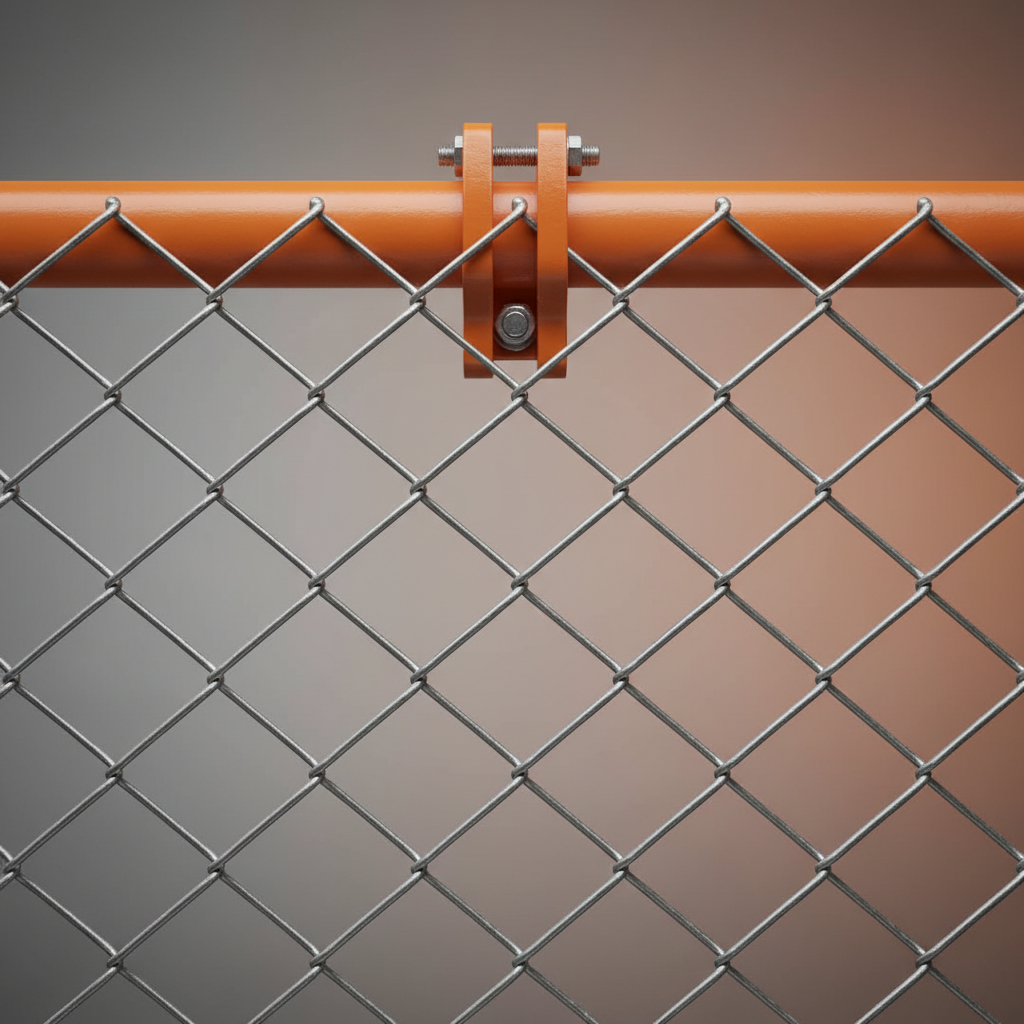
At its core, a chain link fence – also known as hurricane fence or diamond mesh fence – is a woven fabric of galvanized or PVC-coated steel wire, stretched tightly between posts. Its strength and durability make it a practical choice for a multitude of applications. Beyond simple containment, modern chain link fence systems increasingly integrate with access control technology and surveillance equipment, demonstrating their adaptability to evolving security needs and contributing to broader industry trends in perimeter protection.
The Global Importance of Chain Link Fence
Chain link fence plays a critical role in global infrastructure development and security. From protecting critical assets in industrial zones to delineating property lines in residential areas, its versatility is unmatched. The economic impact of chain link fence extends beyond manufacturing and installation, influencing related industries such as landscaping, construction, and security systems. A robust supply chain ensures availability in even the most remote locations.
The increasing need for secure perimeters, driven by global security concerns and the growth of private property, positions chain link fence as a continuously relevant solution. Its relatively low cost compared to alternative fencing options makes it accessible to a wide range of consumers and organizations, from homeowners to large corporations. This sustained demand underscores its importance in maintaining safety and order worldwide.
Defining Chain Link Fence
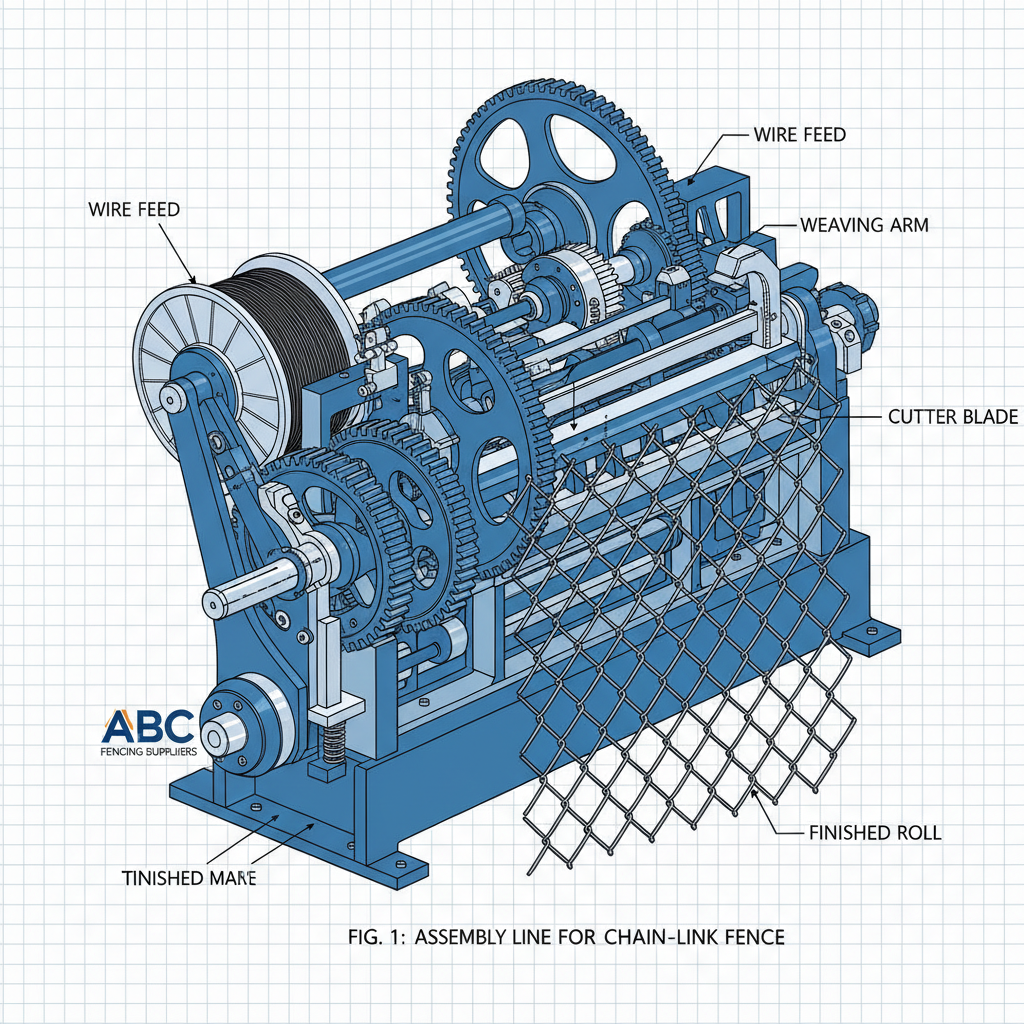
Chain link fence, also commonly referred to as wire mesh fence, is a type of woven fence typically constructed from galvanized steel wire. The wires are bent into interlocking diamond-shaped patterns, creating a resilient and durable barrier. The term "chain link" originates from the method of weaving, where each wire is interlocked with adjacent wires, forming a chain-like structure.
Beyond its simple construction, chain link fence represents a foundational element in perimeter security and containment. It’s a testament to efficient material use and robust design. Modern chain link fence systems often incorporate additional features like top rails, razor wire, and privacy slats to enhance security or aesthetic appeal.
The significance of chain link fence extends beyond purely physical security. In agricultural settings, it protects crops and livestock, contributing to food security. In urban environments, it secures playgrounds, parks, and industrial sites, creating safe and functional spaces. Its adaptability to various environments and applications solidifies its place in modern infrastructure.
Key Characteristics of Chain Link Fence
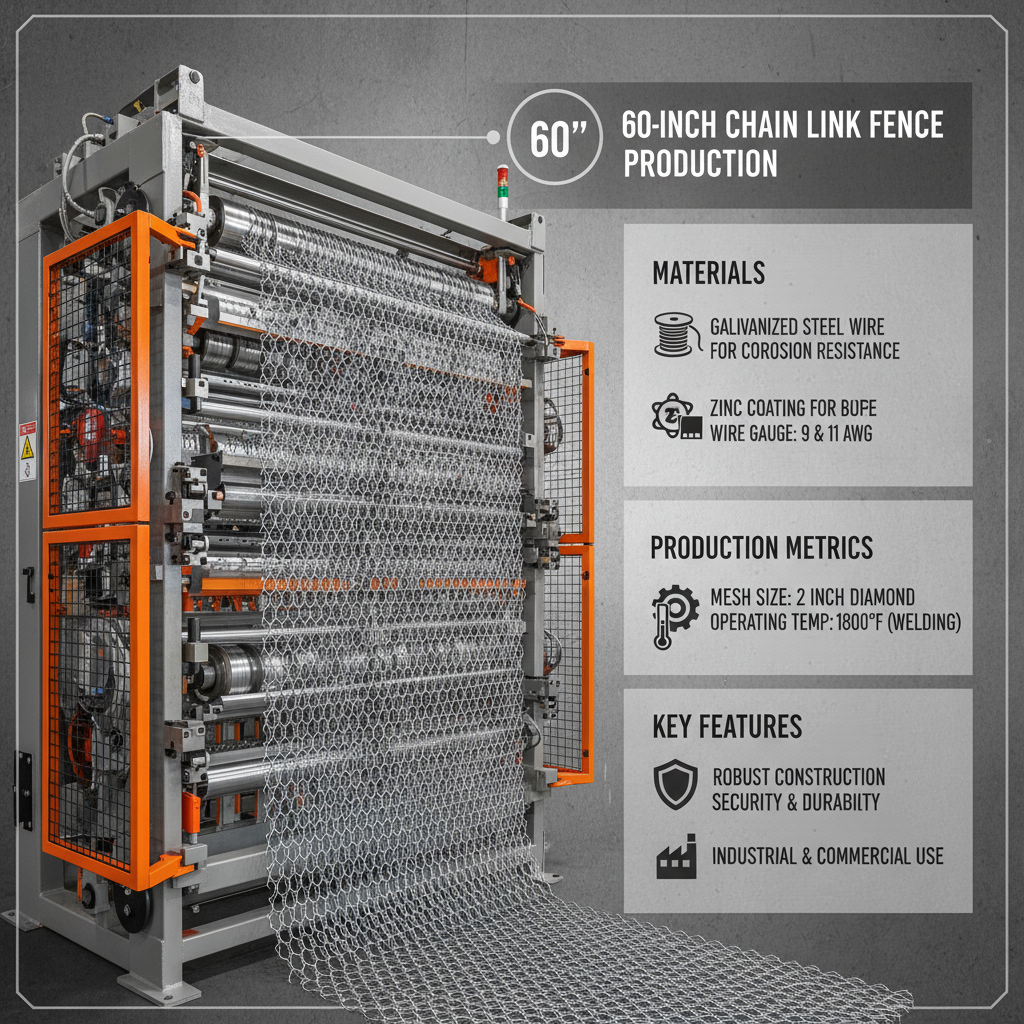
Durability: Chain link fence is renowned for its exceptional durability, resisting corrosion and weathering. Galvanization, a process of coating the steel with zinc, provides long-lasting protection against the elements. PVC coating further enhances resistance to rust and adds aesthetic value. This longevity translates to reduced maintenance costs and a longer service life.
Cost-Effectiveness: Compared to other fencing materials like wood, wrought iron, or aluminum, chain link fence offers a significantly lower initial cost. This affordability makes it an attractive option for projects with budget constraints, without compromising on security or functionality. The simplicity of installation also contributes to reduced labor costs.
Versatility: Chain link fence can be adapted to a wide range of applications and terrains. It can be installed on uneven ground, slopes, and around obstacles with relative ease. Different wire gauges and heights provide customizable solutions for various security levels and containment needs. It's easily integrated with gates, access control systems, and other security features.
Applications and Use Cases Worldwide
Chain link fence is ubiquitous in residential security, providing affordable and effective perimeter protection for homes and gardens. It’s a common sight around swimming pools, playgrounds, and pet enclosures. Beyond residential use, it is extensively utilized in commercial and industrial settings.
Industrial facilities, construction sites, and storage yards rely heavily on chain link fence to secure valuable assets, prevent unauthorized access, and maintain site safety. In agricultural areas, it’s essential for containing livestock, protecting crops from wildlife, and delineating property boundaries. In post-disaster relief operations, chain link fence is often deployed quickly to establish temporary security perimeters and aid in recovery efforts.
Chain Link Fence Application Breakdown
Advantages and Long-Term Value Proposition
The primary advantage of chain link fence lies in its affordability without compromising on security. Its relatively low cost makes it accessible to a wider range of customers, making it a practical solution for both residential and commercial applications. The durability of galvanized or PVC-coated steel ensures a long service life, reducing the need for frequent repairs or replacements.
Beyond cost savings, chain link fence offers substantial long-term value through enhanced security and peace of mind. Protecting property, deterring intruders, and containing assets contribute to a safer and more secure environment. The versatility of the material allows for customization to meet specific security requirements, further increasing its value proposition.
Future Trends in Chain Link Fence Technology
Innovations in coating technology are enhancing the corrosion resistance and aesthetic appeal of chain link fence. New PVC formulations offer increased UV protection and color retention, extending the life of the fence and improving its appearance. The integration of smart technology, such as sensors and monitoring systems, is also emerging as a significant trend.
The development of more sustainable manufacturing processes and the use of recycled materials are gaining traction in the industry. Environmentally friendly galvanization techniques and the use of post-consumer recycled steel are reducing the environmental impact of chain link fence production. Furthermore, the integration with automated installation systems promises faster and more efficient deployment.
We are seeing a move towards chain link fence systems that integrate with broader security ecosystems, including surveillance cameras, access control systems, and alarm systems. This convergence of technologies creates a more comprehensive and effective security solution, providing real-time monitoring and enhanced protection.
Challenges and Innovative Solutions
One of the primary challenges associated with chain link fence is its susceptibility to cutting or climbing. While effective as a deterrent, determined intruders can breach the barrier with specialized tools. Solutions include incorporating top rails, razor wire, or anti-climb paint to deter unauthorized access.
Another challenge is the potential for corrosion, particularly in harsh environments. Regular maintenance, such as cleaning and recoating, can mitigate this issue. Advancements in galvanization techniques and the use of high-quality PVC coatings are also extending the life of chain link fence in corrosive environments.
Innovations in post design and installation techniques are addressing issues related to stability and wind resistance. Deeper post settings, reinforced bracing, and the use of heavier-gauge posts are improving the structural integrity of chain link fence systems, ensuring they can withstand strong winds and other environmental stressors.
Analysis of Chain Link Fence Performance Factors
| Material Quality |
Installation Technique |
Environmental Conditions |
Maintenance Frequency |
| Galvanization Level (Zinc Coating Thickness) |
Post Depth & Spacing |
Exposure to Salt Spray/Humidity |
Annual Inspection & Cleaning |
| PVC Coating Quality (UV Resistance) |
Tensioning of the Chain Link Fabric |
Temperature Fluctuations (Expansion/Contraction) |
Frequency of Re-Coating/Repairs |
| Wire Gauge (Steel Thickness) |
Gate Installation & Alignment |
Proximity to Industrial Pollutants |
Rust Prevention Measures |
| Steel Tensile Strength |
Bracing & Support System |
Susceptibility to Extreme Weather Events |
Damage Assessment & Response |
| Corrosion Resistance Rating (1-10) |
Quality of Fittings & Connectors |
Ground Stability & Drainage |
Impact of Vegetation Growth |
| Overall Durability Score (1-10) |
Adherence to Installation Standards |
Level of Exposure to Harsh Chemicals |
Timeliness of Repairs |
FAQS
A properly installed and maintained chain link fence can last anywhere from 15 to 30 years, or even longer. The lifespan depends heavily on the quality of materials used – particularly the galvanization or PVC coating – and the environmental conditions it’s exposed to. Regular maintenance, such as cleaning and re-coating, can significantly extend its life.
Rust prevention involves several steps. Choosing a high-quality galvanized or PVC-coated chain link fence is crucial. Regularly cleaning the fence to remove dirt and debris helps prevent corrosion. For galvanized fences, applying a rust-inhibiting coating every few years can extend its lifespan. Addressing any scratches or damage to the coating promptly will prevent rust from forming.
For optimal security, a chain link fence height of 6 to 8 feet is generally recommended. Higher fences provide a greater deterrent to intruders, making it more difficult to climb over. Adding top rails, barbed wire, or razor wire can further enhance security. Consider local regulations and the specific security needs of your property when determining the appropriate height.
Yes, chain link fence can be installed on sloped ground, but it requires careful planning and installation techniques. Following the contour of the ground is the most common approach, but it may result in varying fence heights. Stepping the fence posts or using rackable posts can help maintain a consistent height. Proper tensioning is essential to ensure the fence remains secure on sloping terrain.
Chain link fence is a popular choice for pet containment, offering a secure and affordable solution. However, it's important to select a mesh size that is appropriate for the size of your pet. Smaller mesh sizes are needed to prevent small dogs or puppies from escaping. Consider adding a bottom rail or burying the fence slightly to prevent digging.
Galvanized chain link fence is coated with a layer of zinc to protect against rust. PVC-coated chain link fence has an additional layer of PVC plastic over the galvanization, offering even greater corrosion resistance and a wider range of color options. PVC coating also provides a more aesthetically pleasing appearance and a softer feel. PVC-coated fence typically has a longer lifespan but is also more expensive.
Conclusion
Chain link fence remains a vital component of modern infrastructure, offering a cost-effective, durable, and versatile solution for a wide range of applications. From providing security for residential properties to containing livestock and protecting industrial sites, its practicality and adaptability are unmatched. Understanding the key characteristics, benefits, and future trends associated with chain link fence is crucial for making informed decisions and optimizing its performance.
Looking ahead, continued innovation in materials, coatings, and installation techniques will further enhance the longevity and sustainability of chain link fence. The integration of smart technology and environmentally friendly manufacturing processes will position it as a leading solution for perimeter security and containment for years to come. For all your chain link fence needs, visit our website: chain link fence.
 TEL:
+86-13102802206
TEL:
+86-13102802206
 Email:
fencenetting@china.com
Email:
fencenetting@china.com
 Language