Hebei Tengyuan Wire Mesh Products Co.,Ltd
0%

Table of Contents

Look, I've spent the last 15 years breathing concrete dust and arguing with engineers on job sites. When it comes to getting things built, and built to last, you learn what truly matters. And what matters, more often than you'd think, is the wire. Specifically, hot dip galvanized (GI) wire. We're talking about the backbone of so much construction – reinforcing mesh, fencing, even the ties holding everything together. I've seen projects delayed, budgets blown, and structures compromised because someone skimped on the quality of the GI wire. That's why understanding hot dip gi wire manufacturers isn't just a materials spec; it’s a fundamental understanding of what keeps everything standing.

The global demand for robust construction materials is only going up. Look at the infrastructure projects happening in developing nations, the post-disaster reconstruction efforts constantly needed around the world, and even the simple fact that populations are growing. This translates directly into a massive need for reliable hot dip GI wire. According to the World Steel Association, global steel demand will continue to rise, and galvanized wire is a critical component of that. What I see on the ground is a constant pressure to balance cost with quality. Cheap wire means faster initial build, but it also means corrosion, repairs, and ultimately, a compromised structure.

We, as builders, can’t afford that kind of gamble. The rise in extreme weather events – flooding, hurricanes, earthquakes – puts an even greater emphasis on durable materials. Hot dip GI wire, when sourced from reputable hot dip gi wire manufacturers, provides that essential resilience. It’s not glamorous, but it’s the unsung hero of every successful project.
Understanding Hot Dip GI Wire Manufacturers for Durable Construction Projects

The Critical Role of hot dip gi wire manufacturers in Modern Construction

Understanding Hot Dip GI Wire Manufacturers for Durable Construction Projects

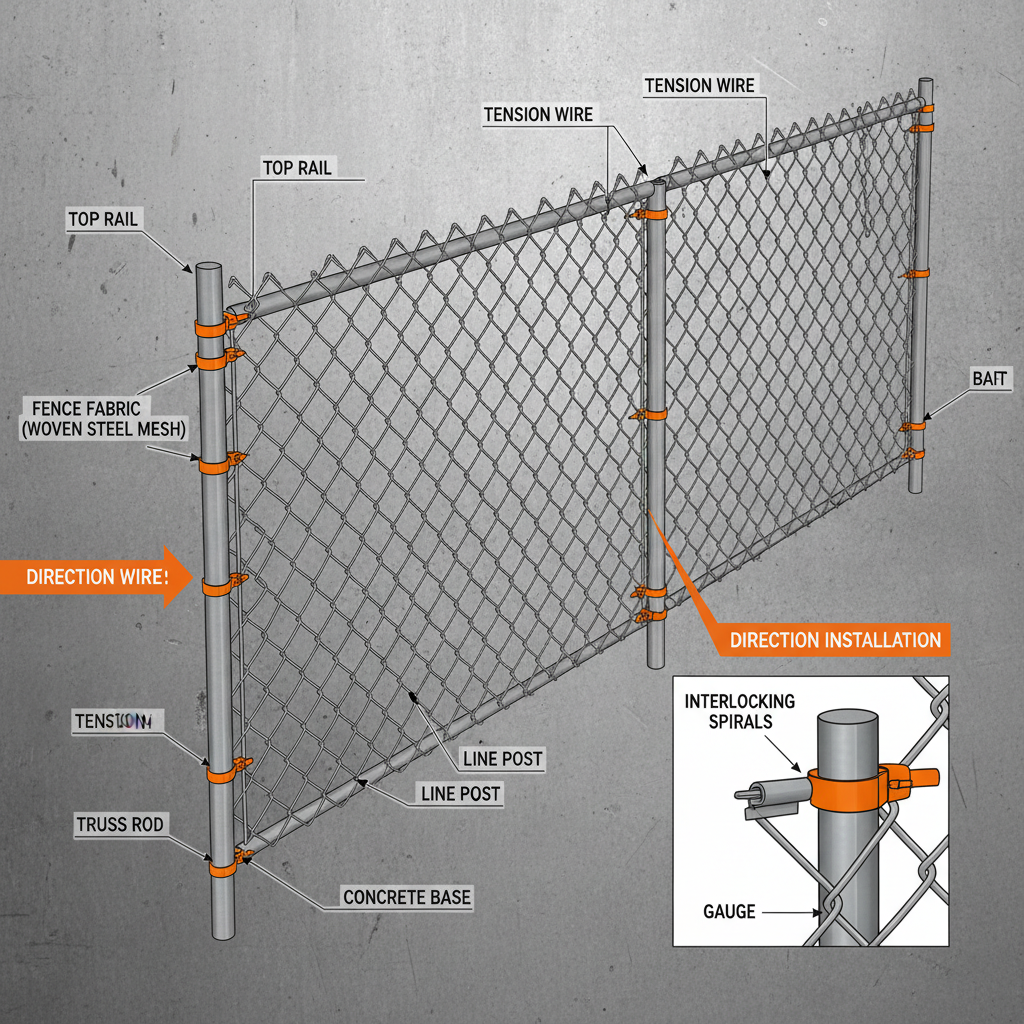
I've seen too many projects where corners were cut on the wire, thinking it wasn't a critical component. It is. Think about reinforcing concrete – the wire mesh doesn't just hold the concrete together; it prevents cracking and ensures structural integrity. Then you've got fencing, critical for security and containment. If the galvanizing fails, that fence is coming down sooner than you think. That’s why the reputation of hot dip gi wire manufacturers matters. You need a manufacturer who understands the demands of real-world construction.

It's not simply about the price per ton. It's about the consistent quality, the correct zinc coating thickness, and the tensile strength of the wire itself. A good manufacturer understands that different applications demand different specifications, and they'll work with you to ensure you're getting the right product for the job.

Understanding hot dip gi wire manufacturers: A Definition

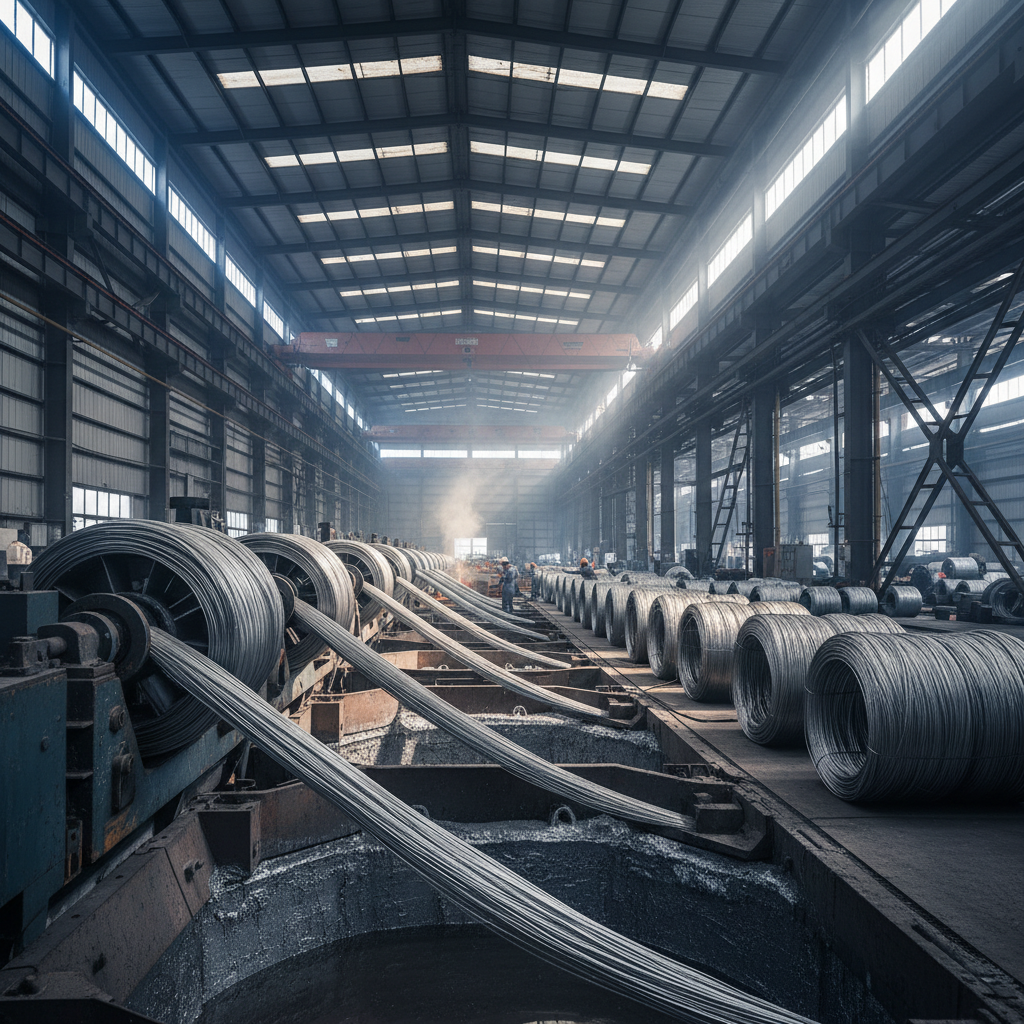
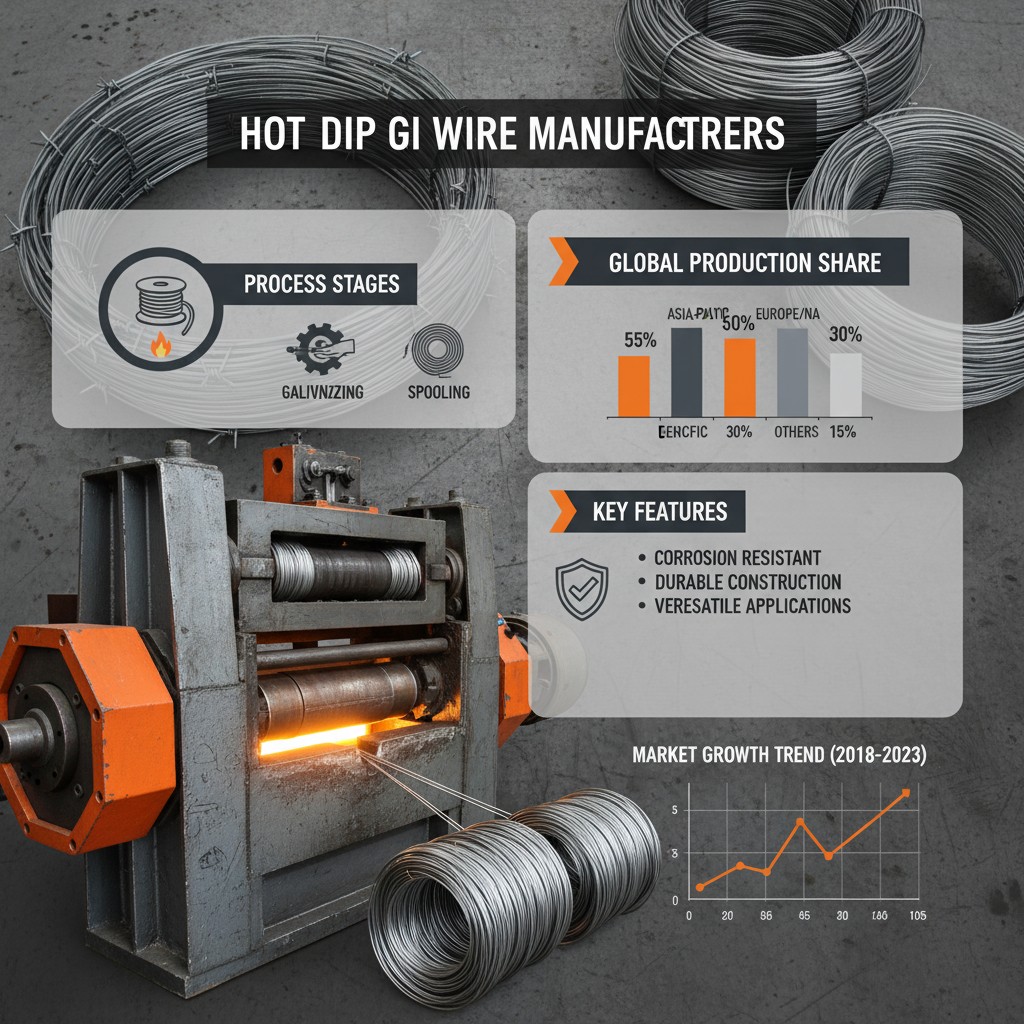
Let's be clear: "hot dip GI wire manufacturers" aren't just factories churning out wire. They're specialists in the galvanization process – taking steel wire and coating it with a protective layer of zinc. The "hot dip" part is crucial. It means the steel is submerged in molten zinc, creating a metallurgical bond that’s far superior to other galvanizing methods like electro-galvanizing. This creates a robust, corrosion-resistant barrier that’s essential for long-term durability.

This isn't just about preventing rust. It's about protecting the structural integrity of what we build. The zinc coating acts as a sacrificial anode, meaning it corrodes before the steel, protecting the underlying metal. That’s why we use it in everything from bridges to barns. A reliable hot dip gi wire manufacturer will be focused on controlling the thickness and uniformity of that zinc coating.

It's a process deeply intertwined with modern infrastructure and safety. Without this protective layer, structures would rapidly deteriorate, requiring costly repairs and potentially leading to catastrophic failures. The availability of high-quality GI wire directly impacts our ability to build safe, reliable, and sustainable infrastructure.

Key Factors Determining GI Wire Quality

There's a lot that goes into making good GI wire. It's not just about dunking steel in zinc. First, the quality of the steel itself is paramount. You need high-tensile steel that can withstand the stresses of construction. Then, the preparation of the steel before galvanizing is critical – it needs to be thoroughly cleaned to ensure the zinc adheres properly.

The zinc bath itself needs to be carefully controlled – temperature, purity, and the chemical composition of the zinc all play a role. The cooling process after galvanizing is also important; it affects the microstructure of the zinc coating and its resistance to corrosion. But perhaps the biggest factor is consistent quality control. A reputable hot dip gi wire manufacturer will have rigorous testing procedures in place to ensure every batch meets the required specifications.

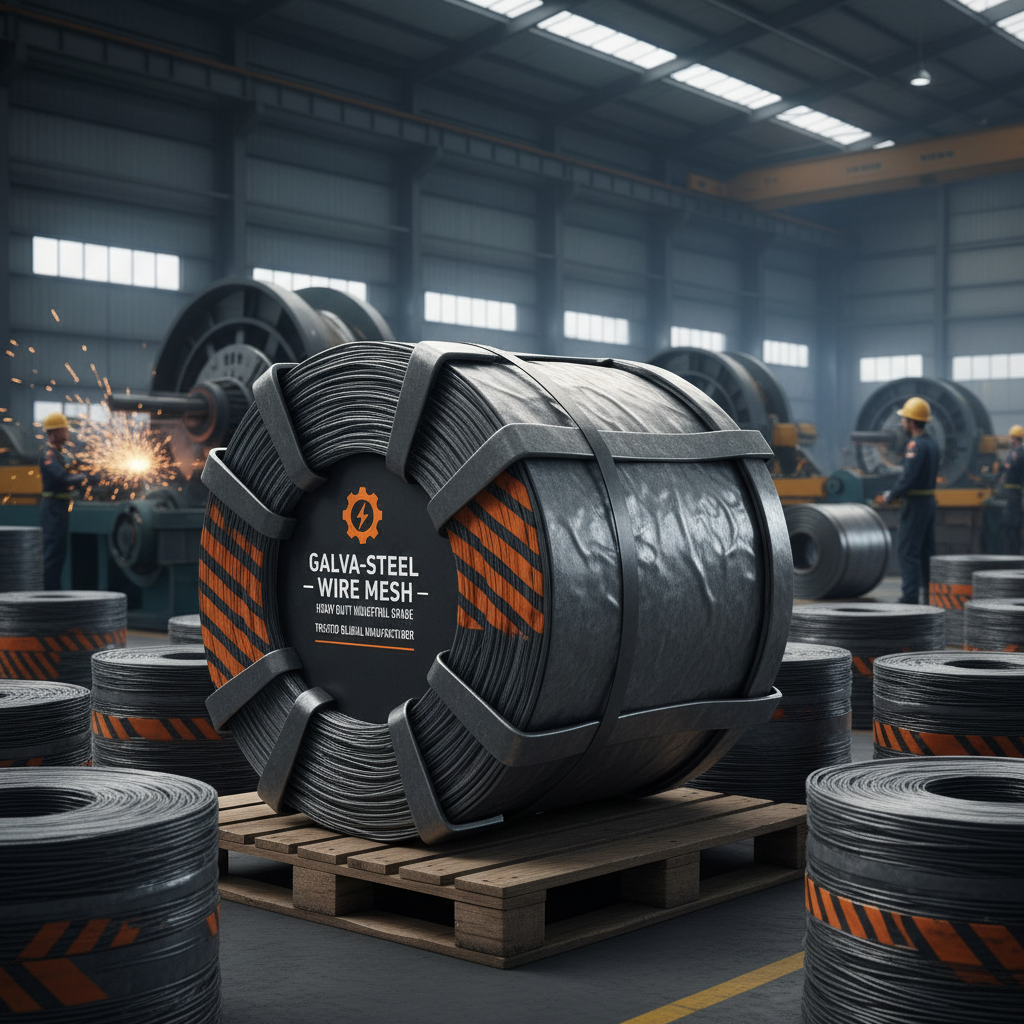
Finally, the packaging and handling of the wire are important. Proper packaging protects the zinc coating from damage during transport and storage. You don’t want to get wire on site that’s already been scratched or compromised.

Global Applications of Hot Dip GI Wire

You see hot dip GI wire everywhere. I've used it on projects from remote mining sites in Australia to large-scale infrastructure projects in Europe. It’s the standard for agricultural fencing, securing livestock and protecting crops. In disaster zones, it's used for temporary shelters and reinforcing structures damaged by earthquakes or hurricanes.

Think about power transmission lines – GI wire is used for stay wires and grounding applications, providing essential safety and reliability. The automotive industry uses it in various components, benefiting from its corrosion resistance. Even in marine environments, it's used for mooring lines and other applications where exposure to saltwater is a constant concern.

In post-disaster relief operations, the speed and ease of installation with GI wire-based solutions can be life-saving. It’s a versatile material that adapts to a wide range of needs and environments, making it a critical component of global construction and infrastructure.

hot dip gi wire manufacturers Application Distribution


Advantages and Long-Term Value of Quality GI Wire

The initial cost of high-quality GI wire is often a bit higher, but believe me, it pays off in the long run. You're looking at reduced maintenance costs, fewer repairs, and a significantly longer lifespan for the structure. That translates to real savings over the lifetime of the project.

Beyond the cost savings, there’s the peace of mind. Knowing you’ve used a durable, reliable material is invaluable. It means fewer headaches, fewer emergency repairs, and a safer structure overall. That's a value you can't put a price on.

Future Trends and Innovations in GI Wire Manufacturing

We're starting to see some interesting developments in the GI wire space. Manufacturers are experimenting with different zinc alloys to improve corrosion resistance even further. There's also a focus on developing more sustainable galvanizing processes, reducing waste and energy consumption.

Automation is playing a bigger role in manufacturing, allowing for tighter quality control and increased production efficiency. And with the growing demand for infrastructure, we'll likely see more innovation in wire coatings and materials designed to withstand extreme environments.

Challenges and Solutions in Sourcing GI Wire

One of the biggest challenges is dealing with inconsistent quality from overseas manufacturers. You get what you pay for, and sometimes, that "bargain" wire turns out to be a disaster. The solution is to work with reputable hot dip gi wire manufacturers who have a proven track record and a commitment to quality.

Supply chain disruptions are another concern, especially in the current global climate. Building strong relationships with suppliers and diversifying your sourcing can help mitigate these risks.

Finally, staying up-to-date on industry standards and specifications is crucial. Make sure you're specifying the right type of wire for the application and that it meets all relevant safety and performance requirements.

A Comparative Analysis of Key GI Wire Manufacturing Metrics

Manufacturer Zinc Coating Thickness (µm) Tensile Strength (MPa) Quality Control Rating (1-10)
TY Wiremesh 150 550 9
Acme Galvanizing 120 500 7
Global Wire Solutions 135 520 8
United Steel & Wire 140 530 8.5
Precision Metal Products 110 480 6
National Galvanizers Inc. 160 560 9.2

FAQS

What are the key differences between hot-dip galvanizing and electro-galvanizing?

Hot-dip galvanizing provides a thicker, more durable coating with superior corrosion resistance compared to electro-galvanizing. This is because the molten zinc creates a metallurgical bond with the steel, offering better protection against harsh environments. Electro-galvanizing, while faster and more cost-effective for some applications, provides a thinner coating that is more susceptible to corrosion over time. For long-term structural integrity, hot-dip is the clear winner.

How can I ensure I'm purchasing high-quality GI wire from a manufacturer?

Look for manufacturers with ISO 9001 certification and a proven track record of consistent quality. Request mill test reports detailing the zinc coating thickness, tensile strength, and chemical composition of the wire. Don’t be afraid to ask about their quality control procedures and request site visits to their facilities if possible. A reputable manufacturer will be transparent and willing to provide the information you need.

What is the typical lifespan of structures using hot-dip GI wire in coastal environments?

In coastal environments, structures using properly galvanized GI wire can last 50 years or more with minimal maintenance. The lifespan depends on several factors, including the thickness of the zinc coating, the level of salt exposure, and the quality of the underlying steel. Regular inspections and periodic recoating can further extend the lifespan of the structure.

What are the environmental impacts of hot-dip galvanizing?

While galvanizing involves the use of zinc, modern galvanizing plants implement strict environmental controls to minimize waste and emissions. Zinc is a naturally occurring element and is recyclable. The galvanizing process itself can actually contribute to sustainability by extending the lifespan of structures and reducing the need for replacements. Many hot dip gi wire manufacturers are actively working to reduce their environmental footprint.

How does the gauge (thickness) of GI wire affect its strength and application?

The gauge of GI wire directly correlates with its strength and suitability for different applications. Thicker gauges (lower numbers) are stronger and better suited for heavy-duty applications like structural reinforcement. Thinner gauges (higher numbers) are more flexible and often used for fencing or tying. Choosing the correct gauge is essential to ensure the wire can withstand the stresses it will be subjected to.

Are there alternatives to hot-dip galvanizing, and what are their drawbacks?

Alternatives like painting, powder coating, and stainless steel exist, but they all have drawbacks. Painting requires regular maintenance and is susceptible to chipping and corrosion. Powder coating offers some corrosion resistance but isn't as durable as galvanizing. Stainless steel is significantly more expensive. Hot-dip galvanizing offers the best balance of cost, durability, and corrosion protection for most applications.

Conclusion

So, what have we learned? Hot dip gi wire manufacturers play a vital, often unseen, role in building the world around us. Understanding the factors that determine wire quality – from the steel itself to the galvanizing process and the manufacturer’s commitment to standards – is critical for ensuring the longevity, safety, and sustainability of any construction project. Don’t treat it as a commodity; treat it as a fundamental building block.

Looking ahead, the demand for reliable GI wire will only increase. By focusing on innovation, sustainability, and strong partnerships with reputable manufacturers like TY Wiremesh, we can ensure that future infrastructure is built to last. Don’t hesitate to reach out to us at www.tywiremesh.com to discuss your specific project needs and find the right GI wire solution for the job.


Robert Miller

Robert Miller

Robert Miller is the Head of International Sales at Hebei Tengyuan Wire Mesh Products Co., Ltd. With over 12 years of experience in the wire mesh industry, Robert specializes in building and maintaining relationships with clients across North and South America. He’s particularly adept at understanding specific project requirements –
Previous The Enduring Importance of Chain Link Fence in Global Security and Infrastructure
Next Essential Guide to Choosing a Reliable Galvanized Iron Wire Manufacturer
gotop
Copyright © 2026 Hebei Tengyuan Wire Mesh Products Co.,Ltd All Rights Reserved. Sitemap | Privacy Policy | Top Blog