Hebei Tengyuan Wire Mesh Products Co.,Ltd
0%

Table of Contents

The world relies on robust infrastructure, and at the heart of much of it lies galvanized iron wire. It's not glamorous, but as someone who spends my days on construction sites, seeing the way this material performs—and fails when cheaper alternatives are used—it’s clear how critical it is. We're talking about everything from securing rebar in concrete to fencing, from cable armoring to agricultural applications. A reliable galvanized iron wire manufacturer isn’t just supplying a product; they're providing a foundation for safety, durability, and long-term cost savings. It's a surprisingly complex market, with quality varying drastically between suppliers.

I've seen projects delayed, and even compromised, because of substandard galvanized wire. Rust sets in too quickly, weakening the structure. That leads to expensive repairs, safety concerns, and frankly, a lot of headaches for everyone involved. The demand is constant, driven by growth in construction, infrastructure development, and even the agricultural sector. According to the World Bank, global infrastructure investment needs are projected to reach $94 trillion by 2040, and a significant portion of that will rely on corrosion-resistant materials like galvanized iron wire. This isn’t just about building more; it’s about building things that last.

Understanding the nuances of galvanized iron wire—the different zinc coatings, wire gauges, tensile strengths—is absolutely vital. It's a material that impacts projects across the globe, and a strong supply chain with a dependable galvanized iron wire manufacturer is essential for successful completion. You might not think about it, but it touches almost every aspect of modern life.
Essential Guide to Choosing a Reliable Galvanized Iron Wire Manufacturer

The Importance of Galvanized Iron Wire

Essential Guide to Choosing a Reliable Galvanized Iron Wire Manufacturer

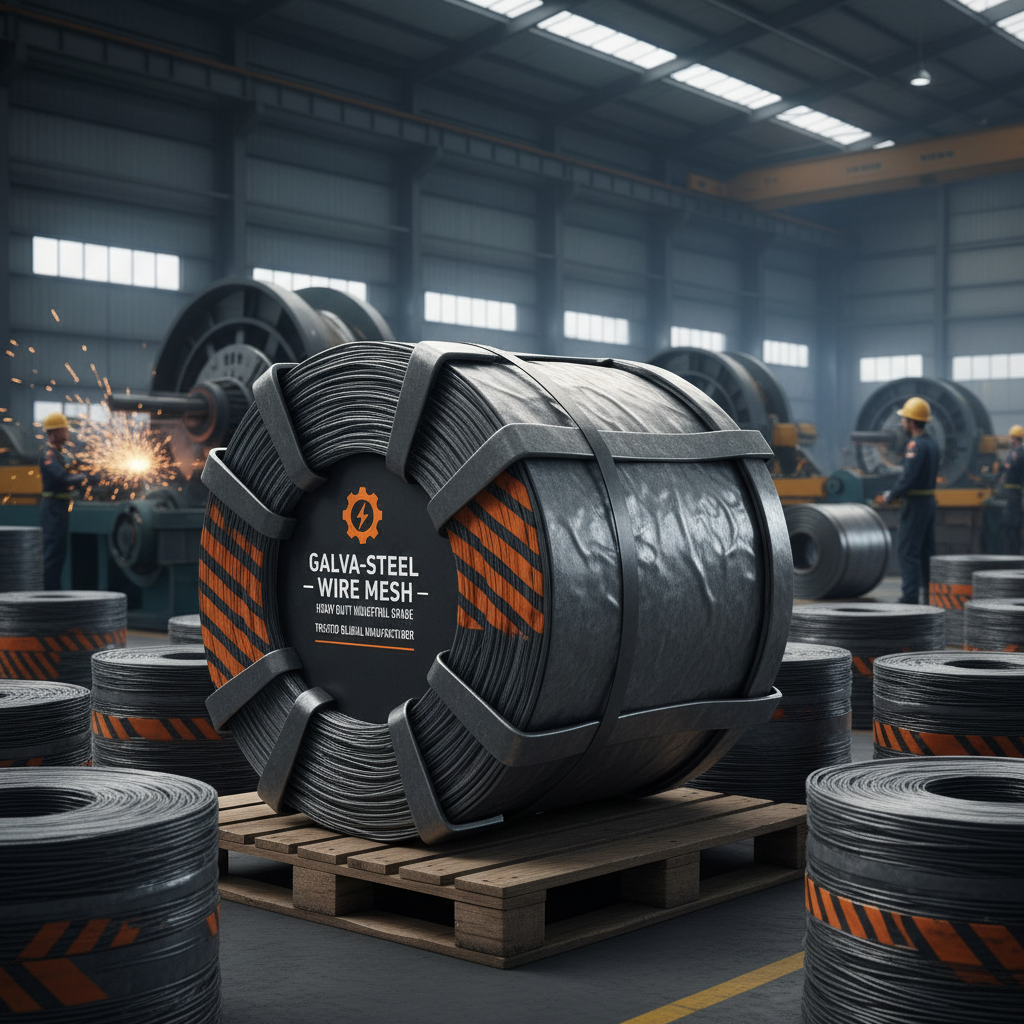
Galvanized iron wire isn’t a flashy material, but it’s the workhorse of countless industries. The process of galvanization – coating iron with zinc – is what gives it that crucial protection against corrosion. I’ve seen too many projects where corners were cut on materials, and the results are never pretty. A quality galvanized iron wire manufacturer understands the importance of consistent coating thickness and adherence.

It's a simple principle, but executed poorly, it leads to big problems. The zinc acts as a sacrificial layer, corroding before the iron itself, and extending the lifespan of the wire dramatically. This is especially critical in environments exposed to moisture, salt, or harsh chemicals.

Global Relevance and Industry Context

The demand for galvanized iron wire is tied directly to global construction and infrastructure development. Emerging economies in Asia and Africa are fueling significant growth in this sector, and a reliable supply chain is paramount. The ISO standards for galvanization are constantly evolving, pushing manufacturers to improve their processes and quality control. We're seeing a greater emphasis on environmental considerations too, with increasing demand for eco-friendly galvanization techniques.

The UN estimates that over 65% of the world's population will live in urban areas by 2050, driving unprecedented demand for housing and infrastructure. This growth will necessitate vast amounts of galvanized iron wire for everything from building frameworks to reinforcing concrete. A reputable galvanized iron wire manufacturer is anticipating these needs and investing in capacity expansion.

The issue isn’t just the quantity of wire, but the quality. I’ve seen projects in coastal regions fail prematurely because the galvanization wasn’t robust enough to withstand the saltwater corrosion. That's where working with a proven manufacturer becomes invaluable.

Defining Galvanized Iron Wire Manufacturing

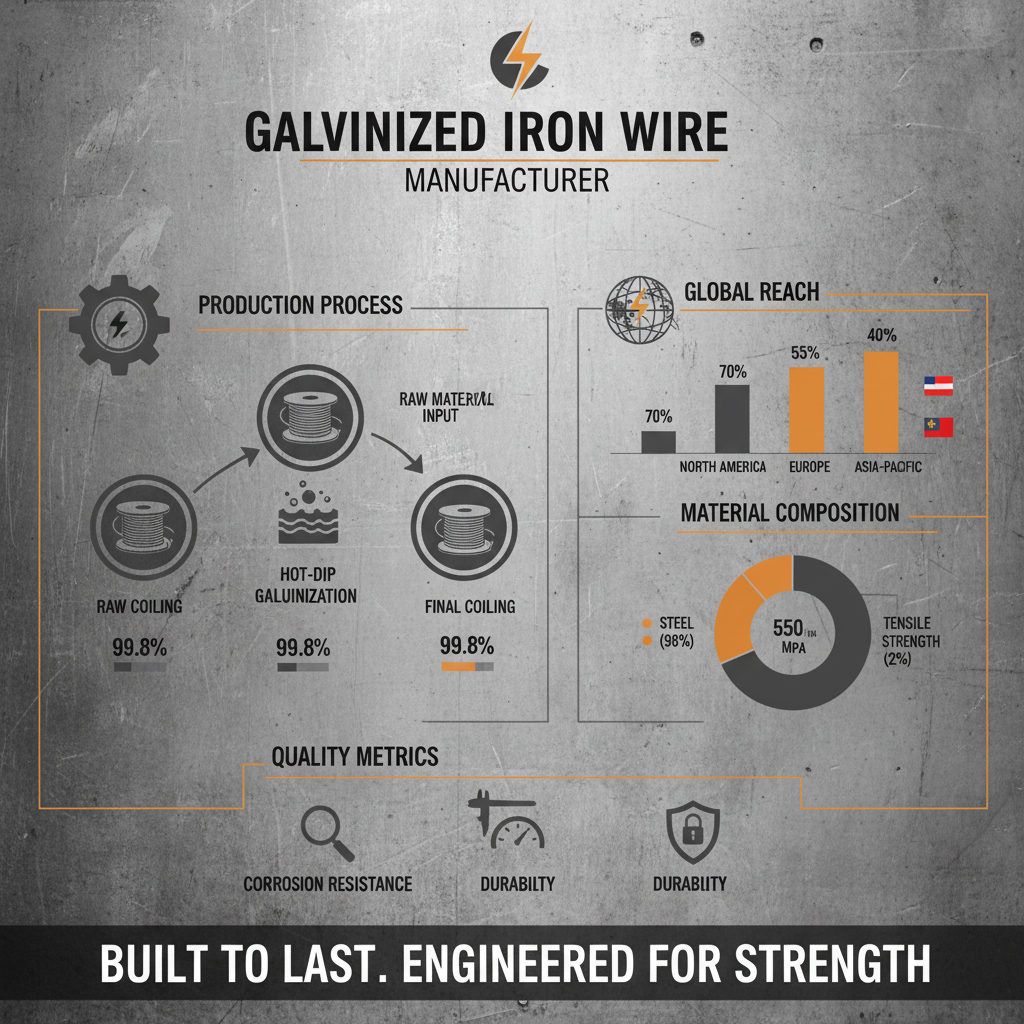
At its core, galvanized iron wire manufacturing involves applying a protective zinc coating to iron wire. This can be done through several methods: hot-dip galvanizing, electro-galvanizing, and galvanizing using zinc flakes. Hot-dip galvanizing, in my experience, provides the most robust and durable coating, although it can be more expensive. It involves immersing the iron wire in a bath of molten zinc.

The key is ensuring consistent coating thickness and a strong metallurgical bond between the zinc and the iron. This is where the expertise of a galvanized iron wire manufacturer truly shines. They need to control variables like zinc bath temperature, immersion time, and wire surface preparation to achieve optimal results.

The finished product must meet stringent quality standards, including tests for coating thickness, adhesion, and corrosion resistance. Knowing what those standards are, and demanding proof of compliance, is crucial when selecting a supplier.

Key Factors in Wire Quality

There are several critical factors that determine the quality of galvanized iron wire. First, the gauge (diameter) of the wire impacts its strength and durability. Second, the type of zinc coating—and its thickness—directly affects corrosion resistance. Hot-dip galvanizing typically provides a thicker, more durable coating than electro-galvanizing.

Third, the tensile strength of the wire is crucial, especially in applications where it will be subjected to significant stress. A quality galvanized iron wire manufacturer will provide detailed specifications for these parameters.

Galvanized Iron Wire Manufacturing Quality Factors


Applications Across Industries

The applications of galvanized iron wire are incredibly diverse. In construction, it's essential for reinforcing concrete, creating fencing, and securing formwork. In agriculture, it’s used for creating netting, supporting plants, and fencing livestock. You’ll also find it in electrical transmission lines as cable armor, and in the automotive industry for various components.

I've seen it used extensively in post-disaster relief efforts, for creating temporary shelters and reinforcing damaged structures. In remote industrial zones, it’s a vital material for building basic infrastructure. The versatility of galvanized iron wire is a major reason for its widespread adoption.

Long-Term Value and Benefits

Choosing quality galvanized iron wire from a reputable galvanized iron wire manufacturer translates to significant long-term value. Reduced maintenance costs, increased structural lifespan, and improved safety are just a few of the benefits. While the initial cost might be slightly higher, the long-term savings far outweigh the difference.

There's also the peace of mind knowing you’re using a reliable material. In construction, safety is paramount, and using substandard wire can compromise the integrity of the entire structure. It’s a matter of responsibility and building with confidence.

Future Trends & Innovation in Manufacturing

We're seeing a growing focus on sustainability in the galvanizing industry. Manufacturers are exploring alternative zinc alloys with lower environmental impact and developing more efficient galvanizing processes. Digital transformation is also playing a role, with manufacturers using sensors and data analytics to optimize production and quality control.

Automation is increasing, leading to higher production volumes and lower costs. I expect to see more personalized solutions, with manufacturers offering custom-sized and coated wires to meet specific project requirements. The future of galvanized iron wire manufacturing is about efficiency, sustainability, and innovation.

Furthermore, research into advanced coatings, potentially incorporating nanomaterials, could enhance corrosion resistance even further. This could significantly extend the lifespan of structures and reduce the need for costly repairs.

Analysis of Galvanized Iron Wire Manufacturer Performance Indicators

Manufacturing Process Efficiency Product Quality Consistency Supply Chain Reliability Customer Support Responsiveness
Process Optimization Rate Defect Rate (ppm) On-Time Delivery Rate Average Response Time (Hours)
Automation Level (%) Coating Thickness Variation (%) Inventory Turnover Ratio Customer Satisfaction Score (1-5)
Energy Consumption per Ton Adhesion Strength (MPa) Lead Time (Days) Issue Resolution Rate (%)
Waste Reduction Rate (%) Corrosion Resistance (Salt Spray Hours) Supplier Risk Assessment Score (1-10) Technical Support Availability (%)
Production Capacity Utilization (%) Tensile Strength Consistency (%) Logistics Cost as % of Revenue Complaint Handling Efficiency (%)
Overall Equipment Effectiveness (OEE) Surface Imperfection Rate (%) Transportation Damage Rate (%) Proactive Communication Frequency

FAQS

What are the key differences between hot-dip galvanizing and electro-galvanizing?

Hot-dip galvanizing generally produces a thicker, more durable coating, offering superior corrosion resistance. It involves immersing the wire in molten zinc, creating a metallurgical bond. Electro-galvanizing uses an electrical current to deposit zinc, resulting in a thinner, smoother coating. While electro-galvanizing can be more aesthetically pleasing, it’s typically less robust for harsh environments. Choosing the right method depends on the application and desired lifespan.

How does wire gauge affect the strength and application of galvanized iron wire?

Wire gauge refers to the diameter of the wire. A lower gauge number indicates a thicker wire, and therefore greater strength. Thicker wires are ideal for applications requiring high tensile strength, like structural support or fencing. Thinner gauges are suitable for lighter-duty applications like tying or crafting. Understanding the load-bearing requirements is crucial when selecting the appropriate gauge.

What quality certifications should I look for in a galvanized iron wire manufacturer?

Look for manufacturers certified to ISO 9001 (quality management) and ISO 14001 (environmental management). Certifications like RoHS (Restriction of Hazardous Substances) ensure compliance with environmental regulations. Also, verify adherence to relevant ASTM standards for galvanized wire, such as ASTM A653. These certifications demonstrate a commitment to quality and responsible manufacturing.

How can I assess the corrosion resistance of galvanized iron wire?

The most common test is the salt spray test (ASTM B117), which measures the time it takes for corrosion to appear on the coated wire. Coating thickness, measured in microns, is also a key indicator. Look for manufacturers who provide test reports and can demonstrate consistent coating quality. Visual inspection for a uniform, bright coating is also helpful.

What are the environmental considerations when using and sourcing galvanized iron wire?

Galvanization involves the use of zinc, and responsible sourcing and waste management are essential. Look for manufacturers implementing closed-loop systems to recycle zinc-containing waste. Consider the potential for zinc runoff in certain applications and implement appropriate mitigation measures. Choosing manufacturers committed to sustainable practices minimizes environmental impact.

How does temperature affect the performance of galvanized iron wire?

Extreme temperatures can impact the performance of galvanized iron wire, although it's generally very resilient. High temperatures can slightly reduce the adhesion of the zinc coating over time. Low temperatures don’t usually pose a significant threat unless combined with other corrosive factors like moisture. Understanding the operating temperature range of your application is crucial for material selection.

Conclusion

Galvanized iron wire remains a critical material in modern infrastructure and a cornerstone of countless industries. Its durability, corrosion resistance, and cost-effectiveness make it an invaluable asset, and a reliable galvanized iron wire manufacturer is a key partner in any successful project. Understanding the nuances of manufacturing processes, quality control, and application-specific requirements is essential for maximizing its benefits.

Looking ahead, innovation in galvanization technology and a commitment to sustainable practices will be vital. By prioritizing quality, embracing new technologies, and focusing on environmental responsibility, the galvanized iron wire industry can continue to play a crucial role in building a more resilient and sustainable future. Visit our website at www.tywiremesh.com to learn more about our products and services.
Michael Thompson

Michael Thompson

Michael Thompson is the Logistics Manager at Hebei Tengyuan Wire Mesh Products. He’s responsible for the efficient and timely delivery of products to customers globally. With a strong background in supply chain management, Michael expertly navigates international shipping regulations and coordinates with freight forwarders to ensure smooth transportation. He’s known
Previous Understanding Hot Dip GI Wire Manufacturers for Durable Construction Projects
Next The Indispensable Role of Iron Wire China in Modern Infrastructure Projects
gotop
Copyright © 2026 Hebei Tengyuan Wire Mesh Products Co.,Ltd All Rights Reserved. Sitemap | Privacy Policy | Top Blog