Creating a comfortable living environment requires more than just aesthetics—it also means protecting your home from unwanted pests, dust, and debris while maintaining optimal airflow. This is where window screen mesh proves to be indispensable. Whether you’re installing a new mosquito net for windows, upgrading to modern materials, or comparing options to find the best window mesh price, the choice of the right window screen mesh makes all the difference in comfort, safety, and durability.
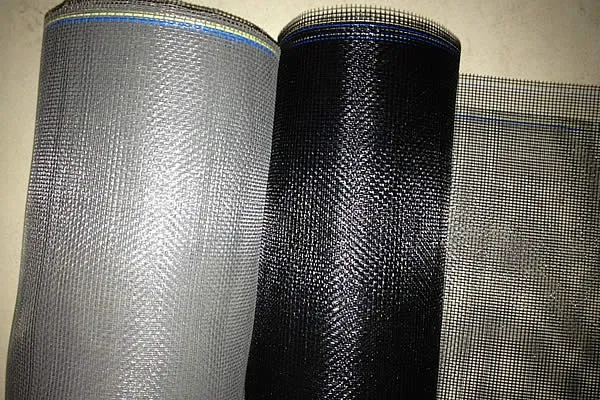
One of the most crucial aspects of selecting the right window screen mesh is understanding the materials from which it’s made. Today, there are several high-quality materials available, each with distinct benefits and applications.
Fiberglass is a popular option for window screen mesh because it’s flexible, corrosion-resistant, and affordable. It’s often used in mosquito net for windows installations, providing excellent visibility and ventilation while keeping insects at bay.
Another excellent choice is aluminium window screen mesh, prized for its strength and resistance to rust. This material is lightweight, durable, and perfect for areas exposed to frequent moisture or heavy weather conditions.
Galvanized steel is also widely used, especially in heavy-duty applications. Galvanized window screen mesh is coated with a layer of zinc to protect it from rust and corrosion. This makes it suitable for industrial and high-traffic environments where durability is essential.
Stainless steel mesh, though often more expensive in window mesh price, offers exceptional resistance to rust and is suitable for coastal regions or environments with high humidity.
Polyester and vinyl-coated options are becoming increasingly popular for specialty applications, thanks to their flexibility and improved UV resistance.
Understanding these materials is key to choosing the ideal window screen mesh for your specific requirements, balancing durability, aesthetics, and budget.
When considering window screen mesh, mesh size is just as important as the material itself. Mesh size refers to the number of openings per square inch, and it directly impacts performance.
For standard mosquito net for windows, mesh sizes of 18×16 or 20×20 are commonly used. These mesh sizes strike the perfect balance between airflow and protection, keeping mosquitoes and small insects out while allowing fresh air to circulate.
For environments with smaller insects like midges or no-see-ums, a tighter mesh such as 20×30 may be necessary. While this type of window screen mesh offers superior insect protection, it can slightly reduce airflow and visibility.
On the other hand, larger mesh sizes are suitable when maximum ventilation is a priority, such as in utility rooms, sheds, or industrial spaces.
It’s important to note that different mesh sizes can also influence the window mesh price, with finer meshes typically costing slightly more due to the precision required during manufacturing.
Choosing the right mesh size ensures your window screen mesh provides optimal performance, balancing protection, airflow, and visibility for your home or business.
A common dilemma for customers is deciding between aluminium window screen mesh and galvanized window screen mesh. Both offer unique advantages and cater to different needs.
Aluminium window screen mesh is lightweight, rust-resistant, and highly durable. Its sleek appearance complements modern architectural styles, and it maintains its color and integrity even after prolonged exposure to sunlight. This makes it a top choice for residential properties looking for longevity with minimal maintenance.
In contrast, galvanized window screen mesh is designed for strength and toughness. The zinc coating provides robust protection against rust and mechanical damage, making it suitable for industrial sites, warehouses, or high-traffic areas where durability is paramount.
Another consideration is window mesh price. While galvanized window screen mesh is often more affordable initially, aluminium window screen mesh can offer better long-term value thanks to its lower maintenance requirements and aesthetic appeal.
Ultimately, your choice between these materials should be guided by environmental conditions, usage scenarios, and budget. Whether it’s for a high-end mosquito net for windows or heavy-duty industrial screens, both options deliver excellent performance.
Modern living demands solutions that enhance both comfort and safety, and the mosquito net for windows has become a vital part of this equation. Beyond simply keeping insects out, a high-quality window screen mesh contributes to better indoor air quality, natural ventilation, and energy savings.
Installing a mosquito net for windows allows homeowners to open windows without worrying about pests, reducing reliance on air conditioning and promoting healthier airflow. This has become increasingly significant as homeowners seek sustainable solutions to improve indoor comfort.
Moreover, the aesthetic designs available in today’s window screen mesh offerings mean you no longer have to sacrifice style for function. From subtle grey fiberglass screens to sophisticated aluminium window screen mesh, there’s a perfect solution for every décor.
Additionally, modern window screen mesh options come with enhanced UV protection, reducing fading of furniture and flooring caused by sunlight.
With competitive window mesh price options available, investing in a durable mosquito net for windows is a cost-effective way to enhance living comfort while adding value to your property.
Window screen mesh provides protection against insects, improves ventilation, enhances security, and can offer UV protection, all while maintaining your home’s aesthetic appeal.
Opt for aluminium window screen mesh for lightweight durability and rust resistance in residential settings, and galvanized window screen mesh for robust strength in industrial applications.
Yes. Finer mesh sizes often cost slightly more due to the increased material density and manufacturing precision required.
Absolutely. Choosing a tighter window screen mesh size, like 20×30, ensures better protection against tiny pests such as midges or no-see-ums.
Beyond metal, types of window screening include fiberglass, stainless steel, polyester, and vinyl-coated meshes, each offering unique benefits for various applications.