In both industrial and residential applications, stainless steel wire and cable products are critical for ensuring durability, strength, and corrosion resistance. These materials are engineered to perform in the harshest environments—from marine settings to architectural frameworks. Choosing the right wire or cable can drastically impact the success of your project, both in terms of performance and longevity. Among the top contenders in today’s market are stainless steel variants known for their strength, flexibility, and ability to withstand mechanical stress. From the reliable spring back multipurpose 304 stainless steel wire to precise, fine-diameter wire ropes, modern stainless solutions deliver unmatched versatility and value.
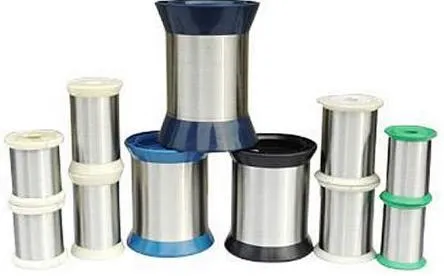
One of the most sought-after options in cable and wire engineering is spring back multipurpose 304 stainless steel wire, a solution trusted across multiple industries for its elasticity, high tensile strength, and corrosion resistance. Unlike typical steel wire, this variant "springs back" into shape, making it ideal for applications requiring repeated movement or pressure. This includes tensioning systems, fasteners, and safety lock devices. The 304 grade stainless steel composition ensures that the wire resists oxidation and retains its shape, even when exposed to the elements. For designers and engineers, this property simplifies maintenance, prolongs usage life, and adds safety assurance to critical applications.
When it comes to heavy-duty lifting or tension applications, 5 16 stainless cable provides a robust solution without sacrificing flexibility. Often used in rigging, marine mooring, or structural balustrades, this cable offers superior load-bearing capacity while resisting saltwater corrosion and weather degradation. The advantage of using 5 16 stainless cable lies in its blend of aesthetic appeal and industrial-grade performance. It's thick enough to support substantial weight but flexible enough to allow for smooth installation and minimal kinking. Additionally, its polished finish contributes to sleek, modern designs in architectural and landscape projects.
For more compact spaces or finer assemblies, 1 8 stainless steel wire rope strikes a perfect balance between size and strength. Its use cases are vast: from securing commercial signage to reinforcing small-scale mechanical parts. The corrosion resistance offered by stainless steel ensures that the wire rope performs well in both outdoor and indoor environments. The 1 8 stainless steel wire rope is especially favored in applications where visual discretion is needed without compromising on tensile strength—such as in exhibition rigging or light-duty hoisting systems. Furthermore, this dimension makes it ideal for use in DIY or home improvement projects that require professional-grade components.
For projects demanding extra pliability, 1 8 7x19 stainless steel cable offers a construction pattern that enhances flexibility without reducing strength. The "7x19" configuration refers to seven strands of 19 wires each, twisted together to form one resilient cable. This makes it highly suitable for pulley systems, winches, and other dynamic environments where bending and movement are frequent. The 1 8 7x19 stainless steel cable resists fraying and delivers consistent tension distribution, which translates to smoother operation and increased safety margins. From sailing equipment to exercise machines, its usage spans across both recreational and professional applications.
For ultra-light tasks that still demand reliability, 1mm wire rope emerges as a top choice. Despite its minimal diameter, this wire rope offers exceptional control and subtle strength, making it ideal for delicate installations such as jewelry display racks, picture hanging systems, or micro-mechanical devices. The stainless steel composition guarantees that the 1mm wire rope won’t rust or deteriorate over time, even in humid or outdoor conditions. As such, it is highly favored in museums, galleries, and architectural lighting systems where precision and aesthetic matter as much as structural integrity.
Stainless steel comes in various grades, with 304 and 316 being the most common. While 304 is highly versatile and cost-effective, 316 offers enhanced corrosion resistance, particularly in marine environments. Knowing the difference ensures better decision-making and longer-lasting results.
To keep your stainless steel cable in top condition, regular inspections and light cleaning are essential. Remove visible dust or grime with a soft brush and mild detergent. Always check for frays or signs of corrosion, especially in load-bearing scenarios.
Not necessarily. The best cable diameter depends on the specific use case. Thicker cables offer more strength but may lack flexibility. Thinner wires are ideal for subtle applications but should not be used for heavy loads.
Q: What makes spring back multipurpose 304 stainless steel wire ideal for mechanical use?
A: Its elasticity allows it to return to its original shape after bending, making it suitable for springs, clamps, and repetitive motion parts.
Q: How do I know if 5 16 stainless cable is right for my project?
A: Evaluate your load requirements and environmental exposure. This size is ideal for medium to heavy-duty tensioning where corrosion resistance is essential.
Q: Is 1 8 stainless steel wire rope strong enough for outdoor use?
A: Yes, it offers excellent tensile strength and corrosion resistance, suitable for both decorative and functional outdoor applications.
Q: What are the advantages of using a 1 8 7x19 stainless steel cable over other types?
A: The 7x19 strand configuration offers superior flexibility, making it ideal for dynamic environments where frequent movement occurs.
Q: Can 1mm wire rope support significant weight?
A: While it's not designed for heavy loads, it provides sufficient support for light-duty applications, especially where aesthetics and subtlety are priorities.